Developing Pancasila education e-module using Panrita Lopi context and Wordwall media to foster the fifth graders’ learning motivation and national character
DOI:
https://doi.org/10.12928/ijei.v7i2.15976Keywords:
e-module, motivation, national character, Pancasila education, Panrita Lopi culture, WordwallAbstract
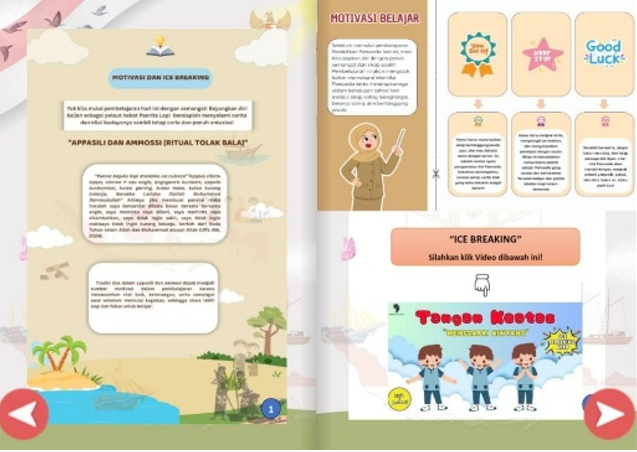
The Pancasila education e-module based on Panrita Lopi culture integrated with Wordwall media was developed to strengthen students' motivation and national character. Pancasila education is a subject that teaches Indonesia’s national ideology called Pancasila, while Panrita Lopi refers to a local maritime cultural value emphasizing wisdom and craftsmanship in boat-making from South Sulawesi. This study aims to (1) develop the e-module, (2) analyze its validity, (3) analyze its practicality, and (4) analyze its effectiveness on students' motivation and national character. The method used is Research and Development (R&D) with the ADDIE development model developed by Dick and Carey, involving 29 fifth-grade students of SD Negeri 27 Matekko. The developed e-module features interactive learning content, cultural contextualization, and game-based evaluation through Wordwall media. The results indicate that the e-module is highly feasible, practical, and effective for use in learning. This is evidenced by validation results from media, material, and cultural experts, each obtaining a score of 100% (very valid). Practicality is shown by teacher responses (99%) and student responses (97%), as well as motivation (97) and national character (95) in very good categories. Effectiveness is demonstrated by an increase in pretest scores (77) to posttest (94), normal data distribution, and paired sample t-test results (sig. 0.001 < 0.05), indicating H₀ is rejected and Hₐ is accepted. The N-Gain result (0.7107 > 0.70) is categorized as very effective. Thus, the e-module is valid, practical, and effective, and significantly improves students' motivation and national character.
References
Aisyah, S. N., Setyawati, R. C., Hidayat, O. S., & Utami, N. C. M. (2024). Analisis kebutuhan media interaktif Ludo digital dalam pembelajaran pendidikan Pancasila Kelas V SD. Jurnal Ilmiah Profesi Pendidikan, 9(2), 956-961. https://doi.org/10.29303/jipp.v9i2.2198
Azzahra, F. N., Azizah, H. N., Hamdani, T., & Maslani, M. (2025). Development and validation of a Sundanese local wisdom-based Islamic religious education module for strengthening moral character in elementary school students. Sosioedukasi: Scientific Journal of Education and Social Sciences, 14(4), 4209–4218. https://doi.org/10.36526/sosioedukasi.v14i4.6757
Baeroh, E., Rachman, A., & Suganda, A. (2025). Pengembangan e-module SIBUDI berbasis joyfull learning terhadap pemahaman siswa pada materi kekayaan budaya Indonesia kelas IV SDN Serang 03. Pendas: Jurnal Ilmiah Pendidikan Dasar, 10(3), 246-258. https://doi.org/10.23969/jp.v10i03.33195
Bureau, J. S., Howard, J. L., Chong, J. X., & Guay, F. (2022). Pathways to student motivation: A meta-analysis of antecedents of autonomous and controlled motivation. Review of Educational Research, 92(1), 46–72. https://doi.org/10.3102/00346543211042426
Celik, F., & Baturay, M. H. (2024). Technology and innovation in shaping the future of education. Smart Learning Environments, 11(1), 54. https://doi.org/10.1186/s40561-024-00339-0
Dewi, R. S., & Setiawan, S. (2022). Digital comic media: The relevance of Pancasila in everyday life. Mimbar PGSD Undiksha, 10(2), 183–189. https://doi.org/10.23887/jjpgsd.v10i2.41811
Dewanti, N. S., Zulfiati, H. M., & Wibawa, S. (2024). Pengembangan e-modul keragaman budaya Indonesia berbasis TPACK terintegrasi Tri N untuk meningkatkan dimensi kreatif siswa. Jurnal Muara Pendidikan, 9(2), 256-262. https://doi.org/10.52060/mp.v9i2.2192
Dwihana, J. P., Sari, A. L. P., Aulia, N. M., Fakhriyah, F., & Ismaya, E. A. (2025). Implementasi pembelajaran kontekstual terhadap pengalaman nilai Pancasila pada siswa kelas V di SD 4 Karangmalang. Jurnal Binagogik, 12(2), 161-170.
Fadillah, U., & Arwin, A. (2025). Improving student learning achievement in Pancasila education through problem-based learning (PBL) in Grade V SD Negeri 04 III Koto Baru Hiang. Edu Research, 6(3), 1402–1417. https://doi.org/10.47827/jer.v6i3.1342
Firdaus, A. A., Cahyanto, B., & Dina, L. N. A. B. (2025). Pengembangan elektronik modul (e-module) berbasis kearifan lokal pada mata pelajaran pendidikan Pancasila di sekolah dasar. JPMI: Jurnal Pendidikan Madrasah Ibtidaiyah, 7(3), 116-127.
Husna, D. A., & Kusumadewi, R. F. (2025). Pengaruh media pembelajaran Wordwall terhadap motivasi belajar pendidikan Pancasila di Kelas IV SD Negeri Sembungharjo 01. Pendas: Jurnal Ilmiah Pendidikan Dasar, 10(2), 447-457. https://doi.org/10.23969/jp.v10i02.24531
Gluoksnytė, O., & White, C. (2025). Factors promoting effective learning environments and individual achievement beyond limitations. International Journal of All Research Education and Scientific Methods, 13(7), 35-50.
Idayanti, Z., Budiarti, E. W., & Suleman, M. A. (2024). Development of ecosystem material e-module in grade V science learning. Al-Bidayah: Journal of Islamic Basic Education, 16(2), 309–328. https://doi.org/10.14421/al-bidayah.v16i2.9770
Ifani, M. N., Jatmiko, J., & Lestari, D. P. (2025). Meningkatkan hasil belajar pendidikan Pancasila melalui model problem based learning berbantuan media pembelajaran happy notes. Dharma Pendidikan, 20(1), 21-30. https://doi.org/10.69866/dp.v20i1.560
Julaidar, J., Marsithah, I., & Jannah, M. (2024). Pengembangan e-modul Projek Penguatan Profil Pelajar Pancasila (P5) berbasis kearifan lokal pada fase E. Jurnal Penelitian, Pendidikan dan Pengajaran (JPPP), 5(2), 95-117. https://doi.org/10.30596/jppp.v5i2.17017
Khoiriyah, N. N. M., Dharma, I. M. A., & Sudewiputri, M. P. (2025). Pengaruh media interaktif berbantuan Wordwall setting model open ended terhadap motivasi belajar siswa SD kelas IV. Jurnal BELAINDIKA: Pembelajaran dan Inovasi Pendidikan, 7(2), 294-300. https://doi.org/10.52005/belaindika.v7i2.375
Lisandra, R., Pramudani, S. L., Widodo, S. T., & Nuraeni, R. (2025). Optimalisasi media Wordwall untuk peningkatan motivasi, hasil belajar, dan kemampuan berpikir kritis dalam pembelajaran PKn di SD. Mutiara: Multidiciplinary Scientifict Journal, 3(1), 104-105.
Manurung, A. P. S., Haloho, B., & Arent, E. (2025). Implementasi pembelajaran pendidikan Pancasila melalui pembelajaran kontekstual dalam menumbuhkan pendidikan karakter peserta didik pada fase C SD Negeri 091509 Saribulaksa pada semester ganjil tahun pelajaran 2024/2025. Jurnal Pendidikan Integratif, 6(1).
Milanti, A. A., Lasambouw, C. M., & Maulana, M. Y. (2023). Validation of mobile learning-based e-modules in civic education learning. Journal of Education Research, 4(4), 1543–1552. https://doi.org/10.37985/jer.v4i4.482
Muzaki, A., Hastuti, I. D., Fujiaturrahman, S., & Untu, Z. (2022). Development of ethnomathematics-based e-module to improve students’ metacognitive ability. International Journal of Interactive Mobile Technologies, 16(3). https://doi.org/10.3991/ijim.v16i03.24949
Ningtia, M. W., & Rahmawati, I. (2022). Development of Wordwall-based interactive game media in mathematics learning. Journal of Elementary School Teacher Education Research, 10(6), 1304-1318.
Parhan, M., & Sukaenah, S. (2020). Contextual approach in improving Pancasila and civic education learning. Scientific Journal of Pancasila and Civic Education, 5(2), 360–368.
Rahmandani, F., Hamzah, M. R., Handayani, T., & Fatimah, S. (2024). Penerapan problem based learning (PBL) dalam peningkatan keaktifan dan motivasi belajar peserta didik pada mata pelajaran Pendidikan Pancasila di SMAN 2 Batu. Jurnal Pendidikan dan Pembelajaran Indonesia (JPPI), 4(3), 1016-1027. https://doi.org/10.53299/jppi.v4i3.674
Rahmawati, N., & Suryani, I. (2022). The use of Wordwall in increasing student activity in online learning. Journal of Educational Technology, 10(2), 123–135.
Rasyih, H., Noer, A. M., & Rasmiwetti, R. (2024). Development of SSI-based e-module to improve critical thinking. Journal of Science Education Research, 10(8), 6059–6069. https://doi.org/10.29303/jppipa.v10i8.8102
Razi, P. (2024). Development of e-module for independent learning of physics material. International Journal of Information and Education Technology, 14(5), 761–769.
Ruswinarsih, S., Budimansyah, D., Wahyu, W., Sauri, S., & Arofah, L. (2025). Local culture and character education research trends. IJORER: International Journal of Recent Educational Research, 6(5), 1340–1358. https://doi.org/10.46245/ijorer.v6i5.912
Safitri, D., Awalia, S., Sekaringtyas, T., Nuraini, S., Lestari, I., Suntari, Y., & Sudrajat, A. (2022). Improvement of student motivation through Wordwall-based digital games. International Journal of Interactive Mobile Technologies, 16(6), 189. https://doi.org/10.3991/ijim.v16i06.25729
Saputra, B. D., Murdiono, M., & Tohani, E. (2023). Nationalism education in primary school. International Journal of Evaluation and Research in Education, 12(2), 739–749. https://doi.org/10.11591/ijere.v12i2.24609
Siregar, I. N., Siagian, P. T., Dasuha, R. J. D., & Ria, R. R. (2024). Menumbuhkan karakter, etika, dan moral melalui proyek penguatan profil pelajar Pancasila (P5) di SD. Jurnal Pendidikan Guru Sekolah Dasar, 1(3), 1-8. https://doi.org/10.47134/pgsd.v1i3.436
Susanti, & Prahastiwi, E. D. (2025). Optimalisasi pendampingan orang tua terhadap kedisiplinan belajar anak. Al-Athfal: Jurnal Pendidikan Anak, 6(1), 49-58. https://doi.org/10.46773/alathfal.v6i1.1663
Untari, A. D., & Khoirunnisa, D. (2025). Efektivitas e-modul pendidikan Pancasila pada materi NKRI berbasis aplikasi Heyzine flipbook dalam meningkatan hasil belajar siswa. Jurnal Pendidikan, Kewarganegaraan, Hukum, Sosial, dan Politik, 8(1), 56-63. https://doi.org/10.47080/propatria.v8i1.3894
Usmi, R., & Samsuri, S. (2022). Urgensi pendidikan kewarganegaraan global dalam kurikulum pendidikan Pancasila dan kewarganegaraan di abad 21. Jurnal Ilmiah Pendidikan Pancasila dan Kewarganegaraan, 7(1), 149-160.
Wahyani, A., Al Maâ, A. I., Rahmawati, F. P., Prastiwi, Y., & Rahmawati, L. E. (2022). Content analysis of nationalism character education in Wonogiri folklore as an elementary school literacy media. Journal of Innovation in Educational and Cultural Research, 3(3), 499-507. https://doi.org/10.46843/jiecr.v3i3.224
Waruwu, M. (2024). Research and development (R&D) methods: Concepts, types, stages, and advantages. Journal of Educational Professions, 9(2), 1220–1230.
Yani, N. L. S., & Oktarina, N. (2024). STEM-based e-modules to improve students’ critical thinking. Thinking Skills and Creativity Journal, 7(1), 115–121. https://doi.org/10.23887/tscj.v7i1.73518
Yuliani, T., & Anas, M. (2025). Transformasi pembelajaran ekonomi: E-Modul bermuatan kearifan lokal untuk meningkatkan hasil belajar dan profil pelajar Pancasila di Sekolah Menengah Atas. Didaktika: Jurnal Kependidikan, 14(1), 841–852.
Zakiyyah, D., Suswandari, M., & Khayati, N. (2022). Penerapan ice breaking pada proses belajar guna meningkatkan motivasi belajar siswa kelas IV SD Negeri Sugihan 03. Journal of Educational Learning and Innovation (ELIa), 2(1), 73–85. https://doi.org/10.46229/elia.v2i1.333
Downloads
Published
How to Cite
Issue
Section
License
Copyright (c) 2026 Andi Arbaina Fariza, Muhammad Nawir, Abdul Azis

This work is licensed under a Creative Commons Attribution-ShareAlike 4.0 International License.
Authors who publish with this journal agree to the following terms:
- Authors retain copyright with the work simultaneously licensed under a Creative Commons Attribution License that allows others to share the work with an acknowledgement of the work's authorship and initial publication in this journal.
- Authors are able to enter into separate, additional contractual arrangements for the non-exclusive distribution of the journal's published version of the work (e.g., post it to an institutional repository or publish it in a book), with an acknowledgement of its initial publication in this journal.
- Authors are permitted and encouraged to post their work online (e.g., in institutional repositories or on their website) prior to and during the submission process, as it can lead to productive exchanges, as well as earlier and greater citation of published work (See The Effect of Open Access).