Addressing the low students’ cognitive learning outcomes in Biology using CTL model: A case from SMA N 14 Kota Jambi
DOI:
https://doi.org/10.12928/ijei.v7i1.15596Keywords:
cognitive learning outcomes, contextual teaching and learning, problem-based learningAbstract
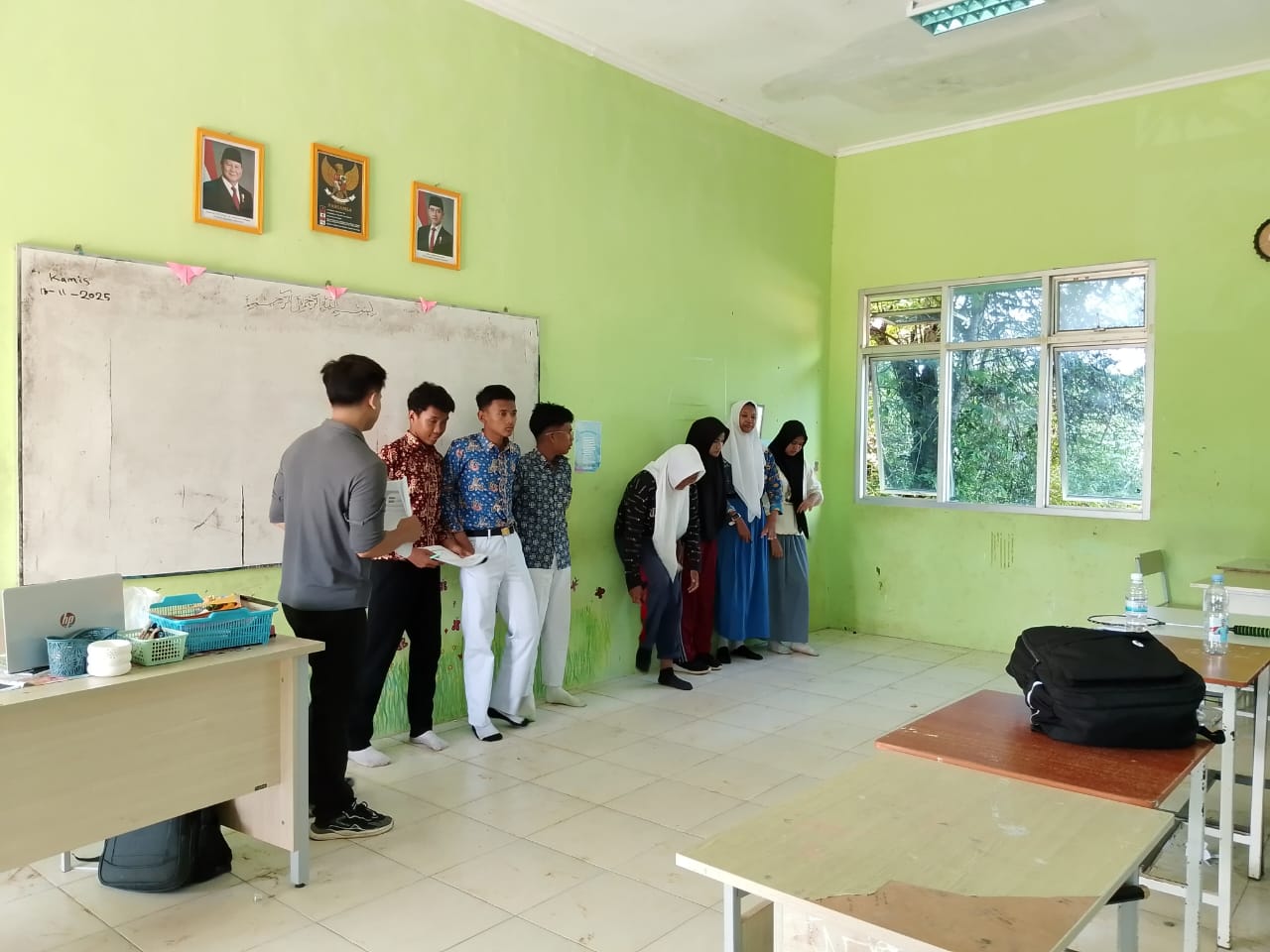
Education plays an important role in developing students’ thinking abilities as reflected in their learning outcomes. This research aims to examine the effect of the contextual teaching and learning (CTL) model on the students’ cognitive learning outcomes, which refer to conceptual understanding and cognitive thinking skills across Bloom’s taxonomy levels. This research employed a quasi-experimental design using a non-randomized control group pretest–posttest design. We involved two groups of senior high school students, each consisted of 30 students. The experiment group was taught using the CTL model, while the control group was taught using the problem-based learning (PBL) model. Data were collected through pretest and posttest instruments. The results showed that the experimental class achieved a higher mean posttest score (55.24) than the control class (36.27). One-Way ANCOVA analysis indicated that the CTL model had a significant effect in improving the students’ cognitive learning outcomes in Biology.
References
Afifah, R. U., Iskandar, S., Marisa, D., & Oktriana, S. I. (2025). Analisis strategi pembelajaran dalam meningkatkan efektivitas pembelajaran. Pendas: Jurnal Ilmiah Pendidikan Dasar, 10(2), 234–245. https://doi.org/10.23969/jp.v10i02.25615
Amin, N. F., Garancang, S., & Abunawas, K. (2023). Konsep umum populasi dan sampel dalam penelitian. Pilar, 14(1), 15-31. https://doi.org/10.26618/whw41w62
Astuti, R., & Najuba, N. (2024). Penggunaan model pembelajaran contextual teaching and learning (CTL) untuk meningkatkan hasil belajar dan keaktifan siswa. Prima Magistra: Jurnal Ilmiah Kependidikan, 5(1), 1-7. https://doi.org/10.37478/jpm.v5i1.3141
Dewi, N. S., Wati, A., & Farhurohman, O. (2024). Implementasi model pembelajaran contextual teaching and learning (CTL) untuk meningkatkan hasil belajar siswa pada pembelajaran IPS Kelas 4 MI. CENDEKIA: Jurnal Ilmu Sosial, Bahasa dan Pendidikan, 4(4), 280-289. https://doi.org/10.55606/cendekia.v4i4.3318
Dulyapit, A., & Nurmala, Y. (2025). Model contextual teaching and learning (CTL) sebagai pendekatan inovatif dalam pendidikan di madrasah ibtidaiyah. Al-Adawat: Jurnal Pendidikan Madrasah Ibtidaiyah, 4(01), 45-51. https://doi.org/10.33752/aldawat.v4i01.8491
Efriyani, R., & Aryani, Z. (2024). Penerapan model pembelajaran kontekstual (CTL) dalam pembelajaran IPA di sekolah dasar. Jurnal Insan Cita Pendidikan, 2(2), 1-4. https://doi.org/10.00000/ay072814
Ester, K., Sakka, F. S., Mamonto, F., Mangolo, A. E., Bawole, R., & Mamonto, S. (2023). Model pembelajaran contextual teaching and learning (CTL) di SD GMIM II Sarongsong. Jurnal Ilmiah Wahana Pendidikan, 9(20), 967-973. https://doi.org/10.5281/zenodo.10421051
Ginting, R. P., Wicaksana, E. J., & Natalia, D. (2024). The effect of PjBl model on creative thinking ability and higher-order cognitive outcomes in high school. JPBI (Jurnal Pendidikan Biologi Indonesia), 10(3), 1148-1160.
Hamid, J., Pebriyan, & Gusmaneli. (2024). Pembelajaran kontekstual: Solusi Untuk meningkatkan kualitas pendidikan. Realisasi: Ilmu Pendidikan, Seni Rupa dan Desain, 1(3), 1–12. https://doi.org/10.62383/realisasi.v1i3.113
Hanaris, F. (2023). Peran guru dalam meningkatkan motivasi belajar siswa: Strategi dan pendekatan yang efektif. Jurnal Kajian Pendidikan dan Psikologi, 1(1), 1-11. https://doi.org/10.61397/jkpp.v1i1.9
Ihsan, R., & Hasruddin. (2024). Analisis kemampuan berpikir tingkat tinggi dan literasi biologi siswa pada materi virus di kelas X SMA Negeri 1 Labuhan Deli. Jurnal Sains dan Teknologi, 1(2), 35–42.
Kurniawan, S., Sugiarno, Y., & Rahman, M. A. (2025). Analisis kurikulum biologi berbasis konteks lingkungan pendekatan holistik dalam pembelajaran sains di SMA Antartika Sidoarjo. Science Education and Development Journal Archives, 3(1), 27–36. https://doi.org/10.59923/sendja.v3i1.415
Mariati, M. (2018). Penerapan alat evaluasi pembelajaran bertingkat berdasarkan taksonomi Bloom dalam meningkatkan kemampuan berfikir mahasiswa. Liabilities (Jurnal Pendidikan Akuntansi), 1(2), 95-111. https://doi.org/10.30596/liabilities.v1i2.2328
Miranda, S., & Melisa, A. O. (2025). Penerapan metode pembelajaran berbasis proyek dalam meningkatkan hasil belajar biologi: Tinjauan literatur. BEST Journal (Biology Education, Sains and Technology), 8(1), 134-140. https://doi.org/10.30743/best.v8i1.10529
Ningtyas, S. Z., & Pradikto, S. (2025). Pengaruh metode pembelajaran konvensional dan game terhadap pembelajaran KWU dalam meningkatkan minat belajar SMAN 4 Pasuruan. Jurnal Kajian dan Penelitian Umum, 3(1), 115-124. https://doi.org/10.47861/jkpu-nalanda.v3i1.1507
Nurmailis. (2021). Improving students’ learning outcomes in biology through the contextual teaching and learning model by year VII-A students of MTs N 1 West Aceh. PEDAGOGI: Jurnal Ilmiah Pendidikan, 7(1), 56–62. https://doi.org/10.47662/pedagogi.v7i1.403
Nurwahidah, N. (2023). Upaya meningkatkan aktivitas belajar, keterampilan berpikir kritis, dan pemahaman konsep biologi siswa melalui penerapan model pembelajaran berbasis masalah. Ainara Journal (Jurnal Penelitian dan PKM Bidang Ilmu Pendidikan), 4(1), 11-21. https://doi.org/10.54371/ainj.v4i1.232
Rivan, Y. M., & Sari, M. Y. R. (2024). Pengaruh model pembelajaran contextual teaching and learning (CTL) dan pengetahuan awal terhadap hasil belajar biologi siswa SMA 1 Solok Selatan. Jurnal Genta Mulia, 15(2), 92-97. https://ejournal.uncm.ac.id/index.php/gm/article/view/1308
Rizaldi, D. R., Andayani, Y., Doyan, A., Makhrus, M., Fatimah, Z., & Nurhayati, E. (2021). The use of Betel leaf in Nyirih tradition: Analyzing an ethnoscience-based learning material. International Journal on Education Insight, 2(1), 29-36. https://doi.org/10.12928/ijei.v2i1.3579
Side, S., & Munawwarah, M. (2025). Pembelajaran berbasis studi kasus dalam pendidikan kimia: pemahaman dan analisis, evaluasi motivasi, keterlibatan mahasiswa. SCIENCE: Jurnal Inovasi Pendidikan Matematika dan IPA, 5(1), 321-332. https://doi.org/10.51878/science.v5i1.4616
Suryanda, A. (2024). Eksplorasi strategi inovatif pembelajaran biologi di abad 21. Jurnal Pendidikan dan Pembelajaran, 3(1), 102–107. https://doi.org/10.54259/diajar.v3i1.2270
Syafitri, N. A., Jailani, Nasution, R., Makkadafi, S. P., & Masitah. (2025). Pengaruh model pembelajaran CTL (Contextual Teaching and Learning) terhadap kemampuan kolaborasi dan hasil belajar siswa SMA pada pembelajaran biologi. PENDIPA Journal of Science Education, 9(2), 283–289. https://doi.org/10.33369/pendipa.9.2.283-289
Telaumbanua, Y., Harefa, A. R., & Lase, N. K. (2022). Efektivitas model pembelajaran contextual teaching and learning (CTL) pada pembelajaran biologi siswa XI MIPA SMA Negeri 1 Tuhemberua tahun pembelajaran 2021/2022. Formosa Journal of Applied Sciences, 1(5), 849–878. https://doi.org/10.55927/fjas.v1i5.1646
Ulfah, U., Arifudin, O., & Kartika, I. (2021). Pengaruh aspek kognitif, afektif, dan psikomotor terhadap hasil belajar peserta didik. Jurnal Al-Amar: Ekonomi Syariah, Perbankan Syariah, Agama Islam, Manajemen dan Pendidikan, 2(1), 1-9. https://ojs-steialamar.org/index.php/JAA/article/view/88
Zulfania, A., Syahrozi, S., & Rahmawan, S. (2025). Analisis efektivitas implementasi model pembelajaran contextual teaching & learning (CTL) mata pelajaran kimia jenjang SMA/MA dengan studi literature review. Konfigurasi: Jurnal Pendidikan Kimia dan Terapan, 9(2), 1-9. http://doi.org/10.24014/konfigurasi.v9i2.37164
Downloads
Published
How to Cite
Issue
Section
License
Copyright (c) 2026 Santo V Simatupang, Ervan Johan Wicaksana, Desfaur Natalia

This work is licensed under a Creative Commons Attribution-ShareAlike 4.0 International License.
Authors who publish with this journal agree to the following terms:
- Authors retain copyright with the work simultaneously licensed under a Creative Commons Attribution License that allows others to share the work with an acknowledgement of the work's authorship and initial publication in this journal.
- Authors are able to enter into separate, additional contractual arrangements for the non-exclusive distribution of the journal's published version of the work (e.g., post it to an institutional repository or publish it in a book), with an acknowledgement of its initial publication in this journal.
- Authors are permitted and encouraged to post their work online (e.g., in institutional repositories or on their website) prior to and during the submission process, as it can lead to productive exchanges, as well as earlier and greater citation of published work (See The Effect of Open Access).