Developing a web-based instruction platform using RME approach to support students’ conceptual understanding
DOI:
https://doi.org/10.12928/ijei.v7i1.14067Keywords:
conceptual understanding, instructional media, RME, trigonometry, web-based instructionAbstract
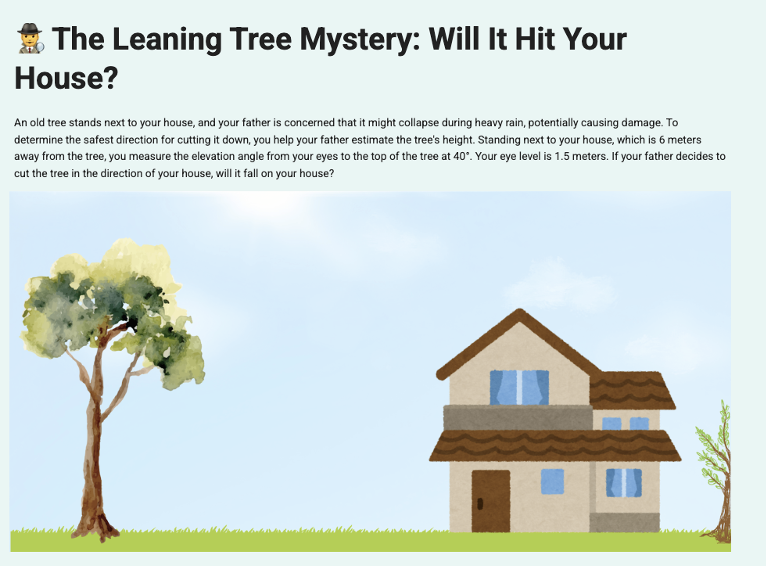
Trigonometry is often considered one of the most difficult topics for high school students, with many struggling due to a weak conceptual understanding. This study aims to develop a web-based instruction (WBI) platform called Sine and Shine using the Alessi and Trollip development model. It is a structured web-based teaching program and self-regulated learning resource designed to strengthen the students’ understanding of trigonometry concept. We designed the WBI to have various characteristics, such as interactive features, contextual problems, guided feedback, and integrating the principles of Realistic Mathematics Education (RME) in it. We involved 21 students as the participants to evaluate the platform using a mixed-method approach. In terms of validity, the experts unanimously judged that the Sine and Shine platform is strongly valid. In terms of practicality, the teacher and students feedback confirmed that the platform was very practical. In terms of effectiveness, we conducted a statistical analysis and found out that the mean score of post-test was 83.44, significantly higher than the school’s minimum mastery criteria (t = 6.1602, p = 2.87e-06), and the paired sample t-test between pre- and post-tests yielded p = 7.20e-16. The normalized gain score was 0.72, indicating a high level of improvement in conceptual understanding. These results demonstrate that Sine and Shine is a valid, practical, and effective digital learning tool that significantly enhances the students’ understanding of trigonometry and promotes self-regulated learning.
References
Alessi, S. M., & Trollip, S. R. (2000). Multimedia for Learning: Methods and Development. Allyn & Bacon. https://dl.acm.org/doi/abs/10.5555/557640
Asuman, B., Khan, M. S. H., & Clement, C. K. (2018). Integration of web-based learning into higher education institutions in Uganda. International Journal of Web-Based Learning and Teaching Technologies, 13(3), 33–50. https://doi.org/10.4018/ijwltt.2018070103
Clark, R. C., & Mayer, R. E. (2024). Designing for E-Learning. In Trends and Issues in Instructional Design and Technology (pp. 524-540). Routledge.
Center for Applied Science Technology. (2018). The Universal Design for Learning Guideline. https://udlguidelines.cast.org
Ekarini, F., Sukamta, S., Arief, U. M., Ananda, B. R., Shofiani, D., & Oktiagi, R. H. (2020). Supporting elements in the learning process through e-learning training at SMAN 2 Boyolali. Rekayasa: Jurnal Penerapan Teknologi dan Pembelajaran, 18(1), 6-11. https://doi.org/10.15294/rekayasa.v18i1.22747
Fajri, N., & Nida, I. (2019). Analisis Kkesulitan siswa kelas X SMA Negeri 6 Aceh Barat Daya pada materi trigonometri. Jurnal Ilmiah Pendidikan Matematika Al-Qalasadi, 3(2), 12–22. https://doi.org/10.32505/qalasadi.v3i2.1179
Foroughi, C. K., Werner, N. E., & Boehm-Davis, D. A. (2014). Do interruptions affect quality of work?. Human Factors, 56(7). https://doi.org/10.1177/0018720814531786
Getenet, S., Cantle, R., Redmond, P., & Albion, P. (2024). Students' digital technology attitude, literacy and self-efficacy and their effect on online learning engagement. International Journal of Educational Technology in Higher Education, 21(1), 3. https://doi.org/10.1186/s41239-023-00437-y
Gravemeijer, K., & Doorman, M. (1999). Context problems in realistic mathematics education: A calculus course as an example. Educational Studies in Mathematics, 39(1), 111-129. https://doi.org/10.1023/A:1003749919816
Hampton, D., Culp-Roche, A., Hensley, A., Wilson, J., Otts, J. A., Thaxton-Wiggins, A., ... & Moser, D. K. (2020). Self-efficacy and satisfaction with teaching in online courses. Nurse Educator, 45(6), 302-306. https://doi.org/10.1097/NNE.0000000000000805
Hamzah, N. H., Nasir, M. K. M., & Wahab, J. A. (2021). The effects of principals' digital leadership on teachers' digital teaching during the Covid-19 pandemic in Malaysia. Journal of Education and E-Learning Research, 8(2), 216-221. https://doi.org/10.20448/journal.509.2021.82.216.221
Haryanto, A. T. (2024). APJII: Jumlah pengguna internet Indonesia tembus 221 juta orang. Detikinet. https://inet.detik.com/cyberlife/d-7169749/apjii-jumlah-pengguna-internet-indonesia-tembus-221-juta-orang
Hasibuan, A. M., Saragih, S., & Amry, Z. (2018). Development of learning materials based on realistic mathematics education to improve problem solving ability and student learning independence. International Electronic Journal of Mathematics Education, 14(1), 243–252. https://doi.org/10.29333/iejme/4000
Hassenzahl, M. (2010). Experience Design: Technology for All the Right Reasons (vol. 8). Morgan & Claypool Publishers.
Hillmayr, D., Ziernwald, L., Reinhold, F., Hofer, S. I., & Reiss, K. M. (2020). The potential of digital tools to enhance mathematics and science learning in secondary schools: A context-specific meta-analysis. Computers and Education, 153(April), 103897. https://doi.org/10.1016/j.compedu.2020.103897
Höffler, T. N., & Leutner, D. (2007). Instructional animation versus static pictures: A meta-analysis. Learning and Instruction, 17(6), 722–738. https://doi.org/10.1016/j.learninstruc.2007.09.013
Karabatak, S., & Turhan, M. (2017). Effectiveness of web-based problem-based school administrator training program and its effect on participant’s attitudes towards web-based learning. Pegem Eğitim ve Öğretim Dergisi, 7(4), 663–712. https://doi.org/10.14527/pegegog.2017.024
Kemp, S. (2024). Digital 2024: Indonesia. Data Reportal. https://datareportal.com/reports/digital-2024-indonesia
Khan, B. H. (1998). Web‐based instruction (WBI): an introduction. Educational Media International, 35(2), 63–71. https://doi.org/10.1080/0952398980350202
Khairunnisa, A., Nurlaelah, E., & Gozali, S. M. (2019). Analisis hambatan belajar siswa materi persamaan trigonometri. Journal on Mathematics Education Research, 6(8), 1–11. https://doi.org/10.17509/j-mer.v3i1.53846
Kilpatrick, J. (2001). Understanding mathematical literacy: The contribution of research. Educational Studies in Mathematics, 47(1), 101-116. https://doi.org/10.1023/A:1017973827514
Kusnadi, F. N., Karlina Rachmawati, T., & Sugilar, H. (2021). Kemampuan pemahaman matematis siswa pada materi trigonometri. Supremum Journal of Mathematics Education, 5(2), 170–178. https://doi.org/10.35706/sjme.v5i2.5140
Mahmudah, F. N., & Rusmining, R. (2022). Developing a cultural-based realistic mathematics education learning video on congruence and similarity. International Journal on Education Insight, 3(2), 69-84. https://doi.org/10.12928/ijei.v3i2.6175
Mayer, R. E. (2024). The past, present, and future of the cognitive theory of multimedia learning. Educational Psychology Review, 36(1), 8. https://doi.org/10.1007/s10648-023-09842-1
National Council of Teachers of Mathematics. (2014). Principles to Actions: Executive Summary. https://www.nctm.org/uploadedFiles/Standards_and_Positions/PtAExecutiveSummary.pdf
Nicholas, A. J. (2020). Preferred learning methods of generation Z. Faculty and Staff - Articles & Papers, 74. https://digitalcommons.salve.edu/fac_staff_pub/74
Nicol, D. J., & Macfarlane‐Dick, D. (2006). Formative assessment and self‐regulated learning. Studies in Higher Education, 31(2), 199–218. https://doi.org/10.1080/03075070600572090
Olive, J. (2010). Research on technology tools and applications in mathematics learning and teaching. In S. A. Chamberlin, & L. L. Hatfield. (Eds.), New Perspectives and Directions for Collaborative Research in Mathematics Education (pp. 75-93). Wyoming Institute for the Study and Development of Mathematical Education.
Park, J. H., & Choi, H. J. (2009). Factors influencing adult learners' decision to drop out or persist in online learning. Journal of Educational Technology & Society, 12(4), 207-217. https://www.jstor.org/stable/jeductechsoci.12.4.207
Princes, E., Hidayat, D., Eni, Y., & Kesuma, A. E. (2024). Navigating digital transformation challenges: an exploration of employee attitudes, expectations, and support. In 18th International Conference on Ubiquitous Information Management and Communication (IMCOM) (pp. 1-7). IEEE.
Pusat Penilaian Pendidikan. (2020). Laporan Hasil Ujian Nasional. Kementerian Pendidikan dan Kebudayaan. https://hasilun.pusmendik.kemdikbud.go.id
Rahmawati, F., Kirana, A. R., & Partasiwi, N. (2022). Efektivitas media pembelajaran berbasis teknologi dalam meningkatkan pemahaman konsep matematika siswa SMA. Lentera: Jurnal Ilmiah Kependidikan, 17(2), 295–302. https://doi.org/10.52217/lentera.v17i2.1548
Rahmawati, N. D., Prayito, M., & Salsabilla, A. P. (2023). Analisis kesulitan belajar matematika siswa SMA dalam memecahkan masalah aplikasi turunan fungsi trigonometri berbasis desain didaktis. In Prosiding Seminar Nasional Pascasarjana Universitas Negeri Semarang (pp. 556–560). Universitas Negeri Semarang.
Roebianto, A., Fitrianto, A., & Rahmawati. (2022). Dokumen Rekomendasi Kebijakan Hasil Asesmen Nasional Tahun 2021. Pusat Asesmen Pendidikan, Kementerian Pendidikan, Kebudayaan, Riset, dan Teknologi. https://pusmendik.kemdikbud.go.id/pdf/file-136
Rochmat, S., Andriyani, A., & Siswanto, D. H. (2025). Developing an RME-based 3D storybook with AR technology to enhance spatial ability. Bulletin of Applied Mathematics and Mathematics Education, 5(1), 9-22. https://doi.org/10.12928/bamme.v5i1.10880
Salleh, S. M., Shukor, N. A., & Tasir, Z. (2012). Web-based simulation learning framework to enhance students’ critical thinking skills. Procedia: Social and Behavioral Sciences, 64, 372–381. https://doi.org/10.1016/j.sbspro.2012.11.044
Sari, K. P., & Firman, F. (2023). Analisis efektivitas lembar kerja dalam meningkatkan pemahaman konsep bangun ruang siswa SD. Jurnal Pelita Ilmu Pendidikan, 1(2), 34-36. https://doi.org/10.69688/jpip.v1i2.12
Shorey, S., Chan, V., Rajendran, P., & Ang, E. (2021). Learning styles, preferences and needs of generation Z healthcare students: Scoping review. Nurse Education in Practice, 57, 103247. https://doi.org/10.1016/j.nepr.2021.103247
Shute, V. J. (2008). Focus on formative feedback. Review of Educational Research, 78(1), 153–189.
Sinambela, M., & Rombe, A. (2021). Analisis kesulitan mahasiswa semester I Pendidikan Matematika STKIP Abdi Wacana Wamena memahami materi trigonometri. Jurnal Eduscience, 8(1), 62–69. https://doi.org/10.36987/jes.v8i1.2121
Sinclair, N., & Yerushalmy, M. (2016). Digital technologies and the mathematics curriculum. ZDM Mathematics Education, 48(6), 765–777.
Skemp, R. R. (1971). The Psychology of Learning Mathematics. Penguin.
Susanti, E., Septiana, S., Meilinda, S., & Rosa, I. M. (2023). Effectiveness of using Google Sites-based e-modules to optimize critical thinking skills: student perceptions analysis. Jurnal Penelitian Pendidikan IPA, 9(12), 10555–10561. https://doi.org/10.29303/jppipa.v9i12.5887
Sweller, J. (2011). Cognitive load theory. In Psychology of Learning and Motivation (vol. 55, pp. 37-76). Academic Press.
Tugtekin, E. B., & Dursun, O. O. (2022). Effect of animated and interactive video variations on learners' motivation in distance education. Education and Information Technologies, 27(3), 3247-3276. https://doi.org/10.1007/s10639-021-10735-5
Van der Kleij, F. M., Feskens, R. C. W., & Eggen, T. J. H. M. (2015). Effects of feedback in a computer-based assessment. Computers & Education, 87, 1–14.
Wang, M., Cheng, B., Chen, J., Mercer, N., & Kirschner, P. A. (2017). The use of web-based collaborative concept mapping to support group learning and interaction in an online environment. The Internet and Higher Education, 34, 28-40. https://doi.org/10.1016/j.iheduc.2017.04.003
Widoyoko, E. (2017). Evaluasi Program Pelatihan. Pustaka Pelajar.
Downloads
Published
How to Cite
Issue
Section
License
Copyright (c) 2026 Ika Surtiani, Hartono Hartono

This work is licensed under a Creative Commons Attribution-ShareAlike 4.0 International License.
Authors who publish with this journal agree to the following terms:
- Authors retain copyright with the work simultaneously licensed under a Creative Commons Attribution License that allows others to share the work with an acknowledgement of the work's authorship and initial publication in this journal.
- Authors are able to enter into separate, additional contractual arrangements for the non-exclusive distribution of the journal's published version of the work (e.g., post it to an institutional repository or publish it in a book), with an acknowledgement of its initial publication in this journal.
- Authors are permitted and encouraged to post their work online (e.g., in institutional repositories or on their website) prior to and during the submission process, as it can lead to productive exchanges, as well as earlier and greater citation of published work (See The Effect of Open Access).