Integration of Qur'an in mathematics learning
DOI:
https://doi.org/10.12928/ijei.v6i2.14025Keywords:
integration, mathematics learning, Qur’an, systematic literature reviewAbstract
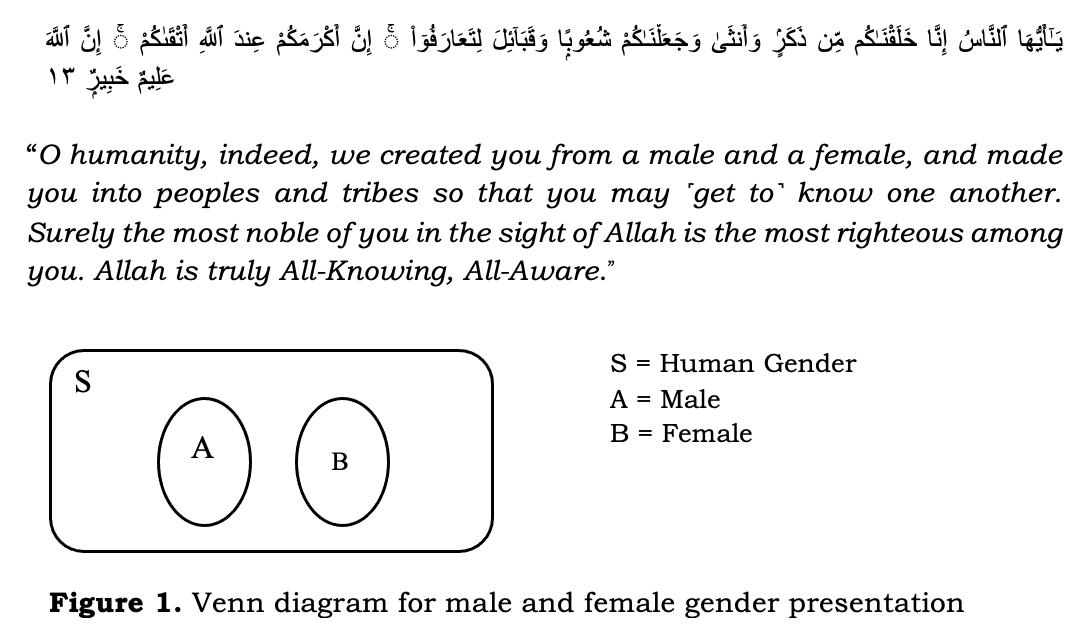
This study aims to identify and explain relevant verses of the Qur'an to be integrated into mathematics learning. We used a systematic literature review method to identify and to analyze previous studies. In this study, we collected relevant articles and then the articles were analyzed using a qualitative approach based on a content analysis. We successfully selected 10 research articles on the integration of the Qur'an verses in mathematics learning. The results of the study revealed that many mathematical concepts such as numbers, sets, geometry, sequence, logic, social arithmetic, and linear equation in one variable were found to be relevant to some Qur'an verses. Integrating the Qur'an in mathematics learning can foster students’ learning motivation and characters, such as obedient, fair, honest, and religious. It confirms that connecting mathematics with Islamic context not only enriches the learning process, but also fosters positive values in students and creates a more meaningful learning experience.
References
Ahmad, H., Febryanti, F., & Tasni, N. (2020). Integrasi Alquran pada mata kuliah trigonometri. Jurnal Pendidikan Matematika, 14(1), 25-38.
Aji, R. H. S. (2020). Matematika dalam rasionalitas Al-Qur’an: Bukti perenialisme atas nalar saintifik. Salam: Jurnal Sosial dan Budaya Syar-i, 7(9), 787–800. https://doi.org/10.15408/sjsbs.v7i9.16592
Akmansyah, M., Ramadhani, A., & Prawoto, A. (2025). Integrating spiritual and pedagogical strategies in tahfīdz Al-Qur’an education: A comparative study of two pesantren in Metro City, Lampung. Fikroh: Jurnal Pemikiran dan Pendidikan Islam, 18(1), 75–86.
Apriliana, F., Evendi, E., Fahrudin, F. A., & Pardi, M. H. H. (2025). Integration of Islamic values in mathematics learning: Case study of Miftahul Ishlah Islamic High School, Lombok. Jurnal Al-Muta`aliyah: Jurnal Pendidikan Guru Madrasah Ibtidaiyah, 5(1), 1–14. https://doi.org/10.51700/mutaaliyah.v5i1.909
Choirunnisa, A., Nurhanurawati, N., Dahlan, S., Choirudin, C., & Anwar, M. S. (2022). Development of Islamic value-based mathematics teaching materials to improve students’ understanding of mathematical concepts. Jurnal Analisa, 8(1), 11–20. https://doi.org/10.15575/ja.v8i1.17073
Diponegoro, A. M., Khalil, I. A., & Prahmana, R. C. I. (2024). When religion meets mathematics: From mathematical anxiety to mathematical well-being for minority group student. Infinity Journal : Journal of Mathematics Education, 13(2), 413–440. https://doi.org/10.22460/infinity.v13i2.p413-440
Farid, M. (2022). Al-Qur’an dan matematika. Jurnal Ilmiah dan Sosial, 2(23), 12.
Fitrah, M., & Kusnadi, D. (2022). Integration of Islamic values in teaching mathematics as a form of strengthening students’ character. Jurnal Eduscience, 9(1), 152–167.
Hasanah, N., Syaifuddin, M., Darmayanti, R., & In’am, A. (2022). Analysis of the need for mathematics teaching materials “Digital Comic based on Islamic Values” for Class X SMA students in Era 5.0. Numerical: Jurnal Matematika dan Pendidikan Matematika, 6(2), 231–240.
Lutfianto, M., & Sari, A. F. (2017). Respon siswa terhadap soal matematika mirip pisa dengan konteks berintegrasi nilai Islam. Jurnal Elemen, 3(2), 108-117.
Noperta, N. (2024). Analisis konsep matematika dalam Al-Quran. Jurnal Equation: Teori dan Penelitian Pendidikan Matematika, 6(1), 1-12.
Mutijah, M. (2018). Model integrasi matematika dengan nilai-nilai Islam dan kearifan lokal budaya dalam pembelajaran matematika. Jurnal Pendidikan Matematika, 1(2), 1-28.
Safitri, L. D., Trismurjani, E., Kamila, F. R., & Novianti, D. (2023). Penggunaan matematika dalam kalender Hijriyah. Prosiding Santika 3: Seminar Nasional Tadris Matematika UIN K.H. Abdurrahman Wahid Pekalongan, (pp. 496–505).
Sugiarto, F. (2025). Integration of Qur ’ an and Hadith values as pedagogical innovation to improve the quality of Islamic education. Qalamuna: Jurnal Pendidikan, Sosial, dan Agama, 17(1), 171–184. https://doi.org/10.37680/qalamuna.v17i1.6817
Suhandri, S., & Syahwela, M. (2024). Pengembangan bahan ajar matematika terintegrasi keislaman untuk menumbuhkan karakter siswa SMP. Jurnal Cendekia: Jurnal Pendidikan Matematika, 8(2), 926-937.
Sulasteri, S., Rahman, U., Wahyuni, S., & Sriyanti, A. (2020). Penerapan pendekatan SAVI dengan mengintegrasikan ayat-ayat Alquran ditinjau dari motivasi dan hasil belajar matematika siswa. Jurnal SMART (Studi Masyarakat, Religi, dan Tradisi), 5(2), 243–257. https://doi.org/10.18784/smart.v5i2.834
Syamsuar, S., Sulasteri, S., Suharti, S., & Nur, F. (2021). Bahan ajar matematika terintegrasi Islam untuk meningkatkan religiusitas dan hasil belajar siswa. Suska Journal of Mathematics Education, 7(1), 13-20.
Triono, M., & Santoso, B. (2024). Character development through religious education through mathematics education in elementary school. Qalam, 12(1), 57–62.
Umam, K., Suyanta, S., H, H., & Helmi. (2021). Eksplorasi konsep matematika dalam surat Al-Kahf. Jurnal Agama dan Sosial Humaniora, 9(2), 149-162.
Zahroh, F., & Faridah, S. (2019). The effect of the integration model of mathematics and the Quran on learning outcomes and motivation of PGMI students IAIN Madura. Proceeding of International Conference on Islamic Education (Vol. 4, pp. 27–31).
Downloads
Published
How to Cite
Issue
Section
License
Copyright (c) 2025 Kasman Kasman, Baharullah Baharullah, Andi Husniati

This work is licensed under a Creative Commons Attribution-ShareAlike 4.0 International License.
Authors who publish with this journal agree to the following terms:
- Authors retain copyright with the work simultaneously licensed under a Creative Commons Attribution License that allows others to share the work with an acknowledgement of the work's authorship and initial publication in this journal.
- Authors are able to enter into separate, additional contractual arrangements for the non-exclusive distribution of the journal's published version of the work (e.g., post it to an institutional repository or publish it in a book), with an acknowledgement of its initial publication in this journal.
- Authors are permitted and encouraged to post their work online (e.g., in institutional repositories or on their website) prior to and during the submission process, as it can lead to productive exchanges, as well as earlier and greater citation of published work (See The Effect of Open Access).