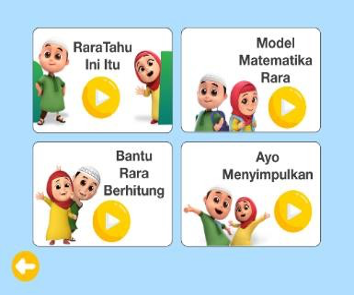
AljabarMath: The way to foster critical thinking ability
DOI:
https://doi.org/10.12928/ijei.v5i1.13679Keywords:
AljabarMath, critical thinking ability, learning mediaAbstract
Critical thinking ability are important for facing challenges in the 21st century. There are ways to foster critical thinking ability, one of which is through mathematics using learning media. This paper provides an overview of how to foster critical thinking ability, especially among students who used to learn media AljabarMath. This study aims to describe the level of students’ critical thinking ability in mathematics especially algebra subject grades VII SMP Negeri 10 Pontianak by using the AljabarMath. The method used is quantitative descriptive research. Data analysis was done to determine the percentage of critical thinking ability achieved based on indicators measured following the use of AljabarMath. The findings show that: 1) 68% of students were able to comprehend and articulate the purpose of a problem by identifying what was known and asked; 2) 64% of students were able to make a mathematical model in order to identify the relationship between statements, questions, and concepts given in the questions indicated.; 3) students who demonstrated the ability to assess the veracity of statements using the appropriate technique by 64%; and 4) students who demonstrated the ability to make accurate conclusions by taking into account pertinent information and the implications of a problem based on the available data by 62%. The utilization of AljabarMath can enhance students' critical thinking ability in algebra classes, according to the study's findings.
References
Agung, G. H., Amalia, I. R., Faizah, N. A., & Ardiansyah A. S. (2022). Problem based learning berbantuan scratch bernuansa etnomatematika cagar budaya kota semarang terhadap kemampuan berpikir kritis siswa. PRISMA Prosiding Seminar Nasional Matematika (pp. 670-675). Semarang State University.
Agus, I. & Purnama, A. N. (2022). Kemampuan berpikir kritis matematika siswa: studi pada siswa smpn satu atap. Jurnal Pendidikan Matematika Raflesia, 7(1), 65-74. https://doi.org/10.33369/jpmr.v7i1.20143
Andriani, P. (2015). Penalaran aljabar dalam pembelajaran matematika. Beta Jurnal Pendidikan Matematika, 8(1), 1-13.
Aulia, S., Zetriuslita, Amelia S., Qudsi, R. (2021). Analisis minat belajar matematika siswa dalam menggunakan aplikasi scratch pada materi trigonometri. Juring: Journal for Research in Mathematics Learning, 4(3), 205–214. http://dx.doi.org/10.24014/juring.v4i3.13128
Chen, H. L. & Chuang, Y. C. (2020). The effects of digital storytelling games on high school students' critical thinking skills. Journal of Computer Assisted Learning, 37(1), 265-274. https://doi.org/10.1111/jcal.12487
Chukwuyenum, A. N. (2013). Impact of critical thinking on performance in mathematics among senior secondary school students in Lagos State. IOSR Journal of Research & Method in Education, 3(5), 18–25. http://dx.doi.org/10.9790/7388-0351825
Damarjati, S. & Miatun, A. (2021). Pengembangan game edukasi berbasis android sebagai media pembelajaran berorientasi pada kemampuan berpikir kritis. ANARGYA: Jurnal Ilmiah Pendidikan Matematika, 4(2), 2615-4072. https://doi.org/10.24176/anargya.v4i2.6442
Facione, P. A. (2011). Critical thinking: What it is and why it counts. Insight Assessment, 1(1), 1-23.
Fridanianti, A., Purwati, H., & Murtianto, Y. H. (2018). Analisis kemampuan berpikir kritis dalam menyelesaikan soal aljabar kelas VII SMP Negeri 2 Pangkah ditinjau dari gaya kognitif reflektif dan kognitif impulsif. Jurnal Aksioma, 9(1), 11-20. https://doi.org/10.26877/aks.v9i1.2221
Gretter, S., & Yadav, A. (2016). ‘Computational thinking and media & information literacy: an integrated approach to teaching twenty first century skills. TechTrends, 60, 510-516. Springer. https://doi.org/10.1007/s11528-016-0098-4
Hikmah, N. & Kartika (2022). Analisis kemampuan berpikir kritis matematis siswa pada materi pecahan. Journal of Mathematics Education and Applied, 4(1), 88-94. https://doi.org/10.36655/sepren.v4i1
Hung, C.M., Hwang, G.J., & Huang, I. (2012). A project-based digital storytelling approach for improving students' learning motivation, problem-solving competence and learning achievement. Educational Technology & Society, 15(4), 368–379.
Jiang, B., & Li, Z. (2021). Effect of Scratch on computational thinking skills of Chinese primary school students. Journal of Computers in Education, 8(4), 505-525. https://doi.org/10.1007/s40692-021- 00190-z
Karim & Normaya (2022). Kemampuan berpikir kritis siswa dalam pembelajaran matematika dengan menggunakan model jucama di sekolah menengah pertama. EDU-MAT: Jurnal Pendidikan Matematika, 3(1), 92-104. http://dx.doi.org/10.20527/edumat.v3i1.634
Khalil, N. A. & Wardana, M. R. (2022). Pengembangan media pembelajaran matematika menggunakan aplikasi scratch untuk meningkatkan higher order thinking skill siswa sekolah dasar. Jurnal Kiprah Pendidikan, 1(3), 121-130. https://doi.org/10.33578/kpd.v1i3.45
Khasanah, B. A. & Ayu, I. D. (2018). Kemampuan berpikir kritis siswa melalui penerapan model pembelajaran brain based learning. Jurnal Eksponen, 7(2), 46-53. https://doi.org/10.47637/eksponen.v7i2.148
Lau, J. Y. F. (2011). An introduction to critical thinking and creativity: Think more, think better. John Wiley & Sons. http://dx.doi.org/10.1002/9781118033449
Munawaroh, I. (2009). Menumbuhkan keterampilan berpikir kritis siswa sd melalui penerapan pembelajaran tematik. Jurnal Majalah Ilmiah Pembelajaran, 2(6), 220.
NCTM (2008). Principles and Standar of School Mathematics. The National Council of Teacher of Mathematics.
Nizam. (2016). Ringkasan Hasil-hasil Asesmen Belajar dari Hasil UN, PISA, TIMSS, INAP. Puspendik Balitbang Kemdikbud.
Nurhatmanti, R., Lian B., & Dedy A. (2021). Analysis of students' higher order thinking skills (HOTS) in science subject Class V at SD Negeri 76 Palembang. Indonesian Journal of Primary Education, 5(2), 208-213. https://doi.org/10.17509/ijpe.v5i2.37107
Paul, R. and L. Elder. (2007). The Miniature Guide to Critical Thinking Concepts and Tools. Foundation for Critical Thinking.
Prihatini, E., Lestari, P. & Saputri, S. A. (2018). Meningkatkan Kemampuan Berpikir Kritis Matematis Menggunakan Pendekatan Open Ended. PRISMA Prosiding Seminar Nasional Matematika (pp. 58-64). Semarang State University.
Putri, A., Sumardani, D., Rahayu, W., & Hajizah, M. N. (2020). Kemampuan berpikir kritis matematis menggunakan model generative learning dan connecting, organizing, reflecting, extending (CORE). Jurnal Program Studi Pendidikan Matematika, 9(1), 108-117. https://doi.org/10.24127/ajpm.v9i1.2617
Rahardjoni, A. S., Hasanah, I. N., & Nugraheni, M. S. (2020). Developing critical thinking competence in algebraic thinking using augmented reality for junior high school. PRISMA Prosiding Seminar Nasional Matematika (pp. 497-503). Semarang State University.
Ropii, N., Hardyanto, W., & Ellianawati. (2019). Guided inquiry scratch increase students’ critical thinking skills in the linier motion concept: can it be?. Jurnal Penelitian dan Pengembangan Pendidikan Fisika, 5(1), 63-68. https://doi.org/10.21009/1.05107
Sugiyono. (2016). Metode penelitian pendidikan pendekatan kualitatif, kuantitatif dan R&D. Alfabeta.
Sukmawati, A. (2015). Berpikir aljabar dalam menyelesaikan masalah matematika. Math Didactic: Jurnal Pendidikan Matematika, 1(2), 88-93. https://doi.org/10.33654/math.v1i2.5
Syawaludin, A., Gunarhadi, Rintayati, P. & Subiyantoro, S. (2020). Preservice elementary school teachers’ need for interactive multimedia based on augmented reality in science learning. Proceedings of the 3rd International Conference on Learning Innovation and Quality Education (ICLIQE), pp. 2352-5398. https://doi.org/10.2991/assehr.k.200129.111
Ulva, P. (2018). Profil kemampuan berpikir kritis matematis siswa smp negeri pada materi sistem persamaan linier dua variabel (SPLDV). Jurnal Pendidikan Tembusai, 2(3), 944-952. https://doi.org/10.31004/jptam.v2i5.73
Wahyudi, M., Suwatno & Santoso, B. (2020). Kajian analisis keterampilan berpikir kritis siswa sekolah menengah batas. Jurnal Pendidikan Manajemen Perkantoran, 5(1), 67-82. https://doi.org/10.17509/jpm.v5i1.25853
Yulianisa, A. & Sudihartinih, E., (2022). Pengembangan media pembelajaran matematika materi perkalian aljabar berbasis aplikasi scratch. Jurnal Pendidikan Matematika Universitas Lampung, 10(2), 142-156. http://dx.doi.org/10.23960/mtk/v10i2.pp142-156
Yulhendri (2022). Peningkatan keterampilan tik guru dan pengayaan bahan ajar memanfaatkan media pembelajaran menggunakan scratch di igtki-pgri cengkareng Jakarta barat. Jurnal Adibas, 3(3), 599-606. https://doi.org/10.31004/abdidas.v3i3.631
Downloads
Published
How to Cite
Issue
Section
License
Copyright (c) 2024 Arfina Sukma Syaras, Ade Mirza, Nurfadilah Siregar, Dede Suratman

This work is licensed under a Creative Commons Attribution-ShareAlike 4.0 International License.
Authors who publish with this journal agree to the following terms:
- Authors retain copyright with the work simultaneously licensed under a Creative Commons Attribution License that allows others to share the work with an acknowledgement of the work's authorship and initial publication in this journal.
- Authors are able to enter into separate, additional contractual arrangements for the non-exclusive distribution of the journal's published version of the work (e.g., post it to an institutional repository or publish it in a book), with an acknowledgement of its initial publication in this journal.
- Authors are permitted and encouraged to post their work online (e.g., in institutional repositories or on their website) prior to and during the submission process, as it can lead to productive exchanges, as well as earlier and greater citation of published work (See The Effect of Open Access).