Fostering students' scientific and religious literacy through STREM-based transformative learning
DOI:
https://doi.org/10.12928/ijei.v6i1.13185Keywords:
Islamic education, religious literacy, scientific literacy, STREM-based learning, transformative learningAbstract
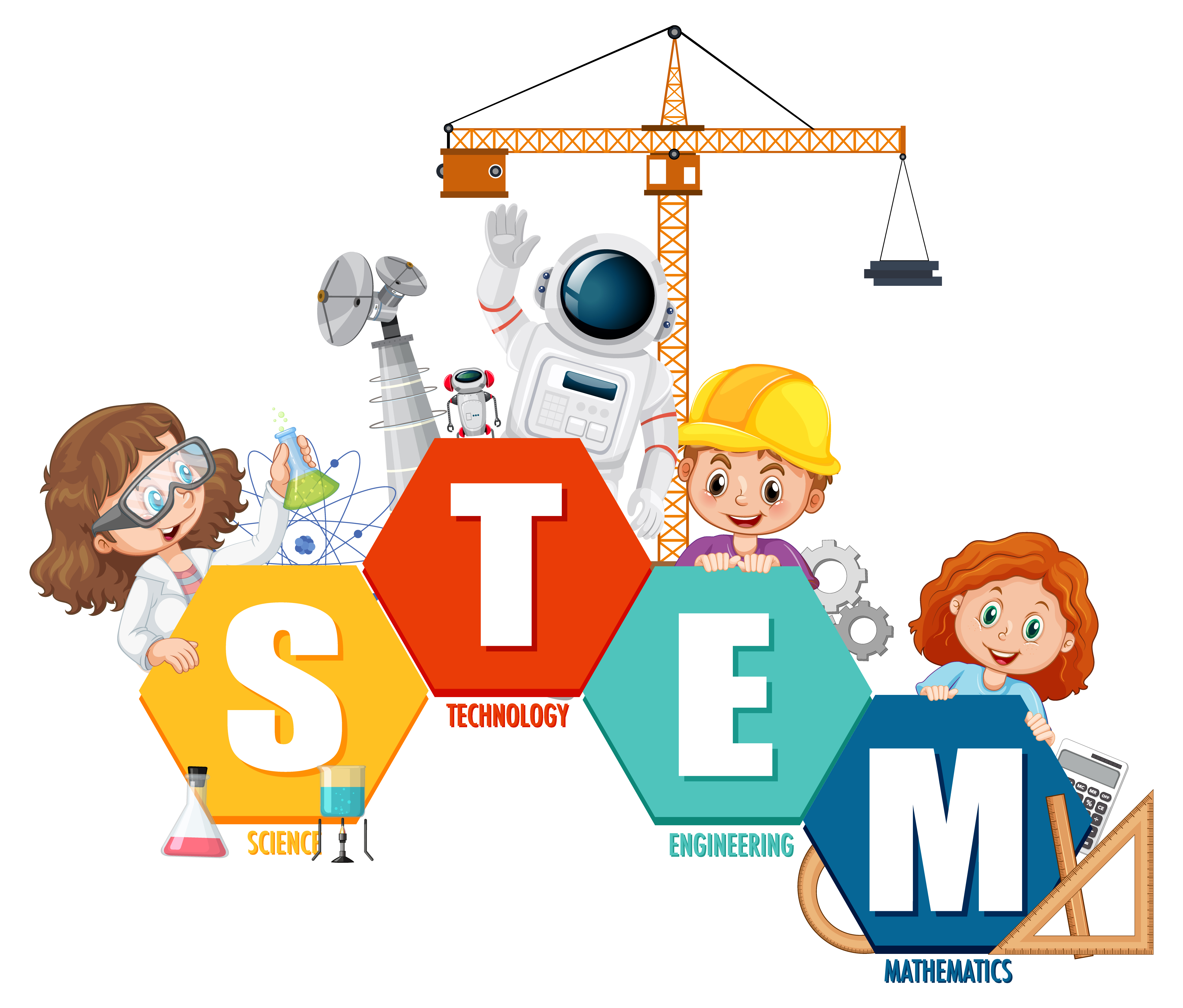
This study aims to examine the effectiveness of STREM-based learning in enhancing the students’ scientific and religious literacy in the Basic Natural Science course. STREM – which refers to science, technology, religion, engineering, and mathematics – was used to teach 30 second-year-students of Islamic Education study program at STIT Muhammadiyah Banjar – a private teacher training school in Indonesia. Adopting the mixed-method approach, we used the pre-test and post-test to collect the quantitative data, while the qualitative data were gathered through interviews, observations, and student reflections. The results showed significant improvements in students’ scientific literacy (scored from 62.35 to 78.20) and religious literacy (scored from 58.10 to 74.65). Thematic analysis revealed that STREM-based learning could foster students’ critical thinking and encouraged deep spiritual reflection by linking scientific content with Islamic values. The integration of science and religion created a transformative learning experience, making the course more engaging and meaningful. These findings suggest that the STREM approach can serve as an effective model in Islamic higher education to develop holistic student competencies.
References
Adiyono, A., Fitri, A. Z., & Al Matari, A. S. (2024). Uniting science and faith: A re-STEAM interdisciplinary approach in Islamic Education learning. International Journal of Social Learning (IJSL), 4(3), 332–355. https://doi.org/10.47134/ijsl.v4i3.281
Assalihee, M., Bakoh, N., Boonsuk, Y., & Songmuang, J. (2024). Transforming Islamic Education through lesson study (LS): A classroom-based approach to professional development in Southern Thailand. Education Sciences, 14(9). https://doi.org/10.3390/educsci14091029
Choeroni, C., Anwar, K., Sarjuni, S., & Nugroho, B. T. A. (2023). STEMR as an integrated method in learnings of religion and science at pesantren-based madrasa. Edukasi Islami: Jurnal Pendidikan Islam, 12(2), 531–542. https://doi.org/10.30868/ei.v12i02.4991
Falaq, Y., Putri, N. A., Sholeh, M., & Utomo, C. B. (2022). Teori pembelajaran transformatif pada Pendidikan IPS. Harmony: Jurnal Pembelajaran IPS dan PKN, 7(2), 90–97. https://doi.org/10.15294/harmony.v7i2.61711
Handayani, W., & Agustina, T. W. (2021). Panduan Penulisan Bahan Ajar IPA Berbasis STREM (Science, Technology, Religion, Engineering, and Mathematics). Sentra Publikasi Indonesia.
Hidayati, N., Khasanah, N., & Ahyana, S. S. (2024). Scientific literacy as a catalyst for bridging islamic beliefs and scientific rationality. Ushuluna: Journal Ilmu Ushuluddin, 10(1), 48–62. https://doi.org/10.15408/ushuluna.v10i01.
Mansir, F., Wadham, B., Busahdiar, B., Farihen, F., & Ikhsan, M. (2024). Harmonizing Islam, culture, and science education: Efforts to prevent the secularization of religious and general knowledge. Mimbar Agama Budaya, 41(1), 15–28. https://doi.org/10.15408/mimbar.v41i1.38908
Osborne, J., & Allchin, D. (2024). Science literacy in the twenty-first century: informed trust and the competent outsider. International Journal of Science Education, 1–22. https://doi.org/10.1080/09500693.2024.2331980
Pribadi, P. (2024). Ilmu Alamiah Dasar Terintegrasi Al-Quran Rumpun Ilmu Pendidikan. Harmoni Anak Negeri.
Pribadi, P., Jamali, A., Nurahman, A., Jufriansah, A., & Kartika, I. (2025). Exciting science learning in elementary schools with the STREM model : innovative integration for students. Research in Phyiscs Education, 3, 37–42.
Pribadi, P., & Widodo, H. (2025). STREM learning innovation based on generative AI in teaching basic natural sciences in higher education. Africa 7th International Conference on Scientific Researches, 74–79.
Sahil, J., Zubaidah, S., Corebima, A. D., Gofur, A., & Saefi, M. (2024). The practice of science and religion integration: Evidence from an Indonesian Islamic school. JPBI (Jurnal Pendidikan Biologi Indonesia), 10(1), 12–26. https://doi.org/10.22219/jpbi.v10i1.31020
Sanusi, I., Hasbiyallah, H., Ihsan, M. N., & Rahman, A. M. (2022). Inovasi pembelajaran science, technology, religion, engineering, art, and mathematics pada mata pelajaran pendidikan agama islam. Jurnal Perspektif, 6(2), 89. https://doi.org/10.15575/jp.v6i2.176
Sarwi, S., Marwoto, P., Susilaningsih, E., Lathif, Y. F., & Winarto, W. (2024). Science learning STEM-R approach: A study of students’ reflective and critical thinking. Journal of Education and Learning, 18(2), 462–470. https://doi.org/10.11591/edulearn.v18i2.21080
Downloads
Published
How to Cite
Issue
Section
License
Copyright (c) 2025 Pandu Pribadi, Ani Susanti

This work is licensed under a Creative Commons Attribution-ShareAlike 4.0 International License.
Authors who publish with this journal agree to the following terms:
- Authors retain copyright with the work simultaneously licensed under a Creative Commons Attribution License that allows others to share the work with an acknowledgement of the work's authorship and initial publication in this journal.
- Authors are able to enter into separate, additional contractual arrangements for the non-exclusive distribution of the journal's published version of the work (e.g., post it to an institutional repository or publish it in a book), with an acknowledgement of its initial publication in this journal.
- Authors are permitted and encouraged to post their work online (e.g., in institutional repositories or on their website) prior to and during the submission process, as it can lead to productive exchanges, as well as earlier and greater citation of published work (See The Effect of Open Access).