Developing a discovery-based guidebook for group guidance service to increase self-awareness
DOI:
https://doi.org/10.12928/ijei.v6i1.13183Keywords:
adolescent, discovery-based guidebook, discovery learning, group guidance, self-awarenessAbstract
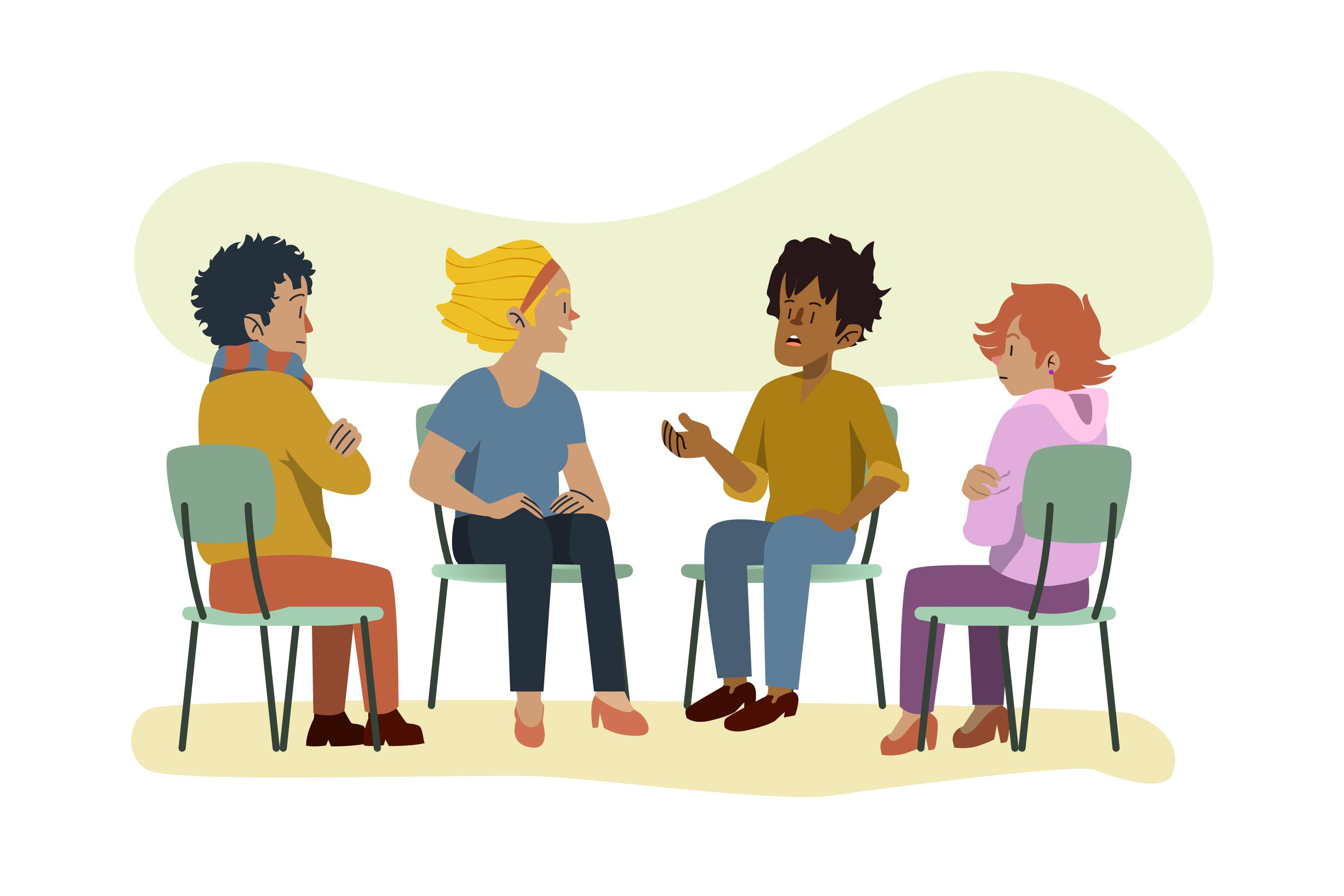
Education does not only focus on developing the cognitive aspects of students but also on their social and emotional dimensions. One of the main components of self-development is self-awareness, which will help individuals understand their potential, emotions, and behavior. As adolescents navigate a transitional phase that demands greater self-awareness, group guidance services offer structured support to foster this essential developmental skill. This study aims to develop a Group Guidance Service Guidebook for the Discovery Learning Method to increase Self-Awareness in adolescents. The method used is Research and Development (R&D), with a 4D development model that includes the Define, Design, Develop, and Disseminate stages. The results of the study indicate that the developed guidebook has been considered suitable for use as a guideline for guidance and counseling teachers in providing services to students at school. Assessments by material, media, and service experts show an Aiken Index of material of 0.83, media of 0.86, and service of 0.81, all of which are included in the high category. This guide demonstrates its effectiveness in enhancing adolescent self-awareness by incorporating the discovery learning approach, which promotes active participation, personal reflection, and self-directed learning.
References
Arkadiantika, I., Ramansyah, W., Effindi, M. A., & Dellia, P. (2020). Development of virtual reality learning media on the introduction of fiber optic termination and splicing material. Journal of Educational and Learning Dimensions, 8 (1), 29–36.
Dewinta, D. (2022). Implementation of Discovery Learning Strategy with Limited Face-to-Face Learning Demonstration Method for Music Arts Class IX-D at SMP Negeri 1 Arut Selatan. PhD Thesis. Indonesian Institute of the Arts Yogyakarta.
Dwianto, A. R. (2020). Kecanduan internet di RI meningkat lima kali lipat selama pandemi corona. Detik Health. https://health.detik.com/berita-detikhealth/d-5121236/kecanduan-internet-di-ri-meningkat-lima-kali-lipat-selama-pandemi-corona
Fatimah, A. N., & Azzahra, S. E. (2024). Improving self-awareness of junior high school students through islamic counseling guidance with the client-centered method. Pendekar: Journal of Character Education, 2(1), 254–261.
Firdaus, W., & Marsudi, M. S. (2021). Counseling adolescents addicted to gadgets through cognitive behavioral therapy. Studia: Journal of Student Research Results, 6 (1), 15–24.
Hafizha, R. (2021). Adolescent self-awareness profile. Journal of Education and Counseling (JECO), 2(1), 159–166.
Haviz, M. (2016). Research and development; innovative, productive, and meaningful research in the field of education. Ta'dib, 16(1).
Khasinah, S. (2021). Discovery learning: Definition, syntax, advantages and disadvantages. MUDARRISUNA Journal: Media for Islamic Religious Education Studies, 11(3), 402–413.
Mardes, S., Khadijah, K., & Arlizon, R. (2022). Guidance and counseling teachers' efforts to improve student discipline in the new normal era. Journal of Education and Counseling (JPDK), 4(1), 569–575.
Mustika, M. (2017). The relationship between self-awareness and discipline of class VIII students at SMP Wiyatama Bandar Lampung (correlational research in the field of personal guidance and counseling). PhD Thesis. UIN Raden Intan Lampung.
Nurachman, A. N., & Nashir, M. J. (2024). Implementation of discovery learning as an effort to improve the quality of education in schools. Didaktika: Journal of Education, 13(1), 943–950.
Patandung, Y. (2017). The influence of the discovery learning model on increasing students' science learning motivation. Journal of Educational Science and Technology, 3(1), 9–17.
Rahman, N., Dewi, N.K., & Nurhasanah, N. (2022). Development of pop-up book learning media in social studies subjects on indonesian cultural diversity material for Grade IV Students of SDN 15 Mataram. Scientific Journal of Educational Profession, 7 (3c), 1846–1852.
Saputro, K. Z. (2018). Understanding the characteristics and tasks of adolescent development. Aplikasia: Journal of Application of Religious Sciences, 17(1), 25–32.
Sholeha, D. (2021). Efforts to improve student learning outcomes through the discovery learning method. Indonesian Journal of Teacher Education, 2(1), 218–225.
Sinambela, P. (2017). Curriculum 2013 and its implementation in learning. Campus Generation, 6(2), 17–29.
Sukmadinata, NS (2015). Educational Research Methods (10th Edition). Remaja Rosdakarya.
Umami, M., & Rosdiana, A. M. (2022). Intensity of social media and self-awareness in adolescents. Journal of Psychology: Scientific Journal of the Faculty of Psychology, 9(1), 133–145.
Downloads
Published
How to Cite
Issue
Section
License
Copyright (c) 2025 Caraka Putra Bhakti, Jihan Setyaning Amalia

This work is licensed under a Creative Commons Attribution-ShareAlike 4.0 International License.
Authors who publish with this journal agree to the following terms:
- Authors retain copyright with the work simultaneously licensed under a Creative Commons Attribution License that allows others to share the work with an acknowledgement of the work's authorship and initial publication in this journal.
- Authors are able to enter into separate, additional contractual arrangements for the non-exclusive distribution of the journal's published version of the work (e.g., post it to an institutional repository or publish it in a book), with an acknowledgement of its initial publication in this journal.
- Authors are permitted and encouraged to post their work online (e.g., in institutional repositories or on their website) prior to and during the submission process, as it can lead to productive exchanges, as well as earlier and greater citation of published work (See The Effect of Open Access).