
Peer Review Process

How Our Peer Review Process Works

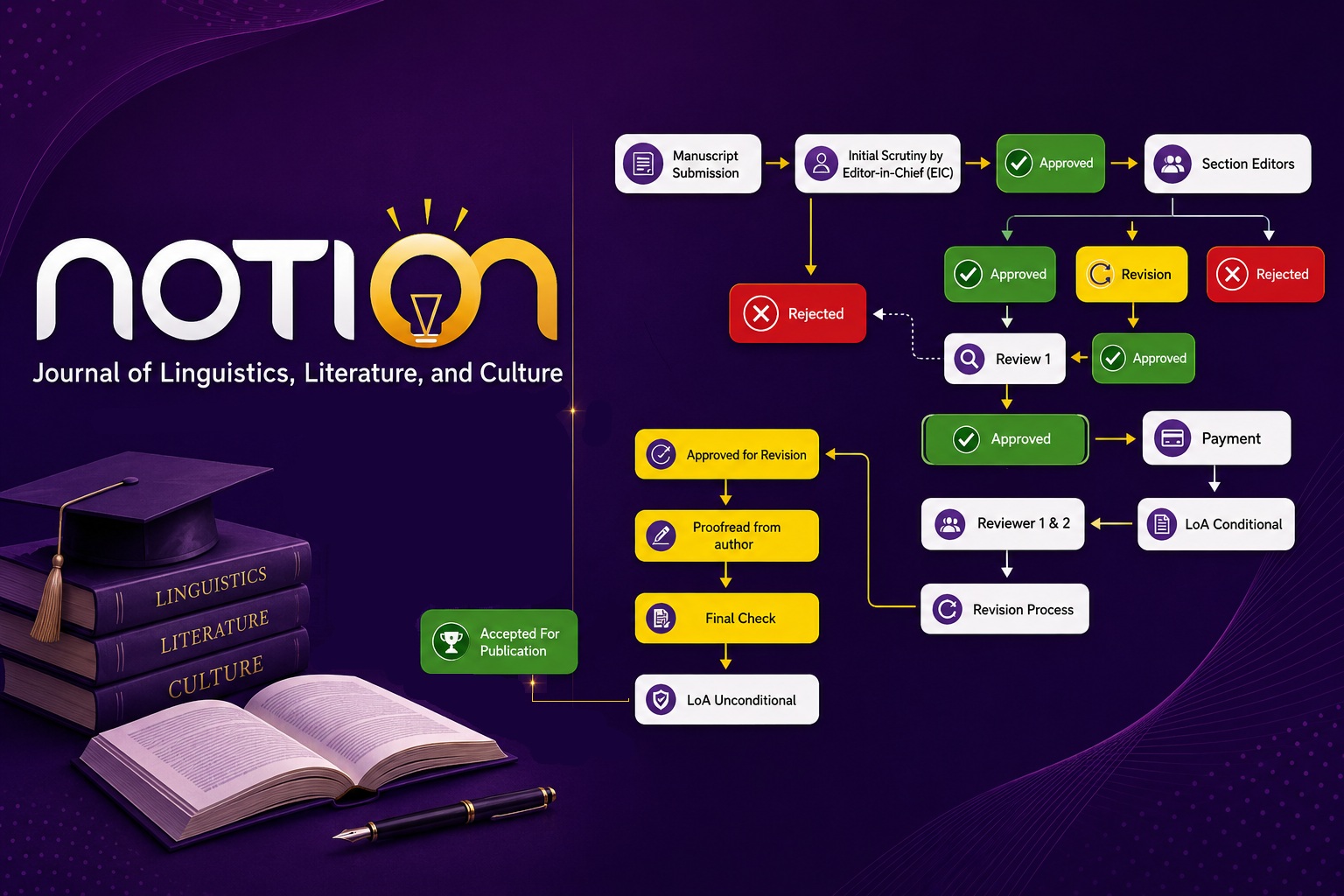
  1. The Kickoff: Initial Screening: First up, our Editor-in-Chief (EiC) gives your manuscript a rigorous first look. We make sure your research aligns perfectly with our journal's focus and scope. We also run a strict originality check (through Turnitin or iThenticate) and screen for any major methodological flaws. The Verdict: Your paper is either respectfully declined or green-lit for the official review stage!
  2. Round One: Double-Blind Review: If you pass the kickoff, a Section Editor steps in to champion your paper's journey. Your manuscript is sent out to our first round of expert reviewers. We keep things strictly double-blind! These reviewers dive deep into your work and give the Section Editor their recommendation: accept or reject.
  3. Green Light & Editorial Fee: Got the initial thumbs up? Awesome! At this stage, you'll receive a Conditional Letter of Acceptance (LoA). To keep the momentum going and cover the editorial process, authors just need to settle the publication fee. Once the payment is cleared, your paper instantly unlocks the next round of double-blind reviews.
  4. The Glow-Up: Revisions: Now it's time to level up your manuscript! You'll need to closely follow the reviewers' feedback to shape your paper into its absolute best form. Heads up: Time is of the essence! If you miss the Section Editor's deadline, decide to withdraw, or stop making revisions, the process will officially halt, and the editorial fee cannot be refunded. Stay on track!
  5. The Final Polish: Copyediting & Proofing: You are almost at the finish line. The Section Editor will send over the copyedited and proofread files. We’ll need the corresponding author to review everything, respond to any final queries, and take necessary actions to make the paper shine.
  6. The Golden Ticket: Boom! Once everything is perfectly polished and approved, we will officially issue your Unconditional LoA. You made it!
  7. Ready for the Spotlight: Your manuscript now heads straight into the layout editing phase. We prepare the camera-ready paper, and it’s officially ready to be published and shared with the world!.

Review Outcomes

Utilizing feedback from the peer review process, the Editor will make a final publication decision. Decisions categories include:

  • Reject - Rejected manuscripts will not be published and authors will not have the opportunity to resubmit a revised version of the manuscript to this journal.
  • Accept with Major Revision - The manuscript will be reviewed again after some major modifications are made.
  • Accept with Minor Revisions - Manuscripts receiving an accept-pending-revisions decision will be published in this journal under the condition that minor modifications are made. Revisions will be reviewed by an editor to ensure necessary updates are made prior to publication.
  • Accept - Accepted manuscripts will be published in the current form with no further modifications required.

Reviewers’ Responsibilities

If Journal Editor has invited you to review a manuscript, please consider the following items:

  • Reviewing manuscript critically but constructively and preparing detailed comments about the manuscript to help authors improve their research;
  • Reviewing multiple versions of a manuscript as necessary;
  • Providing all required information within established deadlines;
  • Making recommendations to the editor regarding the suitability of the manuscript for publication in the journal;
  • Declaring to the editor any potential conflicts of interest with respect to the authors or the content of a manuscript they are asked to review;
  • Reporting possible research misconducts;
  • Suggesting alternative reviewers in case they cannot review the manuscript for any reasons;
  • Treating the manuscript as a confidential document;
  • Not making any use of the work described in the manuscript;
  • Not communicating directly with authors, if somehow they identify the authors;
  • Not identifying themselves to authors;
  • Not passing on the assigned manuscript to another reviewer;
  • Ensuring that the manuscript is of high quality and original research;
  • Informing the editor if he/she finds the assigned manuscript is under consideration in any other publication to his/her knowledge;
  • Writing a review report in English only;
  • Authoring a commentary for publication related to the reviewed manuscript.

What should be checked while reviewing a manuscript?

  • Novelty;
  • Originality;
  • Scientific reliability;
  • A valuable contribution to scientific fields of language, literature and local culture;
  • Adding new aspects to the existed field of study;
  • Ethical aspects;
  • Structure of the article submitted and its relevance to authors’ guidelines;
  • References provided to substantiate the content;
  • Grammar, punctuation, and spelling;
  • Scientific misconduct.