ISSN: 2685-9572 Buletin Ilmiah Sarjana Teknik Elektro
Vol. 8, No. 4, August 2026, pp. 1207-1220
Performance Evaluation of a Rabbit Manure-Based Biogas Power System: Slurry Dynamics, Energy Yield, and Conversion Efficiency
As’ad Shidqy Aziz 1, Deshinta Arrova Dewi 2, Daeng Rahmatullah 3,
Muhammad ‘Izzuddin Al-Qassam 4, Ayusta Lukìta Wardani 5, Fithrotul Irda Amaliah 6,
Ridho Hendra Yoga Perdana 7, Onny Setyawati 8
1,3,4,5,6 Department of Electrical Engineering, Faculty of Vocational Studies, Universitas Negeri Surabaya, Surabaya, Indonesia
2 Department of Computer Science and Technology, Faculty of Data Science and Information Technology,
INTI International University, Negeri Sembilan, Malaysia
7 School of Information and Communication Engineering, Chungbuk National University, Chungcheongbuk-do,
Republic of Korea
8 Department of Electrical Engineering, Faculty of Engineering, Universitas Brawijaya, Malang, Indonesia
ARTICLE INFORMATION |
| ABSTRACT |
Article History: Received 25 May 2026 Revised 20 July 2026 Accepted 28 August 2026 |
| 
The increasing demand for sustainable energy has encouraged decentralized biogas-based power systems, yet a critical research gap remains regarding their field-scale integration and multi-parameter thermodynamic evaluations under real farming conditions. The research contribution is the field-scale operational integration and continuous performance evaluation of a 500 L rabbit manure biodigester coupled with a three-stage purification unit and a modified 1000 W generator set. Utilizing a transparent, reproducible mathematical framework, fresh rabbit manure was digested under a 37-day hydraulic retention time. Results revealed that the accumulated slurry occupied 35.5% of the biodigester volume, leaving 64.5% available as headspace for passive thermodynamic pressure management. The purified biogas successfully operated a 40 W barn lighting load for 12 h day⁻¹, generating a stable average electrical energy output of 0.485 kWh day⁻¹ and a specific energy yield of 0.202 kWh kg⁻¹ of fresh manure. The integrated system achieved a validated Specific Energy Consumption (SEC) value of 0.99 and an overall energy conversion efficiency of 64.7%. While this investigation is limited by its small-scale setup and a 31-day batch cycle, the practical implications demonstrate that this layout provides a viable, standalone template for circular waste management and rural energy independence, establishing an empirical baseline to motivate future automated or upscaled microgrid architectures. |
Keywords: Rabbit Manure; Biogas Power Generation; Renewable Energy; Biogas Purification; Waste Generation |
Corresponding Author: As’ad Shidqy Aziz, Department of Electrical Engineering, Universitas Negeri Surabaya, Indonesia. Email: asadaziz@unesa.ac.id |
This work is open access under a Creative Commons Attribution-Share Alike 4.0 
|
Document Citation: A. S. Aziz, M. ‘I. Al-Qassam, A. L. Wardani, F. I. Amaliah, R. H. Y. Perdana, and O. Setyawati, “Performance Evaluation of a Rabbit Manure-Based Biogas Power System: Slurry Dynamics, Energy Yield, and Conversion Efficiency,” Buletin Ilmiah Sarjana Teknik Elektro, vol. 8, no. 4, pp. 1207-1220, 2026, DOI: 10.12928/biste.v8i4.16870. |
INTRODUCTION
Rapid global population growth and industrial development have significantly increased energy demand worldwide. At the same time, the continued depletion of fossil fuel reserves and growing concerns about greenhouse gas emissions have accelerated the transition to renewable and sustainable energy sources [1]-[7]. In Indonesia, dependence on fossil fuels remains relatively high, while electricity distribution remains uneven, particularly in rural and agricultural areas. Rural energy studies show that limited or unreliable access to the electricity grid remains a major challenge, making renewable energy systems increasingly relevant for decentralized power generation [8]-[11]. Livestock operations located far from the main electricity grid often face limited energy access, particularly for nighttime lighting and operational activities. Consequently, the development of decentralized renewable energy systems that utilize local resources is increasingly important to support energy independence and environmental sustainability [12]-[16].
Among various renewable energy technologies, biogas has emerged as a promising solution because it simultaneously addresses waste management and energy generation challenges. Biogas is produced through the anaerobic digestion of organic materials by microorganisms under oxygen-free conditions [17]-[23]. The resulting gas mainly consists of methane ( ), carbon dioxide (
 ), hydrogen sulfide (
 ), and trace gases. Methane serves as the primary combustible component and determines the energy value of biogas [24]-[28]. Previous studies have demonstrated that biogas can be effectively utilized for electricity generation, cooking fuel, and heating applications. Furthermore, biogas technology contributes to reducing environmental pollution and greenhouse gas emissions associated with uncontrolled disposal of organic waste [29]-[32].
Livestock manure is one of the most utilized substrates for anaerobic digestion due to its high organic content and continuous availability. Most existing biogas applications have focused on cattle, pig, and poultry manure. However, rabbit manure has recently gained attention as a promising feedstock owing to its favorable biochemical characteristics. The rabbit manure was reported to contain up to 80% organic matter and possesses an optimal carbon-to-nitrogen (C/N) ratio of approximately 28.57, which is significantly higher than those of pig slurry approximately 14 and chicken dung approximately 11. These characteristics support microbial growth during anaerobic digestion and enhance methane production potential. In terms of biogas yield and hydraulic retention time (HRT), rabbit manure exhibited the highest performance, producing a biogas yield of 

 dry matter with a retention time of 37 days. This was followed by chicken manure, which generated
  dry matter within 27 days, and pig slurry, which yielded
  dry matter after 20 days. These results indicate that rabbit manure has a greater biogas production potential than chicken manure and pig slurry for renewable energy applications [33]-[36].
Several studies (Table 1) have investigated the utilization of rabbit manure for biogas production and energy generation. Bertholt et al. [33] characterized the biomethanization process of rabbit manure and reported methane concentrations reaching 58.61%. Androver et al. [37] evaluated the energy potential of rabbit manure in livestock applications and confirmed its high biogas productivity. Adriano et al. [37][38] developed a floating dome biodigester using rabbit manure and successfully operated a small-scale DC generator with an average electrical output of 31.66 W. In parallel, recent studies have emphasized the importance of biogas purification and upgrading to improve methane concentration and remove impurities such as and before combustion-based energy conversion. Activated carbon-based materials have been widely investigated for biogas refining due to their capability to adsorb acid gases and improve biogas quality, while broader upgrading technologies have been developed to support biomethane production and renewable energy utilization [39]-[42].
Despite these advancements, several research gaps remain (Table 1). First, previous studies have primarily focused on methane production characteristics and biodigester performance without comprehensively evaluating the relationship between slurry accumulation, biodigester headspace utilization, and electrical energy generation. Second, investigations concerning the long-term operational performance of rabbit manure-based biogas power systems under real farming conditions remain limited. Third, comprehensive assessments involving electricity generation performance, daily energy production, and overall system efficiency have not been sufficiently reported. Consequently, the practical feasibility of utilizing rabbit manure as a sustainable energy source for decentralized rural electrification has not yet been fully established.
Therefore, this study aims to evaluate the performance of a rabbit manure-based biogas power generation system developed for livestock housing applications in Prigen Village, Indonesia. The proposed system integrates a 500L biodigester; a three-stage biogas purification unit consisting of potassium hydroxide, activated carbon, and natural zeolite; and a modified generator set with a maximum capacity of 1000 W. The performance of the system is evaluated through slurry accumulation analysis, biodigester headspace utilization, electricity generation performance, and overall system efficiency.
The novelty of this research lies in the practical integration of rabbit manure anaerobic digestion, multi-stage chemical-physical biogas purification, and localized internal combustion electricity generation into a single standalone operational loop under actual livestock farming conditions. The research contribution is the empirical establishment of the quantitative relationships governing slurry accumulation dynamics, biodigester headspace utilization, and daily electrical conversion efficiencies over a continuous 31-day operational trial. These outputs provide smallholder farmers with a scalable engineering template to achieve rural energy independence and sustainable, circular waste management.
Table 1. Summary of previous studies related to rabbit manure-based biogas systems
Author | Feedstock | Main Findings | Limitation |
Bertholt et al. [33] | Rabbit manure | Methane concentration reached 58.61% | No electricity generation analysis |
Jasińska et al. [43] | Rabbit manure | Methane concentration reached 68.3–76.5 % | No electricity generation analysis |
Androver et al. [37] | Rabbit manure | High specific biogas and methane yields | Laboratory-scale evaluation |
Adriano et al. [38] | Rabbit manure | Operated a DC generator with 31.66 W output | Short operating duration |
This study | Rabbit manure | Integrated biogas-to-electricity system with efficiency evaluation | Practical field-scale implementation |
METHODS
Fermentation Process Duration
The duration of the anaerobic fermentation process is expressed as Hydraulic Retention Time (HRT), which is the average time the substrate remains in the biodigester during the organic matter degradation process [44][45]. HRT is an important parameter that influences the activity of anaerobic microorganisms, substrate degradation efficiency, and biogas production. An HRT that is too short can result in suboptimal organic matter conversion, while an HRT that is too long can reduce the operational efficiency of the biodigester. Based on research by Bertholt et al [33], optimum biogas production is achieved at an HRT of approximately 37 days. Therefore, an HRT of 37 days was used in this study to provide sufficient time for anaerobic microorganisms to optimally convert organic matter into biogas.
Required Biogas Reactor Volume
Biodigester volume is determined by considering the daily dry matter load and hydraulic retention time (HRT), which are recognized as critical design parameters affecting anaerobic digestion efficiency and biogas productivity. Recent studies have shown that optimizing HRT can significantly improve methane yield and process stability in livestock manure-based biodigesters [46].
| 
| (1) |
Where,  is the Required biodigester volume (),
  is the Daily dry matter loading rate (
 ), HRT is the Hydraulic retention time (
 ),
),  is the Dry matter concentration in slurry (
 )
)
The dry matter concentration in sludge () was calculated as the ratio of the daily dry matter load to the daily sludge volume. This study used a 1:1 ratio [47] with  of fresh rabbit manure and the addition of
 of water. Research conducted by Li et al. [48] stated that rabbit manure has a dry matter content of 41%. So, the total sludge produced contains 0.984 of dry matter in a total sludge volume of
  . Therefore, the dry matter concentration of the sludge is
  , equivalent to a total solid’s concentration of approximately 20.5%. The digester volume in this study was based on equation (1).
| 

|
|
Based on the calculation results, the minimum working volume of the biodigester required is 177.6 L. However, in practical biodigester designs, headspace is required for biogas accumulation and to avoid pressure fluctuations during the fermentation process. Several studies report that the headspace volume fraction in biodigesters is generally in the range of 30–50% of the total reactor volume to maintain operational stability and methane productivity [49].
Slurry Accumulation Dynamics
To investigate the material balance inside the biodigester, the accumulation of slurry was analyzed throughout the experimental period. This parameter reflects the residual organic matter retained in the system after anaerobic decomposition and biogas generation. The slurry accumulation dynamics were calculated using Equation (1) Slurry Accumulation Ratio.
| 
| (2) |
Where  is the total volume of the resulting slurry (),
  is the total volume of the biogas reactor unit ().
Based on the slurry feeding rate presented in Section 2.2, the total accumulated slurry during the 37-day hydraulic retention time (HRT) was 177.6 L. A biodigester with a total capacity of 500 L was therefore selected for this study. Using Equation (2), the slurry accumulation ratio was calculated to be 35.5%, indicating that 64.5% of the reactor volume remained available as headspace. This value exceeds the minimum recommended headspace requirement of 30–50% for anaerobic digesters, ensuring adequate space for biogas accumulation, preventing excessive pressure buildup, and supporting stable reactor operation throughout the digestion process [49].
Rabbit Manure Biogas Energy
The theoretical biogas energy production is strongly dependent on the daily input of fresh rabbit manure supplied to the biodigester. A higher manure loading rate increases the amount of biodegradable organic matter available for anaerobic digestion, thereby enhancing methane generation and overall biogas yield. Consequently, under stable operating conditions, the energy potential of the system is directly proportional to the quantity of fresh manure introduced into the reactor. The energy content of the produced biogas was calculated using the Lower Heating Value (LHV) approach, as expressed in Equation (3). The total biogas energy is obtained by multiplying the produced biogas volume by the corresponding LHV of the biogas. Since the calorific value of biogas mainly depends on its methane concentration, a higher methane fraction results in a greater energy potential.
| 
| (3) |
Where,  is the total energy contained in the produced biogas (
 ),
),  is the volume of biogas produced during the digestion process (),
  is the lower heating value of biogas (
 )
)
System Efficiency Analysis
The overall energy conversion efficiency of the rabbit manure-based biogas power generation system was evaluated by comparing the actual daily electrical energy output  with the theoretical energy potential
  . The theoretical energy potential was estimated based on the physicochemical characteristics of the substrate, including total solids content, specific biogas yield, methane concentration, and methane heating value. This approach provides an indication of how effectively the available biochemical energy was converted into usable electrical energy
| 
| (4) |
Biogas Power Plant System Design
The Biogas Power Generation System used in this study was designed as an integrated system consisting of four main parts: a biogas reactor unit, a biogas storage unit, a biogas purification unit, and a generator set. These four units are interconnected so that the biogas produced from the anaerobic fermentation process can be optimally utilized as fuel for power generation. The overall system schematic is shown in Figure 1.
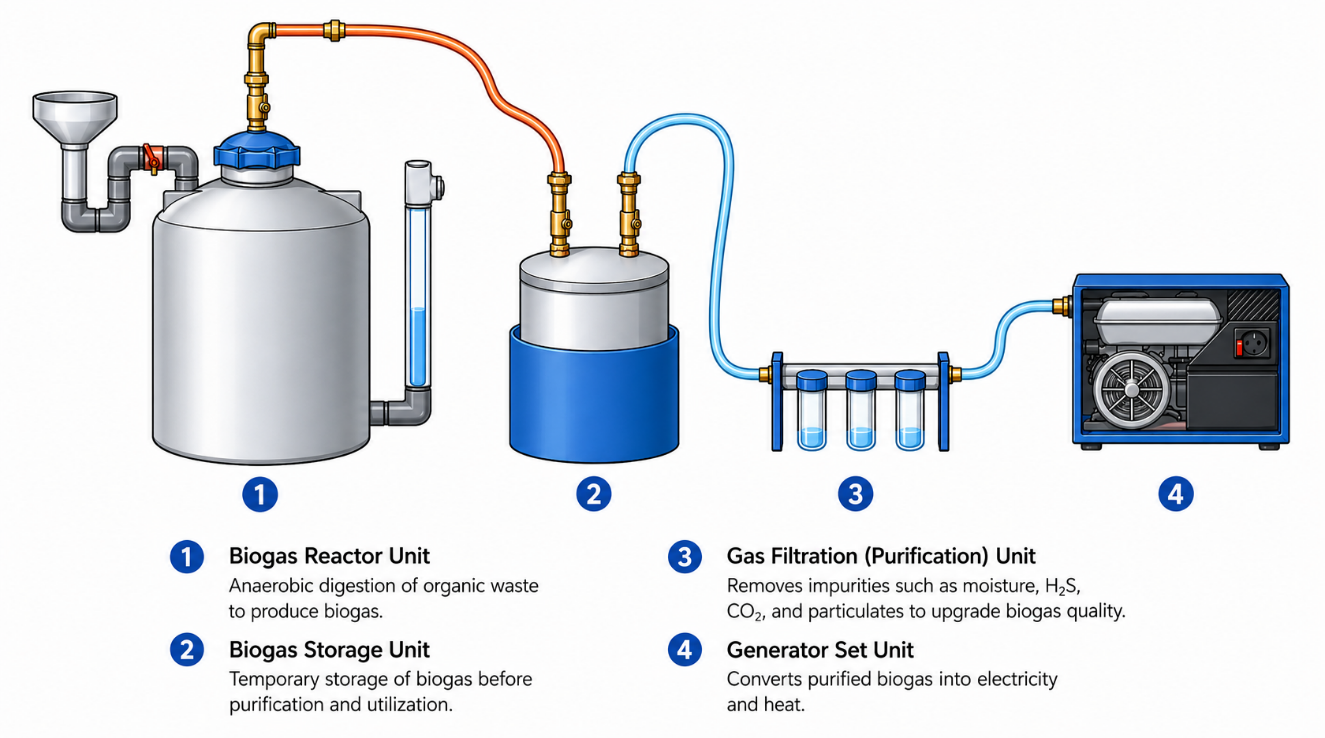
Figure 1. Design of an integrated Biogas Power Plant
- Biogas Reactor Unit
The biogas reactor unit functions as the site for the anaerobic fermentation of organic materials, producing biogas. In this study, biodigester with a total volume of 500 L was used to store the slurry resulting from mixing organic waste and water. In the reactor, the organic material is gradually decomposed by anaerobic microorganisms, producing gas dominated by methane () and carbon dioxide (). The 500 L reactor capacity was chosen because it is considered adequate for laboratory and pilot scale applications and can be used to evaluate the potential for biogas production from various types of slurry. The gas produced during the fermentation process collects at the top of the reactor and is then channeled to the biogas storage unit.
- Biogas Reactor Unit
A floating dome-type biogas storage tank is used as a biogas storage subsystem to temporarily store biogas prior to purification and utilization. The storage tank is designed with a diameter of 0.6 m, which corresponds to a cross-sectional area of approximately 
 . The floating dome configuration provides nearly constant gas pressure during operation, minimizing fluctuations in gas supply to the purification unit and downstream power generation. This storage unit serves two important functions. First, it acts as a buffer system, compensating for any discrepancies between biogas production and consumption levels. Second, it stabilizes the gas flow to the purification unit, thereby improving the overall efficiency of contaminant removal and generator operation.
- Gas Filtration Unit (Purification)
The biogas exiting the biodigester still contains several impurities, such as carbon dioxide (), hydrogen sulfide (), and water vapor ( ). These compounds can reduce the calorific value of biogas and cause corrosion in generator engine components if used directly. To reduce these impurities, a purification unit is used, consisting of a filter tube containing several adsorbent materials. The filter media used includes potassium hydroxide (
 ), coconut shell activated carbon, and natural zeolite. functions to absorb some of the gas, activated carbon is used to adsorb and odor-causing compounds, while zeolite plays a role in reducing water vapor and other particles still carried in the biogas flow. This purification process is expected to increase the methane content in the biogas, thereby improving fuel quality and improving the combustion process in the generator.
- Generator Set Unit
The purified biogas is then channeled to the generator set unit to be converted into electrical energy. The generator used is a small-scale internal combustion engine with a maximum power capacity of ≤1000 W. To use biogas as fuel, the generator was modified by installing a fuel conversion kit on the carburetor. During operation, the purified biogas is mixed with air and burned in the engine's combustion chamber. The heat energy from the combustion is converted into mechanical energy in the form of engine shaft rotation, which then drives an electric generator. This mechanical energy is then converted into electrical energy that can be used for household loads and other small-scale applications.
Calculation of Electrical Load Requirements
The electrical load used in this study can be seen in Table 2. Based on Table 2, the total electrical load power (P) required is  . Then, the total electrical energy required by a load of for 12 hours (night) is
  .
.
Table 2. Total Electrical Load Requirements
Load | Electric Power | Total Load | Operating Length |
Lamp | 5 Watt | 8 | 12 Hours |
Operational Procedures for Biogas Power Generation Systems
The designed biogas power generation system procedure aims to evaluate the feasibility of converting rabbit manure into electrical energy through an integrated anaerobic digestion and biogas-to-electricity process. The designed system consists of several stages, including raw material preparation, anaerobic digestion, biogas purification, electricity generation, and performance evaluation.
First, fresh rabbit manure is collected and mixed with water in a 1:1 ratio to produce a homogeneous slurry suitable for anaerobic digestion. The prepared slurry is then fed into a 500 L biodigester, where the biological process occurs under anaerobic conditions. During the digestion period, the organic matter is converted into methane-rich biogas. The resulting biogas is then collected in a gas receiver and fed to a purification unit containing potassium hydroxide (KOH), activated carbon, and natural zeolite to reduce carbon dioxide (), hydrogen sulfide (), and moisture impurities.
After the purification process, the upgraded biogas is fed to a modified generator for electricity generation. The electrical output is used to power a 40 W lighting load representing a livestock barn. Simultaneously, the digestate produced during the anaerobic digestion process is discharged through the digestate outlet and reused as organic fertilizer, supporting the circular economy concept in livestock farming. To assess the overall system performance, several operational parameters were monitored, including sludge accumulation, biogas production, voltage, current, electrical power output, daily energy yield, and energy conversion efficiency. The complete experimental workflow of the rabbit manure-based biogas power generation system is illustrated in Figure 2.
Spesific Energy Consumpstion (SEC)
Specific Energy Consumption (SEC) is used to compare the electrical energy consumed by the load to the energy generated by the biogas system. This parameter is an indicator of the system's energy efficiency, with a lower SEC value indicating more efficient system performance in converting biogas energy into usable energy.
| 
| (5) |
SEC value close to one indicates that the generated energy is almost entirely utilized by the load, while a value less than one indicates an energy surplus. Conversely, a value greater than one indicates that the generated energy is not yet sufficient to fully meet the load's needs.
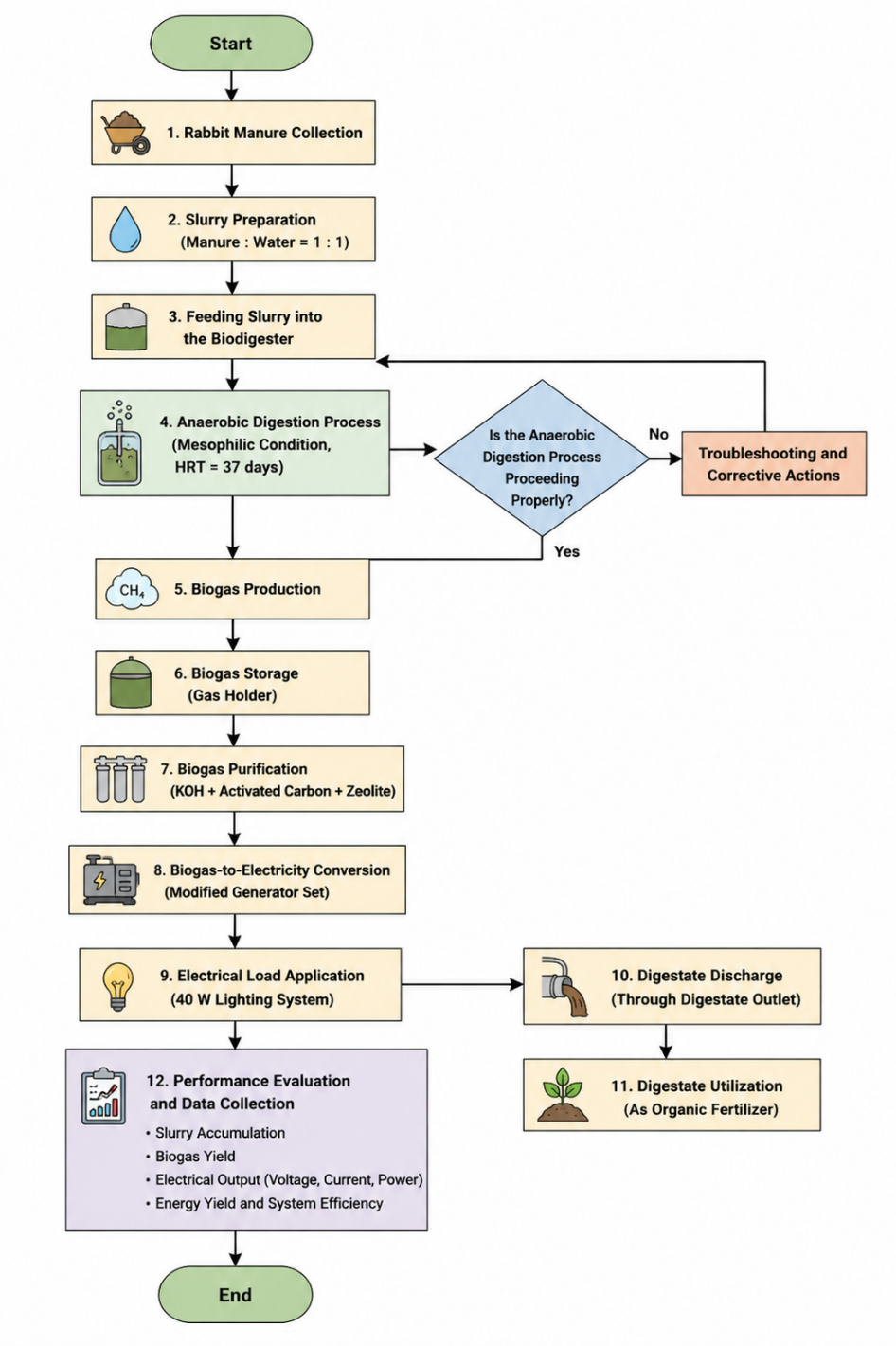
Figure 2. Workflow of The Rabbit Manure-Based Biogas Power Generation System
RESULT AND DISCUSSION
Slurry Production Analysis
The anaerobic digestion process was initiated by collecting  of fresh rabbit manure, which was subsequently diluted with water at a 1:1 ratio to produce a homogeneous slurry. Throughout the 37-day observation period, the slurry was continuously fed into a biodigester with a total capacity of 500 L. Based on the organic characteristics of rabbit manure and the design hydraulic retention time (HRT), the daily slurry feeding volume was determined using Equation (1), resulting in a feeding rate of
 . This feeding strategy ensured a stable substrate supply, maintained microbial activity, and supported continuous biogas production throughout the anaerobic digestion process.
Since the accumulated slurry volume occupied only 35.5% of the total biodigester capacity (500 L), approximately 64.5% of the reactor volume remained as headspace. This unoccupied volume served as a crucial biogas accumulation zone, allowing the generated gas to be safely stored during the anaerobic digestion process. Adequate headspace is essential for accommodating fluctuations in biogas production, preventing excessive pressure buildup, and ensuring stable reactor operation.
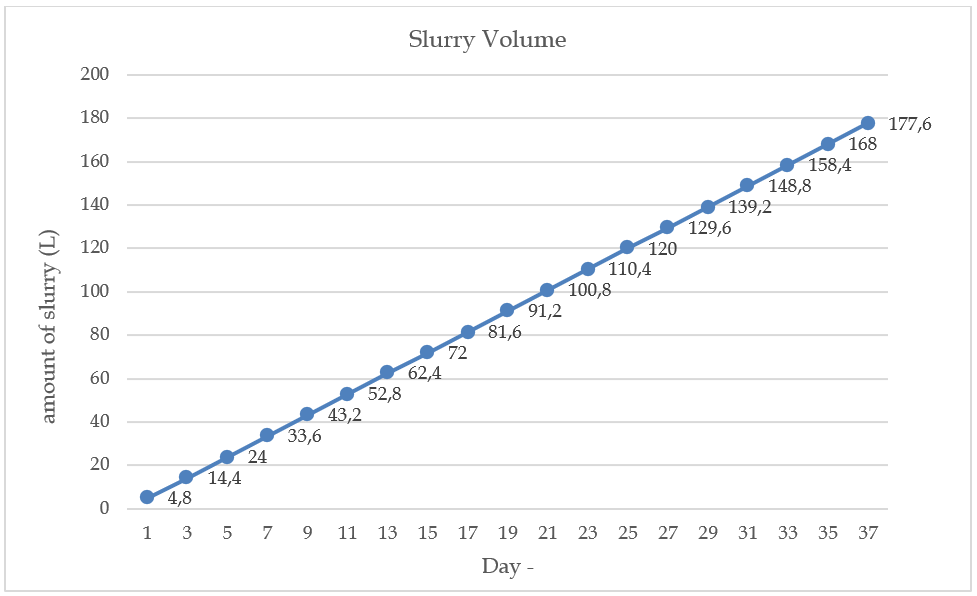
Figure 3. Slurry Volume Graph in Biogas Reactor During Fermentation Period
- Biogas Power Plant Performance and Generator Operational Duration
During the anaerobic fermentation process, the biodigester was operated under closed conditions to maintain biogas accumulation within the headspace and generate sufficient pressure for gas transportation without requiring external mechanical compression. The biodigester had a total volume of 500 L, consisting of a 177.5 L working volume filled with slurry and a 322.5 L headspace, representing 64.5% of the total reactor volume. The relatively large headspace served as a temporary biogas storage chamber and contributed to maintaining stable gas pressure during reactor operation. The produced biogas was subsequently directed to a purification system comprising KOH solution, activated carbon, and zeolite to reduce impurities and improve gas quality prior to utilization.
Following the purification process, the upgraded biogas was supplied to a gas-fueled generator set (genset) with a rated power of ≤1000 W equipped with a fuel conversion kit. The electrical performance of the biogas-powered generation system was evaluated using a 40 W barn lighting load. Key electrical parameters, including voltage, current, output power, and generator operating duration, were monitored daily throughout the experimental period. The recorded performance data are summarized in Table 3.
The biogas accumulated and stored in the biodigester headspace was able to operate the generator consistently to supply lighting power for 12 hours day⁻¹ throughout the 31-day trial period. Based on Table 3, the output voltage and current fluctuated within the ranges of 200–240 V and 0.174–0.191 A, respectively. These variations were primarily attributed to changes in biogas supply pressure from the biodigester, which directly affected the combustion characteristics and generator performance. The recorded peak power generation of up to 43.2 W occurred due to these transient voltage integration peaks (e.g., 240 V and 0.180 A on Day 24). The temporary surplus energy above the 40 W nominal load constraint was dissipated as internal thermal losses within the modified generator system and electrical system impedance. Despite these variations, the electrical power generated ranged from 37.6 to 43.2 W, demonstrating the ability of the biogas-fueled system to maintain stable electricity production in continuous operation. Furthermore, the daily electrical energy output varied between  and
and 
 , with an average value of
  . A graph of the electrical power generated can be seen in Figure 4. To provide a deeper evaluation of these dataset trends, a comparative analysis shows that this configuration maintains a significantly steadier voltage envelope than traditional open-loop small-scale biogas generators, which often experience rapid performance degradation due to gas impurities. The scientific implication of this stability confirms that optimizing the internal headspace to 64.5% serves as an effective passive thermodynamic buffer, regulating fuel delivery pressure without requiring complex and costly mechanical compression units. While the primary strength of this system is its high conversion efficiency and reliable power delivery under localized farming constraints, a notable limitation visible in the final days of Figure 4 is the gradual power decline, highlighting the potential slurry stratification inherent to semi-continuous feeding regimes without active mechanical stirring.
Table 3. Performance Test Data of Generator Sets with 40 Watt Lighting Load
Day to- | Installed Load (W) | Voltage (Volt) | Current (I) (Ampere) | Power Generated (P = V x I) | Operating Hours (Hour) | Power Generated per Day (E) (kWh) |
1 | 40 W | 220 V | 0.187 A | 41.14 W | 12 Hour | 0.494 kWh |
2 | 40 W | 220 V | 0.190 A | 41.8 W | 12 Hour | 0.502 kWh |
3 | 40 W | 220 V | 0.182 A | 40.04 W | 12 Hour | 0.485 kWh |
4 | 40 W | 240 V | 0.174 A | 41.76 W | 12 Hour | 0.501 kWh |
5 | 40 W | 230 V | 0.176 A | 40.48 W | 12 Hour | 0.486 kWh |
6 | 40 W | 220 V | 0.181 A | 39.82 W | 12 Hour | 0.478 kWh |
7 | 40 W | 215 V | 0.186 A | 39.99 W | 12 Hour | 0.48 kWh |
8 | 40 W | 210 V | 0.190 A | 39.9 W | 12 Hour | 0.479 kWh |
9 | 40 W | 200 V | 0.191 A | 38.2 W | 12 Hour | 0.458 kWh |
10 | 40 W | 220 V | 0.184 A | 40.48 W | 12 Hour | 0.486 kWh |
11 | 40 W | 220 V | 0.183 A | 40.26 W | 12 Hour | 0.483 kWh |
12 | 40 W | 220 V | 0.181 A | 39.82 W | 12 Hour | 0.478 kWh |
13 | 40 W | 230 V | 0.176 A | 40.48 W | 12 Hour | 0.486 kWh |
14 | 40 W | 220 V | 0.186 A | 40.92 W | 12 Hour | 0.491 kWh |
15 | 40 W | 240 V | 0.175 A | 42 W | 12 Hour | 0.504 kWh |
16 | 40 W | 210 V | 0.187 A | 39.27 W | 12 Hour | 0.471 kWh |
17 | 40 W | 230 V | 0.182 A | 41.86 W | 12 Hour | 0.502 kWh |
18 | 40 W | 220 V | 0.187 A | 41.14 W | 12 Hour | 0.494 kWh |
19 | 40 W | 200 V | 0.188 A | 37.6 W | 12 Hour | 0.451 kWh |
20 | 40 W | 230 V | 0.178 A | 40.94 W | 12 Hour | 0.491 kWh |
21 | 40 W | 210 V | 0.186 A | 39.06 W | 12 Hour | 0.469 kWh |
22 | 40 W | 220 V | 0.184 A | 40.48 W | 12 Hour | 0.486 kWh |
23 | 40 W | 230 V | 0.181 A | 41.63 W | 12 Hour | 0.499 kWh |
24 | 40 W | 240 V | 0.180 A | 43.2 W | 12 Hour | 0.518 kWh |
25 | 40 W | 215 V | 0.184 A | 39.56 W | 12 Hour | 0.475 kWh |
26 | 40 W | 220 V | 0.187 A | 41.14 W | 12 Hour | 0.494 kWh |
27 | 40 W | 210 V | 0.189 A | 39.69 W | 12 Hour | 0.476 kWh |
28 | 40 W | 230 V | 0.181 A | 41.63 W | 12 Hour | 0.499 kWh |
29 | 40 W | 220 V | 0.185 A | 40.7 W | 12 Hour | 0.488 kWh |
30 | 40 W | 210 V | 0.190 A | 39.9 W | 12 Hour | 0.479 kWh |
31 | 40 W | 200 V | 0.190 A | 38 W | 12 Hour | 0.456 kWh |
The output voltage and current fluctuated within the ranges of  and
and  , respectively. These variations were primarily attributed to changes in biogas supply pressure from the biodigester, which directly affected the combustion characteristics and generator performance. In addition, minor variations in electrical load behavior and fuel flow rate may have contributed to fluctuations in the measured electrical parameters. Nevertheless, the relatively narrow range of variation indicates that the biogas production system was able to provide a sufficiently stable fuel supply for continuous small-scale electricity generation.
The energy yield of the developed biogas power generation system was evaluated by relating the average daily electrical energy output to the amount of rabbit manure fed into the biodigester. Based on the experimental results, the system produced an average electrical energy output of from a daily feedstock input of of fresh rabbit manure. Accordingly, the energy yield was calculated as follows:
| 
|
|
The obtained energy yield of 
 indicates that each kilogram of fresh rabbit manure was capable of generating approximately
  of electrical energy through the anaerobic digestion and biogas-to-electricity conversion processes. This parameter provides a useful indicator for evaluating the energy recovery potential of rabbit manure and enables direct comparison with other organic feedstocks used in biogas-based power generation systems. The results demonstrate that rabbit manure can serve as a promising renewable biomass resource for small-scale electricity production, particularly in livestock farming areas where manure is continuously available.
As shown in Figure 4, the electrical power generated by the generator set exhibited a consistent decline from day 28 to day 31. By day 32, the generator could no longer be operated due to an insufficient biogas supply to sustain stable combustion. This trend indicates that the anaerobic digestion process had approached the effective limit of the substrate’s hydraulic retention time (HRT), resulting in a reduction in the availability of readily biodegradable organic matter. Consequently, methanogenic activity and methane production gradually decreased, leading to lower biogas yields and reduced electrical power output. Therefore, the results presented in Figure 3 suggest that the optimal operational period for electricity generation occurred before day 32, when biogas production remained sufficient to maintain stable generator performance.
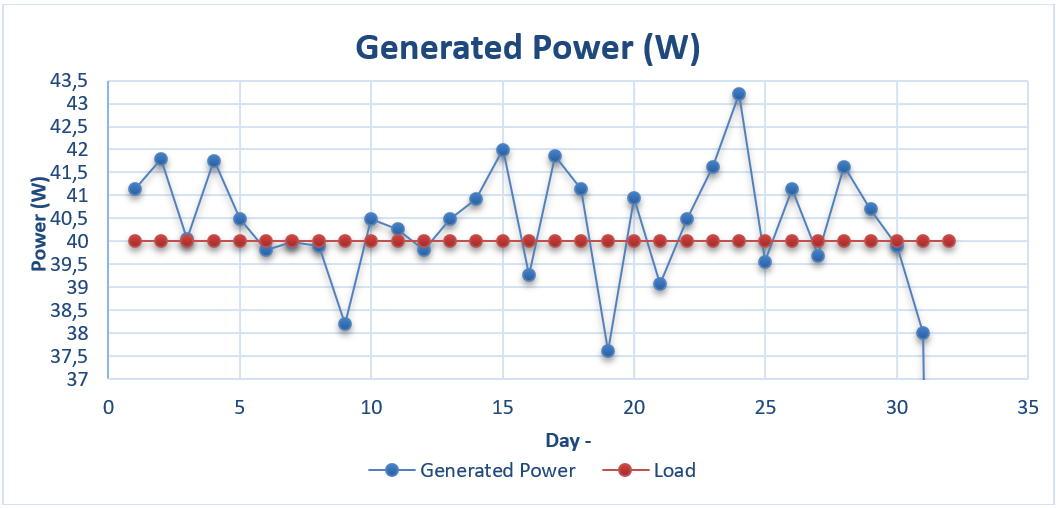
Figure 4. The power generated by the generator set from biogas
Specific Energy Consumption (SEC)
Based on the results presented in Table 3, the generator set produced an average electrical power output of 0.48 kW. This value was used to evaluate the energy performance of the proposed biogas-powered electricity generation system. Specifically, Specific Energy Consumption (SEC) was calculated using Equation (5), which relates the electrical energy generated to the amount of biogas consumed during system operation. The SEC parameter provides an important indicator for assessing the efficiency and energy utilization performance of the developed biogas-to-electricity conversion system.
| 
|
|
A Specific Energy Consumption (SEC) value of 0.99 indicates that the energy consumed by the load accounts for 99% of the total energy produced by the biogas system. This indicates excellent load matching, as energy production is almost entirely utilized by the load without generating a significant energy surplus. Therefore, the designed system capacity is adequate for the energy needs of the load being served. From an energy sustainability perspective, an SEC value close to one indicates that the system is self-sustaining with a high energy utilization rate. However, the relatively small reserve energy margin indicates that an increase in load or a decrease in biogas production can directly impact the system's ability to meet energy needs. Therefore, increasing biogas storage capacity or optimizing the purification process can be considered to provide more adequate energy reserves under fluctuating operating conditions.
System Efficiency Analysis
Based on a daily rabbit manure input of 
 and a total solids content of 41%, the biodigester received approximately 0.984 kg TS
  . Using a specific biogas yield of 0.109
  TS, the theoretical biogas production was estimated at 0.107 . According to Jasińska et al. [28], methane accounted for approximately 68% of the total biogas volume, resulting in a methane production of 0.073 . Considering a methane density of 0.716
  and a lower heating value of 51.9
  [50], the theoretical energy potential was calculated using Equation (3) to be 2.71
  ., equivalent to 0.75 .. This value represents the maximum recoverable energy from the rabbit manure feedstock under ideal conversion conditions.
If the actual electrical energy produced is:
and biogas theoretical energy:
then the efficiency of the system based on Equation (4) is calculated as:
The actual electrical energy generated by the rabbit manure-based biogas power generation system was  , whereas the theoretical energy potential was estimated at
  . Based on these values, the overall system efficiency reached 64.7%. This result indicates that approximately 64.7% of the theoretical methane energy potential was successfully converted into usable electrical energy, demonstrating an effective energy conversion performance for a small-scale biogas power generation system.
CONCLUSIONS
This study successfully validated a decentralized rabbit manure-based biogas power system using the reproducible mathematical framework established in this work. Operating under a 40 W lighting load constraint for 12 hour , the system achieved a 64.7% overall energy conversion efficiency and a Specific Energy Consumption (SEC) of 0.99, yielding an average output of  (
(  ). The newly formulated theoretical contribution of this work identifies that optimizing the volumetric headspace ratio to 64.5% provides critical passive thermodynamic pressure management, which effectively dampens daily gas production fluctuations and ensures stable generator combustion without requiring complex, costly mechanical compression units. Furthermore, this research contributes vital new knowledge by empirically proving that rabbit manure offers superior mesophilic methane conversion pathways compared to conventional cattle or swine dung under real-world farming environments. Practically, it provides smallholder communities with a tangible template for circular waste management and micro-grid energy independence.
However, the authors honestly acknowledge that this study is limited by its small-scale application (500 L reactor) and a short 31-day batch cycle, which did not capture long-term slurry degradation profiles or seasonal ambient temperature impacts. To address these gaps and motivate future research, future work must focus on developing continuous-stirred tank reactor (CSTR) architectures with automated loading, investigating real-time chemical degradation kinetics, and integrating IoT-based automated methane logging. Scaling up to a 5,000 L community microgrid and establishing multi-seasonal techno-economic grid parity models are highly recommended to support wider commercial adoption.
DECLARATION
Sustainable Development Goals
Affordable and Clean Energy (SDG 7), and Industry, Innovation and Infrastructure (SDG 9)
Author Contribution
All authors contributed equally to the main contributor to this paper. All authors read and approved the final paper.
Conflicts of Interest
The authors declare no conflict of interest regarding the publication of this paper.
REFERENCES
- M. M. Rahman and F. Begum, "Prospect of renewable energy resources in Bangladesh," International Journal of Power Electronics and Drive Systems, vol. 12, no. 3, pp. 1804-1812, Sep. 2021, https://doi.org/10.11591/ijpeds.v12.i3.pp1804-1812.
- S. K. Kyei, H. K. Boateng, and A. J. Frimpong, "Renewable energy innovations: fulfilling SDG targets," Clean Energy, vol. 9, no. 2, pp. 190-203, Apr. 2025, https://doi.org/10.1093/ce/zkae109.
- D. Streimikiene, T. Baležentis, A. Volkov, M. Morkūnas, A. Žičkienė, and J. Streimikis, "Barriers and Drivers of Renewable Energy Penetration in Rural Areas," Energies (Basel)., vol. 14, no. 20, 2021, https://doi.org/10.3390/en14206452.
- R. Delfianti, V. A. Tazayul, B. Mustaqim, F. Nusyura, and C. Harsito, "Internet of Things (IoT) Based Electrical Power Monitoring System for Solar Power Plants Using Telegram Application," Vokasi Unesa Bulletin of Engineering, Technology and Applied Science, vol. 2, no. 3, pp. 428-443, Aug. 2025, https://doi.org/10.26740/vubeta.v2i3.39405.
- R. F. Raja Abd Jalil et al., "Advancing climate change impact assessment on global hydropower systems: Methodologies, models, and recommendations," Renewable and Sustainable Energy Reviews, vol. 226, p. 116364, 2026, https://doi.org/10.1016/j.rser.2025.116364.
- A. Q. Al-Shetwi, "Sustainable development of renewable energy integrated power sector: Trends, environmental impacts, and recent challenges," Science of The Total Environment, vol. 822, p. 153645, 2022, https://doi.org/10.1016/j.scitotenv.2022.153645.
- O. Candra, A. Chammam, J. R. N. Alvarez, I. Muda, and H. Ş. Aybar, "The Impact of Renewable Energy Sources on the Sustainable Development of the Economy and Greenhouse Gas Emissions," Sustainability, vol. 15, no. 3, 2023, https://doi.org/10.3390/su15032104.
- J. M. Weinand et al., "Global LCOEs of decentralized off-grid renewable energy systems," Renewable and Sustainable Energy Reviews, vol. 183, p. 113478, 2023, https://doi.org/10.1016/j.rser.2023.113478.
- S. Setiyono, E. Syahrul, and D. Nur'ainingsih, "Design and Control of a Seaweed Dryer Prototype using a Hybrid Power Source," Vokasi Unesa Bulletin of Engineering, Technology and Applied Science, vol. 3, no. 1, pp. 88-101, Jan. 2026, https://doi.org/10.26740/vubeta.v3i1.44016.
- R. Arief and M. I. F. Maulana, "Current and Voltage Monitoring in Wind Power Plants Using ESP8266 And Node-Red," Vokasi Unesa Bulletin of Engineering, Technology and Applied Science, pp. 72-80, Dec. 2024, https://doi.org/10.26740/vubeta.v1i2.35429.
- S. Kolosok, Y. Bilan, T. Vasylieva, A. Wojciechowski, and M. Morawski, "A Scoping Review of Renewable Energy, Sustainability and the Environment," Energies (Basel)., vol. 14, no. 15, 2021, https://doi.org/10.3390/en14154490.
- R. Ranganathan, S. Subbaram, G. Indira, N. Arul Arasi, and S. Tharmar, "A Comparative Study of Renewable Energy Sources for Power Generation in Rural Areas," in E3S Web of Conferences, EDP Sciences, 2023. https://doi.org/10.1051/e3sconf/202338705011.
- Y. Luka, H. A. Saddiq, A. M. Abubakar, and N. A. Naandeti, "Excel Solver Aided Biogas Kinetics Computation for Varied Ratio Co-digestion of Cassava Peels with Chicken Manure," Vokasi UNESA Bulletin of Engineering, Technology and Applied Science, vol. 2, no. 3, pp. 489-502, Aug. 2025, https://doi.org/10.26740/vubeta.v2i3.38630.
- M. R. Khan and S. Dhakal, “Do experts and stakeholders perceive energy security issues differently in Bangladesh?,” Energy Strategy Reviews, vol. 42, p. 100887, 2022, https://doi.org/10.1016/j.esr.2022.100887.
- N. Sunday Ugwuanyi, N. C. Ugwuoke, and P. I. Obi, "Impact of Grid-Scale Solar Photovoltaic Integration on Power System Performance," Vokasi Unesa Bulletin of Engineering, Technology and Applied Science, vol. 2, no. 2, pp. 189-198, Jun. 2025, https://doi.org/10.26740/vubeta.v2i2.35474.
- N. Chothani et al., "Improving microgrid reliability and performance by implementing novel optimizing strategies for renewable energy and storage devices," Energy Nexus, vol. 21, p. 100671, 2026, https://doi.org/10.1016/j.nexus.2026.100671.
- M. J. B. Kabeyi and O. A. Olanrewaju, "Biogas as a Sustainable Fuel and Feedstock: Properties, Purification, and Applications," in From Biomass to Biobased Products, 2024, https://doi.org/10.5772/intechopen.114268.
- C. A. Sevillano, A. A. Pesantes, E. Peña Carpio, E. J. Martínez, and X. Gómez, "Anaerobic Digestion for Producing Renewable Energy-The Evolution of This Technology in a New Uncertain Scenario," Entropy, vol. 23, no. 2, 2021, https://doi.org/10.3390/e23020145.
- T. Kunatsa and X. Xia, "A Review on Anaerobic Digestion With Focus on the Role of Biomass Co-Digestion, Modelling and Optimisation on Biogas Production and Enhancement," Bioresource technology, vol. 344, p. 126311, 2022, https://doi.org/10.1016/j.biortech.2021.126311.
- M. Farghali, A. I. Osman, K. Umetsu, and D. W. Rooney, "Integration of Biogas Systems Into a Carbon Zero and Hydrogen Economy: A Review," Environmental chemistry letters, vol. 20, no. 5, pp. 2853-2927, 2022, https://doi.org/10.1007/s10311-022-01468-z.
- Q. Meng, H. Liu, H. Zhang, S. Xu, É. Lichtfouse, and Y. Yun, "Anaerobic Digestion and Recycling of Kitchen Waste: A Review," Environmental Chemistry Letters, vol. 20, no. 3, pp. 1745-1762, 2022. https://doi.org/10.1007/s10311-022-01408-x.
- D. Mignogna, P. Ceci, C. Cafaro, G. Corazzi, and P. Avino, "Production of Biogas and Biomethane as Renewable Energy Sources: A Review," Applied Sciences (2076-3417), vol. 13, no. 18, p. 10219, 2023, https://doi.org/10.3390/app131810219.
- J. de D. M. Ufitikirezi et al., "Agricultural Waste Valorization: Exploring Environmentally Friendly Approaches to Bioenergy Conversion," Sustainability, vol. 16, vol. 9, p. 3617, 2024, https://doi.org/10.3390/su16093617.
- B.-K. Ahn, T.-H. Kim, J. Seon, S.-K. Park, and Y.-M. Yun, "Mill Scale Addition to Reduce Hydrogen Sulfide Production in Anaerobic Digestion," Energies (Basel)., vol. 14, no. 20, 2021, https://doi.org/10.3390/en14206542.
- A. A. Werkneh, "Biogas Impurities: Environmental and Health Implications, Removal Technologies and Future Perspectives," Heliyon, vol. 8, no. 10, 2022, https://doi.org/10.1016/j.heliyon.2022.e10929.
- Y. C. Alvarez, R. J. Borges, C. D. P. Vidal, F. M. C. Leon, J. S. P. Buendia, and J. A. S. Nolasco, "Design Improvements and Best Practices in Small-Scale Biodigesters for Sustainable Biogas Production: A Case Study in the Chillon Valley, Perú," Energies (Basel)., vol. 18, no. 2, 2025, https://doi.org/10.3390/en18020338.
- M. K. Jameel et al., "Biogas: Production, properties, applications, economic and challenges: A review," Results Chem., vol. 7, p. 101549, 2024, https://doi.org/10.1016/j.rechem.2024.101549.
- L. Pera, M. Gandiglio, P. Marocco, D. Pumiglia, and M. Santarelli, "Trace contaminants in biogas: Biomass sources, variability and implications for technology applications," J. Environ. Chem. Eng., vol. 12, no. 6, p. 114478, 2024, https://doi.org/10.1016/j.jece.2024.114478.
- V. Mozhiarasi and T. S. Natarajan, "Slaughterhouse and poultry wastes: management practices, feedstocks for renewable energy production, and recovery of value added products," Biomass conversion and biorefinery, vol. 15, no. 2, pp. 1705-1728, 2025, https://doi.org/10.1007/s13399-022-02352-0.
- M. J. B. Kabeyi, O. A. Olanrewaju, and J. Akpan, "Biogas Production and Process Control Improvements," in From Biomass to Biobased Products, 2024, https://doi.org/10.5772/intechopen.113061.
- D. Mignogna, P. Ceci, C. Cafaro, G. Corazzi, and P. Avino, "Production of Biogas and Biomethane as Renewable Energy Sources: A Review," Applied Sciences, vol. 13, no. 18, 2023, https://doi.org/10.3390/app131810219.
- R. A. Ishwarya, U. Danya, and M. Kamaraj, "Renewable Feedstocks in Green Synthesis," in Organic Compounds, Polymers, Carbon-Based Materials, Dyes and Pigments, pp. 135-162, 2026, https://doi.org/10.1515/9783111673431-004.
- S. S. H. Bertholt et al., "Characterization of Wet Mesophilic Biomethanization of Three Types of Materials: Chicken Dung, Rabbit Poop and Pig Slurry," International Journal of Sustainable and Green Energy, vol. 10, no. 4, pp. 145-154, 2021, https://doi.org/10.11648/j.ijrse.20211004.14.
- R. Kadam, S. Jo, J.-H. Lee, K. Khanthong, H. Jang, and J. Park, "A Review on the Anaerobic Co-Digestion of Livestock Manures in the Context of Sustainable Waste Management," Energies, vol. 17, no. 3, p. 546, 2024, https://doi.org/10.3390/en17030546.
- K. Tonhauzer, L. Zetochová, and J. Szemesová, "The Emission from Rabbits Breeding in Slovakia," Agriculture, vol. 13, no. 8, 2023, https://doi.org/10.3390/agriculture13081468.
- H. B. Sogang Segning, J. K. Tangka, B. Merlain Djousse Kanouo, H. G. Djoukeng, N.-K. Tchoumboue, and R. Tchamda, "In-situ biogas enrichment using generated photovoltaic hydrogen," Fuel, vol. 351, p. 128997, 2023, https://doi.org/10.1016/j.fuel.2023.128997.
- M. E. Adrover, I. Cotabarren, E. Madies, M. Rayes, S. B. Rodriguez Reartes, and M. Pedernera, "Anaerobic co-digestion of rabbit manure and sorghum crops in a bench-scale biodigester," Bioresour. Bioprocess., vol. 7, no. 1, Dec. 2020, https://doi.org/10.1186/s40643-020-00327-5.
- A. J. Adriano, "Biogas Digester for Power Generation using Rabbit Manure as Feedstock: Design, Fabrication, and Evaluation," Southeast Asian Journal of Agriculture and Allied Sciences, vol. 5, no. 1, pp. 21-34, Apr. 2025, https://doi.org/10.63943/sajaas.vol5iss1art59pp21-34.
- R. Swinbourn, C. Li, and F. Wang, "A Comprehensive Review on Biomethane Production from Biogas Separation and its Techno-Economic Assessments," ChemSusChem, vol. 17, no. 19, p. e202400779, Oct. 2024, https://doi.org/10.1002/cssc.202400779.
- R. Cesar et al., "Biogas Refining: A Review on Advances in Metal-Oxide-Modified Activated Carbon for H2S and CO2 Removal," Energy & Fuels, vol. 39, no. 1, pp. 39-71, Jan. 2025, https://doi.org/10.1021/acs.energyfuels.4c03493.
- P. Marchiori et al., "Global trends and challenges in biogas purification and CO2 capture for renewable energy and climate mitigation," Biofuels, Bioproducts and Biorefining, vol. 19, no. 6, pp. 2474-2494, Nov. 2025, https://doi.org/10.1002/bbb.2805.
- R. Iglesias et al., "Biogas from anaerobic digestion as an energy vector: Current upgrading development," Energies, vol. 14, no. 10, p. 2742, 2021, https://doi.org/10.3390/en14102742.
- A. Jasińska, A. Grosser, and E. Meers, "Possibilities and Limitations of Anaerobic Co-Digestion of Animal Manure-A Critical Review," Energies, vol. 16, no. 9, p. 3885, 2023, https://doi.org/10.3390/en16093885.
- C. A. Sevillano, A. A. Pesantes, E. Peña Carpio, E. J. Martínez, and X. Gómez, "Anaerobic digestion for producing renewable energy-the evolution of this technology in a new uncertain scenario," Entropy, vol. 23, no. 2, p. 145, 2021, https://doi.org/10.3390/e23020145.
- T. Kunatsa and X. Xia, "A review on anaerobic digestion with focus on the role of biomass co-digestion, modelling and optimisation on biogas production and enhancement," Bioresour. Technol., vol. 344, p. 126311, 2022, https://doi.org/10.1016/j.biortech.2021.126311.
- A. Parajuli, A. Khadka, L. Sapkota, and A. Ghimire, "Effect of Hydraulic Retention Time and Organic-Loading Rate on Two-Staged, Semi-Continuous Mesophilic Anaerobic Digestion of Food Waste during Start-Up," Fermentation, vol. 8, no. 11, Nov. 2022, https://doi.org/10.3390/fermentation8110620.
- G. P. Jeppu, J. Janardhan, S. Kaup, A. Janardhanan, S. Mohammed, and S. Acharya, "Effect of feed slurry dilution and total solids on specific biogas production by anaerobic digestion in batch and semi-batch reactors," J. Mater. Cycles Waste Manag., vol. 24, no. 1, pp. 97-110, Jan. 2022, https://doi.org/10.1007/s10163-021-01298-1.
- R. Li, H. Hao, H. Sun, L. Wang, and H. Wang, "Composted Rabbit Manure as Organic Matrix for Manufacturing Horticultural Growing Media: Composting Process and Seedling Effects," Sustainability (Switzerland), vol. 14, no. 9, May 2022, https://doi.org/10.3390/su14095146.
- M. Q. Orlando, "Design Implications of Headspace Ratio VHS/Vtot on Pressure Stability, Gas Composition and Methane Productivity-A Systematic Review," Energies, vol. 19, no. 1, p. 193, 2026, https://doi.org/10.3390/en19010193.
- M. Mollanoori and A. A. Dehghan, "Estimating the higher heating value and chemical exergy of solid, liquid, and natural gas fossil fuels," Energy, vol. 302, p. 131835, 2024, https://doi.org/10.1016/j.energy.2024.131835.
As’ad Shidqy Aziz (Performance Evaluation of a Rabbit Manure-Based Biogas Power System: Slurry Dynamics, Energy Yield, and Conversion Efficiency)