ISSN: 2685-9572 Buletin Ilmiah Sarjana Teknik Elektro
Vol. 8, No. 4, August 2026, pp. 1221-1235
Fostering Critical Thinking, Creativity, Communication, and Collaboration through Project-Based Learning in Vocational Education: A Systematic Literature Review
Nova Kristiana 1, Ekohariadi 1, Ratna Suhartini 1, Indro Moerdisuroso 2, Bing Bedjo Tanudjaja 3,
Ahmad Sofiyuddin Bin Mohd Shuib 4
1 Vocational Education, Postgraduate Program, Universitas Negeri Surabaya, Surabaya, Indonesia
2 Faculty of Languages and Arts, Universitas Negeri Jakarta, Jakarta, Indonesia
3 Petra Christian University, Surabaya, Indonesia
4 Universiti Teknologi Mara, Cawangan Perak, Kampus Seri Iskandar, Malaysia
ARTICLE INFORMATION |
| ABSTRACT |
Article History: Submitted 16 April 2026 Revised 10 August 2026 Accepted 31 August 2026 |
| 
This study examines how Project-Based Learning (PjBL) has been implemented to support the development of 4C competencies, critical thinking, creative thinking, communication, and collaboration, within vocational education contexts. Beyond identifying reported learning outcomes, this review contributes by synthesizing the instructional elements, implementation patterns, and supporting frameworks that characterize successful PjBL practices across recent studies. This study employed a PRISMA-based Systematic Literature Review of 19 Scopus-indexed articles published between 2021 and 2025. The review process consisted of article identification, screening, eligibility assessment, data extraction, and thematic synthesis based on predefined inclusion and exclusion criteria. The findings indicate that PjBL is consistently associated with the development of 4C competencies through the use of authentic projects, workplace-related learning tasks, and student-centered activities. Across the reviewed studies, several recurring elements were identified as important for effective implementation, including authentic problem-solving, collaboration and teamwork, student voice and choice, inquiry processes, reflection and feedback, public presentation of project outcomes, and technology-supported learning environments. The review also found that quantitative research designs were most frequently used to investigate 4C skill development. Furthermore, the framework proposed by Jang, Yusri, and Mustapha emerged as a useful reference for organizing PjBL implementation through structured project planning, execution, and evaluation stages. In conclusion, the reviewed literature suggests that PjBL represents a promising pedagogical approach for supporting 4C competency development in vocational education. The study provides a synthesized set of implementation elements and framework considerations that may inform future research and instructional design in vocational learning environments. |
Keywords: 4C Skills; Project-Based Learning; Student; Systematic Literature Review; Vocational High School |
Corresponding Author: Nova Kristiana, Universitas Negeri Surabaya, Jl. Prof. Moch Yamin, Ketintang, Gayungan District, Surabaya, East Java 60231, Indonesia. Email: novakristiana@unesa.ac.id |
This work is licensed under a Creative Commons Attribution-Share Alike 4.0 
|
Document Citation: N. Kristiana, E. Ekohariadi, R. Suhartini, I. Moerdisuroso, B. B. Tanudjaja, and A. S. B. M. Shuib, “Fostering Critical Thinking, Creativity, Communication, and Collaboration through Project-Based Learning in Vocational Education: A Systematic Literature Review,” Buletin Ilmiah Sarjana Teknik Elektro, vol. 8, no. 4, pp. 1221-1235, 2026, DOI: 10.12928/biste.v8i4.16415. |
- INTRODUCTION
The development of a skilled and adaptable workforce has become a major priority in vocational education as industries increasingly demand graduates who possess not only technical expertise but also higher-order thinking and interpersonal competencies. Vocational High Schools (SMKs), as institutions oriented toward workforce preparation, are expected to equip students with the ability to solve problems critically, communicate effectively, collaborate in teams, and generate innovative solutions in response to workplace challenges [1]. However, vocational education continues to face several challenges, including the integration of technology into authentic industrial simulations, the alignment of learning activities with industry practices, and the development of non-technical competencies alongside technical skills [2]. Addressing these challenges requires learning approaches that can simultaneously support knowledge acquisition and competency development. One pedagogical approach that has received considerable attention in this context is Project-Based Learning (PjBL). As a student-centered constructivist model, PjBL emphasizes learning through authentic projects, inquiry activities, and real-world problem-solving experiences that resemble industrial workflows and professional practices [3].
PjBL is particularly relevant to the development of 4C competencies, namely Critical Thinking, Creativity, Communication, and Collaboration. Through project activities that involve identifying problems, evaluating alternatives, and making evidence-based decisions, students are encouraged to develop critical thinking skills [4]. Creativity is fostered through opportunities to design innovative products, generate original ideas, and adapt solutions to contextual challenges. Communication skills are developed through project reporting, presentations, and interactions among team members and stakeholders. Furthermore, collaborative project work requires students to coordinate responsibilities, manage conflicts, and achieve common goals, thereby strengthening teamwork and collaboration competencies [5]. However, the characteristics of vocational education differ from those of general and higher education because vocational learning emphasizes practical application, workplace simulation, and competency-based assessment. Consequently, findings from non-vocational contexts cannot always be directly generalized to vocational education settings. In addition, existing studies often focus on overall learning outcomes rather than examining how specific instructional elements of PjBL contribute to the development of individual 4C competencies. As a result, educators still have limited synthesized evidence regarding which project design features, instructional practices, and implementation frameworks are most frequently associated with successful 4C skill development in vocational education.
Several review studies have examined PjBL in relation to student achievement, STEM learning, and twenty-first-century skills. Nevertheless, existing reviews generally provide broad discussions of learning outcomes across multiple educational contexts and rarely focus specifically on vocational education or on the instructional elements that support the development of the four 4C competencies. Moreover, limited attention has been given to synthesizing implementation characteristics, pedagogical frameworks, and methodological trends within recent vocational education research. This limitation creates a need for a focused review that examines how PjBL is implemented in vocational learning environments and identifies recurring factors associated with 4C competency development.
Therefore, this Systematic Literature Review (SLR) synthesizes evidence from recent studies on PjBL implementation in vocational education. Rather than evaluating causal effectiveness or establishing prescriptive recommendations, this review aims to identify research trends, implementation patterns, instructional elements, and conceptual frameworks reported in the literature. Specifically, the study examines publication characteristics, methodological approaches, implementation strategies, and supporting factors associated with the development of Critical Thinking, Creativity, Communication, and Collaboration skills.
The research contribution of this study is threefold. First, it provides a focused synthesis of recent PjBL research within vocational education contexts, distinguishing findings from broader educational settings. Second, it identifies and categorizes key instructional elements that are consistently reported as supporting 4C competency development. Third, it maps the implementation frameworks and methodological approaches used in recent studies, thereby offering a consolidated evidence base that can support future research, curriculum development, and instructional design in vocational education.
- METHODS
This study employed a Systematic Literature Review (SLR) to synthesize existing evidence regarding the implementation of Project-Based Learning (PjBL) for developing Critical Thinking, Creativity, Communication, and Collaboration (4C) skills in vocational education. The review followed the Preferred Reporting Items for Systematic Reviews and Meta-Analyses (PRISMA 2020) guidelines to ensure a transparent and replicable process of literature identification, screening, eligibility assessment, and synthesis. Unlike narrative reviews, the SLR approach provides a structured procedure for identifying relevant studies, minimizing selection bias, and synthesizing evidence from multiple sources systematically.
The review focused on identifying implementation patterns, instructional elements, methodological approaches, and conceptual frameworks reported in studies examining PjBL and 4C competency development. The analysis did not seek to estimate a pooled effect size but rather to synthesize recurring themes and implementation characteristics reported across the literature.
- Database Sources
Scopus was selected as the primary database because of its broad coverage of peer-reviewed international journals and its extensive indexing of educational and vocational education research. Although Web of Science is also recognized as a major bibliographic database, this study focused on Scopus to ensure consistency in the search process and to obtain a manageable corpus of high-quality publications. This decision may limit database coverage; therefore, the findings should be interpreted within the scope of the selected database.
- PRISMA Protocol
The review process followed the PRISMA 2020 framework, which provides standardized reporting procedures for systematic reviews. The protocol guided the stages of identification, screening, eligibility assessment, and final inclusion of studies. The use of PRISMA enhanced transparency by documenting the number of articles retained and excluded at each stage of the review process.
- Identification and Screening
The literature search was conducted in the Scopus database using combinations of keywords related to Project-Based Learning and 4C competencies. The search query was structured using Boolean operators as follows: ("Project-Based Learning" OR PjBL) AND ("4C Skills" OR "Critical Thinking" OR Creativity OR Communication OR Collaboration) AND ("Vocational Education" OR "Vocational High School" OR TVET)
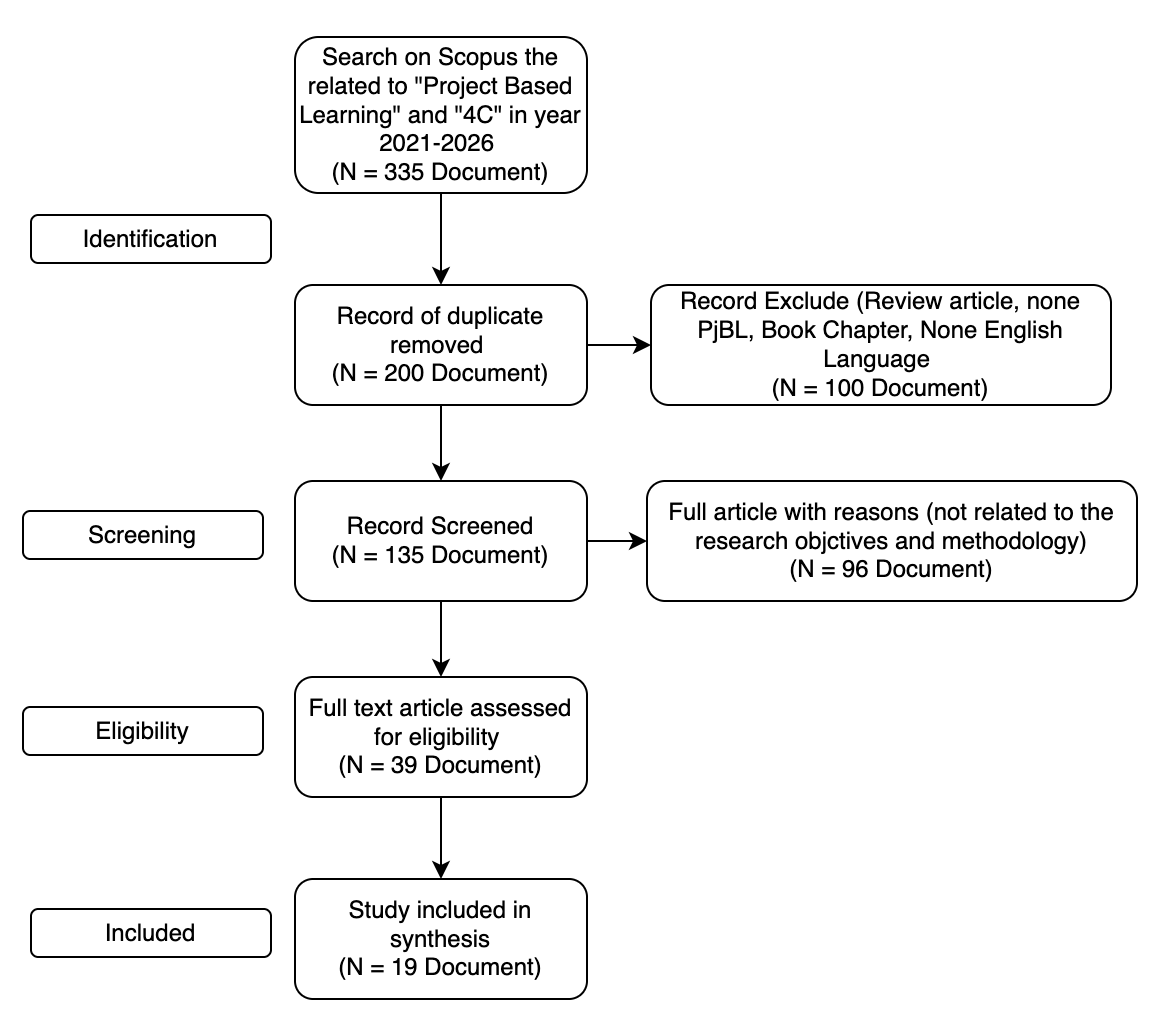
The search was limited to English-language journal articles published between 2021 and 2025 to capture recent developments in vocational education research. The search was performed in the title, abstract, and keyword fields. The identification stage yielded 335 records. After removing duplicate records (n = 200), 135 articles remained for screening. During the screening stage, 96 articles were excluded because they did not meet the inclusion criteria regarding topic relevance, educational context, or document type. Consequently, 39 full-text articles were assessed for eligibility [7].
- Extraction, Synthesis and Eligibility
A full-text review was conducted on the remaining 39 articles. Twenty articles were excluded because they did not directly address PjBL implementation for 4C competency development, lacked sufficient methodological information, or did not align with the objectives of the review. As a result, 19 articles were included in the final synthesis.
Data extraction was conducted using a structured review matrix containing information on publication year, research objectives, educational context, research methodology, targeted 4C competencies, implementation characteristics, and key findings. To improve consistency, articles were reviewed systematically according to predefined extraction categories.
The synthesis process employed thematic analysis. The extracted findings were coded and grouped into recurring themes related to PjBL implementation, instructional design elements, assessment approaches, technology integration, and supporting frameworks. Similar findings were clustered into broader categories, enabling the identification of patterns across studies. This approach facilitated a comprehensive understanding of how PjBL contributes to 4C competency development in vocational education settings
- Data Abstraction and Analysis
The final set of 19 studies underwent detailed qualitative synthesis. The analysis focused on identifying implementation patterns, dominant methodological approaches, supporting instructional elements, and conceptual frameworks associated with 4C competency development. The findings were subsequently organized into thematic categories to provide a structured overview of recent research trends and implementation practices. Figure 1 presents the PRISMA flow diagram summarizing the article identification, screening, eligibility assessment, and inclusion process.
Figure 1. PRISMA 2020 Flow Diagram of Study Identification, Screening, Eligibility Assessment, and Inclusion Process (Source: Data processed by researchers, 2026)
- RESULT AND DISCUSSION
This section presents the findings obtained from the systematic review of 19 Scopus-indexed studies and discusses their implications for the implementation of Project-Based Learning (PjBL) in vocational education. The analysis is organized into six themes: (1) publication characteristics, (2) author distribution, (3) research methodologies, (4) essential PjBL elements supporting 4C competency development, (5) implementation frameworks, and (6) implications for vocational education. Rather than evaluating causal effectiveness, the synthesis identifies recurring implementation patterns and instructional characteristics consistently reported across the selected studies. These findings contribute by consolidating dispersed evidence into a structured overview that can support future research and instructional practice in vocational education [8].
- Significant Journal Publication
The final dataset consisted of 19 articles published between 2021 and 2025 in Scopus-indexed journals. The selected publications represent recent research trends on Project-Based Learning (PjBL) and the development of 4C competencies within vocational education and related educational contexts. Figure 2 illustrates the distribution of publications, while Table 1 summarizes the Scimago Journal Rank (SJR) and quartile classifications of the journals included in this review. Most publications appeared in Q1 and Q2 journals, indicating that research on PjBL and 4C competencies has been disseminated through internationally recognized peer-reviewed outlets [9]-[12].
The predominance of Q1 and Q2 journals suggests increasing academic interest in project-based pedagogies for competency development. This finding is consistent with previous review studies reporting growing attention to learner-centered instructional models in vocational and STEM education. However, journal quality alone should not be interpreted as evidence of stronger educational effectiveness because the methodological quality and research contexts vary considerably across individual studies. Therefore, the present review emphasizes the synthesis of implementation characteristics rather than the ranking of publication outlets.
Table 1. SJR from selected journals
Sources | SJR | Q Category |
International Journal of Interactive Mobile Technologies | 0.413 | Q2 in Computer Science |
Canadian Journal of Science, Mathematics and Technology Education | 0.440 | Q2 in Social Science |
Disciplinary and Interdisciplinary Science Education Research | 0.825 | Q1 in Education |
Education Sciences | 0.730 | Q1 in Education |
Educational Process: International Journal | 0.694 | Q2 in Education |
Infinity Journal | 0.238 | Q3 in Education |
International Journal for Lesson and Learning Studies | 0.732 | Q1 in Education |
International Journal of Emerging Technology and Advanced Engineering | - | - |
International Journal of Information and Education Technology | 0.474 | Q2 in Education |
International Journal of Instruction | - | - |
International Journal of Online and Biomedical Engineering | 0.336 | Q2 in Engineering |
Journal of Education and E-learning Research | 0.316 | Q3 in Education |
Journal of Education and Learning | 1.068 | Q1 in Education |
Journal of Foot and Ankle Research | 0.837 | Q2 in Sports |
Journal of Inflammation Research | 1.140 | Q2 in Immunology |
Retos | 0.338 | Q1 in Education |
Salud, Ciencia y Tecnologia | 0.132 | Q3 in Multidisiplinary |
Sustainability (Switzerland) | 0.688 | Q1 in Multidisiplinary |
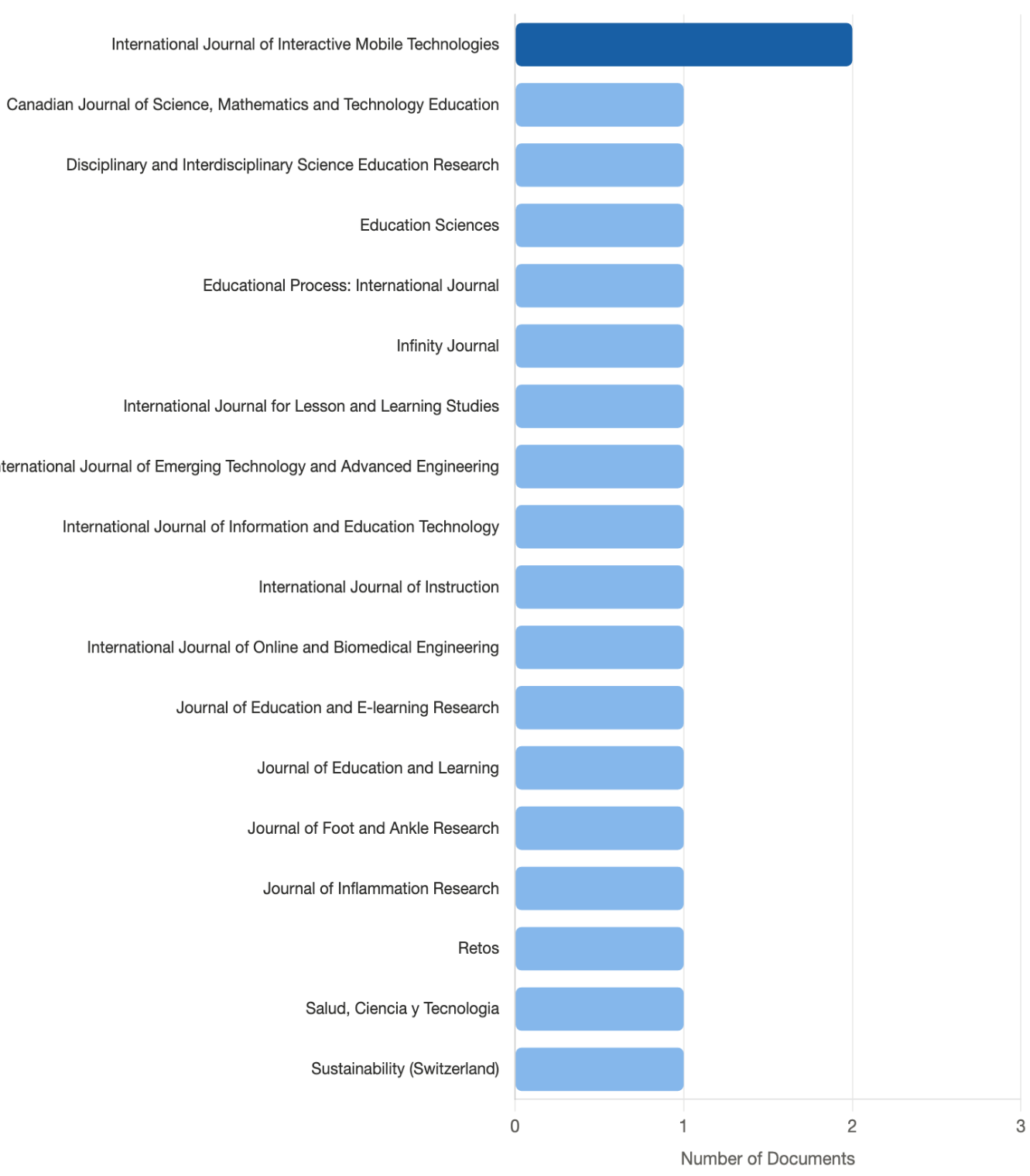
Figure 2. Journal publication and distribution of selected studies
- Most Active Author and Contributing Authors
Researchers have made significant contributions in implementing Project-Based Learning (PjBL) to support the development of student competencies. Figure 3 presents the distribution of authors represented in the reviewed studies. Each author contributed one publication included in this review. Therefore, the figure illustrates the diversity of research contributors rather than ranking author influence or scientific productivity. The distribution indicates that recent PjBL research in vocational education is conducted by multiple independent research groups rather than being dominated by a small number of leading scholars [5],[13]-[28].
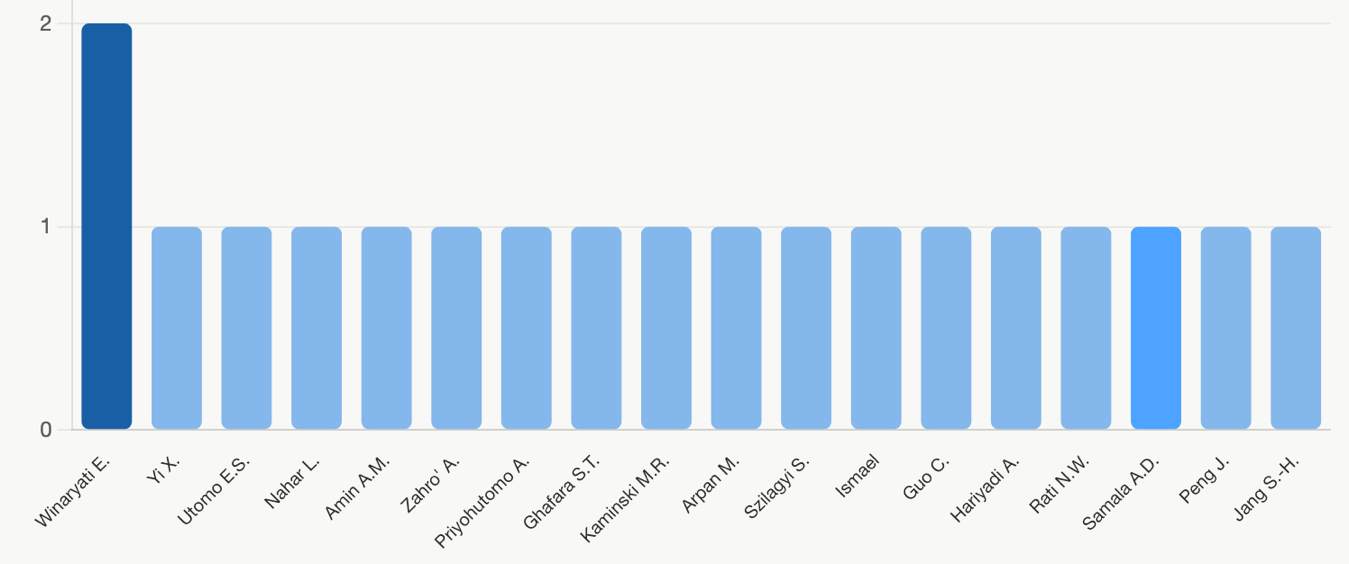
Figure 3. Influential researchers based on the track record document of the PjBL and 4C research framework
- Research Methods Using Project Based Learning and 4C Skills
Research methodologies in the field of education show a wide diversity, there are six classifications of methods that are commonly applied in implementing Project-Based Learning (PjBL), as illustrated in Figure 4. Literature analysis shows that the quantitative approach is the most dominant methodology used by previous researchers to evaluate the effectiveness of PjBL at the Vocational High School level. Epistemologically, quantitative research relies on the collection and analysis of numerically-based data and statistical inference to answer research hypotheses through empirical instruments such as surveys, standardized measurements, laboratory experiments, and secondary data analysis. The use of statistical techniques in this approach aims to identify functional correlations or significant differences between variables that are the object of study [29][30].
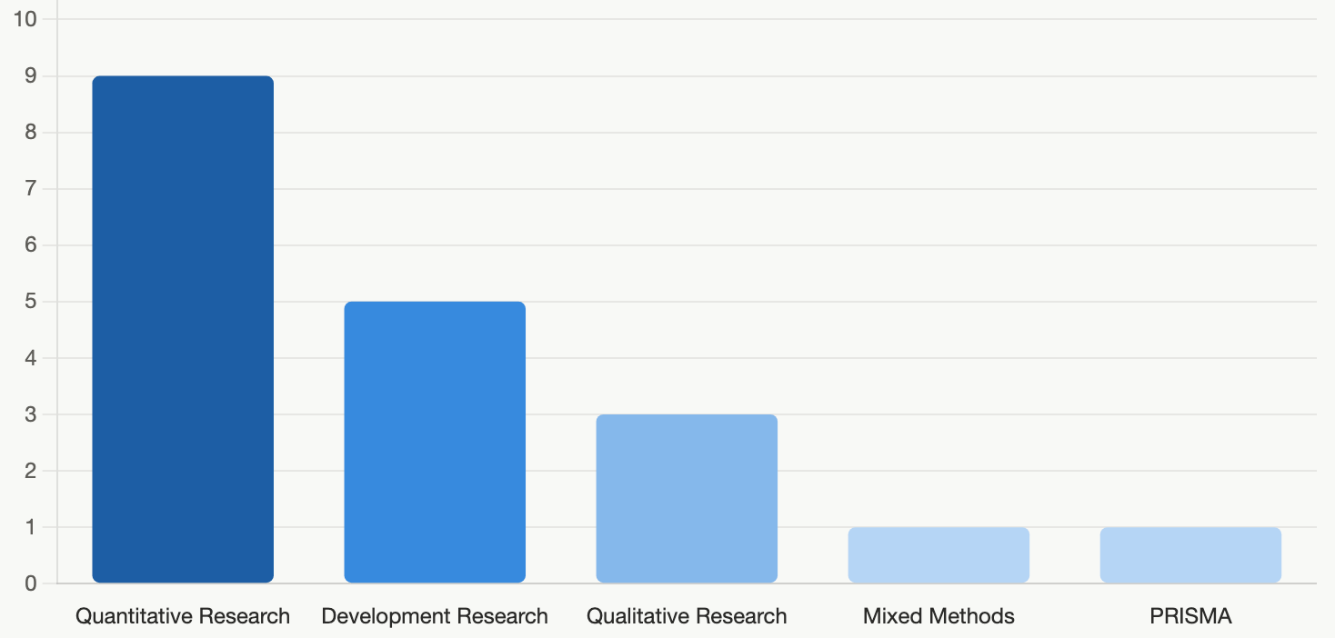
Figure 4. Methods used in PjBL and 4C research
In the spectrum of quantitative research, there is a differentiation in the type of research design used. Some researchers apply purely experimental methods to test the causality relationship between independent and dependent variables through strict variable control and systematic manipulation. On the other hand, quasi-experimental design is more widely applied in the context of classrooms in vocational schools, where researchers use a pretest-posttest scheme to measure the progressivity of student competencies during the PjBL intervention, which is then compared between the experimental group and the control group [31]-[35].
In addition, there is an integrative tendency through the use of mixed methods. This approach synergizes quantitative data to measure academic performance based on test score achievement with qualitative data extracted through participatory observation and in-depth interviews to understand the phenomenon holistically. Other methodologies that contribute to the PjBL literature include descriptive research for phenomenon mapping, research and development to produce educational products, and classroom action research for practical improvement in a sustainable manner. In order to ensure the validity and reliability of the findings, researchers often adopt triangulation techniques in data collection, which combine field observations and structured questionnaires to produce a comprehensive analysis of student skill development in a vocational education environment. The following is a graphical image of the methods used in 19 articles,
- Essential Elements in PjBL and 4C Skills
Comprehensively, experts agree that Project-Based Learning (PjBL) is a learning model that actively involves students through project activities to solve daily life problems and industrial challenges. PjBL is understood as a systematic method that puts students on real-world tasks to produce concrete products, so that they can acquire knowledge and technical skills simultaneously. Through a series of structured projects, Vocational High School (SMK) students get a meaningful learning experience that is relevant to the expectations of the modern world of work. The results of the literature review analysis show that students' 21st century skills can be optimally developed through specific elements in the PjBL process. The main focus of this development includes the 4C (Critical Thinking, Creativity, Communication, and Collaboration) aspects, in addition to other supporting aspects such as concept understanding, innovative thinking, motivation, and confidence [4],[29],[30],[36]-[39].
The percentages reported in Table 2 were derived through thematic coding of the 19 selected articles. Each study was examined to identify the presence of essential PjBL implementation elements. The frequency of occurrence of each element was then calculated and normalized by dividing the number of occurrences of each element by the total frequency of all coded elements across the reviewed studies. Therefore, the reported percentages represent the relative occurrence of each instructional element in the reviewed literature rather than measures of educational effectiveness. The distribution of the influence of the essential elements of PjBL on the strengthening of these skills is mapped in detail in Table 2.
Table 2. Essential Elements in PjBL and 4C
PjBL Essential Elements | Percentage (%) | Contribution to 4C Skills |
Authentic Problem/Real-World Challenge | 18 | The main foundation for honing Critical Thinking through problem analysis |
Collaboration & Teamwork | 17 | The main focus is on developing Collaboration skills in teams |
Student Voice and Choice | 15 | Autonomous exploration space to foster Creativity |
Reflection & Feedback | 14 | A means of critical evaluation (Critical Thinking) for solution improvement |
Inquiry Process & Investigation | 13 | A systematic process in innovative technical problem-solving |
Public Product/Presentation | 12 | Media to strengthen communication skills to the audience |
Integrated Technology/Simulation | 11 | Supporting work effectiveness and digital literacy in the industrial era |
The predominance of authentic problems and collaborative learning is consistent with previous studies reporting that real-world tasks encourage higher-order thinking while collaborative activities enhance communication and teamwork. Similar findings have also been reported in studies examining PjBL implementation in STEM and engineering education, where authentic project environments promote active knowledge construction and collaborative problem solving [23],[40][41]. However, the present review extends previous work by synthesizing these instructional elements specifically within vocational education contexts, where industrial relevance and workplace simulation constitute distinctive characteristics of learning activities.
- Most Reported Method for Project-Based Learning
The data in Figure 4, the dominance of Quantitative Research with a frequency of 9 publications shows a strong tendency of researchers to use statistical analysis to measure the significance of 4C skill improvement in vocational school students, which is methodologically very aligned with efforts to validate the essential elements of Authentic Problem (18%) and Collaboration (17%) through quasi-experimental design to prove the contribution of real-world challenges and teamwork to Critical Thinking and Collaboration scores. The next ranking occupied by Research Development (R&D) as many as 5 publications focused on the innovation of digital media modules and devices to test the extent to which the elements of Student Voice and Choice (15%) and Inquiry Process (13%) can stimulate Creativity, while Qualitative Research as many as 3 publications provided an in-depth narrative analysis of the dynamics of student interaction during the process. The integration of these various methods, including the use of Mixed Methods and the PRISMA protocol, which was recorded as many as 1 publication each, provides a holistic perspective in evaluating Communication skills through Public Product (12%) and the effectiveness of Integrated Technology (11%), so that the synchronization between the research methodology and the distribution of these essential elements emphasizes that the success of PjBL in vocational education is measured by its ability to produce graduates Vocational High Schools that are competent, adaptive, and ready to face the challenges of the world of work in the future [42]-[46].
- Jang’s Framework
The PjBL variable timeframe framework with learning outcomes through four main pillars: Collaborative Learning for collaboration, Directed Learning for critical thinking, Interactive Learning for communication, and Authentic Learning for creativity. Based on Structural Equation Modeling validation, the operational flow starts from project initiation through real-world challenges, systematic exploration of technical materials, implementation through active discussion and information exchange, to finalization of the product through solid teamwork before presentation [47]. The relationship between these pillars is visually shown in Figure 5,
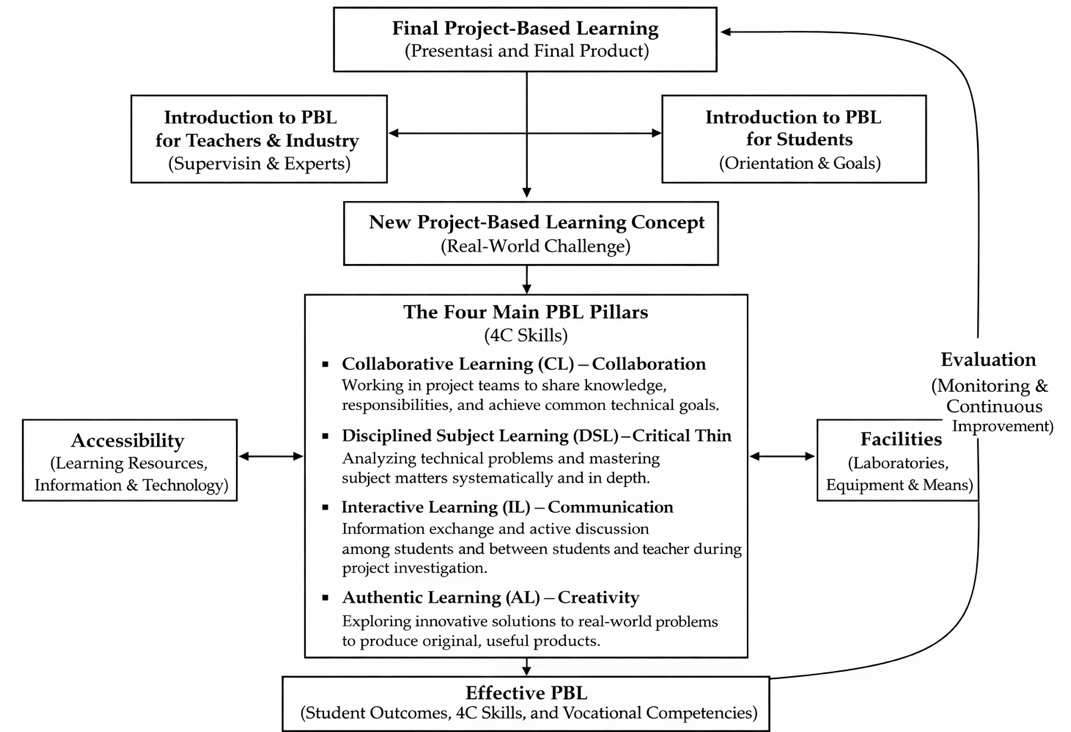
Figure 5. Jang’s Framework
- Yusri’s Framework
Yusri's framework integrates PjBL with simulation to bridge theory and practice through six stages: project design, solution design, simulation for idea testing, monitoring, evaluation, and reflection and presentation. With simulation as a supporting medium in a safe environment, this model aims to enhance students' motivation and 4C skills. This approach equips graduates with academic competencies and problem-solving skills aligned with real-world industry challenges [48]. This is presented in Figure 7,
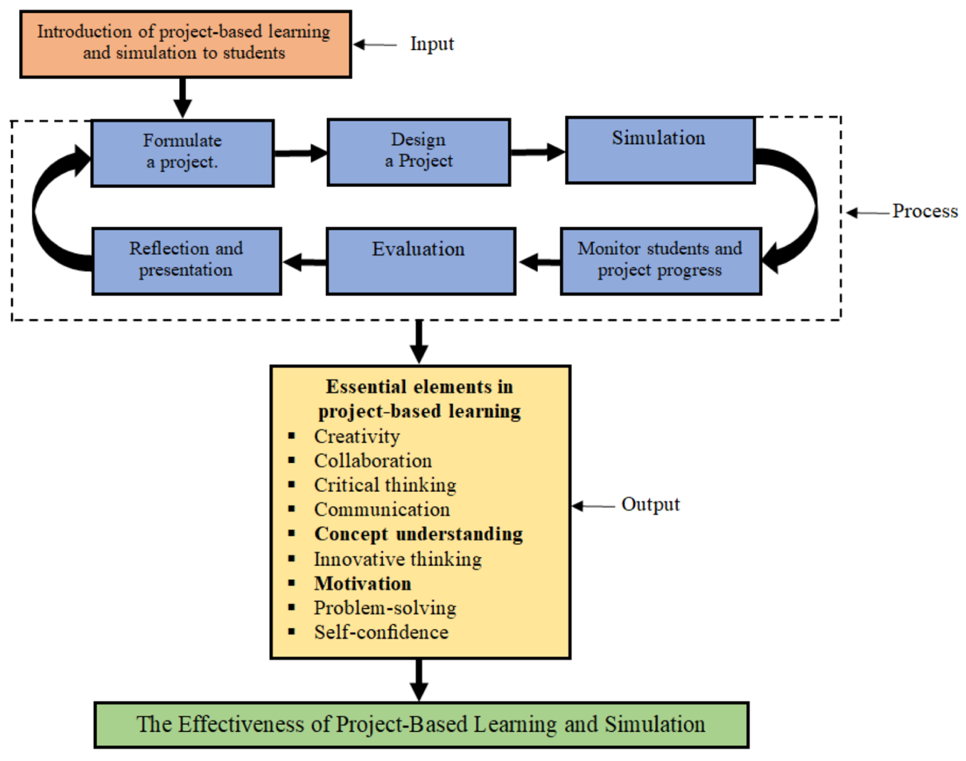
Figure 7. Yusri’s Framework
- Mustapa’s Framework
The Mustapha Framework (Figure 8) is a systematic PjBL approach that integrates collaboration between teachers, industry experts, lecturers, and students to enhance the learning process. The process begins with role socialization for all parties, followed by the development of project concepts relevant to current competency demands. The success of this model rests on elements of supervision, collaboration, communication, creative thinking, and problem-solving, supported by technological accessibility and adequate facilities. The end result is the creation of an effective learning ecosystem that can improve academic achievement while holistically strengthening students' work readiness and 21st-century skills [49].
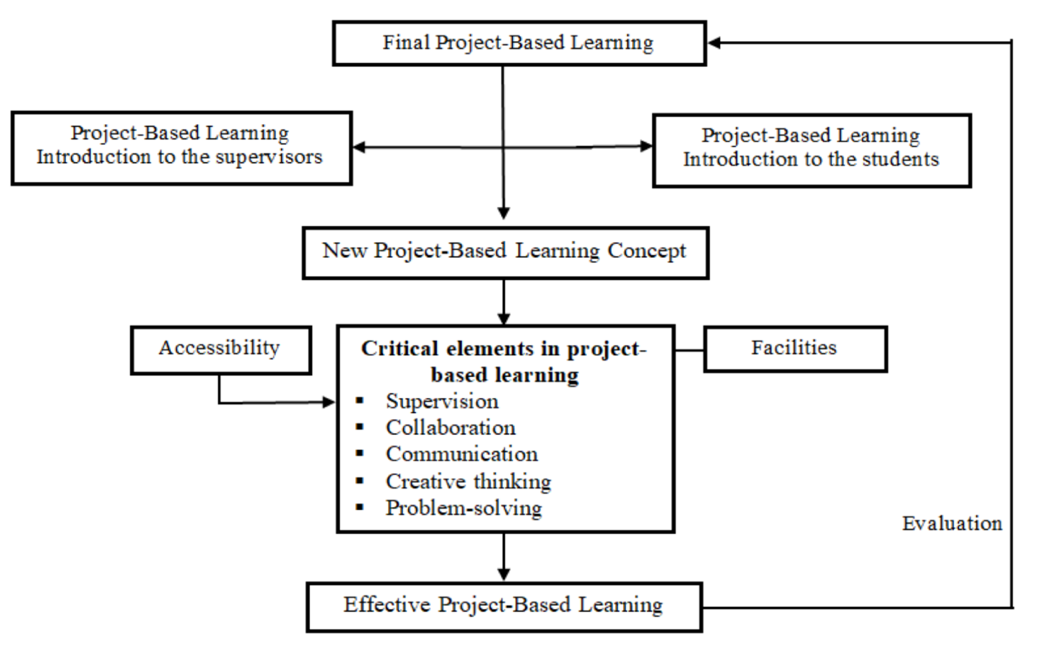
Figure 8. Mustapa’s Framework
- Main Findings
The systematic review identified several recurring patterns regarding the implementation of Project-Based Learning (PjBL) in vocational education. First, the reviewed studies consistently reported that PjBL supports the development of Critical Thinking, Creativity, Communication, and Collaboration (4C) competencies through authentic learning activities that resemble real workplace situations [4],[29][30]. Although individual studies employed different research designs and educational contexts, similar instructional characteristics repeatedly emerged across the literature.
The review also revealed that quantitative research was the dominant methodological approach, followed by research and development (R&D), qualitative research, mixed methods, and classroom action research. This trend indicates that researchers have primarily focused on measuring learning outcomes using standardized assessment instruments, while fewer studies have explored the learning process through qualitative inquiry.
Through thematic coding of the selected studies, seven instructional elements were identified as the most frequently reported components of successful PjBL implementation. These include authentic problems, collaboration and teamwork, student voice and choice, reflection and feedback, inquiry and investigation, public presentation, and technology-supported learning environments. The reported percentages in Table 2 represent the relative frequency with which these elements appeared across the reviewed studies after normalization of the coding results, rather than measurements of educational effectiveness. Furthermore, three implementation frameworks proposed by Jang, Yusri, and Mustapha were repeatedly cited as structured references for organizing project activities, monitoring student progress, integrating simulation, and supporting collaboration in vocational learning environments.
- Comparison with previous studies
The findings of this review are consistent with previous systematic reviews reporting that PjBL enhances student-centered learning through authentic tasks and collaborative problem solving [40][41]. Similar conclusions have been reported in STEM education, engineering education, and higher education, where project-based activities encourage higher-order thinking and teamwork. However, unlike previous reviews that examined multiple educational contexts simultaneously, the present review specifically synthesizes evidence related to vocational education, where industrial simulation, competency-based assessment, and workplace relevance represent distinctive instructional characteristics.
Previous studies generally emphasized improvements in learning achievement, engagement, and motivation. In contrast, this review extends existing knowledge by identifying the instructional elements most frequently associated with successful 4C competency development. Rather than focusing solely on learning outcomes, the review highlights how authentic workplace problems, collaborative project organization, inquiry activities, and technology integration collectively support competency development.
- Interpretation of Findings
The synthesized findings suggest that the effectiveness of PjBL cannot be attributed to a single instructional component but rather to the interaction among several complementary elements. Authentic projects provide meaningful contexts that stimulate problem-solving, whereas collaborative learning enables students to exchange ideas and negotiate solutions collectively. Reflection activities allow learners to evaluate their own performance, while public presentations strengthen communication skills through authentic dissemination of project outcomes.
The predominance of quantitative studies also indicates that current research has emphasized outcome measurement rather than explaining why particular instructional elements contribute to competency development. Consequently, although existing evidence consistently reports positive educational outcomes, relatively limited research has investigated the mechanisms through which PjBL supports the acquisition of 4C competencies in vocational education.
Another important finding concerns technology integration. Across the reviewed studies, digital simulations, virtual laboratories, and technology-supported project management were frequently incorporated into vocational learning. These technologies function not as independent instructional strategies but as supporting tools that strengthen authentic learning experiences and improve alignment between classroom activities and industrial practice
- Implications of PjBL Research and 4C skills in Vocational Hish School Student
The results of this study reveal strategic findings regarding the implementation map of PjBL in vocational schools to master 4C skills in order to answer the challenges of the Industrial Revolution 4.0 (Aghasafari et al., 2026). Methodologically, research is dominated by quantitative approaches to measure competence, while qualitative and mixed methods explore the dynamics of student learning (Mohammed et al., 2026). The success of this model relies heavily on authentic issues as a driver of critical thinking as well as freedom of voice and student choice in triggering creativity [50]. The use of systematic frameworks (Jang, Radhya, Mustapha) emphasizes the need for structured design and the role of teachers as facilitators [51][52]. In addition, the integration of simulation in PjBL is a key innovation that balances theory and practice in a safe environment before students enter the real industry [53].
- Strengths and Limitations
This review has several strengths. First, it systematically synthesizes recent evidence from Scopus-indexed publications using the PRISMA 2020 framework. Second, it identifies recurring instructional elements and implementation frameworks that are consistently associated with 4C competency development in vocational education. Nevertheless, several limitations should be acknowledged. The review was restricted to a single database (Scopus), which may have excluded relevant studies indexed elsewhere. The synthesis was descriptive and did not include a meta-analysis or quantitative assessment of effect sizes. Furthermore, the frequency-based coding of PjBL elements reflects reporting prevalence rather than causal effectiveness. Future systematic reviews should include multiple databases, conduct methodological quality appraisal, and examine the relative effectiveness of individual PjBL components through meta-analytic techniques.
- CONCLUSIONS
This systematic literature review synthesized evidence from 19 Scopus-indexed studies published between 2021 and 2025 on the implementation of Project-Based Learning (PjBL) for developing Critical Thinking, Creativity, Communication, and Collaboration (4C) competencies in vocational education. The findings indicate that authentic projects, collaboration, inquiry, reflection, public presentations, and technology integration are the most frequently reported elements supporting 4C skill development, while the frameworks proposed by Jang, Yusri, and Mustapha provide structured guidance for PjBL implementation. The main contribution of this review is the synthesis of recurring implementation elements, methodological trends, and conceptual frameworks, offering a structured reference for curriculum development, instructional planning, and future research in vocational education. Practically, the findings suggest that vocational educators should design authentic, collaborative, and technology-supported project experiences to strengthen students' 4C competencies. This review is limited to 19 Scopus-indexed journal articles and does not include a formal risk-of-bias assessment or meta-analysis; therefore, the findings describe implementation patterns rather than causal effectiveness. Future studies should incorporate additional databases, methodological quality appraisal, and meta-analytic approaches to provide stronger evidence across different vocational disciplines.
ACKNOWLEDGEMENT
This article was written as a fulfillment for an open session on a dissertation at the State University of Surabaya
REFERENCES
- S. Niedenthal, W. Fredborg, P. Lundén, M. Ehrndal, and J. K. Olofsson, “A graspable olfactory display for virtual reality,” International journal of human-computer studies, vol. 169, p. 102928, 2023, https://doi.org/10.1016/j.ijhcs.2022.102928.
- W. S. Dewi, G. Safitri, and Mairizwan, "The practicality of the physics module based on the PJBL model with a portfolio assessment to improve students’ critical thinking skills," J. Phys.: Conf. Ser., vol. 2582, no. 1, p. 012054, Sep. 2023, https://doi.org/10.1088/1742-6596/2582/1/012054.
- X. Yi, K. H. Chua, and H. Mohd Fadzil, “The Implementation and Challenges of a Project-Based STEM Programme in Rural Minority China,” Canadian Journal of Science, Mathematics and Technology Education, vol. 26, no. 2, 2026, https://doi.org/10.1007/s42330-026-00454-9.
- E. Winaryati et al., “Evaluation of the exploration of four character skills (4Cs): implementation of STEM-integrated PjBL through lesson study in school communities,” International Journal for Lesson and Learning Studies, pp. 1–17, 2025, https://doi.org/10.1108/IJLLS-03-2025-0091.
- A. Hariyadi, Dumiyati, Tukiyo, and A. Darmuki, “The Effectiveness of PBL Collaborated with PjBL on Students’ 4C in the Course of Basic Education,” International Journal of Instruction, vol. 16, no. 3, pp. 897–914, 2023, https://doi.org/10.29333/iji.2023.16348a.
- S. Szilágyi, A. Körei, and I. Vaičiulyté, “An Innovative STEAM-Based Method for Teaching Cycloidal Curves in Engineering Higher Education,” Educ. Sci. (Basel)., vol. 14, no. 10, 2024, https://doi.org/10.3390/educsci14101087.
- F. Reiser and K. Zaki, Coherence through Cultures of Remembrance? A Design-Based Research Project at the Intersection of Literary Studies, Subject Didactics and School Practice. 2024. https://doi.org/10.1007/978-3-658-43721-3_13.
- M. Marwa et al., "Assessment of students’ 4C skills in research article writing projects for publication," E3S Web Conf., vol. 593, p. 04003, 2024, https://doi.org/10.1051/e3sconf/202459304003.
- S. Al Aziz, M. M. Rani, Khairani, S. Elniati, K. Arif, and R. Satria, “Bibliometric Analysis Using Publish or Perish and VOSviewer in Finding Research Gaps Related to Calculus Modules Based on Case Methods and Team-Based Projects on 4C Skills,” in AIP Conference Proceedings, 2026. https://doi.org/10.1063/5.0317917.
- A. Ochoa-Duarte and J. I. Peña-Reyes, "Work in Progress: Engineering Education for Buen Vivir in the Context of 4th Industrial Revolution," 2020 IEEE World Conference on Engineering Education (EDUNINE), pp. 1-4, 2020, https://doi.org/10.1109/EDUNINE48860.2020.9149566.
- E. Winaryati et al., "Evaluation of the exploration of four character skills (4Cs): implementation of STEM-integrated PjBL through lesson study in school communities," Int. J. Lesson Learn. Stud., pp. 1–17, 2025, https://doi.org/10.1108/IJLLS-03-2025-0091.
- A. Priyohutomo, Komarudin, and Sridadi, "Understanding and applying of physical education teachers regarding the project based learning model and 4C skills; [Entendimiento y aplicación de los profesores de educación física sobre el modelo de aprendizaje basado en proyectos y las habilidades 4C]," Retos, vol. 63, pp. 580–589, 2025, https://doi.org/10.47197/retos.v63.107062.
- X. Yi, K. H. Chua, and H. Mohd Fadzil, "The implementation and challenges of a project-based STEM programme in rural minority China," Can. J. Sci. Math. Technol. Educ., vol. 26, no. 2, 2026, https://doi.org/10.1007/s42330-026-00454-9.
- E. S. Utomo, Chalimah, and A. Farhan, "Development of multiliteracy assessment with the STEAM approach to enhance 4C skills in geometry learning," Infinity J., vol. 15, no. 1, pp. 59–88, 2026, https://doi.org/10.22460/infinity.v15i1.p59-88.
- L. Nahar and C. Machado, "Inquiry-based learning in Bangladesh: insights into middle and high school students’ experiences and 21st century skill development," Discip. Interdiscip. Sci. Educ. Res., vol. 7, no. 1, 2025, https://doi.org/10.1186/s43031-025-00122-2.
- A. M. Amin, F. Karmila, S. Rijal, N. Hujjatusnaini, and R. Adiansyah, "The development of integrated project-based and 4C-scaffolding model with AI to overcome misconceptions," J. Educ. Elearn. Res., vol. 19, no. 2, pp. 336–345, 2025, https://doi.org/10.20448/jeelr.v12i2.6897.
- A. Zahro’, Muzzazinah, and M. Ramli, "Research skills training implementation and challenges in undergraduate students," J. Educ. Learn., vol. 19, no. 2, pp. 880–889, 2025, https://doi.org/10.11591/edulearn.v19i2.21326.
- R. Festiawan et al., "The hybrid learning system with project based learning: Can it increase creative thinking skill and learning motivation in physical education learning?," Retos, vol. 56, pp. 1009–1015, 2024, https://doi.org/10.47197/retos.v56.105047.
- E. Winaryati et al., "Developing 21st century skills through STEM-based lesson study and project-based approaches in chemistry learning," Educ. Process: Int. J., vol. 19, 2025, https://doi.org/10.22521/edupij.2025.19.534.
- S. T. Ghafara, A. Ambiyar, M. Giatman, N. Jalinus, F. Rizal, and F. Fadhillah, "Development of an Android-assisted STEAM-based project based learning model in informatics subjects at vocational high schools; [Desarrollo de un modelo de aprendizaje basado en proyectos STEAM asistido por Android en asignaturas de informática en institu," Salud Cienc. Tecnol., vol. 5, 2025, https://doi.org/10.56294/saludcyt20251826.
- M. R. Kaminski, A. Raspovic, and S. E. Munteanu, "Enhancing teamwork in higher education: experiences of podiatry students using SPARKPLUS for self- and peer-assessment in group work," J. Foot Ankle Res., vol. 17, no. 4, 2024, https://doi.org/10.1002/jfa2.70010.
- M. Arpan, Ambiyar, Ridwan, A. Nasution, and Rifdarmon, "Augmented reality solutions by utilizing mobile technology for enhanced skill development," Int. J. Interact. Mob. Technol., vol. 18, no. 20, pp. 129–141, 2024, https://doi.org/10.3991/ijim.v18i20.50809.
- S. Szilágyi, A. Körei, Z. Török, and I. Vaičiulytė, The Impact of 4C-Based Experiential Learning on the Mathematical Performance of First-Year University Students in Engineering, vol. 1281, 2025, https://doi.org/10.1007/978-3-031-83520-9_36.
- Ismael, N. Jalinus, and R. R. Putra, "Implementation of project-based learning computational thinking models in mobile programming courses," Int. J. Interact. Mob. Technol., vol. 18, no. 11, pp. 108–120, 2024, https://doi.org/10.3991/ijim.v18i11.49097.
- N. W. Rati, I. B. P. Arnyana, G. R. Dantes, and N. Dantes, "HOTS-oriented e-project-based learning: improving 4C skills and science learning outcome of elementary school students," Int. J. Inf. Educ. Technol., vol. 13, no. 6, pp. 959–968, 2023, https://doi.org/10.18178/ijiet.2023.13.6.1892.
- A. D. Samala, I. P. Dewi, and L. Mursyida, "‘E-LabSheet Project’ 4Cs-based supplementary media for flexible learning: is it well implemented?," Int. J. Online Biomed. Eng., vol. 19, no. 1, pp. 4–20, 2023, https://doi.org/10.3991/ijoe.v19i01.35523.
- J. Peng, B. Yuan, M. Sun, M. Jiang, and M. Wang, "Computer-based scaffolding for sustainable project-based learning: impact on high- and low-achieving students," Sustainability, vol. 14, no. 19, 2022, https://doi.org/10.3390/su141912907.
- S.-H. Jang, "Case analysis of overseas countries in project-based learning for vocational education and workforce development," Int. J. Emerg. Technol. Adv. Eng., vol. 12, no. 4, pp. 78–85, 2022, https://doi.org/10.46338/ijetae0422_11.
- S. Al Aziz, Khairani, and T. G. Manda, "The 4C skills profile of prospective mathematics students as a guide to implementing the case method and team-based project according to IKU-7," in AIP Conference Proceedings, vol. 3293, no. 1, p. 040001, 2025, https://doi.org/10.1063/5.0269435.
- V. Filimonov, N. Burmistrova, V. Chernyavskaya, and V. Malakhova, "Collective development of cognitive abilities using the ‘4C’ approach," in Proc. 2021 IEEE Ural-Siberian Conf. Comput. Technol. Cogn. Sci., Genom. Biomed. (CSGB), pp. 60–63, 2021, https://doi.org/10.1109/CSGB53040.2021.9496021.
- S. Beath and J. Anné, “Facilitating object-based learning with digital touch replicas when collections are untouchable,” The Routledge Handbook of Museum and Heritage Education. 2025, https://books.google.co.id/books?hl=id&lr=&id=OSZiEQAAQBAJ.
- G. Li and X. Li, "The student-centered virtual e-learning community model: a case study on Digital Philosophy Club," in ACM International Conference Proceeding Series, pp. 255–261, 2023, https://doi.org/10.1145/3629296.3629338.
- A. Mardiah, Y. Rahmawati, F. K. Che Harun, and D. Hadiana, "Transferable skills for pre-service chemistry teachers in Indonesia: Applying a design thinking-STEAM-PjBL model," Issues Educ. Res., vol. 32, no. 4, pp. 1509–1529, 2022, https://doi.org/10.3316/informit.734731388062973.
- E. Bastiaens and J. J. G. van Merriënboer, Four-Component Instructional Design Model, Maastricht, 2022, https://doi.org/10.1017/9781108869508.014.
- A. D. Samala, I. P. Dewi, and L. Mursyida, "‘E-LabSheet Project’ 4Cs-based supplementary media for flexible learning: is it well implemented?," Int. J. Online Biomed. Eng., vol. 19, no. 1, pp. 4–20, 2023, https://doi.org/10.3991/ijoe.v19i01.35523.
- C. Guo, X. Yang, and L. Li, "Pyroptosis-related gene signature predicts prognosis and response to immunotherapy and medication in pediatric and young adult osteosarcoma patients," J. Inflamm. Res., vol. 17, pp. 417–445, 2024, https://doi.org/10.2147/JIR.S440425.
- R. Pawar, S. Kulkarni, and S. Patil, "Project based learning: An innovative approach for integrating 21st century skills," J. Eng. Educ. Transf., pp. 58–63, 2020, https://doi.org/10.16920/jeet/2020/v0i0/150125.
- M. R. Kaminski, A. Raspovic, and S. E. Munteanu, "Enhancing teamwork in higher education: experiences of podiatry students using SPARKPLUS for self- and peer-assessment in group work," J. Foot Ankle Res., vol. 17, no. 4, 2024, https://doi.org/10.1002/jfa2.70010.
- A. Linxen, F. Endel, S. Opel, and C. Beecks, "Knowledge graphs for competency-based education," in Proc. 2023 IEEE Int. Conf. Big Data (BigData), pp. 2942–2945, 2023, https://doi.org/10.1109/BigData59044.2023.10386727.
- N. L. Casmini and I. W. Redhana, "Improving students’ critical thinking skills through a challenge-based learning model: a systematic literature review," in AIP Conference Proceedings, 2025, https://doi.org/10.1063/5.0259396.
- A. W. Setiawan, A. Aridarma, and R. T. Setiabekti, "Comparison of instructor and professionals assessment in project-based learning," in Proc. IEEE Int. Symp. Circuits Syst. (ISCAS), pp. 1-4, 2021, https://doi.org/10.1109/ISCAS51556.2021.9401467.
- A. M. Amin, F. Karmila, S. Rijal, N. Hujjatusnaini, and R. Adiansyah, "The development of integrated project-based and 4C-scaffolding model with AI to overcome misconceptions," J. Educ. Elearn. Res., vol. 19, no. 2, pp. 336–345, 2025, https://doi.org/10.20448/jeelr.v12i2.6897.
- E. S. Utomo, Chalimah, and A. Farhan, "Development of multiliteracy assessment with the STEAM approach to enhance 4C skills in geometry learning," Infinity J., vol. 15, no. 1, pp. 59–88, 2026, https://doi.org/10.22460/infinity.v15i1.p59-88.
- D. Muliyati, F. Prastiawan, and M. Mutoharoh, "Development of STEM project-based learning student worksheet for physics learning on renewable energy topic," in Journal of Physics: Conference Series, 2023, https://doi.org/10.1088/1742-6596/2596/1/012078.
- S. T. Ghafara, A. Ambiyar, M. Giatman, N. Jalinus, F. Rizal, and F. Fadhillah, "Development of an Android-assisted STEAM-based project based learning model in informatics subjects at vocational high schools; [Desarrollo de un modelo de aprendizaje basado en proyectos STEAM asistido por Android en asignaturas de informática en institu," Salud Cienc. Tecnol., vol. 5, 2025, https://doi.org/10.56294/saludcyt20251826.
- D. R. Romadhon, M. D. H. Rahiem, R. Faeruz, E. Muliyah, Asmui and N. F. Wulansari, "Enhancing Student Engagement in Computational Physics through Project-Based Learning: An Exploration of VBA Physics Simulation," 2023 11th International Conference on Cyber and IT Service Management (CITSM), pp. 1-6, 2023, https://doi.org/10.1109/CITSM60085.2023.10455497.
- S.-H. Jang, "Case analysis of overseas countries in project-based learning for vocational education and workforce development," Int. J. Emerg. Technol. Adv. Eng., vol. 12, no. 4, pp. 78–85, 2022, https://doi.org/10.46338/ijetae0422_11.
- R. Yusri, A. M. Yusof, and A. Sharina, "A systematic literature review of project-based learning: research trends, methods, elements, and frameworks," Int. J. Eval. Res. Educ., vol. 13, no. 5, pp. 3345–3359, Oct. 2024, https://doi.org/10.11591/ijere.v13i5.27875.
- R. Mustapha, Sadrina, I. M. Nashir, M. N. A. Azman, and K. A. Hasnan, "Assessing the implementation of the project-based learning (PJBL) in the department of mechanical engineering at a Malaysian polytechnic," J. Tech. Educ. Train., vol. 12, no. 1, pp. 100–118, Apr. 2020, https://doi.org/10.30880/jtet.2020.12.01.011.
- Z. Xu et al., "Empowering dragonfly: a lightweight and scalable distribution system for large models with high concurrency," IEEE Trans. Netw., vol. 34, pp. 339–354, 2026, https://doi.org/10.1109/TON.2025.3598067.
- A. S. Patria and S. Mutmainah, "Using textbook illustration as media for developing character among primary students: some research-based suggestion," J. Educ. Learn., vol. 12, no. 1, pp. 52–56, Feb. 2018, https://doi.org/10.11591/edulearn.v12i1.6509.
- A. S. Patria et al., "Implementation of East Javanese local culture in graphic design elements in students’ final projects: a literature review," Bul. Ilm. Sarjana Tek. Elektro, vol. 7, no. 4, pp. 1031–1044, Dec. 2025, https://doi.org/10.12928/biste.v7i4.14932.
- N. W. Rati, I. B. P. Arnyana, G. R. Dantes, and N. Dantes, "HOTS-oriented e-project-based learning: improving 4C skills and science learning outcome of elementary school students," Int. J. Inf. Educ. Technol., vol. 13, no. 6, pp. 959–968, 2023, https://doi.org/10.18178/ijiet.2023.13.6.1892.
AUTHOR BIOGRAPHY

| Nova Kristiana is a lecturer and researcher at Universitas Negeri Surabaya (UNESA) whose academic interests focus on Visual Communication Design and Vocational Education. Her research explores creative learning approaches, design education, project-based learning, and the development of 21st-century skills in vocational learning environments. She actively contributes to national and international academic publications related to visual communication, instructional innovation, and vocational curriculum development. ORCID iD: 0000-0003-0272-0143 Email: novakristiana@unesa.ac.id |
|
|

| Ekohariadi is a professor and researcher at Universitas Negeri Surabaya (UNESA) with expertise in educational research and evaluation . His academic work focuses on learning assessment, educational quality improvement, instructional evaluation, and the development of innovative approaches in vocational and higher education. He has contributed extensively to national and international scholarly publications and actively supports research development in the field of education. Scopus ID: 57195553791 Email: ekohariadi@unesa.ac.id |
|
|

| Ratna Suhartini is a professor and researcher at Universitas Negeri Surabaya (UNESA), Indonesia, whose academic interests focus on education, vocational learning, and instructional development. Her scholarly work emphasizes innovative learning strategies, curriculum development, and the enhancement of students’ competencies in vocational and higher education contexts. She actively contributes to national and international academic publications and research collaborations in the field of education. ORCID iD: 0000-0002-8933-1089 Email: ratnasuhartini@unesa.ac.id |
|
|
| Indro Moerdisuroso is a lecturer and researcher in the Master's Program in Arts Education, Faculty of Languages and Arts, Universitas Negeri Jakarta, Indonesia. His research interests include visual art and culture, aesthetics, art education, visual communication, and visual culture studies. He has published scholarly works on visual culture, design research, visual semiotics, and art education, with a particular focus on integrating cultural perspectives into contemporary visual communication and educational practices. In addition to his academic publications, he has actively contributed to curriculum development, academic publishing, and graphic design projects within higher education institutions. ORCID iD: 0000-0002-4978-7719 Email: indro@unj.ac.id |

| Bing Bedjo Tanudjaja is an Associate Professor in the Visual Communication Design Program at Petra Christian University, Surabaya, Indonesia. His research interests include visual communication design, cultural studies, visual culture, design education, advertising, branding, and traditional visual narratives. He has published extensively in national and international journals on topics related to visual communication, cultural heritage, graphic design, and creative media. His research integrates cultural perspectives with contemporary design practices, contributing to the advancement of visual communication design education and creative industries in Indonesia. Email: abimanyu@petra.ac.id |
|
|

| Ahmad Sofiyuddin bin Mohd Shuib is a senior academic and researcher affiliated with the Faculty of Art and Design, Universiti Teknologi MARA (UiTM), Malaysia. His research interests encompass visual communication design, digital media, creative industries, design thinking, cultural heritage, interactive media, and user-centered design. He has contributed to numerous scholarly publications in the fields of design, visual culture, digital storytelling, tourism branding, and creative technology. His work emphasizes the integration of creativity, innovation, and digital transformation in design education and practice, particularly within Southeast Asian contexts. ORCID iD: 0009-0000-2479-7630 Email: ahmad396@uitm.edu.my |
Nova Kristiana (Fostering Critical Thinking, Creativity, Communication, and Collaboration through Project-Based Learning in Vocational Education: A Systematic Literature Review)