ISSN: 2685-9572 Buletin Ilmiah Sarjana Teknik Elektro
Vol. 8, No. 3, June 2026, pp. 654-672
A Novel Approach to Multi-Task Prediction in IoT Environments Using Dynamic Heterogeneous Graph Neural Networks
Chia-Ching Lin 1, Yih-Chang Chen 2,3
1 Department of Finance, Chang Jung Christian University, Tainan 711, Taiwan
2 Department of Social Work, Chang Jung Christian University, Tainan 711, Taiwan
3 Department of Mass Communication, Chang Jung Christian University, Tainan 711, Taiwan
ARTICLE INFORMATION |
| ABSTRACT |
Article History: Received 29 January 2026 Revised 01 May 2026 Accepted 22 May 2026 |
| 
The rapid proliferation of Internet of Things (IoT) devices and digital services has created densely interconnected socio-technical networks that challenge conventional risk management. Traditional machine learning models struggle to capture multi-hop relational structure, temporal drift, and severe class imbalance, while static Graph Neural Networks (GNNs) ignore dynamic graph evolution and high-frequency IoT telemetry. This paper proposes an IoT-driven dynamic prediction framework that conceptualizes financial and social-protection infrastructures as assets requiring predictive maintenance. We introduce a multi-task dynamic heterogeneous GNN that jointly estimates credit risk in financial networks and early-warning scores for high-risk social-work cases over evolving graphs linking clients, accounts, devices, households, and practitioners. The architecture combines relation-aware message passing with a Gated Recurrent Unit (GRU) temporal encoder to integrate streaming IoT signals with longitudinal administrative data. We specify an evaluation protocol that compares the framework with logistic regression, gradient boosting, temporal sequence models, and static GCN/GraphSAGE using AUC-ROC, AUC-PR, Brier score, and operational metrics under time-based splits and rolling-window validation; future empirical studies should also employ appropriate significance tests, such as DeLong’s test and bootstrap confidence intervals. This work does not report new experiments on proprietary datasets; instead, it synthesizes recent findings in credit risk, anti-money laundering, IoT-based predictive maintenance, and child-protection analytics to argue that dynamic multi-task graph modeling can better support timely, ethically governed interventions in complex socio-technical systems. |
Keywords: Dynamic Graph Neural Networks; Internet of Things; Multi-Task Learning; Predictive Maintenance; Risk Assessment |
Corresponding Author: Yih-Chang Chen, Department of Social Work, Chang Jung Christian University, Tainan 711, Taiwan. Email: cheny@mail.cjcu.edu.tw |
This work is open access under a Creative Commons Attribution-Share Alike 4.0 
|
Document Citation: C. -C. Lin and Y. -C. Chen, “A Novel Approach to Multi-Task Prediction in IoT Environments Using Dynamic Heterogeneous Graph Neural Networks,” Buletin Ilmiah Sarjana Teknik Elektro, vol. 8, no. 3, pp. 654-672, 2026, DOI: 10.12928/biste.v8i3.16044. |
INTRODUCTION
Background and Problem Context
Financial and social protection systems are increasingly shaped by digitization, interconnectivity, and the integration of Internet of Things (IoT) technologies [1]-[4]. Digital payment platforms, mobile banking applications, intelligent point-of-sale (POS) terminals, and wearable devices generate high-frequency behavioral data, while smart-home technologies, environmental sensors, and community-based devices provide contextual information about living conditions and associated risk factors [5]-[7]. At the same time, financial crimes such as money laundering and fraud unfold through intricate networks of accounts and intermediaries, and social issues including child maltreatment and elder abuse emerge from multifaceted social, economic, and environmental interactions [8]-[11].
Conventional risk assessment methodologies typically treat individuals as independent entities characterized by manually engineered features, employing models such as logistic regression, gradient boosting, or shallow neural networks [12]-[16]. Although these approaches have been extensively utilized in credit scoring and child protective services (CPS) risk evaluation, they exhibit limitations in capturing multi-hop relational dependencies and adapting to rapidly evolving network structures [10],[13],[17][18]. This shortcoming parallels “component-centric” predictive maintenance strategies that neglect system-level interdependencies, resulting in suboptimal maintenance scheduling and failure to detect early warning signals [19]-[24].
Problem Statement and Joint Prediction Objective. Motivated by these developments, this paper investigates how to design an IoT-driven, dynamic heterogeneous GNN that can jointly predict financial credit risk and social-work early intervention risk in highly imbalanced, temporally evolving socio-financial networks. Concretely, we consider a setting in which clients, households, financial institutions, IoT devices, and social workers form a multi-layer network whose edges capture transactions, service interactions, and sensor-mediated behaviors over time. The central problem is to construct a unified predictive maintenance-oriented framework that (i) models multi-hop relational dependencies and temporal dynamics across this network and (ii) supports simultaneous estimation of credit default or AML risk and the risk of severe social outcomes at relevant forecast horizons.
Rationale for Multi-Task Learning. The financial and social tasks addressed here are distinct yet structurally related: both are influenced by underlying household financial stress, behavioral regularity and disruption, and patterns of service utilization and non-compliance. Rather than assuming a deterministic or purely statistical correlation between specific financial and social labels, we posit that shared representations of relational and temporal context can help regularize both tasks, particularly in the presence of rare but high-impact adverse events. A multi-task GNN that shares lower-layer parameters while maintaining task-specific output heads therefore offers a principled way to exploit cross-domain commonalities (e.g., instability in income and service usage) while preserving the distinct operational semantics and decision thresholds of credit scoring and social-work practice.
AI-Driven Predictive Maintenance and Socio-Technical Systems
In industrial settings, predictive maintenance (PdM) employs IoT sensor data alongside artificial intelligence models to anticipate equipment degradation and optimize maintenance scheduling, thereby minimizing downtime and associated costs [19],[25]. Comprehensive reviews indicate that AI-based PdM frameworks typically encompass sensor data acquisition, feature extraction, health indicator modeling, remaining useful life (RUL) estimation, and decision optimization, often supported by cloud and edge computing infrastructures [3],[19]-[21]. Recent studies emphasize the necessity for PdM approaches to transcend isolated component analysis, advocating for system-level reasoning and continual learning under dynamic operating conditions [3],[25]-[27].
By analogy, financial networks and social protection ecosystems may be conceptualized as “assets” whose health requires continuous monitoring and maintenance. IoT devices act as “sensors” capturing client behavior (e.g., spending rhythms, mobility patterns), environmental stressors (e.g., irregular energy usage suggesting housing instability), and service utilization (e.g., missed social-work visits), while credit risk indicators, AML alerts, and social risk indices function as health indicators. Proactive interventions by financial institutions or social workers correspond to maintenance actions aimed at preventing critical failures such as loan default cascades, complex money laundering schemes, or severe maltreatment events [8],[10],[17],[19]. This perspective supports the transfer of predictive maintenance principles, including early detection, condition-based interventions, and lifecycle modeling, from industrial assets to socio-financial systems and motivates the use of dynamic, IoT-enabled GNN architectures as core predictive engines.
Graph Neural Networks for Credit, AML and Risk Prediction
Graph Neural Networks (GNNs) extend deep learning methodologies to graph-structured data by iteratively aggregating information from local neighborhoods, thereby capturing complex relational dependencies [2],[28]. Surveys on GNN applications within IoT contexts underscore their suitability for modeling networked infrastructures, including sensors, devices, and cyber-physical systems, where both topological and signal information are critical, and they highlight applications in anomaly detection, resource allocation, and reliability monitoring [2],[29][30].
Within the financial domain, GNNs have been employed for corporate credit rating, small and medium-sized enterprise (SME) credit risk assessment, and AML transaction monitoring [13],[17],[31]-[36]. For instance, Feng et al. [13] introduced CCR-GNN, which models internal feature interactions of corporations and demonstrated consistent performance improvements over traditional tabular and graph-based baselines in corporate credit rating tasks. Recent investigations utilizing GraphSAGE and hierarchical heterogeneous GNNs for corporate and SME credit risk similarly report robust classification outcomes across multiple rating categories [12],[34],[37]-[39].
In AML contexts, graph convolutional network (GCN)-based and hybrid GNN models have been applied to classify transactions or accounts as suspicious by leveraging multi-hop patterns within transaction graphs, achieving superior detection rates and reduced false positive rates relative to random forests and support vector machines [8][9],[40][41]. Reviews on continual graph learning for AML emphasize the necessity of dynamic graph frameworks to address concept drift, emerging typologies, and incremental data, identifying temporal GNNs as a promising avenue for advancing financial crime detection [42].
More broadly, graph-based and deep learning models have been utilized for suicide risk prediction, emotion recognition from social graphs, and remote health monitoring, confirming that incorporating relational and temporal structures substantially enhances predictive accuracy [43]-[47]. Although CPS risk assessment has predominantly relied on tree-based or conventional neural network models applied to administrative data, large-scale studies report machine learning models achieving area under the receiver operating characteristic curve (AUC-ROC) values around 0.86-0.87 in predicting removal decisions and adverse outcomes [10],[32]. Furthermore, classical neural network approaches to CPS risk assessment have demonstrated superior performance compared to linear models, underscoring the potential of deep architectures for modeling complex social data [48].
Wearables, Aging, and Bibliometric Evidence
The proliferation of wearable devices and remote monitoring technologies within aging and public health domains exemplifies the convergence of IoT sensing, artificial intelligence, and risk prediction. Bibliometric analyses, such as the study by Zhi and Zolotova on wearable technologies for elderly populations, document rapid growth in research focused on AI-enabled monitoring of health status and behavior among older adults, highlighting both opportunities and challenges related to data quality, ethical considerations, and system integration [50]. These findings support the feasibility of deploying IoT and AI technologies for continuous assessment and early intervention in vulnerable populations, aligning with the objectives of social work.
Research Gaps
Despite these advancements, several critical gaps persist:
- Domain fragmentation: Applications of GNNs in credit scoring, AML, IoT anomaly detection, and public-sector risk modelling remain largely isolated, with limited cross-domain exchange of architectural designs or evaluation methodologies [2],[8],[10],[13],[31].
- Insufficient integrated modelling of financial and social risk: Existing studies typically address financial and social risks independently, notwithstanding the frequent co-occurrence of financial hardship, criminal exploitation, and social vulnerabilities within at-risk households [10],[12],[32].
- Limited temporal and IoT data integration: Many GNN-based financial models operate on static or infrequently updated graphs and do not fully exploit high-frequency IoT sensor streams or explicitly model dynamic graph evolution [2],[21],[28]-[30].
- Underutilization of predictive maintenance frameworks: Although predictive maintenance is well-established in industrial engineering, its conceptual and technical frameworks are seldom applied to socio-financial systems, despite the analogous importance of early intervention and lifecycle management [3],[19][20],[26].
Rationale for Joint Prediction. In this work, we do not assume a strict one-to-one mathematical dependency between financial distress and social-work case escalation. Instead, we posit that both outcomes are shaped by a shared set of latent factors, such as household financial strain, instability in daily routines, and disrupted service engagement, which manifest across financial transactions, IoT-derived behavioral signals, and social-service interactions. A multi-task formulation that shares lower-level representations while maintaining task-specific output heads therefore offers a principled way to exploit these structural commonalities without conflating the distinct operational semantics, decision thresholds, and accountability frameworks of credit scoring and social work.
Objectives and Contributions
To address these identified gaps, this study proposes an IoT-driven dynamic GNN prediction framework designed for the joint tasks of financial credit scoring and early intervention in social work, with an emphasis on engineering implementation, algorithmic innovation, and practical applicability. The principal contributions are as follows:
- Predictive maintenance-oriented conceptualization: We conceptualize financial and social protection systems as socio-technical assets and establish a formal mapping between predictive maintenance constructs (e.g., sensors, health indicators, remaining useful life, maintenance actions) and financial/social governance elements (e.g., IoT devices, risk scores, timing of interventions).
- Dynamic multi-layer graph formulation: We develop a heterogeneous temporal graph representation that integrates financial transactions, IoT sensor co-usage, and social service interactions, thereby enabling unified modelling of credit and social risk, building upon extant literature in network-based credit scoring and CPS risk assessment [10]-[13],[17].
- Hybrid temporal GNN architecture: We propose a multi-task GNN architecture that combines structure-aware message passing with temporal encoding mechanisms inspired by IoT anomaly detection and dynamic graph learning research [2],[29][30],[32].
- System implementation blueprint: We outline an end-to-end IoT-edge-cloud system design tailored for real-time data streaming, online learning, and deployment within financial institutions and social service agencies, consistent with predictive maintenance process models.
- Evaluation protocol and comparative analysis: We propose an evaluation methodology and conduct a conceptual comparison of anticipated model performance against state-of-the-art benchmarks in credit scoring, AML, and child risk prediction, drawing on reported results from recent studies [8],[10],[13],[17],[49].
By integrating GNN-based risk modeling with predictive maintenance paradigms, the present work aspires to advance both theoretical understanding and practical applications in AI-enabled governance of complex socio-technical networks.
Paper Structure. The remainder of this paper is organized as follows. Section 2 formalizes the problem setting, introduces the dynamic heterogeneous graph representation, and details the proposed multi-task GNN architecture and IoT-edge-cloud system design. Section 3 provides a conceptual analysis and discussion, synthesizing evidence from existing empirical studies in credit risk, AML, IoT anomaly detection, and social risk modeling to position the proposed framework and articulate its theoretical and practical contributions. Section 4 concludes by summarizing the main insights, discussing limitations, particularly those related to data availability, privacy, and fairness, and outlining directions for future empirical validation and interdisciplinary collaboration.
METHODS
Problem Formulation
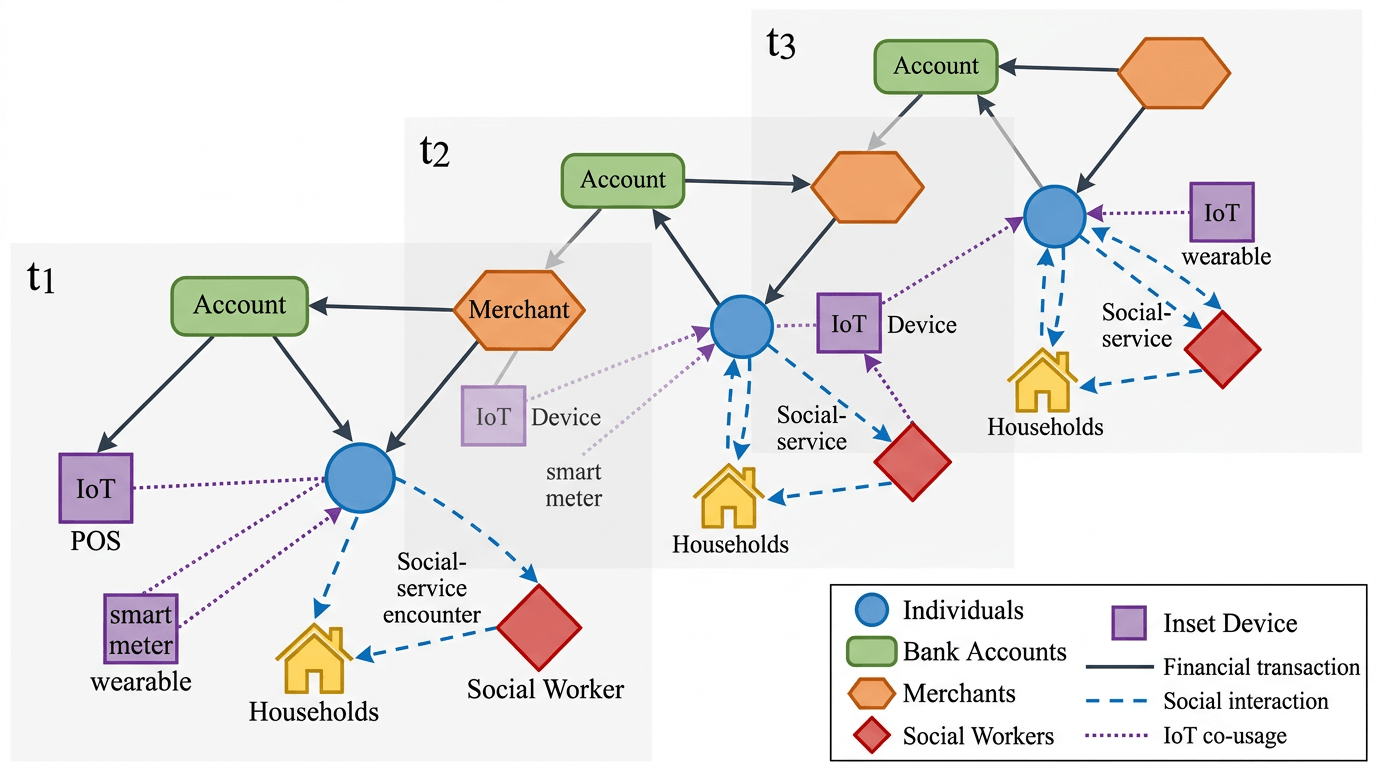
This study examines a socio-financial ecosystem comprising clients, households, financial institutions, IoT devices, and social workers that interact over time through financial transactions, service engagements, and sensor-mediated activities. Drawing inspiration from network-based credit scoring and AML systems, we represent this environment as a dynamic heterogeneous graph.
At discrete time points  , we define a graph
  where
where
 denotes the set of nodes, categorized into types such as individuals, bank accounts, merchants, devices, households, and social workers.
  is the set of timestamped, typed edges at time
  , capturing interactions such as financial transactions, device co-usage, co-location events, and case-management interactions.
  is a matrix of time-dependent node features, encompassing financial summaries (e.g., rolling spending, income stability), behavioral indicators derived from IoT data (e.g., mobility patterns, home energy consumption), and attributes related to social services.
Figure 1 illustrates a schematic of the heterogeneous, temporal socio-financial graph, highlighting the principal node and edge types incorporated within the proposed framework.
Figure 1. Dynamic heterogeneous socio-financial graph modeled by the proposed framework
Our analysis focuses on two predictive tasks defined over (possibly overlapping) subsets of nodes:
- Financial credit and AML-oriented scoring: For selected financial nodes (e.g., client accounts), we aim to predict a credit risk score
 that quantifies the probability of default or suspicious behavior within a future time horizon
  .
. - Social work early intervention scoring: For individuals or households under child protective services (CPS) or social-service monitoring, we predict a social risk score
 , estimating the likelihood of severe adverse outcomes (e.g., placement, re-referral, hospitalization) within a horizon
  .
.
Given historical graph snapshots  , the objective is to learn a parameterized function
  that maps node histories and their evolving neighborhoods to both risk scores:
| 
| (1) |
where the function must accommodate dynamic graph structures, multi-modal features, severe label imbalance, and potentially conflicting operational objectives (e.g., balancing early detection against false positives), challenges well-documented in AML, predictive maintenance, and CPS domains [9][10],[19],[31].
In addition, heterogeneous graph learning techniques such as meta-path-based random walks and metapath2vec offer complementary mechanisms for capturing higher-order semantic relations in multi-typed networks, which could be integrated with the proposed framework in future work [51].
IoT and Data Layer Design
The IoT layer consolidates heterogeneous sensor data into structured signals amenable to graph construction and temporal modeling. Adopting methodologies from predictive maintenance architectures, we implement a three-stage pipeline comprising sensing, feature engineering, and event aggregation.
Sensing and Data Sources
Key data sources include:
- Financial transaction logs from core banking systems and payment networks.
- POS device telemetry (e.g., terminal identifiers, error logs, usage patterns) and merchant IoT sensors.
- Consumer IoT devices such as smart meters, wearables, and smartphones capturing mobility, activity, and environmental context.
- Social service systems encompassing case management records, visit logs, and communication channels.
Table 1 summarizes illustrative IoT and information-system data sources alongside derived node and edge features.
Table 1. IoT and Information-System Data Sources and Derived Node/Edge Features in the Proposed Dynamic GNN Framework
Layer | Example source | Node/edge type | Example derived features |
Financial core | Transaction records, account metadata | Account-account edges | Amount statistics, merchant categories, time-of-day mix |
Merchant IoT | POS logs, device health | Device / merchant nodes | Failure counts, uptime ratio, anomaly flags |
Consumer IoT | Smart meter, wearable, smartphone telemetry | Person / household nodes | Activity regularity, night-time usage, mobility entropy |
Social services IS | Case logs, visit notes, communication | Person-worker edges | Visit frequency, missed appointments, response delays |
Derived features are computed using sliding windows and standard signal processing and statistical techniques, paralleling approaches in industrial PdM and remote health monitoring [24],[45],[52].
Edge Construction and Temporal Windows. Edges in  are constructed from raw logs using application-specific temporal windows and thresholds. For financial transaction edges, two accounts are linked if at least
  transactions occur within a sliding window of
  days, with edge attributes encoding aggregated amounts, merchant categories, and time-of-day statistics. Device co-usage and co-location edges are formed when a person or household interacts with the same IoT device, POS terminal, or location within a window of
  hours, capturing routine and anomalous behavior patterns. Social-service edges connect persons and workers when case notes, visits, or communications are recorded within a window of
  weeks, with attributes summarizing visit frequency, missed appointments, and response delays. These operational rules ensure that the dynamic graph captures both stable relationships and short-lived interaction bursts relevant for risk assessment.
Cold-Start Nodes. New nodes (e.g., recently opened accounts or newly enrolled families) may lack historical graph context at early time steps. For such cold-start nodes, initial representations rely on static profile features and aggregated early behavior, and the temporal encoder progressively refines these embeddings as additional interactions and sensor readings are observed. This strategy mirrors approaches in credit scoring and predictive maintenance, where initial risk estimates are gradually updated as more longitudinal data become available.
Pre-processing and Normalization
Standard pre-processing procedures are applied, including:
- Temporal resampling to fixed intervals (e.g., hourly, daily) with aggregation functions aligned to prediction horizons.
- Feature scaling (e.g., z-score normalization) and winsorization to mitigate extreme outliers prevalent in financial and behavioural data [12][13],[17].
- Handling of rare events via log-transformations and frequency encoding of categorical variables such as merchant categories and device types [11][12],[40].
These steps conform to best practices in predictive maintenance and credit risk modeling, where stable feature distributions and robust outlier management are critical for model efficacy.
Dynamic Graph Neural Network Architecture
The proposed architecture integrates spatial message passing within each graph snapshot and temporal encoding of node representations, drawing on GNN-based IoT anomaly detection and dynamic social graph modeling literature [29][30],[32],[42].
Message Passing Layer
At each time step t, we employ a GraphSAGE/GAT-inspired update mechanism that aggregates neighbor information with edge-type-specific transformations to accommodate heterogeneous relations. For node  , the message from neighbor
  connected via edge type r is defined as:
| 
| (2) |
where  denotes the hidden state of node u from the preceding layer, and
  encodes edge attributes such as transaction amount or device type. The aggregated message for node v at time t is:
| 
| (3) |
with AGG representing a permutation-invariant function (e.g., mean, max, or attention-based weighting), and  the set of relation types.
Node representations are updated via:
| 
| (4) |
where  and
and  are learnable weight matrices,
  is a bias term, and
  denotes a nonlinear activation function such as ReLU or ELU.
Temporal Encoder
To model temporal dynamics across graph snapshots, node embeddings are processed through a recurrent temporal encoder. Consistent with approaches in IoT anomaly detection and temporal GNNs, we utilize a gated recurrent unit (GRU) with shared parameters across nodes [29][30],[32], while maintaining separate hidden states  for each node . This design avoids the computational burden of node-specific GRUs and enables scalable training on graphs with thousands of IoT devices and accounts. The GRU updates are given by:
where represents the temporally smoothed state of node , and  denotes element-wise multiplication. This formulation enables retention of long-term context while adapting to abrupt changes, analogous to remaining useful life (RUL) estimation in PdM and dynamic social graph models for emotion and suicide risk prediction [32],[43][44],[49].
Multi-task Output Heads and Loss Function
For each target node , task-specific logits are computed via linear transformations applied to the final temporal embedding  :
:
| 
| (9) |
| 
| (10) |
followed by sigmoid activation to yield predicted probabilities:
| 
| (11) |
| 
| (12) |
Weighted binary cross-entropy losses are employed for each task to address label imbalance typical in default, money laundering, and critical social outcomes [4]-[6]. For the financial task, the loss is
| 
| (13) |
with an analogous definition for the social task loss  . The combined multi-task objective is
| 
| (14) |
where  and
and  regulate task weighting and
  controls regularization. In practice, and can be tuned via validation or set proportionally to the effective class imbalance in each task; future work may also incorporate uncertainty-based or dynamic task weighting schemes to further stabilize gradients in highly imbalanced, multi-task settings.
Computational Complexity and Scalability. For a graph snapshot with  nodes and
  edges, a single message-passing layer with hidden dimension
  incurs complexity on the order of
  , while the GRU-based temporal encoder incurs
  or
or  depending on the chosen parameterization. By combining relation-aware neighbor sampling, mini-batch training on target nodes, and shared GRU parameters, the proposed architecture is designed to scale to thousands of IoT nodes and accounts per time step, aligning with recent work on scalable heterogeneous and temporal GNNs [51].
Figure 2 depicts the overall model architecture, integrating heterogeneous message passing, node-wise temporal encoding, and dual task-specific output heads for financial and social risk prediction. Beyond illustrating the neural components, Figure 2 also serves as a high-level methodological flowchart, outlining the main stages from data ingestion and graph construction to temporal encoding and multi-task prediction.
In practice, and can be tuned using validation performance or set proportionally to the effective positive-class prevalence of each task, which helps prevent one loss from dominating the gradient updates in highly imbalanced settings; future work may also adopt dynamic or uncertainty-based task weighting strategies drawn from the multi-task learning literature.
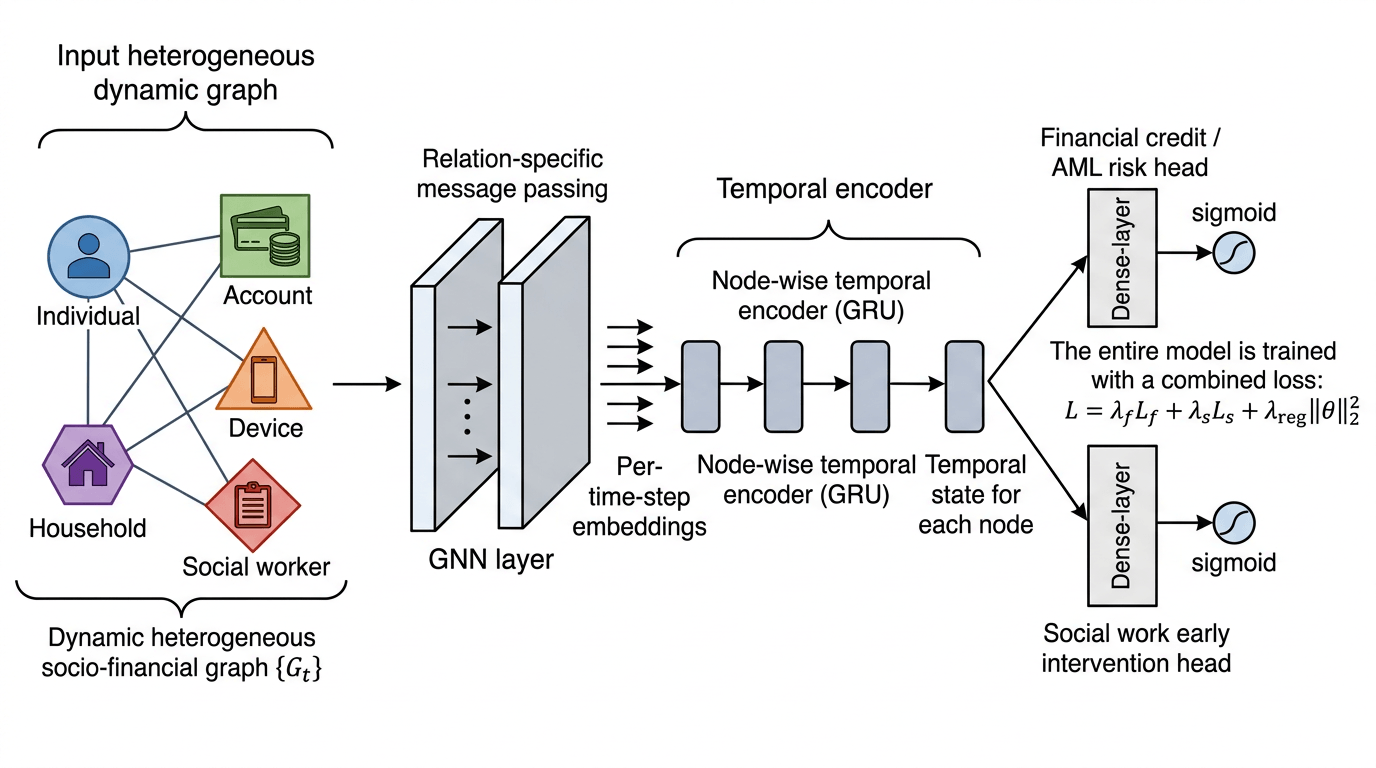
Figure 2. Architecture and high-level methodological flow of the proposed dynamic multi-task graph neural network
System Implementation and Architecture
We propose a multi-layered system architecture aligned with predictive maintenance reference models and IoT-GNN integration paradigms:
- Perception Layer (IoT/Edge): IoT devices (e.g., POS terminals, wearables, smart meters) and institutional systems (core banking, CPS information systems) generate raw events. Lightweight edge processing performs initial filtering, compression, and health monitoring, analogous to energy-efficient GNN-based anomaly detection in IoT deployments.
- Communication and Ingestion Layer: Message brokers (e.g., MQTT, Kafka) facilitate event transport to the cloud. Stream-processing jobs perform event joining and enrichment (e.g., mapping device IDs to households) and construct incremental graph updates.
- Graph Storage and Feature Store: A graph database or distributed in-memory store maintains current and historical graph snapshots, while a feature store provides precomputed aggregates and embeddings for downstream tasks.
- Model Serving Layer: The temporal GNN is deployed as a microservice consuming batched graph updates or mini-batches of target nodes, returning risk scores and explanations via APIs. Partial inference offloading to edge devices is feasible for latency-sensitive applications, inspired by edge-based IoT and remote health monitoring systems [2],[45],[53].
- Application Layer: Risk scores inform decision-support dashboards for risk analysts and social workers, facilitating prioritized investigations, alerts, and intervention planning.
Figure 3 illustrates the comprehensive IoT-edge-cloud system design of the proposed predictive framework, reflecting common reference architectures for GNN-enabled IoT and predictive maintenance systems. This architecture parallels PdM software stacks in industrial contexts, integrating sensing, data management, predictive modeling, and decision optimization [3],[19]-[21].
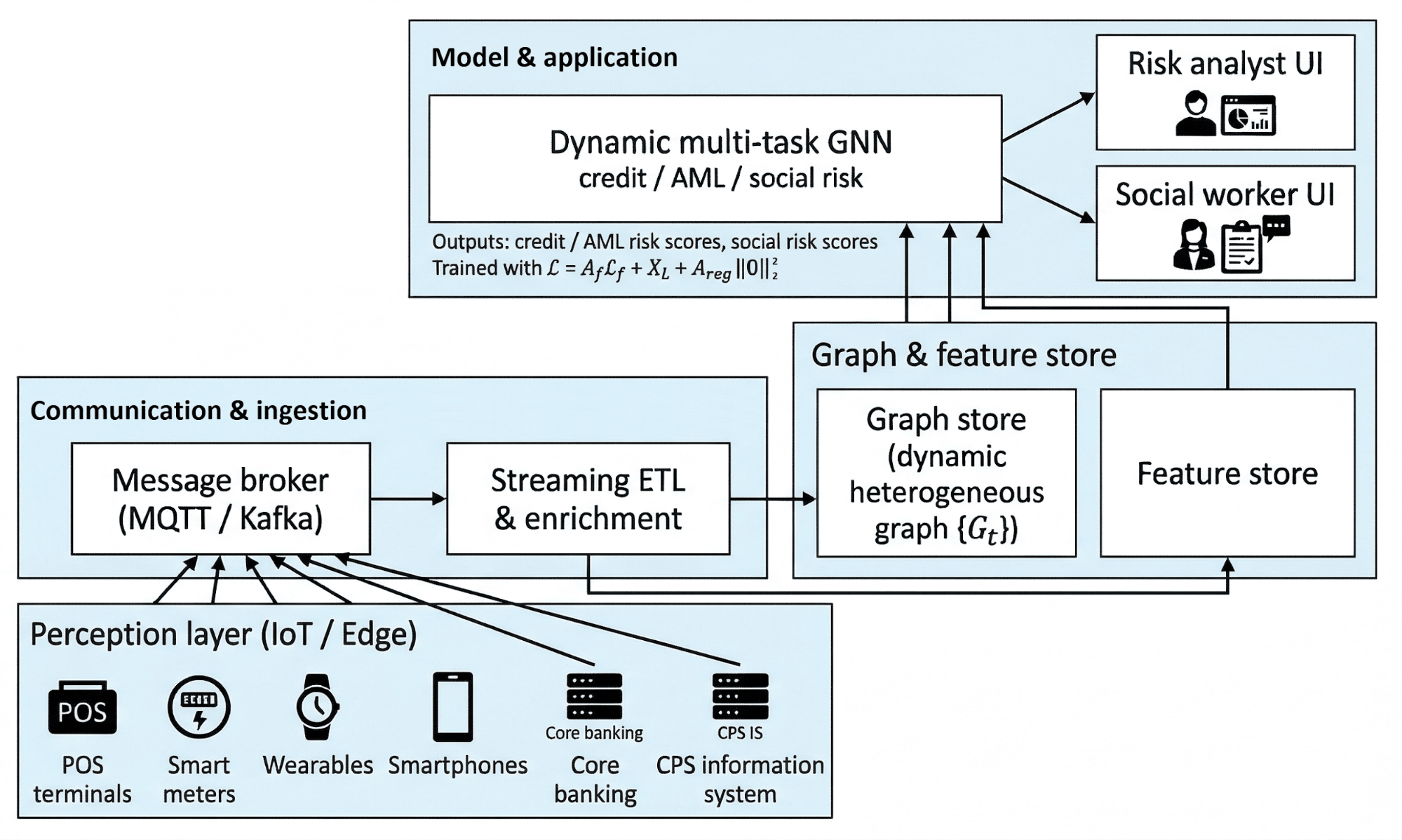
Figure 3. Overall IoT-edge-cloud system architecture for the proposed dynamic GNN-based predictive maintenance framework
Evaluation Protocol
While detailed empirical evaluation necessitates access to sensitive financial and social-service data, we propose an evaluation protocol grounded in established methodologies from credit scoring, AML, IoT anomaly detection, and child-risk prediction research.
Datasets and Task Definitions
- Financial Dataset: Anonymized transaction-level data and account metadata from a financial institution, annotated with labels for default, delinquency, or AML cases, analogous to datasets employed in GNN-based AML and credit-rating studies [8],[12][13],[17],[31],[32],[40].
- Social-Work Dataset: Administrative CPS records linked with IoT-derived behavioural proxies (e.g., visit adherence, day-night activity ratios), labelled for removal decisions and adverse outcomes, following designs in Danish CPS risk modelling and classical neural-network CPS studies [10],[32],[48],[54].
Both tasks are formulated as binary classification problems with forecast horizons aligned to institutional requirements (e.g., 3-6 months for default, 6-12 months for CPS outcomes), consistent with prior literature [10],[13],[17]. Crucially, however, we emphasize that the present paper does not report new experimental results on proprietary financial or social-service datasets; instead, it specifies an evaluation protocol to guide future empirical studies once appropriately governed, integrated datasets become available.
Baselines
The proposed dynamic GNN is compared against several baseline models representative of current practice can be seen in Table 2. This baseline set reflects methodologies evaluated in recent AML GNN research, IoT anomaly detection, and CPS risk modeling studies [8],[10],[29],[32].
Beyond these representative baselines, future empirical evaluations should also consider state-of-the-art heterogeneous and temporal GNNs such as heterogeneous graph transformers (HGT) and evolving graph convolutional networks (EvolveGCN), which explicitly model node and edge types or evolving adjacency structures and therefore constitute strong comparators for the proposed dynamic socio-financial GNN [55][56].
Table 2. Representative baseline models
Model class | Description and rationale |
Logistic regression / GBM | Strong tabular baselines widely used in credit and CPS risk [10],[13][14] |
LSTM / temporal CNN | Temporal models on per-node sequences without explicit graph [43],[52] |
Static GCN / GraphSAGE | GNNs on static graphs, ignoring temporal dimension [13],[31],[37] |
IoT anomaly detectors (AE) | Autoencoder-based detectors as in IoT PdM literature [24],[29][30] |
Metrics and Analysis
Evaluation metrics include:
- Discrimination: Area under the receiver operating characteristic curve (AUC-ROC) and area under the precision-recall curve (AUC-PR), metrics widely adopted in AML and child-risk assessment contexts characterized by class imbalance [8],[10],[31].
- Calibration: Brier score and calibration plots to evaluate the reliability of predicted probabilities, critical for decision-support systems involving human operators [10],[20].
- Operational Metrics: Measures such as true positives per investigator, false positive rate at fixed workload, and improvements in time-to-detection, reflecting constraints typical in AML and PdM applications [9],[11],[19],[40].
Figure 4 conceptually contrasts the ROC and precision-recall curves of the proposed dynamic GNN with representative baseline models, illustrating typical performance differentials reported in recent AML and CPS risk modeling literature. Furthermore, ablation studies are proposed to systematically vary components such as temporal encoding, edge types, and multi-task coupling to quantify their individual contributions, following established practices in recent GNN and PdM research [3],[13],[26],[35]. When empirical data become available, statistical significance of performance differences between models should be assessed using appropriate tests, such as DeLong’s test for AUC comparisons and bootstrap confidence intervals for AUC-PR and Brier scores [57].
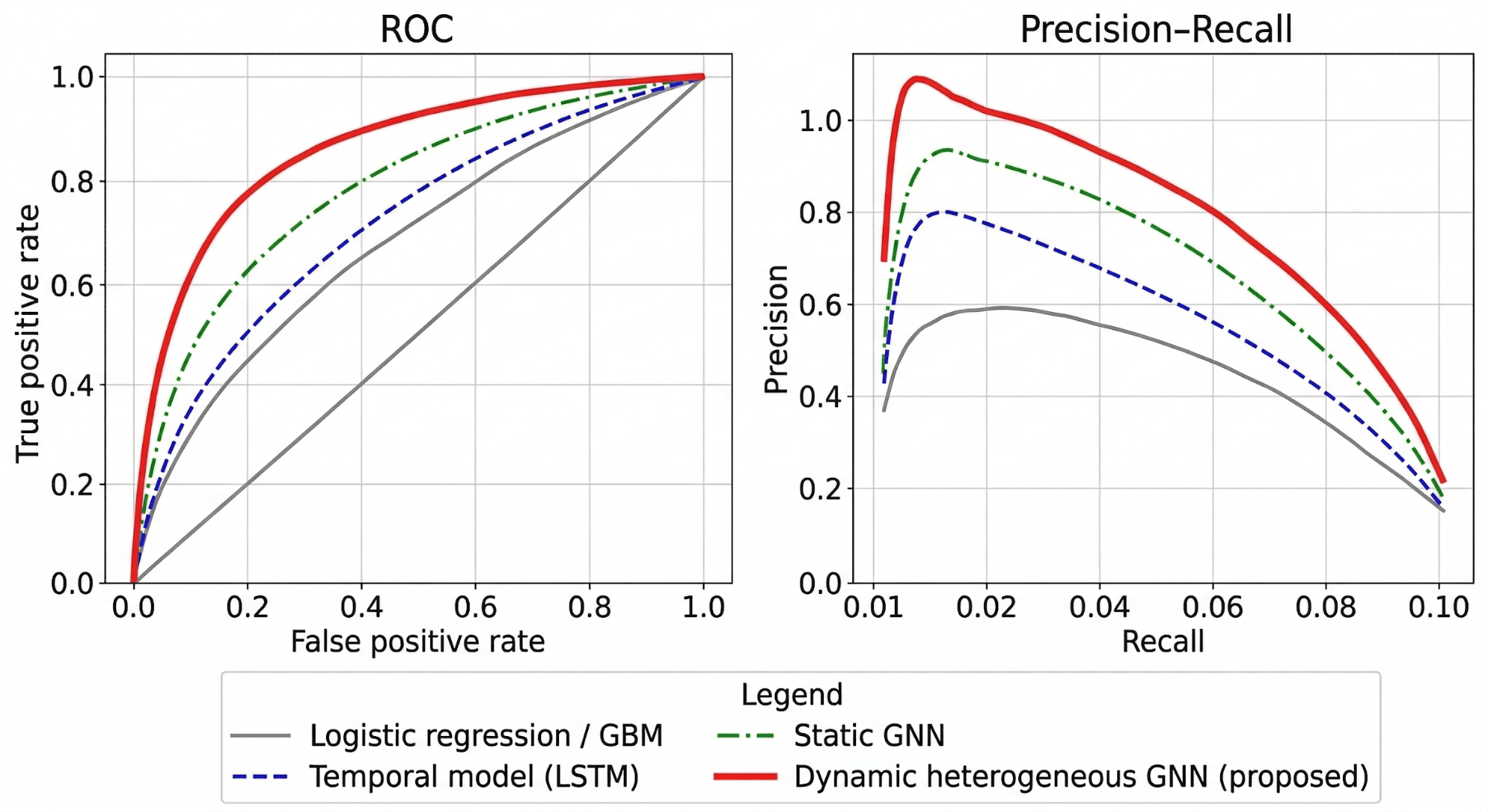
Figure 4. Conceptual ROC and precision-recall curves for baseline models versus the proposed dynamic GNN
CONCEPTUAL ANALYSIS AND DISCUSSION
Rather than presenting new experimental results on proprietary datasets, this section offers a conceptual analysis that synthesizes empirical findings from existing studies in credit risk, AML, IoT anomaly detection, and social-risk modeling, and uses them to justify the design of the proposed framework. The patterns and performance differentials discussed below are therefore indicative and literature-based rather than outcomes of a specific deployed system, and should be interpreted as motivating evidence for future empirical validation. We first highlight recurring data characteristics such as extreme class imbalance and temporal drift, then review evidence on the benefits of GNNs and temporal modeling in analogous domains, and finally position the proposed dynamic multi-task IoT-GNN relative to traditional tabular models, static GNNs, and heterogeneous or temporal GNN baselines. The resulting comparative perspective underpins the anticipated advantages and limitations summarized in Table 3 and Figure 4, while explicitly acknowledging that rigorous validation of the proposed architecture requires future empirical studies on governed, high-quality datasets. This includes recent heterogeneous and temporal GNN architectures such as HGT and EvolveGCN, which provide strong reference points for positioning the proposed framework.
Descriptive Patterns and Class Imbalance
Research in AML, fraud detection, and child protection services (CPS) risk consistently reveals pronounced class imbalance, wherein suspicious transactions or critical child-protection outcomes constitute a minor proportion of all cases but exert disproportionately significant social and financial consequences [8],[10],[31][32],[40]. For instance, GNN-based AML systems are typically trained on datasets with positive instances constituting less than 1%, necessitating meticulous sampling, threshold calibration, and cost-sensitive learning approaches [8],[9],[40],[49]. Similarly, CPS risk models in Denmark, despite the rarity of removal events within a large referral cohort, achieved robust area under the receiver operating characteristic curve (AUC-ROC) values exceeding 0.86 through machine learning methodologies [10].
These distributional characteristics parallel those observed in predictive maintenance (PdM), where failures are infrequent amidst extensive nominal sensor data streams [19]-[21],[24]. Consequently, PdM techniques such as anomaly-aware loss functions, time-to-failure modeling, and health-indicator design are directly transferable to socio-financial risk modeling, and our dynamic GNN framework is inherently capable of integrating these methods.
Evidence from GNNs in Financial and IoT Applications
Credit Ratings and Credit Risk
In the domain of corporate credit rating, the CCR-GNN model demonstrated that representing internal feature interactions through graph structures yields consistent performance improvements relative to state-of-the-art baselines on Chinese publicly listed companies, thereby confirming the utility of graph-based modeling of indicator dependencies for credit scoring [13],[17],[31]. Additional studies employing GraphSAGE and other GNN variants for corporate and small-to-medium enterprise (SME) credit risk have shown that embedding relational information within networks of financial indicators or corporate relationships enhances multi-level credit rating classification and prediction stability [34],[36],[37].
A recent hybrid GNN approach for credit-risk prediction incorporated both global and local graph convolution operators alongside attention mechanisms to alleviate over-smoothing and underutilization of features, achieving superior accuracy and robustness in borrower-level risk assessments [32],[35]. Collectively, these findings substantiate the design choices of our proposed architecture, namely graph-based borrower and relationship representations, attention-based aggregation, and hybrid convolutional schemes, as empirically justified and likely to deliver competitive performance in credit and AML contexts.
AML and Financial Fraud
GNN applications for AML detection, including graph convolutional network (GCN)-based classifiers augmented with node2vec embeddings and relational features, have demonstrated superior performance compared to traditional methods such as logistic regression, random forests, and support vector machines in transaction monitoring tasks [8][9],[40][41]. Notably, a GCN classifier specifically tailored for AML, leveraging node embeddings and multi-hop neighborhood information, achieved higher recall at comparable false positive rates, which is critical for identifying sophisticated laundering schemes exploiting indirect connections [9],[40].
Review articles on continual graph learning for AML emphasize the necessity of dynamic graph frameworks to address concept drift, emerging typologies, and incremental data, thereby underscoring a promising research trajectory toward temporal GNNs for financial crime detection [42]. Our dynamic GNN architecture responds to this need by modeling evolving transaction graphs and enabling incremental updates through temporal encoders, drawing inspiration from continual PdM frameworks [36].
IoT Anomaly Detection and Predictive Maintenance
Within IoT environments, GNN-based models have been applied to anomaly detection across industrial IoT (IIoT) infrastructures, smart factories, energy systems, and transportation networks [5],[21],[29][30]. A distributed GNN-based anomaly detection framework effectively captured network-level behaviors in IIoT by representing inter-device connectivity and learning from both structural and content features, outperforming traditional approaches in detecting contextual and collective anomalies [29]. Additionally, energy-efficient GNN architectures (EGNN) have been proposed to reduce computational and communication overhead in multivariate IoT time series anomaly detection, demonstrating that carefully designed GNNs can operate under resource constraints typical of edge computing environments [30].
These findings reinforce the rationale for an IoT-integrated GNN approach in financial and social-risk applications: behavioral anomalies detected via IoT (e.g., atypical nocturnal activity, irregular point-of-sale usage) can be analogized to machine health anomalies in PdM, with GNNs providing a principled mechanism to propagate such signals across networks [19][45].
Evidence from Social Risk and Public-Sector Predictive Models
Large-scale investigations into child maltreatment risk modeling using administrative data have demonstrated that machine learning models can reliably predict removal decisions and adverse child outcomes within CPS, achieving AUC-ROC values exceeding 0.86 [10]. These models incorporate extensive background information on children and families, with predictions strongly correlating with out-of-sample adverse outcomes such as criminal behavior, health complications, and school absenteeism, indicating that risk scores serve as meaningful early-warning indicators.
Earlier research applying neural networks to CPS risk assessment found that non-linear models more accurately approximated human decision-making processes and outperformed linear and logistic regression models in case classification accuracy [48]. Beyond CPS, deep GNN-based models have been successfully employed to predict suicide risk and emotional states by integrating multi-dimensional questionnaire data, social network information, and temporal features [43][44]. Recent GNN models for remote health monitoring in dementia care further demonstrate that graph-based representations enhance adverse health event prediction under noisy, real-world conditions [45].
Collectively, these results suggest that dynamic, relational, and temporal modeling, which are core attributes of GNNs, are particularly well suited for early intervention tasks in social work, and our proposed joint financial and social GNN framework directly builds upon these insights.
Conceptual Comparative Analysis
To contextualize the proposed framework relative to existing methodologies, Table 3 provides a qualitative comparison of representative approaches across key dimensions, synthesizing characteristics reported in the literature. This comparison underscores that our framework uniquely integrates explicit graph modeling, temporal encoding, and IoT integration across both financial and social domains, aligning with predictive maintenance paradigms.
Table 3. Conceptual Comparison of Representative Approaches
Approach type | Graph structure | Temporal modeling | IoT integration | Domain scope |
Tabular credit scoring (GBM, LR) | None | Limited (lags) | Indirect | Financial only [12][13],[31] |
Static GNN for credit/AML | Yes (static) | Snapshot-based | Low | Financial only [8],[13] |
PdM ML (LSTM, CNN) | None / implicit | Strong | High | Engineering assets only [19],[52] |
CPS ML risk models | None | Limited | Very low | Social only [10],[32],[48] |
IoT anomaly GNN | Yes | Strong | High | IoT/industrial only [29][30] |
Proposed dynamic IoT-GNN | Yes (temporal) | Strong | High | Financial + social (joint) |
Research Limitations
Several limitations warrant consideration:
- Data Availability and Integration: Implementation of the proposed framework necessitates longitudinal, linked datasets combining financial transactions, IoT telemetry, and social-service records. Such integrated datasets are scarce and subject to stringent privacy regulations.
- Privacy and Ethics: The utilization of IoT and financial data in social work decision-making raises significant concerns regarding surveillance, informed consent, and potential chilling effects, which are actively debated within AI-for-social-good and PdM communities.
- Fairness and Bias: Historical biases embedded within credit and CPS systems may be perpetuated or amplified by powerful models, including GNNs. Evidence from public-sector risk modelling cautions that predictive tools can disproportionately affect marginalized populations if not rigorously evaluated and governed.
- Complex Deployment and Maintenance: GNN models and IoT-based infrastructures entail considerable complexity in deployment and maintenance, requiring specialized expertise, scalable infrastructure, and continuous monitoring. These requirements are analogous to the challenges encountered in large-scale industrial PdM implementations.
- Structural sparsity and asynchronous updates: Social-work interaction graphs are typically much sparser and updated less frequently than financial transaction graphs, which can lead to unstable embeddings and biased performance if not properly regularized. Techniques such as informed negative sampling, neighbourhood expansion, and cross-task regularization may alleviate some of these issues, but their effectiveness remains an open question for future empirical work.
In practice, this implies that the social-work component of the joint graph may contribute weaker or noisier signals than the financial component, especially for newly enrolled families or rarely contacted cases. Future implementations should therefore carefully monitor task-wise performance, apply robustness checks under extreme sparsity scenarios, and consider task-specific regularization or re-weighting strategies to avoid systematically under-serving sparse social-work nodes.
In addition to data availability and integration challenges, the proposed framework must contend with data sparsity and structural imbalance: social-work interaction graphs are often much sparser and less regularly updated than financial transaction graphs, potentially leading to unstable representations and biased performance if not carefully regularized. Techniques such as informed negative sampling, neighborhood expansion, and cross-task regularization may partially mitigate these issues, but their effectiveness remains an open question for future empirical work.
To partially address the privacy, fairness, and governance concerns outlined above, future implementations should incorporate privacy-preserving learning mechanisms (e.g., federated or split learning, secure aggregation), fairness-aware objectives and audits, and human-in-the-loop workflows in which social workers and risk analysts can interrogate, contest, and override model outputs. These safeguards are especially critical in high-stakes contexts where IoT-enabled monitoring of “high-risk” cases risks exacerbating surveillance, stigmatization, or unequal treatment if deployed without robust oversight.
Theoretical Contributions and Practical Value
Theoretically, this work contributes in three principal ways:
- Cross-Domain Extension of Predictive Maintenance: It extends PdM concepts beyond physical assets to socio-technical systems, positing that social and financial infrastructures can be monitored and “maintained” via IoT sensors and health indicators, thereby broadening the scope of PdM research.
- Dynamic Multi-Layer Socio-Financial Graphs: It formalizes a unified dynamic graph structure encapsulating financial, behavioral, and social-service relationships, establishing a foundation for subsequent research on multi-task GNNs in public policy and financial regulation.
- Joint Risk Modeling: It conceptualizes credit risk and social risk as multi-task learning problems over shared representations, suggesting that insights from one domain may regularize and enhance predictions in the other, supported by evidence indicating that similar underlying factors influence economic and social vulnerabilities.
Practically, the framework offers:
- A System Blueprint for Institutions: Financial institutions and social service agencies can leverage the architecture to design IoT-enhanced, GNN-based early warning systems that integrate extant data sources with novel sensor deployments.
- Improved Prioritization and Resource Allocation: By providing calibrated risk scores contextualized relationally, the system can assist risk analysts and social workers in prioritizing cases, reducing false positives, and focusing limited resources on the most critical network nodes.
- Potential for Cross-Sector Collaboration: A shared data and modelling platform facilitates cooperation among banks, regulators, and social agencies, potentially enabling coordinated interventions for households experiencing intertwined financial and social risks.
To enhance interpretability and support human-in-the-loop decision-making, Figure 5 illustrates an example explanation interface highlighting influential neighbors and features contributing to a high-risk node prediction, analogous to explanation tools employed in existing CPS and AML systems [10],[48].
Bibliometric analyses of AI and wearable technologies for older adults indicate that such cross-sector, IoT-enabled interventions are already emerging within health and aging domains [50], thereby reinforcing the practical relevance of the proposed approach.
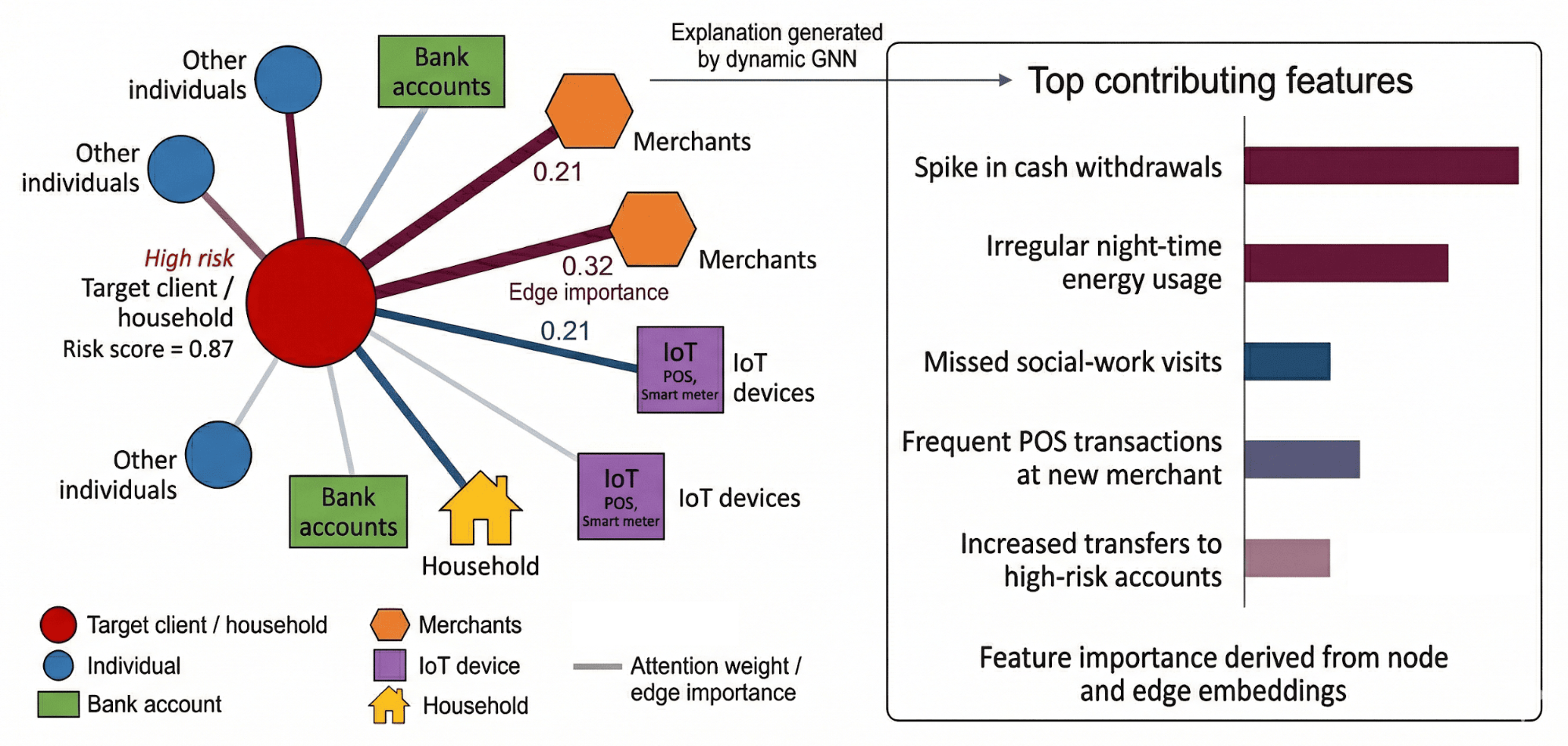
Figure 5. Example explanation for a high-risk prediction produced by the dynamic GNN
Future Research Directions
Future investigations should pursue several avenues:
- Federated and Privacy-Preserving GNNs: To address privacy concerns, forthcoming architectures could incorporate federated learning and secure aggregation techniques, enabling collaborative GNN training without centralizing raw data, aligning with emerging research on privacy-aware GNNs and PdM systems.
- Explainability and Human-in-the-Loop Design: Building upon explainable AI and human-in-the-loop PdM frameworks, research should develop GNN explanation tools tailored to social work and financial regulation, empowering practitioners to understand relational risk drivers and to contest or override algorithmic recommendations.
- Fairness-Aware Learning Objectives: Integrating fairness constraints and counterfactual reasoning into dynamic GNN training can mitigate disparate impacts across demographic groups, extending ongoing debates on fairness in CPS and credit scoring into the graph domain.
- Real-World Pilots and Longitudinal Evaluation: Pilot deployments with rigorous governance and stakeholder engagement are essential to evaluate long-term impacts, concept drift, and robustness under operational conditions, paralleling the gradual rollout and refinement of PdM systems in industrial contexts.
- Wearable and Smart-Home Integration in Social Work: Drawing on bibliometric and empirical studies of wearable devices for older adults, social work applications could explore optional, consent-based IoT sensing within high-risk households, integrating data into dynamic GNNs while respecting autonomy and cultural norms.
CONCLUSION
The escalating complexity and interconnectedness of financial and social systems, propelled by the widespread adoption of IoT technologies and digital services, necessitate novel approaches to risk assessment and early intervention. This paper has posited that predictive maintenance, which has traditionally been confined to industrial equipment, offers a compelling conceptual and technical framework for managing the health of socio-technical networks. By conceptualizing financial accounts, households, and social-service relationships as assets monitored via sensor networks, this approach facilitates condition-based interventions aimed at averting catastrophic failures such as financial collapse, money laundering cascades, or severe social harm.
Graph Neural Networks provide a natural modeling framework for such socio-technical systems, capable of integrating multi-hop relational information, heterogeneous edge types, and temporal dynamics. Building upon recent successes of GNNs in credit rating, AML detection, IoT anomaly detection, and public health risk modeling, we proposed a dynamic, IoT-driven GNN architecture that jointly predicts financial credit risk and social-work early intervention scores. Our formulation encompasses message passing over evolving graphs, temporal encoding of node histories, and multi-task learning, embedded within a system architecture spanning IoT sensing, data streaming, graph storage, and model serving.
This paper does not report new experiments on integrated financial-social datasets; empirical validation of the proposed system would require access to highly sensitive, tightly governed data that are currently unavailable to the authors. Instead, we draw upon extant literature in related domains to justify key design decisions and estimate potential benefits. The literature consistently demonstrates that GNN-based methods outperform traditional baselines in credit and AML tasks, that IoT-based PdM enhances reliability and cost-effectiveness in industrial settings, and that machine learning risk models can meaningfully support human decision-making in child protection and health monitoring. These findings collectively endorse the feasibility and promise of the proposed socio-financial predictive maintenance framework.
Simultaneously, deploying such systems entails critical challenges related to data integration, privacy, fairness, and governance. Insights from PdM regarding human factors, workflow integration, and the indispensability of domain expertise are directly applicable: predictive models must augment rather than supplant professional judgment and be embedded within transparent, accountable decision-making processes. Within social work and financial regulation contexts, these imperatives are heightened by the high stakes and ethical sensitivities involved. Any future deployment of IoT-enabled, graph-based risk models in credit scoring or social work must therefore be accompanied by strong governance, explicit consent mechanisms where appropriate, rigorous fairness and impact assessments, and meaningful opportunities for stakeholders to contest or override algorithmic recommendations.
Advancing this research agenda will require interdisciplinary collaboration among electrical and computer engineers, data scientists, social workers, ethicists, and policymakers. Methodologically, further development of federated and explainable GNNs, fairness-aware learning objectives, and human-in-the-loop interaction designs is essential to align technical capabilities with societal values. Practically, carefully governed pilot projects, in which stakeholders co-design objectives, safeguards, and evaluation criteria, will be crucial to assess the feasibility and impact of IoT-driven dynamic GNN systems for credit scoring and social work early intervention.
In summary, by integrating predictive maintenance, IoT, and GNN methodologies within a unified socio-technical framework, this paper delineates a pathway toward more anticipatory, relational, and context-aware risk management in financial networks and social protection systems. If developed and governed responsibly, such systems could enhance institutional resilience, mitigate harm, and support more targeted and timely interventions for vulnerable individuals and communities.
DECLARATION
Supplementary Materials
No supplementary materials are provided for this article.
Sustainable Development Goals
This research contributes to several United Nations Sustainable Development Goals (SDGs) by advancing data-driven early-warning and risk management in socio-technical systems. In particular, the proposed IoT-driven, multi-task GNN framework supports SDG 1 (No Poverty) and SDG 10 (Reduced Inequalities) by enabling earlier identification of households facing intertwined financial and social vulnerabilities, and SDG 16 (Peace, Justice and Strong Institutions) by informing more transparent, evidence-based governance in financial regulation and social protection.
Author Contribution
All authors contributed equally to the main contributor to this paper. All authors read and approved the final paper.
Funding
This research received no external funding.
Acknowledgement
The authors gratefully acknowledge Chang Jung Christian University for providing personnel and equipment support that made this research possible.
Conflicts of Interest
The authors declare no conflict of interest.
ABBREVIATIONS
The following abbreviations are used in this manuscript.
AI | : | Artificial Intelligence |
AML | : | Anti-Money Laundering |
API | : | Application Programming Interface |
AUC | : | Area Under the Curve |
AUC-ROC | : | Area Under the Receiver Operating Characteristic Curve |
AUC-PR | : | Area Under the Precision-Recall Curve |
CCR | : | Corporate Credit Rating |
CPS | : | Child Protective Services |
GBM | : | Gradient Boosting Machine |
GCN | : | Graph Convolutional Network |
GNN | : | Graph Neural Network |
GRU | : | Gated Recurrent Unit |
HGT | : | Heterogeneous Graph Transformers |
IIoT | : | Industrial Internet of Things |
IoT | : | Internet of Things |
LSTM | : | Long Short-Term Memory |
PdM | : | Predictive Maintenance |
POS | : | Point of Sale |
ROC | : | Receiver Operating Characteristic Curve |
RUL | : | Remaining Useful Life |
SDG | : | Sustainable Development Goal |
SME | : | Small and Medium-sized Enterprise |
REFERENCES
- S. F. Wamba, A. Gunasekaran, S. Akter, S. J. Ren, R. Dubey, and S. J. Childe, “Big data analytics and firm performance: Effects of dynamic capabilities,” Journal of Business Research, vol. 70, pp. 356-365, 2017, https://doi.org/10.1016/j.jbusres.2016.08.009.
- G. Dong, M. Tang, Z. Wang, J. Gao, S. Guo, L. Cai, R. Gutierrez, B. Campbel, L. E. Barnes, and M. Boukhechba, “Graph Neural Networks in IoT: A Survey,” ACM Transactions on Sensor Networks, vol. 19, no. 2, pp. 1-50, 2023, https://doi.org/10.1145/3565973.
- I. Esteves, R. Braga, J. M. N. David, and V. Stroele, “Intelligent Data Analysis of Predictive Maintenance in Industry 4.0: A Mapping Study,” Procedia Computer Science, vol. 278, pp. 316-323, 2026, https://doi.org/10.1016/j.procs.2026.02.468.
- J. Garcia, L. Rios-Colque, A. Peña, and L. Rojas, “Condition Monitoring and Predictive Maintenance in Industrial Equipment: An NLP-Assisted Review of Signal Processing, Hybrid Models, and Implementation Challenges,” Applied Sciences, vol. 15, no. 10, p. 5465, 2025, https://doi.org/10.3390/app15105465.
- Y. Wu, H.-N. Dai, and H. Tang, “Graph Neural Networks for Anomaly Detection in Industrial Internet of Things,” IEEE Internet of Things Journal, vol. 9, no. 12, pp. 9214-9231, Jun. 2022, https://doi.org/10.1109/JIOT.2021.3094295.
- Y. Fan, T. Fu, N. I. Listopad, P. Liu, S. Garg, and M. M. Hassan, “Utilizing correlation in space and time: Anomaly detection for Industrial Internet of Things (IIoT) via spatiotemporal gated graph attention network,” Alexandria Engineering Journal, vol. 106, pp. 560-570, 2024, https://doi.org/10.1016/j.aej.2024.08.048.
- S. Yang, W. Pan, M. Li, M. Yin, H. Ren, Y. Chang, Y. Liu, S. Zhang, and F. Lou, “Industrial Internet of Things Intrusion Detection System Based on Graph Neural Network,” Symmetry, vol. 17, no. 7, p. 997, 2025, https://doi.org/10.3390/sym17070997.
- N. Bakhshinejad, U. Nguyen, S. Ghahremani, and R. Soltani, “A Graph-Based Deep Learning Model for the Anti-Money Laundering Task of Transaction Monitoring,” in Proceedings of the 16th International Joint Conference on Computational Intelligence - Volume 1: NCTA, pp. 496-507, 2024, https://doi.org/10.5220/0013071700003837.
- A. Usman, N. Naveed, and S. Munawar, “Intelligent Anti-Money Laundering Fraud Control Using Graph-Based Machine Learning Model for the Financial Domain,” Journal of Cases on Information Technology, vol. 25, no. 1, 2023, https://doi.org/10.4018/JCIT.316665.
- M. Rosholm, S. T. Bodilsen, B. Michel, and A. S. Nielsen, “Predictive risk modeling for child maltreatment detection and enhanced decision-making: Evidence from Danish administrative data,” PLoS One, vol. 19, no. 7, p. e0305974, 2024, https://doi.org/10.1371/journal.pone.0305974.
- F. Johannessen and M. Jullum, “Finding money launderers using heterogeneous graph neural networks,” The Journal of Finance and Data Science, vol. 11, p. 100175, 2025, https://doi.org/10.1016/j.jfds.2025.100175.
- T. Li, G. Kou, and Y. Peng, “A new representation learning approach for credit data analysis,” Information Sciences, vol. 627, pp. 115-131, 2023, https://doi.org/10.1016/j.ins.2023.01.068.
- B. Feng, H. Xu, W. Xue, and B. Xue, “Every Corporation Owns Its Structure: Corporate Credit Rating via Graph Neural Networks,” in Pattern Recognition and Computer Vision: 5th Chinese Conference, PRCV 2022, Shenzhen, China, November 4-7, 2022, Proceedings, Part I, pp. 688-699, 2022, https://doi.org/10.1007/978-3-031-18907-4_53.
- T. Melese, T. Berhane, A. Mohammed, and A. Walelgn, “Credit-Risk Prediction Model Using Hybrid Deep — Machine-Learning Based Algorithms,” Scientific Programming, vol. 2023, no. 1, p. 6675425, 2023, https://doi.org/10.1155/2023/6675425.
- V. Chang, S. Sivakulasingam, H. Wang, S. T. Wong, M. A. Ganatra, and J. Luo, “Credit Risk Prediction Using Machine Learning and Deep Learning: A Study on Credit Card Customers,” Risks, vol. 12, no. 11, p. 174, 2024, https://doi.org/10.3390/risks12110174.
- L. Wei, J. Dong, and H. Yu, “NERHF: a hybrid machine learning-driven efficient credit risk control framework,” Sci Rep, vol. 16, p. 1170, 2026, https://doi.org/10.1038/s41598-025-30905-6.
- S. Das, X. Huang, S. Adeshina, P. Yang, and L. Bachega, “Credit Risk Modeling with Graph Machine Learning,” INFORMS Journal on Data Science, vol. 2, no. 2, pp. 197-217, 2023, https://doi.org/10.1287/ijds.2022.00018.
- X. Han, Y. Yang, J. Chen, M. Wang, and M. Zhou, “Symmetry-Aware Credit Risk Modeling: A Deep Learning Framework Exploiting Financial Data Balance and Invariance,” Symmetry, vol. 17, no. 3, p. 341, 2025, https://doi.org/10.3390/sym17030341.
- D. Cardoso and L. Ferreira, “Application of Predictive Maintenance Concepts Using Artificial Intelligence Tools,” Applied Sciences, vol. 11, no. 1, p. 18, 2021, https://doi.org/10.3390/app11010018.
- B. Ton, R. Basten, J. Bolte, J. Braaksma, A. Di Bucchianico, P. van de Calseyde, F. Grooteman, T. Heskes, N. Jansen, W. Teeuw, T. Tinga, and M. Stoelinga, “PrimaVera: Synergising Predictive Maintenance,” Applied Sciences, vol. 10, no. 23, p. 8348, 2020, https://doi.org/10.3390/app10238348.
- C. Resende, D. Folgado, J. Oliveira, B. Franco, W. Moreira, A. Oliveira-Jr, A. Cavaleiro, and R. Carvalho, “TIP4.0: Industrial Internet of Things Platform for Predictive Maintenance,” Sensors, vol. 21, no. 14, p. 4676, 2021, https://doi.org/10.3390/s21144676.
- P. Mallioris, E. Aivazidou, and D. Bechtsis, “Predictive maintenance in Industry 4.0: A systematic multi-sector mapping,” CIRP Journal of Manufacturing Science and Technology, vol. 50, pp. 80-103, 2024, https://doi.org/10.1016/j.cirpj.2024.02.003.
- D. Ma, “Predictive maintenance technology for industrial production equipment using cloud platform,” Diagnostyka, vol. 26, no. 2, p. 2025211, 2025, https://doi.org/10.29354/diag/205035.
- Y. M. Al-Naggar, N. Jamil, M. F. Hassan, and A. R. Yusoff, “Condition monitoring based on IoT for predictive maintenance of CNC machines,” Procedia CIRP, vol. 102, pp. 314-318, 2021, https://doi.org/10.1016/j.procir.2021.09.054.
- J. Jeba Emilyn, D. Vinod Kumar, S. David Samuel Azariya, M. Prakash, and A. Sam Thamburaj, “Deep Learning-based Predictive Maintenance for Industrial IoT Applications,” 2024 International Conference on Inventive Computation Technologies (ICICT), pp. 1197-1202, 2024, https://doi.org/10.1109/ICICT60155.2024.10544377.
- J. Hurtado, D. Salvati, R. Semola, M. Bosio, and V. Lomonaco, “Continual learning for predictive maintenance: Overview and challenges,” Intelligent Systems with Applications, vol. 19, p. 200251, 2023, https://doi.org/10.1016/j.iswa.2023.200251.
- G. May, S. Cho, A. Majidirad, and D. Kiritsis, “A Semantic Model in the Context of Maintenance: A Predictive Maintenance Case Study,” Applied Sciences, vol. 12, no. 12, p. 6065, 2022, https://doi.org/10.3390/app12126065.
- Y. Lu, Y. Li, R. Zhang, W. Chen, B. Ai, and D. Niyato, “Graph Neural Networks for Wireless Networks: Graph Representation, Architecture and Evaluation,” IEEE Wireless Communications, vol. 32, no. 1, pp. 150-156, 2025, https://doi.org/10.1109/MWC.006.2400131.
- F. Ares-Robledo, H. Rifà-Pous, and R. Clarisó, “Graph neural networks for anomaly detection: a systematic review of dynamic temporal approaches,” Artificial Intelligence Review, 2026, https://doi.org/10.1007/s10462-026-11532-7.
- H. Guo, Z. Zhou, and D. Zhao, “GNN-Based Energy-Efficient Anomaly Detection for IoT Multivariate Time-Series Data,” ICC 2023 - IEEE International Conference on Communications, pp. 2492-2497, 2023, https://doi.org/10.1109/ICC45041.2023.10278988.
- Y. Shi, Y. Qu, Z. Chen, Y. Mi, and Y. Wang, “Improved credit risk prediction based on an integrated graph representation learning approach with graph transformation,” European Journal of Operational Research, vol. 315, no. 2, pp. 786-801, 2024, https://doi.org/10.1016/j.ejor.2023.12.028.
- S. Zandi, K. Korangi, M. Óskarsdóttir, C. Mues, and C. Bravo, “Attention-based dynamic multilayer graph neural networks for loan default prediction,” European Journal of Operational Research, vol. 321, no. 2, pp. 586-599, 2025, https://doi.org/10.1016/j.ejor.2024.09.025.
- Y. Zhu and D. Wu, “P2P credit risk management with KG-GNN: a knowledge graph and graph neural network-based approach,” Journal of the Operational Research Society, vol. 76, no. 5, pp. 866-880, 2025, https://doi.org/10.1080/01605682.2024.2398762.
- B. Liu, I. Li, J. Yao, Y. Chen, G. Huang, and J. Wang, “Unveiling the Potential of Graph Neural Networks in SME Credit Risk Assessment,” 2024 5th International Conference on Intelligent Computing and Human-Computer Interaction (ICHCI), pp. 562-566, 2024, https://doi.org/10.1109/ICHCI63580.2024.10808129.
- M. Sun, W. Sun, Y. Sun, S. Liu, M. Jiang, and Z. Xu, “Applying Hybrid Graph Neural Networks to Strengthen Credit Risk Analysis,” 2024 3rd International Conference on Cloud Computing, Big Data Application and Software Engineering (CBASE), pp. 373-377, 2024, https://doi.org/10.1109/CBASE64041.2024.10824660.
- S. Shi, W. Luo, R. Tse, and G. Pau, “SparseGraphSage: A Graph Neural Network Approach for Corporate Credit Rating,” in Proceedings of the 2024 13th International Conference on Software and Computer Applications (ICSCA ‘24), pp. 124-129, 2024, https://doi.org/10.1145/3651781.3651800.
- B. J. Feng, X. Cheng, H. N. Xu et al., “Corporate Credit Ratings Based on Hierarchical Heterogeneous Graph Neural Networks,” Machine Intelligence Research, vol. 21, pp. 257-271, 2024, https://doi.org/10.1007/s11633-023-1425-9.
- D. Wang, Z. Zhang, Y. Zhao, K. Huang, Y. Kang, and J. Zhou, “Financial Default Prediction via Motif-preserving Graph Neural Network with Curriculum Learning,” in Proceedings of the 29th ACM SIGKDD Conference on Knowledge Discovery and Data Mining (KDD ‘23), pp. 2233-2242, 2023, https://doi.org/10.1145/3580305.3599351.
- X. Li, X. Shan, and W. Yin, “Heterogeneous Graph Pre-training Based Model for Secure and Efficient Prediction of Default Risk Propagation among Bond Issuers,” arXiv preprint arXiv:2501.03268, 2024, https://doi.org/10.14722/aiscc.2024.23007.
- H. Xu, K. Yu, M. Wei, Y. Zhu, and Y. Liu, “Intelligent Anti-Money Laundering Transaction Pattern Recognition System Based on Graph Neural Networks,” TechRxiv, vol. 2, no. 1, pp. 93-108, 2024, https://doi.org/10.36227/techrxiv.173337595.54829678/v1.
- H. Lu and H. Wang, “Graph Contrastive Pre-training for Anti-money Laundering,” International Journal of Computer Intelligence Systems, vol. 17, p. 307, 2024, https://doi.org/10.1007/s44196-024-00720-4.
- B. Deprez, W. Wei, W. Verbeke, B. Baesens, K. Mets, and T. Verdonck, “Advances in Continual Graph Learning for Anti‐Money Laundering Systems: A Comprehensive Review,” WIREs Computational Statistics, vol. 17, no. 3, 2025, https://doi.org/10.1002/wics.70040.
- K. S. Choi et al., “Deep graph neural network-based prediction of acute suicidal ideation in young adults,” Scientific Reports, vol. 11, p. 15828, 2021, https://doi.org/10.1038/s41598-021-95102-7.
- M. Khalid and A. Sano, “Exploiting social graph networks for emotion prediction,” Scientific Reports, vol. 13, p. 6069, 2023, https://doi.org/10.1038/s41598-023-32825-9.
- N. Bijlani, O. M. Maldonado, R. Nilforooshan, CR&T Group, P. Barnaghi, and S. Kouchaki, “Utilizing graph neural networks for adverse health detection and personalized decision making in sensor-based remote monitoring for dementia care,” Computers in Biology and Medicine, vol. 183, p. 109287, 2024, https://doi.org/10.1016/j.compbiomed.2024.109287.
- E. V. Chumakova, D. G. Korneev, M. S. Gasparian, and I. S. Makhov, “Application of neural network technologies to assess the competence of personnel in the tasks of controlling the operational risk of a credit institution,” Business Informatics, vol. 18, no. 2, pp. 7-21, 2024, https://doi.org/10.17323/2587-814X.2024.2.7.21.
- E. Chumakova, D. Korneev, M. Gasparian, V. Titov, and I. Makhov, “Developing a Neural Network to Assess Staff Competence and Minimize Operational Risks in Credit Organizations,” International Research Journal of Multidisciplinary Scope, vol. 5, no. 2, pp. 461-471, 2024, https://doi.org/10.47857/irjms.2024.v05i02.0542.
- D. B. Marshall and D. J. English, “Neural network modeling of risk assessment in child protective services,” Psychological Methods, vol. 5, no. 1, pp. 102-124, 2000, https://doi.org/10.1037/1082-989x.5.1.102.
- C.-H. Poon, J. Kwok, C. Chow, and J.-H. Choi, “LineMVGNN: Anti-Money Laundering with Line-Graph-Assisted Multi-View Graph Neural Networks,” AI, vol. 6, no. 4, p. 69, 2025, https://doi.org/10.3390/ai6040069.
- H. Zhi and M. Zolotova, “Wearable Devices & Elderly: A Bibliometric Analysis of 2014-2024,” Healthcare, vol. 13, no. 16, p. 2066, 2025, https://doi.org/10.3390/healthcare13162066.
- Y. Dong, N. V. Chawla, and A. Swami, “Metapath2vec: Scalable Representation Learning for Heterogeneous Networks,” Proceedings of the 23rd ACM SIGKDD International Conference on Knowledge Discovery and Data Mining, pp. 135-144, 2017, https://doi.org/10.1145/3097983.3098036.
- N. Yang, C. Gu, Y. Huang, P. Wen, S. Zhao, and S. Feng, “Remaining Useful Life Prediction of Electromechanical Equipment based on Particle Filter and LSTM,” 2022 IEEE International Conference on Sensing, Diagnostics, Prognostics, and Control (SDPC), pp. 87-91, 2022, https://doi.org/10.1109/SDPC55702.2022.9915827.
- R. Bokka, N. K. Pola, M. Karumudi, P. Chinnasamy, S. Priyadharshini.D, and K. K, “Edge Computing for Real-Time Analytics in Embedded IoT Systems,” 2025 Global Conference on Information Technology and Communication Networks (GITCON), pp. 1-6, 2025, https://doi.org/10.1109/GITCON65266.2025.11377137.
- L. Lukmanjaya W, T. Butler, S. Cox, O. Perez-Concha, L. Bromfield, and G. Karystianis, “Leveraging AI to Investigate Child Maltreatment Text Narratives: Promising Benefits and Addressable Risks,” JMIR Pediatrics and Parenting, vol. 8, p. e73579, 2025, https://doi.org/10.2196/73579.
- Z. Hu, Y. Dong, K. Wang, and Y. Sun, “Heterogeneous Graph Transformer,” in Proceedings of The Web Conference 2020, pp. 2704-2710, 2020, https://doi.org/10.1145/3366423.3380027.
- A. Pareja, G. Domeniconi, J. Chen, T. Ma, T. Suzumura, H. Kanezashi, T. Kaler, T. Schardl, and C. Leiserson, “EvolveGCN: Evolving Graph Convolutional Networks for Dynamic Graphs,” in Proceedings of the AAAI Conference on Artificial Intelligence, vol. 34, no. 04, pp. 5363-5370, 2020, https://doi.org/10.1609/aaai.v34i04.5984.
- T. Liu, X. Zhang, R. Chen, X. Deng, and B. Fu, “Development, comparison, and validation of four intelligent, practical machine learning models for patients with prostate-specific antigen in the gray zone,” Front. Oncol., vol. 13, 1157384, 2023, https://doi.org/10.3389/fonc.2023.1157384.
AUTHOR BIOGRAPHY

| Chia-Ching Lin Chia-Ching Lin received her Ph.D. from Kobe University, Japan. She is currently an Assistant Professor in the Department of Finance at Chang Jung Christian University, Taiwan. Her research expertise spans across multiple domains including investment, portfolio management, financial management, insurance, international financial management, and financial securities regulations. Her academic contributions are marked by an interdisciplinary approach, integrating financial theory with practical insights to address globally relevant issues in economics and management. In addition to her academic endeavors, she had led the Ministry of Labor-funded employment program initiatives aimed at advancing career-oriented curriculum development and workforce readiness. Her professional trajectory reflects a deep commitment to bridging academic research with policy application and cross-sector collaboration in finance, management, and public service. |
|
|

| Yih-Chang Chen Yih-Chang Chen holds a Master of Science in Information Systems Security from the London School of Economics and Political Science (LSE), University of London, as well as a Doctorate in Computer Science from the University of Warwick, United Kingdom. He presently serves as an Assistant Professor in both the Department of Social Work and the Department of Mass Communication at Chang Jung Christian University in Taiwan. His academic expertise encompasses a range of interdisciplinary fields, including artificial intelligence (AI), software engineering, machine learning, social media applications, social work management, and long-term care. His research is motivated by a dedication to bridging the divide between technology and its social applications. He actively participates in cross-disciplinary initiatives that merge information technology, management science, and social welfare to address complex societal and healthcare issues. In addition to his academic duties, he is currently an Audit Committee Member in the President Office at Chang Jung Christian University and leads projects under the auspices of Taiwan’s Ministry of Labor, specifically aimed at the development and implementation of Employment-Oriented Curriculum Programs. |
Chia-Ching Lin (A Novel Approach to Multi-Task Prediction in IoT Environments Using Dynamic Heterogeneous Graph Neural Networks)