ISSN: 2685-9572 Buletin Ilmiah Sarjana Teknik Elektro
Vol. 8, No. 3, June 2026, pp. 824-836
A Portable Solar-Powered Wireless Charger: Design, Implementation, and Performance Analysis
Alfarid Hendro Yuwono 1, Deshinta Arrova Dewi 2, Rajani Balakrishnan 3, Reza Rahmadian 4,
Nafi Isbadrianingtyas 5, Widi Aribowo 6, Vugar Hacimahmud Abdullayev 7, Aliyu Sabo 8
1,4,6 Department of Electrical Engineering, State University of Surabaya, Indonesia
2,3 Department of Computer Science and Technology, Faculty of Data Science and Information Technology,
INTI International University, 71800 Nilai, Negeri Sembilan, Malaysia
5 Department of Primary Education, State University of Surabaya, Indonesia
7 Department of Computer Engineering, Azerbaijan State Oil and Industry University, Baku, Azerbaijan
8 Department of Electrical and Electronic Engineering, Nigerian Defence Academy Kaduna, Kaduna, Nigeria
ARTICLE INFORMATION |
| ABSTRACT |
Article History: Received 06 November 2025 Revised 03 June 2026 Accepted 18 June 2026 |
| 
The increasing demand for portable and off-grid charging solutions has motivated the development of solar-powered wireless power transfer (WPT) systems for consumer electronics. This paper presents the design, implementation, and experimental performance evaluation of a portable solar-powered wireless charger that integrates a 3-Wp photovoltaic (PV) panel with a near-field inductive coupling WPT system operating at a resonant frequency of 90 kHz. The research contribution is a fully integrated, low-cost prototype that demonstrates the feasibility of combining solar energy harvesting with contactless inductive charging for mobile devices, addressing the gap in portable off-grid wireless charging solutions. The system comprises a solar panel connected to a powerbank serving as an energy buffer, a series-series (SS) compensated inductive coil pair, a high-frequency inverter, and an AC/DC rectifier stage. Experimental testing was conducted in Malang City, Indonesia, under natural sunlight conditions. Results showed that the solar panel output voltage ranged from 6.2 V to 6.8 V under direct sunlight, declining by more than 30% under cloudy conditions. Peak power transfer efficiency of 65.3% was achieved at the 90 kHz resonant frequency, and efficiency decreased inversely with coil separation distance, dropping from 65.3% at 0 cm to below 10% at 5 cm. The powerbank required approximately 460 minutes of solar charging to reach 4 V, and the mobile phone battery charged at an average rate of 8.5 minutes per 1% capacity increase, compared to approximately 4.2 minutes per 1% for a standard wired charger. The study demonstrates the practical feasibility of portable solar-WPT integration for outdoor and emergency charging applications, while identifying weather dependence and limited effective coil distance as primary constraints for future optimization. This research aligns with the United Nations Sustainable Development Goals (SDGs), particularly SDG 7 (Affordable and Clean Energy) by promoting renewable energy access and photovoltaic technology for off-grid communities, SDG 9 (Industry, Innovation and Infrastructure) through the development of innovative low-cost wireless charging infrastructure, SDG 11 (Sustainable Cities and Communities) by enabling resilient and portable energy solutions for underserved and emergency settings, and SDG 13 (Climate Action) by advancing clean energy alternatives that reduce dependence on fossil-fuel-based electricity. |
Keywords: Solar Panels; Wireless Charger; Oscillation Frequency; Inductive; Electromagnetics |
Corresponding Author: Alfarid Hendro Yuwono, Department of Electrical Engineering, State University of Surabaya, Indonesia. Email: alfaridyuwono@unesa.ac.id |
This work is open access under a Creative Commons Attribution-Share Alike 4.0 
|
Document Citation: A. H. Yuwono, D. A. Dewi, R. Balakrishnan, R. Rahmadian, N. Isbadrianingtyas, W. Aribowo, V. H. Abdullayev, and A. Sabo, “A Portable Solar-Powered Wireless Charger: Design, Implementation, and Performance Analysis,” Buletin Ilmiah Sarjana Teknik Elektro, vol. 8, no. 3, pp. 824-836, 2026, DOI: 10.12928/biste.v8i3.15226. |
INTRODUCTION
Wireless power transfer (WPT) technology has emerged as a transformative solution for charging portable electronic devices without physical connectors [1]. By eliminating mechanical wear on charging ports and enabling convenient, cable-free operation, WPT offers substantial advantages for consumer electronics, medical implants, and electric vehicles [2]. Near-field inductive coupling, which operates on Faraday's law of electromagnetic induction, has become the dominant WPT approach for portable devices due to its simplicity, high efficiency at close range, and proven safety record [3][4].
Simultaneously, photovoltaic (PV) solar technology has matured as a reliable source of renewable energy for off-grid and portable applications [5]. The integration of PV energy harvesting with WPT systems represents a compelling pathway toward self-sufficient, portable charging solutions that do not depend on conventional electrical infrastructure [6]. Such systems are particularly valuable for outdoor activities, remote communities, emergency scenarios, and developing regions where grid access is limited or unreliable [7].
However, the existing body of research on solar-powered WPT systems for portable consumer electronics reveals several unresolved challenges [8]. First, most studies focus on large-scale PV-WPT systems for electric vehicle (EV) charging or stationary applications, rather than compact, handheld prototypes suited for mobile phone charging [9]. Second, the impact of variable solar irradiance—particularly under cloudy conditions—on end-to-end charging efficiency has not been systematically characterized in the context of portable systems [10]. Third, the relationship between coil separation distance, resonant frequency selection, and overall power transfer efficiency requires careful empirical validation for low-power near-field systems [11].
This paper addresses these gaps by presenting the complete design, hardware implementation, and performance characterization of a portable 3-Wp solar-powered inductive WPT prototype [12]. The specific contribution of this research is threefold: (1) a low-cost, portable hardware prototype integrating a PV panel, a powerbank energy buffer, and a 90-kHz inductive WPT stage; (2) empirical characterization of solar panel output variability under natural Indonesian sunlight conditions; and (3) systematic measurement of WPT efficiency as a function of both resonant frequency (70–140 kHz) and coil separation distance (0–5 cm) [13]. The system specifically targets near-field, non-radiative inductive coupling for low-power mobile device charging, distinguishing it from far-field RF and large-scale magnetic resonance systems [14].
The remainder of this paper is organized as follows. Section 2 reviews the theoretical foundation and state of the art in WPT and solar charging integration. Section 3 details the system design and experimental methodology. Section 4 presents and analyzes the experimental results. Section 5 concludes the study and recommends future work directions.
LITERATURE REVIEW
Theoretical Basis of Electromagnetic Induction
The physical foundation of WPT lies in classical electromagnetism [15]. In 1819, H.C. Oersted established that electric currents generate surrounding magnetic fields, a discovery that directly led to the formulation of Biot-Savart's Law, Ampere's Law, and Faraday's Law of Induction [16][17]. James Clerk Maxwell subsequently unified these principles in his landmark 1873 treatise, providing the complete mathematical framework describing how time-varying magnetic fields induce electromotive forces in nearby conductors [18][19]. These laws form the theoretical basis for modern inductive WPT: alternating current in a primary coil generates a time-varying magnetic field that induces voltage in a magnetically coupled secondary coil [20].
Classification of Wireless Charging Technologies
As illustrated in Figure 1, wireless charging technologies are broadly categorized into two classes: near-field (non-radiative) methods and far-field (radiative) methods. Near-field methods, which include inductive coupling [21], magnetic resonance coupling [22], and capacitive coupling [23], exploit evanescent electromagnetic fields that decay rapidly with distance. Far-field methods, including directive RF power beamforming and non-directive RF energy harvesting, use propagating electromagnetic waves to transfer energy over longer distances [24].
Capacitive coupling achieves energy transfer via oscillating electric fields between opposing plate electrodes, but the coupling capacitance—and thus power density—is constrained by electrode surface area, limiting practicality for standard-sized mobile devices [25]. Directive RF beamforming requires precise knowledge of the receiver's location, which is impractical for general consumer use. Consequently, near-field inductive and magnetic resonance coupling remain the dominant approaches for consumer WPT applications [26].
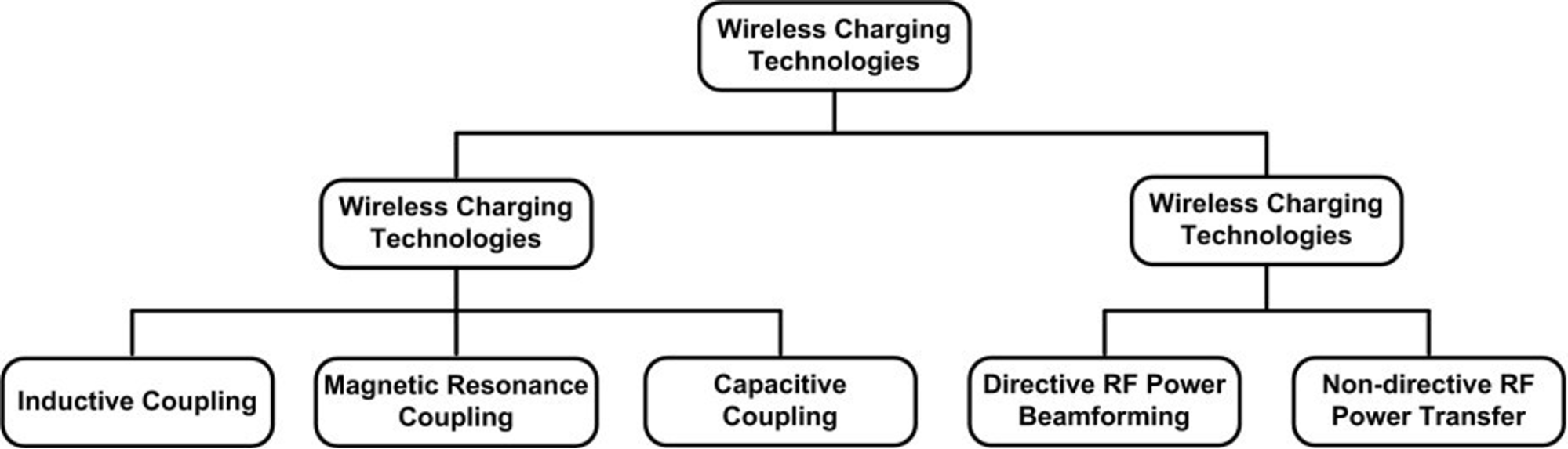
Figure 1. Classification of Wireles Charging Technologies
Inductive Coupling
[27] operates on the principle of magnetic induction, where electrical energy is transferred between two coils. The conceptual model is illustrated in Figure 2. Inductive power transfer (IPT) occurs when a primary coil generates a rapidly varying magnetic field, inducing a corresponding voltage or current in a secondary coil positioned within the near field—typically at distances shorter than the electromagnetic wavelength. This induced voltage can then be utilized to charge wireless devices or energy storage systems. Inductive systems generally operate in the kilohertz frequency range, and the secondary coil must be tuned to the operating frequency to maximize power transfer efficiency [28]. The quality factor is typically kept low (e.g., below 10 [29]) because higher quality factors lead to rapid attenuation of transferred power [30]. As a consequence of limited compensation for high-Q operation, the effective charging distance is usually restricted to within approximately 20 cm [31]. Inductively coupled systems are commonly employed in radio-frequency identification (RFID) technologies [32][33] is a boundary-pushing example of extending charging distances by tens of centimeters, at reduced efficiency costs (e.g., 1-2% [34]) with power received in the microwattage range. Despite the limited transmission range, the effective charging power can be very high (e.g., kilowatt rates [35] for recharging electric vehicles). The advantages of magnetic inductive couplings include ease of implementation, easy operation, high efficiency in close proximity (usually less than the diameter of the coil) and guaranteed safetyConsequently, this method is widely adopted for mobile electronic devices. More recently, researchers at MIT introduced an advanced wireless charging technique known as MagMIMO [36], capable of delivering power to devices at distances of up to 30 cm. MagMIMO is reported to detect the presence of a mobile phone and direct focused energy beams toward it—even when the device is located inside a pocket.
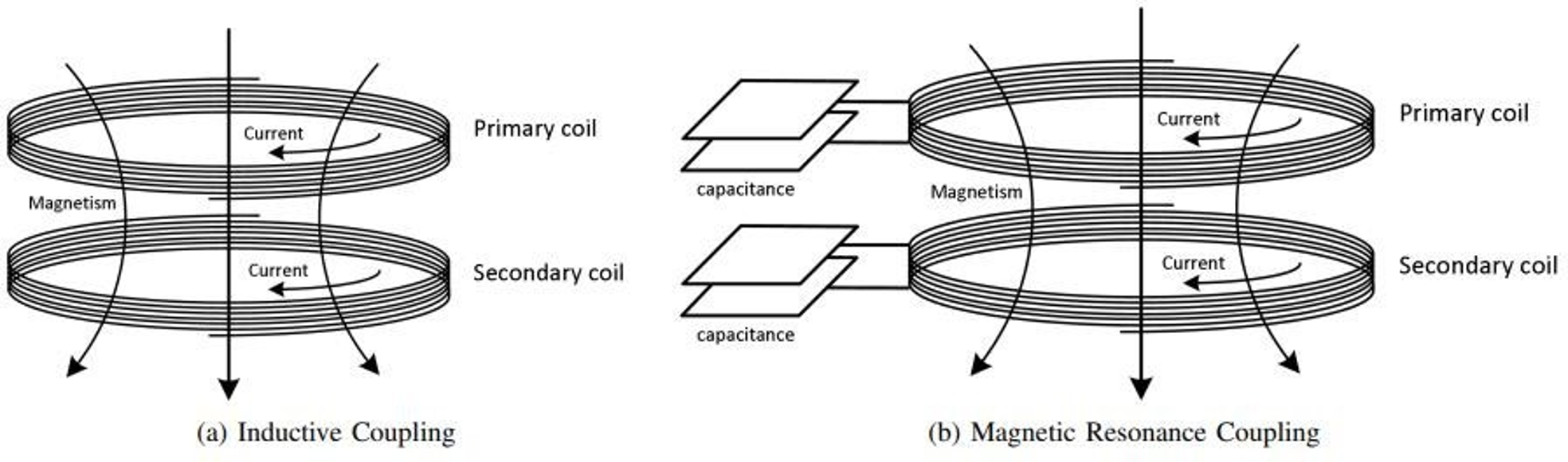
Figure 2. Inductive Coupling and Magnetic Resonance Coupling
Magnetic Resonance Coupling
Magnetic resonance coupling functions by leveraging the interaction of evanescent waves to generate and transmit electrical energy between two resonant coils through a dynamically varying magnetic field [37]. When both coils are tuned to the same resonant frequency, efficient energy transfer is achieved with minimal dissipation into non-resonant surroundings. For instance, a recent prototype [38] demonstrated a maximum transfer efficiency of 92.6% at a separation of 0.3 cm. Owing to their resonant characteristics, magnetic resonance systems are inherently resistant to environmental perturbations and do not require a direct line of sight. Prior studies [39][40] have shown that magnetically coupled resonators can transmit power over significantly longer distances than inductive coupling techniques, while maintaining higher efficiency compared to RF radiation-based methods [41]. Moreover, this approach supports multi-device charging by enabling one transmitting resonator to simultaneously power multiple receiving resonators [42][43]. Because magnetic resonance coupling typically operates in the megahertz frequency range, the system exhibits a high quality factor. As the transmission distance increases, a high-Q design mitigates the rapid decline in the coupling coefficient, thereby improving overall transfer efficiency [44]. This enables effective power delivery at distances on the order of meters. In 2007, MIT researchers introduced a mid-range wireless power transfer technology known as Witricity, based on strong magnetic resonance coupling [45][46]. Reports indicate that Witricity can illuminate a 60-W light bulb at distances exceeding two meters with an efficiency of approximately 40%, rising to about 90% at a one-meter range. Despite these advantages, miniaturizing Witricity receivers remains challenging because their operation relies on distributed capacitive coils, limiting their applicability for compact portable devices. Additionally, while magnetic resonance coupling allows simultaneous charging of multiple devices by tuning their resonant coils [47], the mutual coupling among receiver coils [48] can introduce interference, necessitating careful tuning and system optimization.
RF Radiation
RF radiation utilizes scattered RF waves as a medium to carry radiant energy [49]. RF waves propagate in space at the speed of light, usually in line of sight. The typical frequency range of RF/microwave ranges from 300MHz to 300GHz [50]. Energy transfer can use other electromagnetic waves such as infrared and X-rays, but due to safety concerns, their use is limited. The architecture of the microwave power transmission system is shown in Figure 3. The power transmission process begins with the conversion from AC to DC, followed by the conversion from DC to RF via a magnetron on the transmitter side. After propagating through the air, the RF waves captured by the receiving rectenna are repaired back into electricity through conversion from RF to DC. The efficiency of RF to DC conversion depends largely on the power density captured on the receiving antenna, the accuracy of impedance matching between the antenna and the voltage multiplier, as well as the power efficiency of the voltage multiplier that converts the received RF signal into DC voltage [51]. Recent implementation examples show that RF to DC conversion efficiencies reach 62% and 84% for cumulative input power of -10dBm and 5.8dBm respectively [52]. A more detailed review of the conversion efficiency of RF energy harvester implementation can be found in [53].
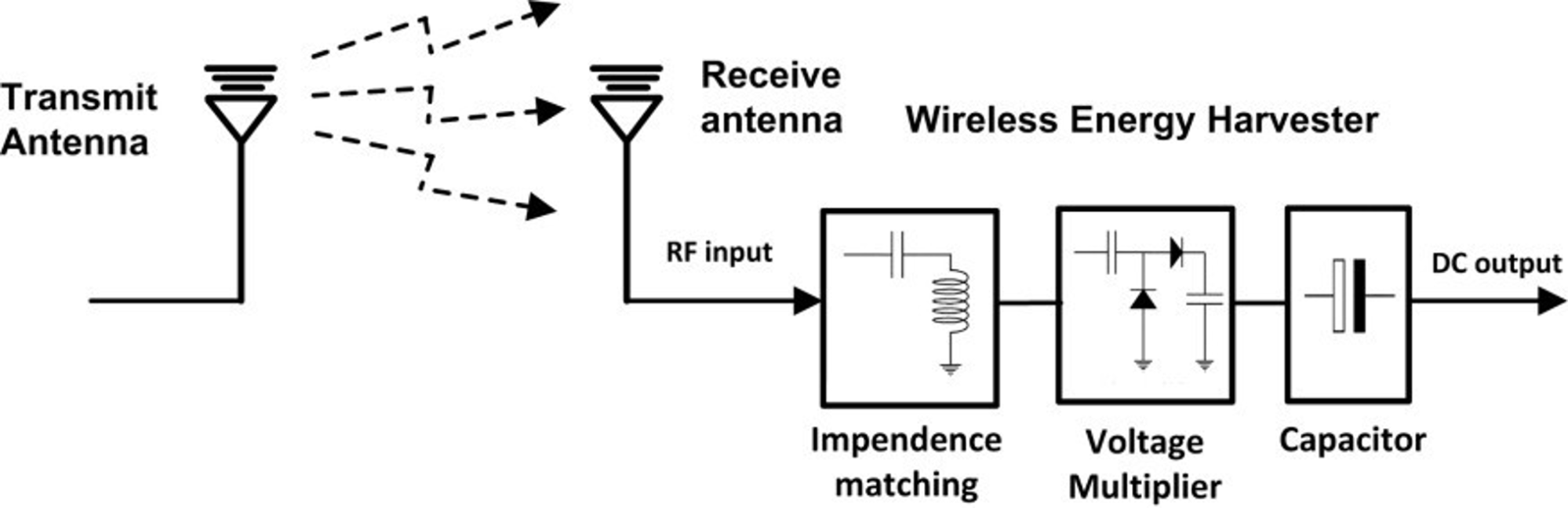
Figure 3. Far-field wireless charging system
From a theoretical standpoint (Table 1), prior studies have examined the mathematical characterization of energy conversion efficiency and maximum extractable power in energy-harvesting circuits. RF and microwave energy may be radiated isotropically or directed using beamforming techniques [54]. While isotropic transmission is better suited for broadcast-type applications, point-to-point wireless power delivery benefits significantly from energy beamforming, which enhances transmission efficiency. Beamforming concentrates the emitted signal using an antenna array (or aperture), and the directivity—or sharpness—of the energy beam improves as the number of transmitting antennas increases [55]. Utilizing larger antenna arrays further enhances this directivity. Recent technological advancements have also enabled the commercialization of such systems. Examples include the Powercaster transmitter and Powerharvester receiver modules, which support isotropic wireless power delivery at power levels of 1 W and 3 W.
Wireless Charging System Design
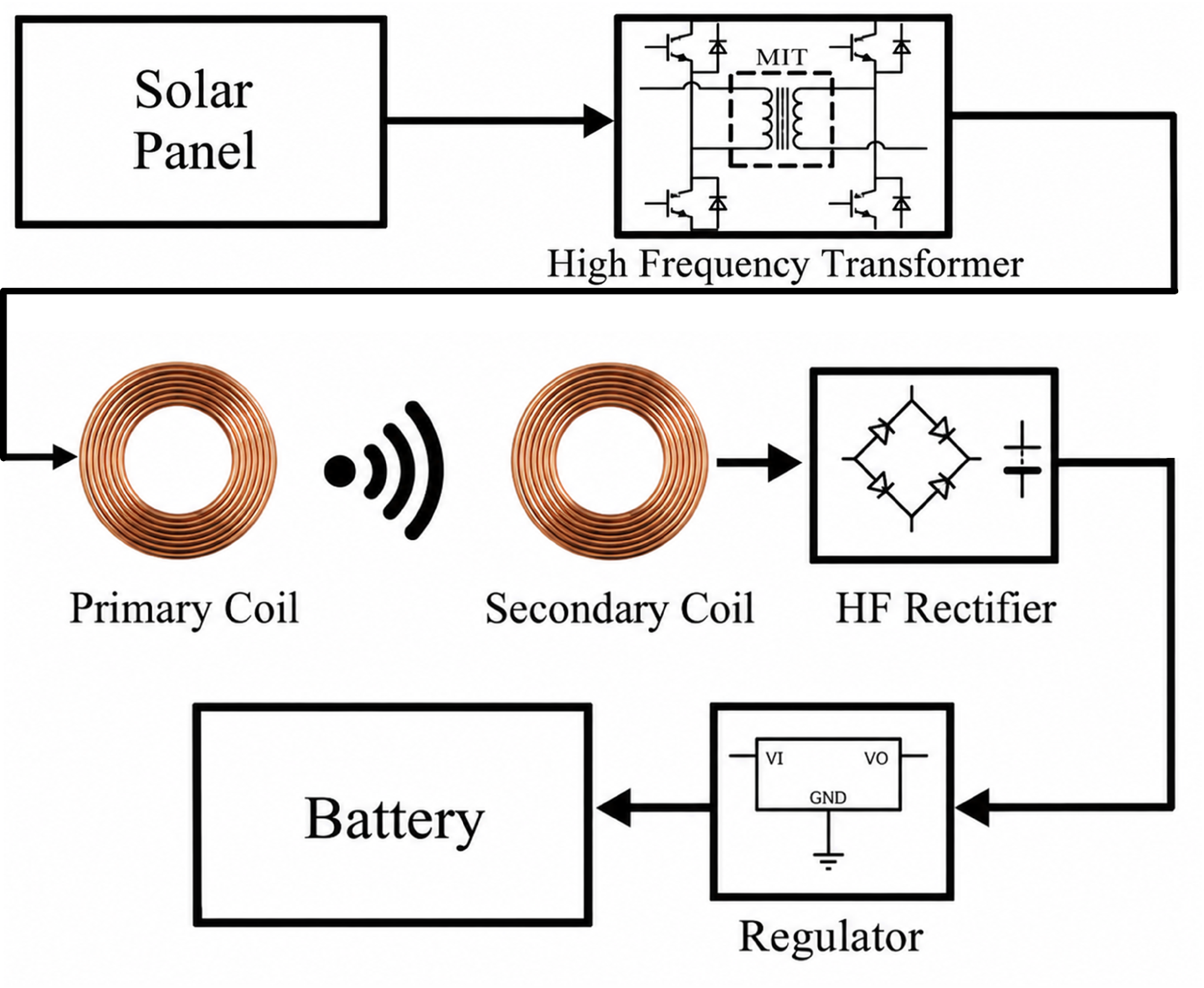
In this section, we outline wireless charging systems in terms of architecture, design, and hardware implementation (Figure 4). On the transmitter side, the system typically comprises three key components: an AC/DC rectifier that converts alternating current (AC) to direct current (DC); a DC/DC converter that regulates and adjusts the DC voltage level; and a DC/AC inverter that converts the conditioned DC back into high-frequency AC. The receiver side also consists of three main elements: an AC/DC rectifier that converts the received high-frequency AC into DC; a DC/DC converter that stabilizes and tunes the output voltage; and a load, which is commonly a battery charging interface. The wireless charging process proceeds as follows: a power source supplies the AC/DC rectifier [56]. Because commercial AC frequencies are too low to support efficient wireless power transfer, the system first increases the AC frequency, then steps up the DC voltage, and finally reconverts it to high-frequency AC. This high-frequency alternating current generates a magnetic field as it flows through the transmitter’s coil. The receiver’s coil—separated from the transmitter by an air gap—captures this magnetic field and induces an AC voltage, which is subsequently rectified into DC and used to charge the device’s battery. Inductive coupling systems generally employ four fundamental compensation topologies: series–series, series–parallel, parallel–series, and parallel–parallel. Among these, the series–series and parallel–series configurations are most widely used due to their stable performance and lower implementation cost. In magnetic resonance coupling systems, the primary input configurations are series and parallel matching networks, selected according to the desired efficiency and operating characteristics. Recent advancements have expanded magnetic resonance applications to include four-coil architectures, relay-resonator structures, and domino-resonator networks. The four-coil arrangement—first introduced in 1998—incorporates two additional coupling stages, offering greater flexibility in achieving mid-range power transfer, though the overall efficiency typically remains below 50%. Relay-resonator systems insert an intermediate resonator between the transmitter and receiver to extend the transfer range, whereas domino-resonator systems employ multiple resonant relays to further increase transmission distance. The domino configuration can be arranged in various geometries, enabling more adaptable and controllable power-transfer pathways.

Figure 4. A block diagram of a common non-radiation wireless charging system
Table 1. Comparison of Different Wireless Charging Techniques
Wireless Charging Technique | Advantage | Disadvantage | Effective Charging Distance |
Inductive coupling | Safe for human, simple implementation | Short charging distance, heating effect, not suitable for mobile applications, needs tight alignment between chargers and charging devices | From a few millimeters to a few centimeters |
Magnetic resonance coupling | Loose alignment between chargers and charging devices, charging multiple devices simultaneously on different power, high charging efficiency, non-line-of-sight charging | Not suitable for mobile applications, limited charging distance, complex implementation | From a few centimeters to a few meters |
RF radiation | Long effective charging distance, suitable for mobile applications | Not safe when the RF density exposure is high, low charging efficiency, line-of-sight charging | Typically within several tens of meters, up to several kilometers |
METHODS
Network System Design
Based on the results of the study, a system design of a series of tools has been prepared to be tested in accordance with expectations. System design includes the entire system and the interface of tools or components, aiming to facilitate the implementation of the tools to be created. With the design of this system, it is expected that the planned tools can operate optimally in accordance with the established design procedures. Solar panels that have been prepared will produce voltage to charge the battery. If the voltage in the battery runs out, the connected solar panel will provide additional voltage. The battery will be tested by measuring the voltage and current contained in it.
Control Oscillating Frequencies with Wireless
This wireless charging system (Figure 5) requires AC voltage at a frequency of 90 kHz to produce oscillations as it crosses the primary coil. The primary coil will produce a flux, that is, the electromotive value, which will be received by the secondary coil [56]. The flux received by the secondary coil is then flowed to the rectifier (rectifier) to be converted into DC voltage, which will later be used as a charging source in the battery.
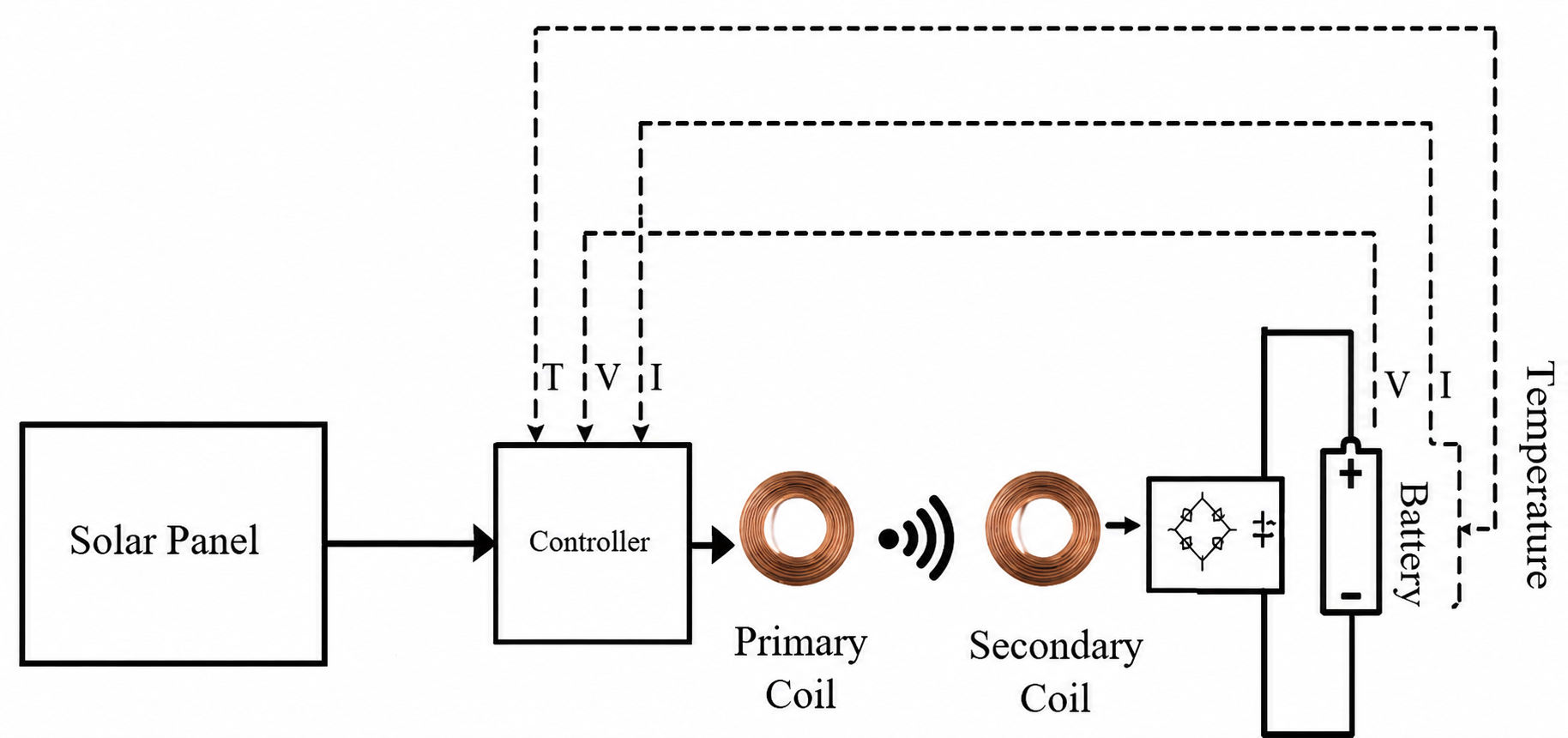
Figure 5. Wireless charging system
.
Primary Winding with Secondary Winding
Wireless power transfer (WPT) systems (Figure 6) operate based on the interaction between two inductively coupled coils, commonly referred to as the primary and secondary coils. In this mechanism, electrical energy is first supplied to the primary coil, where it is converted into an alternating magnetic field represented by magnetic flux lines. These flux lines propagate through the surrounding space and are subsequently intercepted by the secondary coil. Upon receiving the magnetic flux, the secondary coil induces an alternating voltage that is then rectified and regulated into a stable direct-current (DC) output. This DC output serves as the charging source for the battery, enabling contactless and efficient energy transfer without the need for physical electrical connectors.
Figure 6. A Block Diagram of Wireless Power Transfer System
RESULT AND DISCUSSION
At this stage, the tool will be thoroughly tested by testers to evaluate its performance. Tests are performed on the interface of the whole and each component to ascertain whether the tool operates according to the desired results or according to the plan that has been made.
Solar Panel Testing
The testing of solar panels (Figure 7) is conducted to assess and validate their capability to charge batteries efficiently under real operating conditions. In this system, the battery serves as an intermediate energy storage unit, ensuring that the harvested electrical power can be reliably supplied to various loads, such as mobile phones and other portable electronic devices. The portable charger operates by capturing solar irradiance and converting it into usable electrical energy through photovoltaic (PV) mechanisms. Consequently, systematic measurements of the solar cell output are essential to determine overall performance and energy conversion effectiveness.
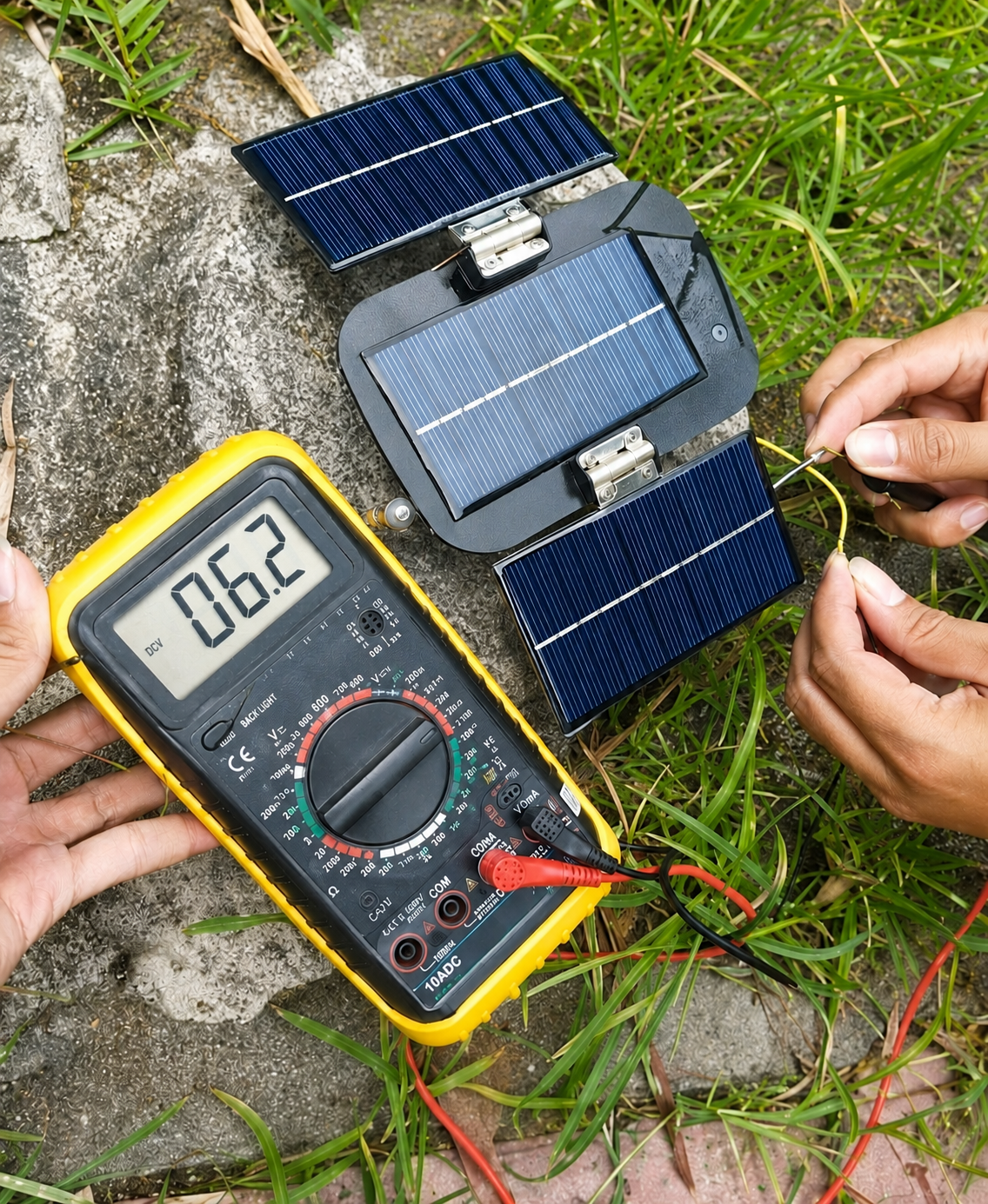
Figure 7. Procedures for conducting solar panel performance testing
In this study, experimental evaluation was carried out in Malang City, Indonesia, during daytime conditions to represent typical outdoor usage scenarios. The testing procedure involved positioning the solar panel directly under natural sunlight and recording its electrical output over a defined observation period, measured in minute-scale intervals. This approach enables accurate characterization of solar panel behavior under fluctuating irradiance levels, which is critical for assessing the feasibility and reliability of portable solar-powered charging systems.
The experimental results (Figure 8) were obtained through measurements conducted during daytime conditions characterized by relatively high solar irradiance. The findings indicate that the electrical output, particularly the voltage generated by the photovoltaic cells, is strongly influenced by the intensity of sunlight present during the testing period. Under suboptimal weather conditions—such as reduced irradiance caused by cloud cover or intermittent shading—the voltage produced by the solar cells decreases markedly.
The variations observed in the measured voltage values, as summarized in the preceding table, demonstrate the inherent sensitivity of solar panels to fluctuations in solar irradiance. This sensitivity becomes especially evident in environments with unstable or rapidly changing weather conditions, where inconsistent heat and light exposure can significantly affect the performance and reliability of photovoltaic systems
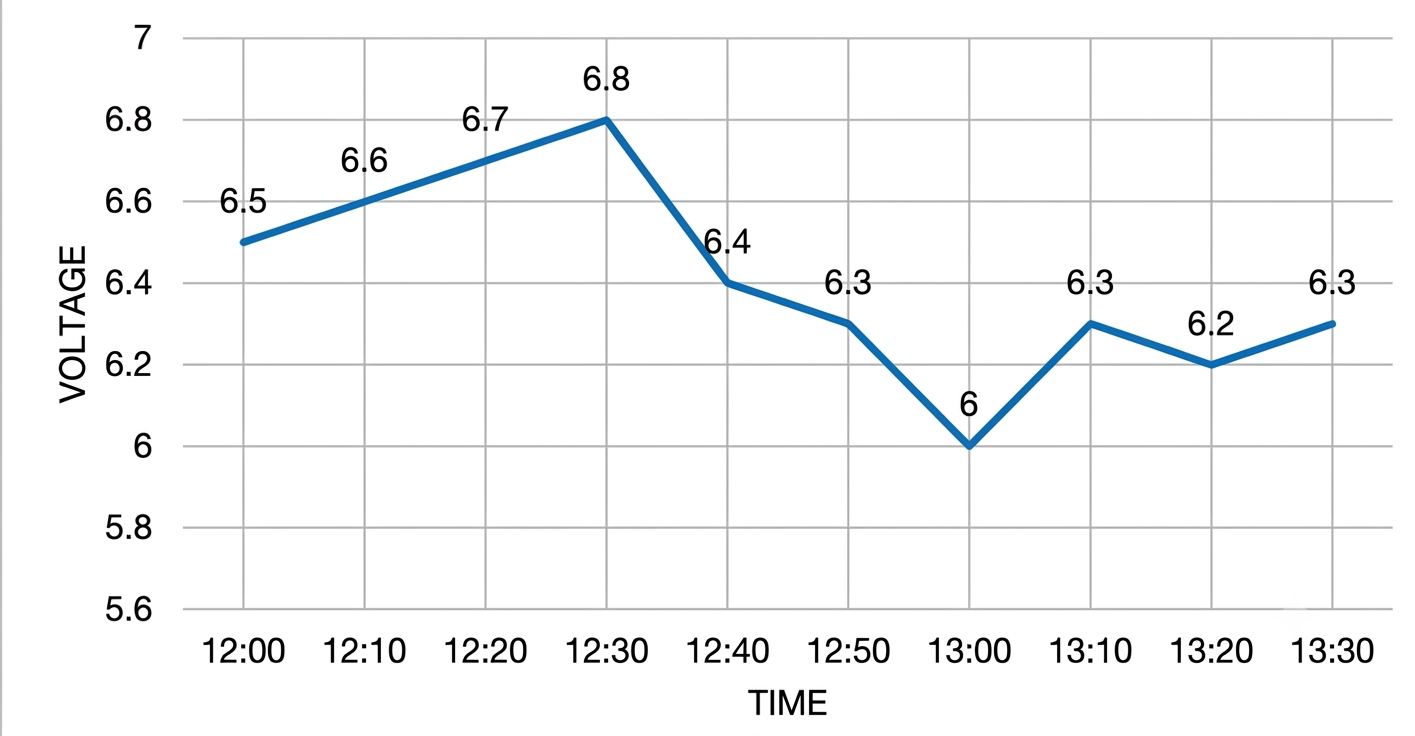
Figure 8. Graphical representation of the solar panel testing results
Power Transfer Testing
The purpose of this test is to verify the ability of the primary winding to transfer power to the secondary winding with a predetermined frequency. Tests using function generators and oscilloscopes (Figure 9) at several frequencies produce varying input and output signal waves. This testing process is carried out several times to get the maximum frequency value. The experiment was conducted in a frequency range between 70 kHz to 140 kHz.
In the experimental data from several frequencies used for the wireless transfer system from the primary coil to the secondary coil, the data produced is in Figure 10. Based on the observations illustrated in the preceding graph, it is evident that the transmission efficiency attains its peak value at an operating oscillation frequency of approximately 90 kHz. This frequency was intentionally selected to optimize the inductive coupling process, ensuring that power transfer from the primary coil to the secondary coil occurs with maximum effectiveness. At this resonant point, the magnetic coupling between the coils is strengthened, resulting in higher voltage induction and superior overall system performance compared to other tested frequencies.
When the operating frequency deviates either above or below the 90 kHz resonance, a noticeable decline in power transfer efficiency is observed. This reduction is accompanied by a corresponding drop in the output voltage received by the secondary coil, demonstrating the system’s sensitivity to frequency detuning. Consequently, to maintain optimal performance and ensure that the wireless charging device operates at its highest possible efficiency, the system is configured to operate at a nominal frequency of 90 kHz.
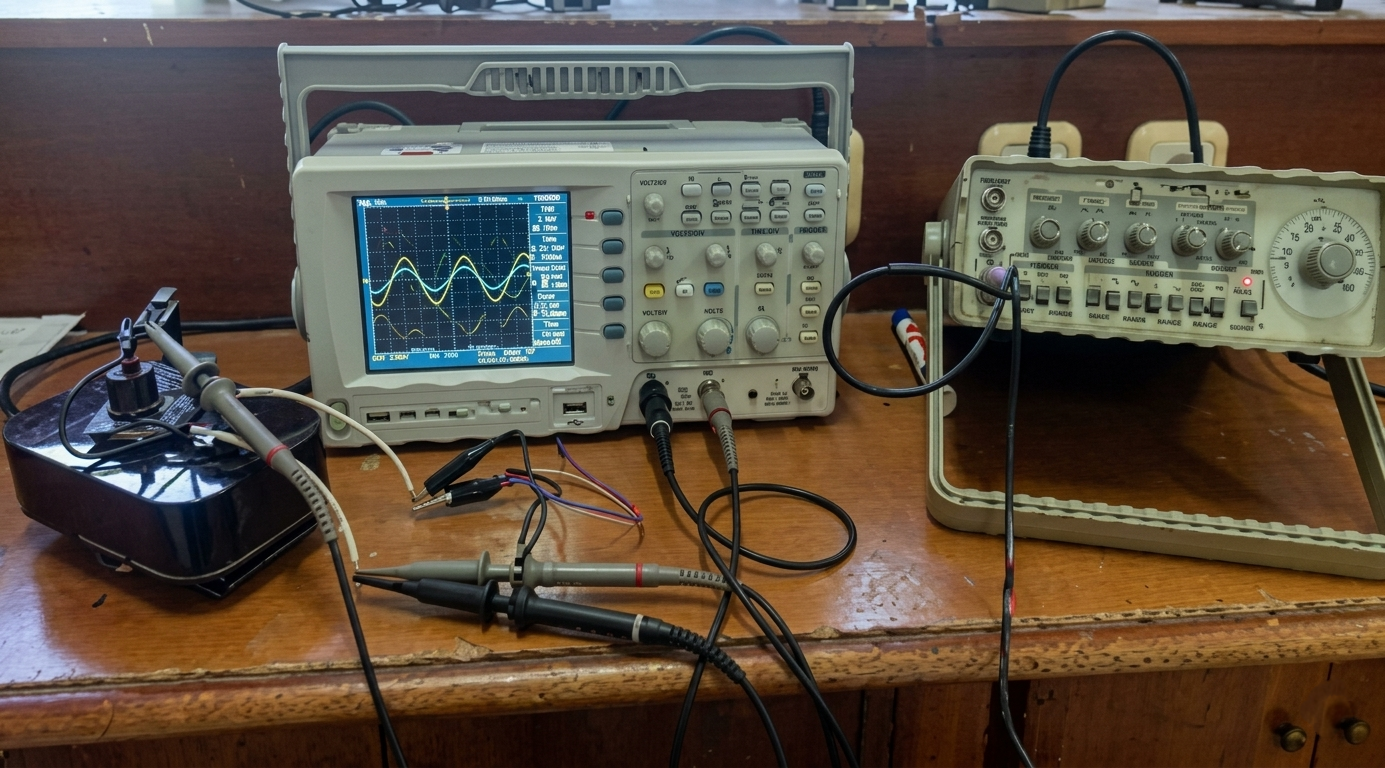
Figure 9. Testing using function generators and oscilloscopes
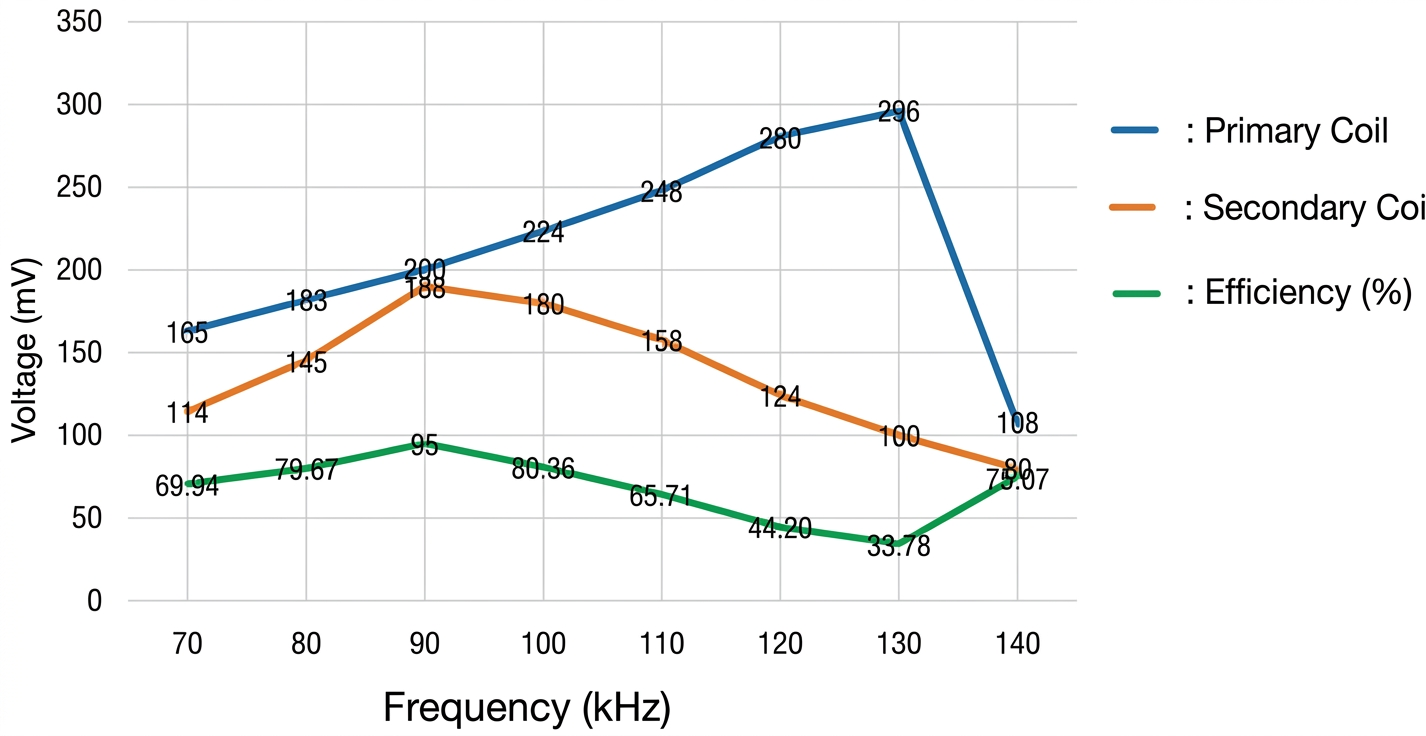
Figure 10. The results of the voltage on the primary coil, secondary coil, and the efficiency of the power
Efficiency Versus Distance
Subsequent experiments were conducted to assess the relationship between transmission efficiency and the separation distance between the primary and secondary windings. Output power measurements were performed across a range of coil-to-coil distances, starting from direct contact at 0 cm up to a maximum separation of 5 cm. The data obtained from these measurements were systematically documented and later presented in both tabular and graphical formats to provide a comprehensive and visually interpretable representation of the system’s performance under varying spatial conditions.
Figure 11 presented shows a clear inverse relationship between power transfer efficiency and the separation distance between the primary and secondary coil. As the distance between the coils increases, a noticeable reduction in power efficiency is observed, indicating a weakening of the magnetic coupling that facilitates energy transfer. Conversely, when the coils are positioned closer together, the coupling strength improves, resulting in higher efficiency values. This trend confirms that the wireless charging system operates most effectively when the separation distance approaches zero, where the windings are in direct contact or positioned at a 0 cm gap. Under these conditions, the system achieves its maximum power transfer efficiency due to optimal magnetic coupling and minimal energy loss.
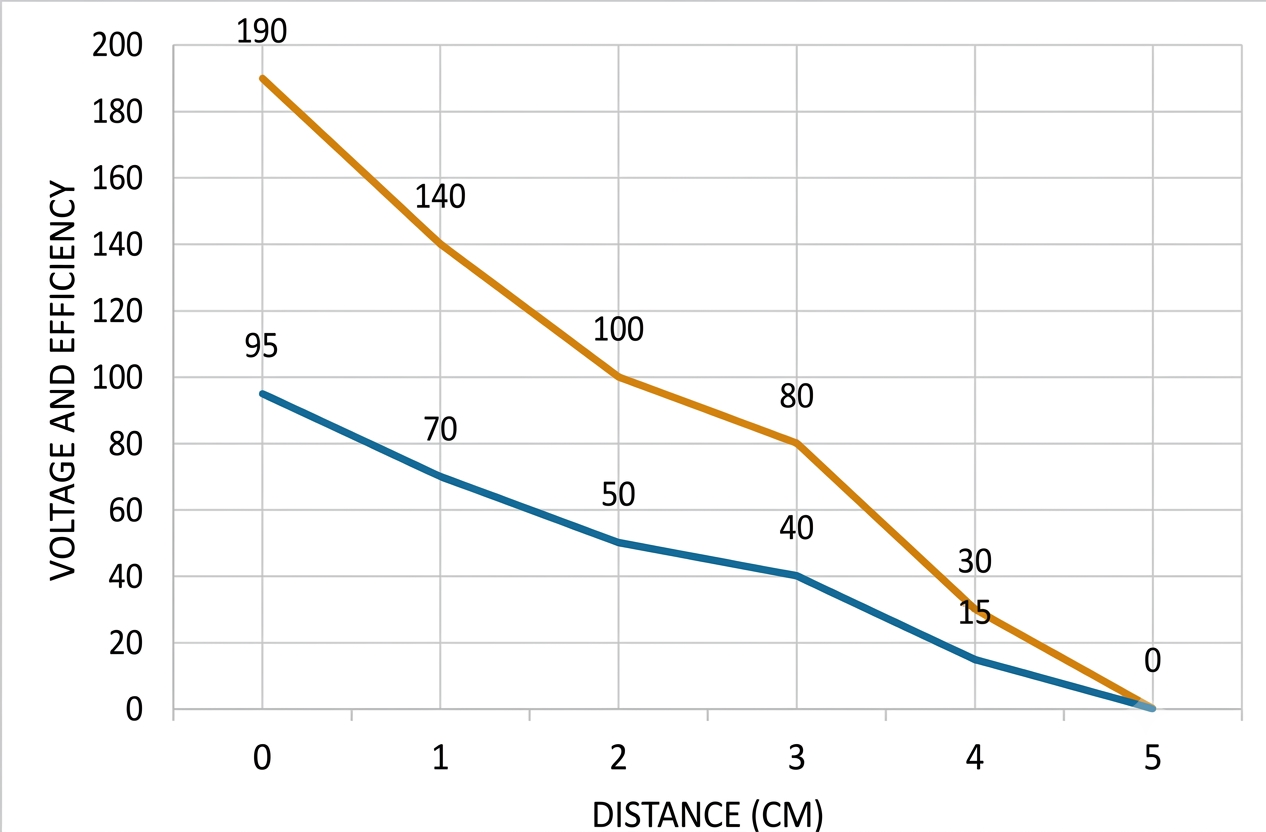
Figure 11. Graph Efficiency Versus Distance
CONCLUSIONS
The findings obtained from the experimental investigation demonstrate that the performance of the solar panel system is highly dependent on the intensity of the incident sunlight. Under optimal irradiance conditions, the photovoltaic module operates efficiently; however, when subjected to reduced sunlight exposure—such as during cloudy weather—the output voltage exhibits a significant decline. The power bank used in this study was able to store energy generated by the solar panel effectively, requiring approximately 460 minutes of charging to reach an output voltage of 4 volts. Furthermore, the mobile phone battery successfully received power from the power bank, with an average charging rate of approximately 8.5 minutes for every 1% increase in battery capacity. The wireless charging configuration employed in this research incorporated a 3 WP solar panel, a sinusoidal signal generator operating at a frequency of 90 kHz, and a pair of inductive coils functioning as the wireless energy transfer medium. Collectively, the system demonstrates the feasibility of integrating solar energy harvesting with wireless power transmission for portable charging applications.
DECLARATION
Funding
This research received no external funding.
REFERENCES
- L. W. Y. Liu, A. Kandwal, T. Oster, K. Hofmann, and C. K. Chan, “Wireless Power Transfer by Spoof Surface Plasmon Polaritons at Ultrasonic Frequencies,” vol. 137, pp. 79–86, 2026, https://doi.org/10.2528/PIERM25121707.
- A. A. S. Mohammad et al., “Medical Power Electronics: Innovations, Applications, and Challenges,” Artificial Intelligence for Agile Business Solutions: Modernization of Outdated Systems, pp. 679-689, 2026, https://doi.org/10.1007/978-3-032-04738-0_56.
- J. Chang, W. Cai, H. Wang, Y. Guo, J. Wu, C. Rong, and C. Xia, “A wireless power transfer system for unmanned aerial vehicles with CC/CV charging based on topology switching,” Applied Sciences, vol. 15, no. 22, p. 11932, 2025, https://doi.org/10.3390/app152211932.
- B. Bharaneedharan, S. Panchanathan, C. C. Kit, E. P. Venkatesan, and N. Hasan, “Machine Learning and Artificial Intelligence Techniques for Intelligent Control and Forecasting in Energy Storage‐Based Power Systems,” Energy Science & Engineering, pp. 2318–2344, 2026, https://doi.org/10.1002/ese3.70449.
- A. H. Yuwono, M. Rivai, and T. A. Sardjono, “Solar panel-based wireless battery charging system using fuzzy control method,” in IOP Conference Series: Materials Science and Engineering, vol. 847, no. 1, p. 012088, 2020, https://doi.org/10.1088/1757-899X/847/1/012088.
- M. Ardita, A. H. Yuwono, G. Kusrahardjo, R. P. Labib, and K. A. Widodo, “Preliminary assessment on the performance of long distance wireless data transmission for disaster early warning system,” in AIP Conference Proceedings, vol. 3077, no. 1, p. 050067, 2024, https://doi.org/10.1063/5.0216537.
- Zufar permana Muqorrobin, A. Nawawi, A. Aris Ardani, S. Putra Setia, and R. Rahmadian, “Off-Grid Solar System Monitoring based on ESP-32 and INA219 In Pesanggrahan Gordomulyo,” Vokasi Unesa Bull. Eng. Technol. Appl. Sci., vol. 1, no. 2, pp. 26–37, 2024, https://doi.org/10.26740/vubeta.v1i2.34859.
- B. Bao, W. Aribowo, A. Lukita Wardani, and A. Chandra Hermawan, “Control of DC Motor in Laundry Liquid Waste Treatment based on Esp32-S3 And Thingsboard Platform”, Vokasi Unesa Bull. Eng. Technol. Appl. Sci., vol. 2, no. 3, pp. 632–654, 2025, https://doi.org/10.26740/vubeta.v2i3.41371.
- A. Ahmad and D. -Y. Choi, "Efficient Metamaterial-Integrated Radiative Near-Field Wireless Power Transfer System for Scalp-Implantable Devices in IoMT Applications," in IEEE Internet of Things Journal, vol. 12, no. 13, pp. 25879-25891, 2025, https://doi.org/10.1109/JIOT.2025.3560366.
- M. F. Rizky, M. S. Mubarok, H. Setiadi, and B. N. V. Laksmi, “Design of Bidirectional DC-DC Converter for Photovoltaic Charging System,” Vokasi Unesa Bull. Eng. Technol. Appl. Sci., vol. 1, no. 3, pp. 16–27, 2024, https://doi.org/10.26740/vubeta.v1i3.35685.
- A. Nawawi, A. Hermawan, and A. Wardani, “Performance of LoRa SX1278 Using Yagi Antenna,” Vokasi Unesa Bull. Eng. Technol. Appl. Sci., vol. 1, no. 1, pp. 47–58, 2024, https://doi.org/10.26740/vubeta.v1i1.34348.
- B. Nur Vidia Laksmi, M. S. Mubarok, W. Aribowo, M. Widyartono, A. L. Wardani and A. C. Hermawan, "Design of Forward DC-DC Converter for SCC using Cascaded Controller," 2024 Seventh International Conference on Vocational Education and Electrical Engineering (ICVEE), pp. 109-113, 2024, https://doi.org/10.1109/ICVEE63912.2024.10823704.
- B. Ramadhani, P. M. Sudana, and B. N. V. Laksmi, “Optimization of photovoltaic potential in on-grid solar power plants,” in International Joint Conference on Science and Engineering 2024 (IJCSE 2024), pp. 61–69, 2024, https://doi.org/10.2991/978-94-6463-626-0_8.
- O. Galinina, H. Tabassum, K. Mikhaylov, S. Andreev, E. Hossain and Y. Koucheryavy, "On feasibility of 5G-grade dedicated RF charging technology for wireless-powered wearables," in IEEE Wireless Communications, vol. 23, no. 2, pp. 28-37, 2016, https://doi.org/10.1109/MWC.2016.7462482.
- J. Verbeek et al., “Prioritizing health outcomes when assessing the effects of exposure to radiofrequency electromagnetic fields: A survey among experts,” Environment international, vol. 146, p. 106300, 2021, https://doi.org/10.1016/j.envint.2020.106300.
- L. Guo et al., "Low RF Power Harvesting Enabled Wireless Sensor Node With Long-Distance Communication Capability," in IEEE Transactions on Microwave Theory and Techniques, vol. 73, no. 8, pp. 5547-5555, 2025, https://doi.org/10.1109/tmtt.2025.3552170.
- C. Song, P. Lu and S. Shen, "Highly Efficient Omnidirectional Integrated Multiband Wireless Energy Harvesters for Compact Sensor Nodes of Internet-of-Things," in IEEE Transactions on Industrial Electronics, vol. 68, no. 9, pp. 8128-8140, 2021, https://doi.org/10.1109/tie.2020.3009586.
- A. Sagar et al., "A Comprehensive Review of the Recent Development of Wireless Power Transfer Technologies for Electric Vehicle Charging Systems," in IEEE Access, vol. 11, pp. 83703-83751, 2023, https://doi.org/10.1109/access.2023.3300475.
- A. Savini and B. Bowers, "From Oersted to Ampere: 1820, Annus Mirabilis for the Electric Sciences [Historical Corner," in IEEE Antennas and Propagation Magazine, vol. 62, no. 5, pp. 138-142, 2020, https://doi.org/10.1109/MAP.2020.3012943.
- J. D. Hey, “On the Biot–Savart law of electromagnetism applied to the atomic circulation current,” Journal of Physics A: Mathematical and Theoretical, vol. 54, no. 16, p. 165302, 2021, https://doi.org/10.1088/1751-8121/abe832.
- C. B. Khadka, “Extension of Maxwell’s Equations for Determination of Relativistic Electric and Magnetic Field,” International Journal of Basic Science and Applied Computing, vol. 10, no. 1, pp. 1-90, 2023, https://doi.org/10.35940/ijbsac.B1044.0910123.
- J. C. Maxwell. The 21 irrefutable laws of leadership: Follow them and people will follow you. HarperCollins Leadership. 2007. https://doi.org/10.1080/07380577.2021.1983240.
- O. M. Bucci, "Electromagnetism Without Fields: From Ørsted Through Ampère to Weber [Historical Corner]," in IEEE Antennas and Propagation Magazine, vol. 62, no. 4, pp. 128-137, 2020, https://doi.org/10.1109/map.2020.2998847.
- J. H. Park, N. M. Tran, S. I. Hwang, D. I. Kim and K. W. Choi, "Design and Implementation of 5.8 GHz RF Wireless Power Transfer System," in IEEE Access, vol. 9, pp. 168520-168534, 2021, https://doi.org/10.1109/access.2021.3138221.
- R. R. Hughes, A. Hernandez Arroyo, J. Treisman and A. J. Mulholland, "Multimodal Resonance in Strongly Coupled Inductor Arrays," in IEEE Transactions on Instrumentation and Measurement, vol. 74, pp. 1-8, 2025, https://doi.org/10.1109/tim.2025.3554316.
- B. F. Kjærsgaard et al., "Parasitic Capacitive Couplings in Medium Voltage Power Electronic Systems: An Overview," in IEEE Transactions on Power Electronics, vol. 38, no. 8, pp. 9793-9817, 2023, https://doi.org/10.1109/tpel.2023.3269582.
- A. Azarbahram, O. L. A. López, R. D. Souza, R. Zhang and M. Latva-Aho, "Energy Beamforming for RF Wireless Power Transfer With Dynamic Metasurface Antennas," in IEEE Wireless Communications Letters, vol. 13, no. 3, pp. 781-785, 2024, https://doi.org/10.1109/lwc.2023.3343563.
- [T. -W. Wang, H. Zhang and S. -F. Lin, "Influence of Capacitive Coupling on High-Fidelity Non-Contact ECG Measurement," in IEEE Sensors Journal, vol. 20, no. 16, pp. 9265-9273, 2020, https://doi.org/10.1109/jsen.2020.2986723.
- V. Ramakrishnan et al., "A Comprehensive Review on Efficiency Enhancement of Wireless Charging System for the Electric Vehicles Applications," in IEEE Access, vol. 12, pp. 46967-46994, 2024, https://doi.org/10.1109/ACCESS.2024.3378303.
- S. D. Ayuni, A. H. Yuwono, A. Mulyadi, S. Syahrorini, and A. H. Falah, “Automated steam engine technology for eco-printing batik: Empowering community economies,” Community Empowerment, vol. 9, no. 5, pp. 797-803, 2024, https://doi.org/10.31603/ce.10462.
- C. L. Kok, X. Fu, Y. Y. Koh, and T. H. Teo, “A novel portable solar powered wireless charging device,” Electronics, vol. 13, no. 2, p. 403, 2024, https://doi.org/10.3390/electronics13020403.
- B. Tran, J. Ovalle, K. Molina, R. Molina, and H. T. Le, “Solar-powered convenient charging station for mobile devices with wireless charging capability,” WSEAS Transactions on Systems, vol. 20, pp. 260-271,2021, https://doi.org/10.37394/23202.2021.20.29.
- M. A, D. P.K and M. Shyamalagowri, "Wireless Electric Vehicle Charging Powered by Solar Monitoring," 2025 6th International Conference on Smart Electronics and Communication (ICOSEC), pp. 597-602, 2025, https://doi.org/10.1109/ICOSEC67334.2025.11459472.
- K. Guo, X. Zhang, Y. Yang, J. Li, and Z. Liu, “A Research Study on the Effective Power Reception Area of One-to-Many Wireless Power Transfer Systems,” World Electric Vehicle Journal, vol. 16, no. 4, p. 214, 2025, https://doi.org/10.3390/wevj16040214.
- H. Miao, "Design and Performance Analysis of a Frequency Modulation (FM) Transmitter: Integrating Voltage-Controlled Oscillator and Class AB Power Amplifier," 2024 IEEE 6th International Conference on Civil Aviation Safety and Information Technology (ICCASIT), pp. 1689-1693, 2024, https://doi.org/10.1109/ICCASIT62299.2024.10827873.
- B. L. Sirisha, S. Amrutha, M. Venkateswaramma and P. Lanka, "Wastage Collector using Arduino UNO," 2023 3rd International Conference on Innovative Mechanisms for Industry Applications (ICIMIA), pp. 131-135, 2023, https://doi.org/10.1109/ICIMIA60377.2023.10426334.
- I. D. Christanto, R. Diharja, M. Mardiono, P. D. Widayaka, and A. H. Yuwono, “Mirroring Display KWH Meter untuk Memantau Penggunaan Daya Listrik Menggunakan Mikrokontroler ESP32-CAM,” Jurnal Bumigora Information Technology (BITe), vol. 3, no. 2, pp. 161-174, 2021, https://doi.org/10.30812/bite.v3i2.1613.
- A. Musa, E. Alozie, S. A. Suleiman, J. A. Ojo, and A. L. Imoize, “A review of time-based solar photovoltaic tracking systems,” Information, vol. 14, no. 4, p. 211, 2023, https://doi.org/10.3390/info14040211.
- L. Chen, B. Yu, Y. Fu, J. Ren, H. Pan, J. Gummeson, and Y. Zhang, “Pushing wireless charging from station to travel,” In Proceedings of the 30th Annual International Conference on Mobile Computing and Networking, pp. 46-61, 2024, https://doi.org/10.1145/3636534.3649346.
- D. Xu, Q. Zhang, and X. Li, “Implantable magnetic resonance wireless power transfer system based on 3D flexible coils,” Sustainability, vol. 12, no. 10, p. 4149, 2020, https://doi.org/10.3390/su12104149.
- M. Wagih, A. Komolafe and B. Zaghari, "Dual-Receiver Wearable 6.78 MHz Resonant Inductive Wireless Power Transfer Glove Using Embroidered Textile Coils," in IEEE Access, vol. 8, pp. 24630-24642, 2020, https://doi.org/10.1109/ACCESS.2020.2971086.
- H. Zhang, S. Liu, and J. Liu, “Advanced magnetic coupling resonance model optimization for enhanced wireless power transfer,” Electronics, vol. 14, no. 6, p. 1152, 2025, https://doi.org/10.3390/electronics14061152.
- J. Luo, R. Xue, J. Cheong, X. Zhang, and L. Yao, “Design and optimization of planar spiral coils for powering implantable neural recording microsystem,” Micromachines, vol. 14, no. 6, p. 1221, 2023, https://doi.org/10.3390/mi14061221.
- Y. Zhaksylyk and M. Azadmehr, "Comparative Analysis of Inductive and Capacitive Feeding of Magnetic Resonance Wireless Power Transfer," 2018 IEEE PELS Workshop on Emerging Technologies: Wireless Power Transfer (Wow), pp. 1-5, 2018, https://doi.org/10.1109/WoW.2018.8450891.
- Z. Dai, Z. Fang, H. Huang, Y. He and J. Wang, "Selective Omnidirectional Magnetic Resonant Coupling Wireless Power Transfer With Multiple-Receiver System," in IEEE Access, vol. 6, pp. 19287-19294, 2018, https://doi.org/10.1109/access.2018.2809797.
- B. L. Cannon, J. F. Hoburg, D. D. Stancil and S. C. Goldstein, "Magnetic Resonant Coupling As a Potential Means for Wireless Power Transfer to Multiple Small Receivers," in IEEE Transactions on Power Electronics, vol. 24, no. 7, pp. 1819-1825, 2009, https://doi.org/10.1109/TPEL.2009.2017195.
- W. Chen, Z. Liu, J. Liu, J. Ye and H. Su, "A New Simultaneous Wireless Power and Information Transfer System With Integrated Signal Magnetic Coupler," in IEEE Transactions on Industrial Electronics, vol. 70, no. 12, pp. 12708-12718, 2023, https://doi.org/10.1109/TIE.2023.3239776.
- H. Zhang, S. Liu, and J. Liu, “Advanced magnetic coupling resonance model optimization for enhanced wireless power transfer,” Electronics, vol. 14, no. 6, p. 1152, 2025, https://doi.org/10.3390/electronics14061152.
- X. Wei, Z. Wang, and H. Dai, “A critical review of wireless power transfer via strongly coupled magnetic resonances,” energies, vol. 7, no. 7, pp. 4316-4341, 2014, https://doi.org/10.3390/en7074316.
- T. Li, S. Li, X. Yu, Y. Yuan, S. Lu and Z. Liu, "Safe and Efficient Hundred-Watt-Level Wireless Power Transfer in Room-Scale Spaces Through Electromagnetic Field Optimization," in IEEE Transactions on Industrial Electronics, vol. 72, no. 7, pp. 6898-6910, 2025, https://doi.org/10.1109/tie.2024.3503600.
- B. Alam, S. Mekhilef, M. Mubin, K. Soon Tey and A. Wahyudie, "Improved Power Transfer Efficiency Using a Dual Transmitter Receiver Design With Integrated Decoupling Coils for IPT EV Charging," in IEEE Access, vol. 13, pp. 91362-91373, 2025, https://doi.org/10.1109/access.2025.3572920.
- C. Krafft, P. Savoini, and F. J. Polanco-Rodríguez, “Mechanisms of fundamental electromagnetic wave radiation in the solar wind,” The Astrophysical Journal Letters, vol. 967, no. 2, p. L20, 2024, https://doi.org/10.3847/2041-8213/ad47b5.
- A. Rivera-Lavado, M. Ali, D. Gallego-Cabo, L. -E. García-Muñoz, D. V. Lioubtchenko and G. Carpintero, "Contactless RF Probe Interconnect Technology Enabling Broadband Testing to the Terahertz Range," in IEEE Transactions on Terahertz Science and Technology, vol. 13, no. 1, pp. 34-43, 2023, https://doi.org/10.1109/tthz.2022.3213470.
- M. Alibakhshikenari, B. S. Virdee, C. H. See, R. A. Abd-Alhameed, F. Falcone and E. Limiti, "Energy Harvesting Circuit with High RF-to-DC Conversion Efficiency," 2020 IEEE International Symposium on Antennas and Propagation and North American Radio Science Meeting, pp. 1299-1300, 2020, https://doi.org/10.1109/ieeeconf35879.2020.9329604.
- D. Khan et al., "An Efficient Reconfigurable RF-DC Converter With Wide Input Power Range for RF Energy Harvesting," in IEEE Access, vol. 8, pp. 79310-79318, 2020, https://doi.org/10.1109/access.2020.2990662.
- M. Basim et al., "A Design of High-Efficiency RF/Solar/ Triboelectric/Electromagnetic Energy Harvesting System," in IEEE Access, vol. 13, pp. 35922-35932, 2025, https://doi.org/10.1109/access.2025.3542366.
AUTHOR BIOGRAPHY

| Alfarid Hendro Yuwono, received his B.A.Sc. degree from the Electronic Engineering Polytechnic Institute of Surabaya, Indonesia, in 2016 and his M.Sc. degree from the Sepuluh Nopember Institute of Technology (ITS) in Power Engineering, Surabaya in 2020. Currently, she is a lecturer in the Department of Electrical Engineering, Universitas Negeri Surabaya, Surabaya, Indonesia. Her research interests include power system, renewable energy, and the application of control theories. She can be contacted at email: alfaridyuwono@unesa.ac.id. |
|
|

| Deshinta Arrova Dewi, is currently a Professor with the Faculty of Data Science and Information Technology, INTI International University, Malaysia, where she is also actively involved as a researcher at the Center for Data Science and Sustainable Technologies. She received her B.Sc. degree in Informatics from STINTI Bandung, Indonesia, her M.Sc. degree in Software Engineering from the Institut Teknologi Bandung (ITB), Indonesia, and her Ph.id. degree in Computer Science from Universiti Kebangsaan Malaysia (UKM), Malaysia. Her research interests include artificial intelligence, machine learning, data science, software engineering, and image processing. She has published numerous research papers in reputable international journals and has been recognized with several global innovation awards for her contributions to computing and education. She can be contacted at email: deshintaad@newinti.edu.my. |
|
|

| Rajani Balakrishnan, is currently a Senior Lecturer with the Faculty of Data Science and Information Technology, INTI International University, Malaysia. She has extensive academic and research experience in higher education. Her research interests span across business information systems, data management, information technology, and the application of digital tools in organizational contexts. She is actively involved in international research collaborations and has published her work in several reputable peer-reviewed journals. Her current research focuses on driving digital transformation and technological adoption in diverse sectors. She can be contacted at email: rajani.balakrishnan@newinti.edu.my. |
|
|

| Reza Rahmadian, received received his Bachelor of Applied Science from ElectronicEngineering Polytechnic Institute of Surabaya (PENS), Surabaya, Indonesia, in 2006, and his Master of Engineering Science from Curtin University, Australia, in 2013. He is currently alecturer at the Department of Electrical Engineering, Universitas Negeri Surabaya, Indonesia. His research interests include renewable energy. He can be contacted at email: rezarahmadian@unesa.ac.id |
|
|

| Nafi Isbadrianingtyas, received her B.Ed. degree from the State University of Malang, Indonesia, in 2014 and his M.Pd. degree from the Sepuluh Nopember Institute of Technology (ITS) in Power Engineering, Surabaya in 2016. Currently, she is a lecturer in the Primary Education, Universitas Negeri Surabaya, Surabaya, Indonesia. Her research interests Education, Critical Thinking, and Caracter Education. She can be contacted at email: nafiisbadrianingtyas@unesa.ac.id. |
|
|

| Widi Aribowo, is a lecturer in the Department of Electrical Engineering, Universitas Negeri Surabaya, Indonesia. He is received the BSc from the Sepuluh Nopember Institute of Technology (ITS) in Power Engineering, Surabaya in 2005. He is received the M.Eng from the Sepuluh Nopember Institute of Technology (ITS) in Power Engineering, Surabaya in 2009. He is mainly research in the power system and control. He can be contacted at email: widiaribowo@unesa.ac.id. |
|
|

| Vugar Hacimahmud Abdullayev, is a Doctor of Technical Sciences and an Associate Professor at the Azerbaijan State Oil and Industry University in Baku, Azerbaijan. He has completed his Ph.D. in Computer Science in 2005 and has authored 61 scientific papers. His research focuses on cyber physical systems, IoT, big data, smart cities, and information technologies. He has also contributed to the healthcare ecosystem with 4 book chapters and 1 edited book. His academic achievements and contributions to the field of science have earned him recognition as one of the top 1% scientists in Kazakhstan and the World Top 2% Scientists. He can be contacted at email: vuqar.abdullayev@asoiu.edu.az. |
|
|

| Aliyu Sabo, is a distinguished academic and researcher in the field of Power Systems Engineering. He holds a Bachelor's degree in Electrical Engineering from Ahmadu Bello University, Zaria, Nigeria, and has advanced his education with an M.Sc and PhD degrees in Power Systems Engineering from University Putra Malaysia, Malaysia. He can be contacted at email: saboaliyu98@gmail.com. |
Alfarid Hendro Yuwono (A Portable Solar-Powered Wireless Charger: Design, Implementation, and Performance Analysis)