ISSN: 2685-9572 Buletin Ilmiah Sarjana Teknik Elektro
Vol. 8, No. 4, August 2026, pp. 954-966
Integrating Tongue and Dental Biometrics Using Improved PSO for Enhanced Forensic Evidence
Tameem Hadi Fadhil
College of Mechanical Engineering, University of Technology-Iraq, Baghdad
ARTICLE INFORMATION |
| ABSTRACT |
Article History: Received 23 October 2025 Revised 15 January 2026 Accepted 21 July 2026 |
| 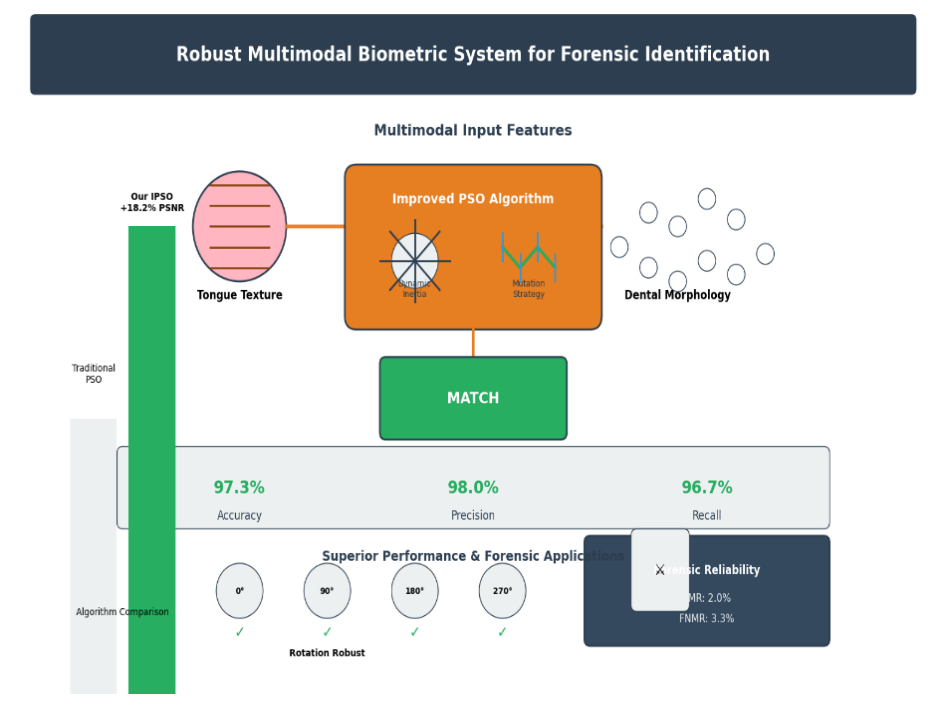
Reliable human identification is a challenging area in forensic science especially where conventional biometrics are not available. This is addressed in this study by coming up with a new multimodal system. The study contribution is the Adaptive Convergence-Triggered Mutation Particle Swarm Optimization (ACTM-PSO) algorithm of optimal fusion regarding tongue and dental biometrics. The combination leverages durability regarding dental structure as well as the specialized texture of tongue prints, which in most cases preserved in post-mortem cases. The technique extracts the texture and morphological features of tongue and dental images. The proposed ACTM-PSO, which has non-linear adaptive inertia weight and stagnation-triggered mutation, optimizes the weighting of features for fusion before classification using an SVM. Experimentally, the system attains accuracy of 97.3% and low Equal Error Rate (EER) of 2.1% in comparison to traditional PSO (88.3% accuracy) and unimodal systems. It has an accuracy of more than 95% in rotations of the image (0°, 90°, 180°, 270°), which is forensically practical. The False Match Rate (FMR) and the False Non-Match Rate (FNMR) are 2.0% and 3.3%. This paper provides a strong optimization based backbone that goes ahead to develop multimodal biometric integration to be used in a forensic application to increase the reliability of evidence in legal contexts. |
Keywords: Multimodal Biometrics; Improved PSO; Forensic Identification; Tongue Prints; Dental Biometrics |
Corresponding Author: Tameem Hadi Fadhil, College of Mechanical Engineering, University of Technology-Iraq, Baghdad. Email: tameem.h.fadhil@uotechnology.edu.iq |
This work is open access under a Creative Commons Attribution-Share Alike 4.0 
|
Document Citation: T. H. Fadhil, “Integrating Tongue and Dental Biometrics Using Improved PSO for Enhanced Forensic Evidence,” Buletin Ilmiah Sarjana Teknik Elektro, vol. 8, no. 4, pp. 954-966, 2026, DOI: 10.12928/biste.v8i4.15039. |
INTRODUCTION
Forensic science relies heavily on reliable human identification especially in cases of criminal investigation and during a mass disaster [1]. Such conditions compromise the traditional biometric identification techniques such as fingerprints. This has motivated research to more robust types of biometric modalities that do not become useless when traditional identifiers are not available [2][3]. Tongue prints and dental features among these have demonstrated great potential because of their durability and uniqueness [4][5]. To be admissible in any law court, must be of great reliability, scientific validity, and must be of procedural integrity [6].
The biometric methods that can be applied in criminal identification include tongue and dental structures among the numerous terms and are underutilized [7][8]. The form of unique morphological tongue shape, texture and surface characteristic expose a great degree of inter-individual distinctiveness and long-term stability [9].
Dental biometrics also, which include shape and alignment of teeth in addition to the restorative patterns [10], have long been a vital part of forensic dentistry to identify victims, particularly during a mass disaster or when the bodies are badly damaged [11][12], and [13]. A combination of these two biometric characteristics tongue and teeth can offer a multimodal model that may offer high accuracy and reliability in the process of identification [14].
Integrating more than one biometric modality overcomes one of the main drawbacks of unimodal systems which is the susceptibility of the system to spoofing, environmental distortion, and data degradation [15]. With the convergence of tongue and teeth biometric data, forensic investigators can use both as complementary to each other [16], which will minimize the chances of false matches and increase the credibility of forensic findings [17][18], and [19]. Numerous case studies have emphasized the usefulness of dental and tongue biometrics in a criminal investigation particularly when the conventional identifiers, like fingerprints or facial features are not available [20][21].
Such sensitive data of biometrics, however, has to be collected and analyzed under strict ethical guidelines [22]. Issues of privacy, informed consent, and the possibility of misusing biometric databases are the key issues that need to be tackled using the strong frameworks [23][24]. Also, the acceptability of the biometric evidence is determined by the reliability of analysis techniques applied, which supports the necessity of the scientific, transparent, and reproducible algorithms [25][26].
In this respect, artificial intelligence (AI) has become a disruptive source of power, which provides a significant driving force to the intelligent biometric recognition systems development [27][28]. The optimization algorithms that have been optimally developed, primarily those that are grounded on natural process, have shown a great potential towards enhancing the performance of features extraction and classification [29]. In this article, they present a superior Particle Swarm Optimization (PSO) algorithm to improve the synthesis of tongue and dental biometrics that will be applied in the forensic sector [30].
When it comes to optimization of features selection and convergence behavior, the refined PSO methodology is directed at maximizing the performance of the system and preserving its interpretability- which is an essential feature of a forensic admissibility [31][32]. This research will be conducted with the aim of offering a comprehensive, AI-driven system of integrating tongue and dental biometrics to help implement more credible and ethical methods of criminal identification [33][34].
LEGAL AND ETHICAL CHALLENGES
The emerging integration of the biometric technologies into the criminal justice systems contributes to the increase of the legal and ethical concerns [35]. However the biometric identification like tongue and dental biometrics have much potential in the forensic investigation, this also facilitates the complex issues of privacy, accountability and due process. These problems should be critically examined to enable the factuality that the utilization of the technologies unintentionally weaken the individual rights or integrity of the course of justice [36].
Risks Associated with the Misuse of Biometric Data
The biometric data is personal, by itself, very immutable. Against the identification cards, any vulnerability to the unchangeable biometric attribute of tongue and teeth cannot be altered, therefore making any exposure a permanent weakness [37]. This permanence causes such serious questions of abuse, including unauthorized access, profiling, and surveillance [38]. With such stringent principles of data security and ethical restraint the possibility exists that the collected biometric information could be reused in other activities that are not forensic such as commercialization and unlimited surveillance by the state [39].
The possibility of so-called function creep whereby biometric data collected is used in a different way is quite real and poses serious threat to the civil liberties [40]. In this aspect, thus, there must be a legal framework so that the use and collection of biometric data is restricted to the purpose that is pre-established by objective which is backed by law, supported through mechanisms for redress and transparency [41].
The Impact of Technical Errors on Investigation and Prosecution Decisions
No matter how much AI has developed and optimization algorithms like the enhanced PSO used in the current investigation are created, biometric systems cannot be considered foolproof [42]. Technical errors include false positives, false negatives, or bad quality of data can be identified falsely, and as a consequence, this can potentially cause false accusation or even a conviction [43]. The causes of these errors may be the algorithmic bias, the lack of training samples, and the ineffective acquisition of images, primarily under the conditions of damaged forensic [44]. The costs are mainly grave in criminal cases, where incorrect identification could compromise the accused rights [45]. Additionally, the courts should be in a position to question the scientific basis of biometric systems. The risk of not adhering to the principle of due process is that non-transparent or black box AI systems cannot be explained in the decision-making and may not be verified independently [46].
Legal Liability When Applying Biometric Systems in Criminal Law
The issues of legal liability have been raised to the fore with the growing dependence on biometric evidence. Another area where an agency, forensic practitioners, system developers, or government institution can be held responsible is when a biometric system collapses and it results in a miscarriage of justice [47]. Among the critical issues are whether the operators followed do care in the deployment of the system or not and whether the technology deployed was valid and fit to be used in forensics. Using proprietary biometric algorithms and, more so, their internal operations make them difficult to scrutinize within legal frameworks and hold them to account [48]. In efforts to curb the risks of liability, the law systems, and international organizations currently focus their attention on the transparency of the biometric systems, fairness, and adherence to the rules of law. The General Data Protection Regulation (GDPR) of the European Union and the ISO/IEC 19794 standards require strict limits to be imposed on the processing of biometric data [4].
RELATED WORK
B. Kaul et al. in 2021 highlighted the increasing importance of forensic odontology in identifying a person, particularly when other methods of biometrics, such as fingerprints or iris scans, are compromised. They put emphasis on the fact that dental structures may be preserved in extreme circumstances, thus they play a significant role in identifying in case of disasters or crimes. They also observed that dental biometrics could provide demographic characteristics such as age, sex, and population affinity and suggested that automated biometric systems with the combination of these characteristics will lead to higher quality in forensic investigations involving mass casualties and criminal cases [49].
M. Yazdanian et al the article in 2022 gave the relevance of forensic dentistry in identification of victims in mass disasters where the conventional biometric measures used like fingerprints and facial recognition often fail because of severe physical damage. They pointed out that teeth and bones are the most robust parts of human body and provide good features of identification in plane crashes cases as well as fire and other disastrous cases. They evaluated that the importance of such methods as dental radiographs, scanning, and record matching is the basis of the modern analysis of dental forensics. Secondly, forensic dentistry was introduced as one of the most important instruments that can not only be used to identify the victims but also to estimate sex and age, as well as to biotechnologically work. The authors promoted further evolution and incorporation of newer dental procedures utilizing modern innovations reported within the last decade because they were efficient, reliable and practical in case of forensic work at large scale [50].
N. Farahani et al. the article in 2026 investigates the application of forensic odontology in personal identification, especially in sensitive cases like the mass disaster, sexual assault, and child abuse. They focused on the tongue as a special characteristic of the biometrics (protected in the oral cavity) and with its particular form, color, and texture- even in identical twins. The same features, according to them, make tongue prints a potentially useful tool in identity verification and suspect identification when conducting a forensic investigation. The review has pointed out the potential of the tongue as a biometric and forensic marker towards the cause of death, and found that tongue biometrics is a developing science with a lot of potential in future forensic applications [51].
ِM. E. Abdel Naser and A. N. M. Emam in 2024 made it clear that forensic dentistry plays a vital role in identifying deceased persons when visual or standard methods cannot be used, especially in such situations as mass disasters and criminal acts, like bombings, fires, or tsunamis. He observed that teeth are resistant to destruction and decomposition and thus provide a reliable way of identification even in the worst circumstances. The research has identified some of the forensic dental methods that comprise denture labeling, radiographs, bite marks, cheiloscopy, rugoscopy, salivary analysis and dental DNA profiling. Significantly, it is the individuality of oral structure of each person even when there are twins that constitute the central steps of this process of identification. It was explained that a close comparison between ante-mortem and postmortem results of dental records is a very strong procedure in victim and suspect identification, thus forensic dentistry is an essential procedure in both legal and disaster situation (disaster response) scenarios [52].
D. Desai et al. in 2025 introduced the tongue print, also known as lingual impression, as an exciting technology to be employed in the process of forensic identification with the help of biometric authentication. They emphasized the dorsal surface of the tongue is one of the essential characteristics with a clear difference in the texture and other shape variations, even between the same twins. The scholars emphasized the presence of the opportunity to combine the use of tongue prints with other forensic dental instruments, i.e. liposcopy and surface endoscopy. They also pointed out the need to have proper systems of classification of tongue shape to improve the reliability and ease of tongue recognition in forensic dentistry [53].
- METHODS
In this paper, there is a proposal of a multimodal biometric design incorporating both tongue and dental features in order to improve forensic identifications. The system utilizes image processing, feature extraction, classification, and optimization, and the improvement of an Improved Particle Swarm Optimization (IPSO) algorithm Figure 1. Demonstrated the following phases:
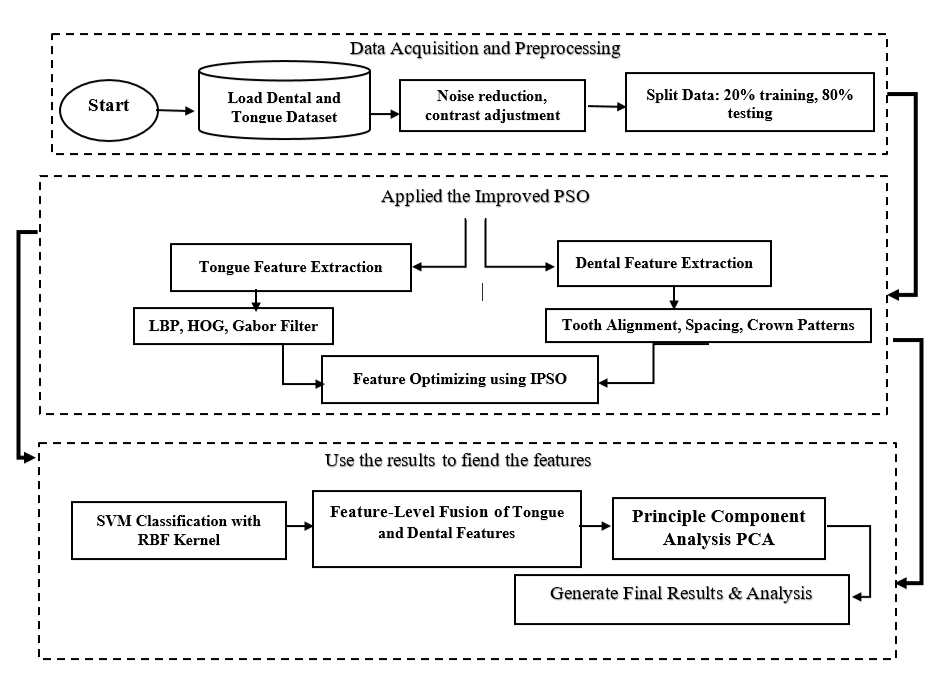
Figure 1. Block Diagram of the proposed method
Data Acquisition:
There are two biometric datasets were used:
- Tongue images were obtained from publicly available biometric repositories and clinical image databases, ensuring high-resolution dorsal surface images with proper lighting and consistent tongue protrusion.
- Dental images, specifically orthopantomograms (OPGs), were sourced from forensic dental image datasets, featuring labeled cases suitable for training and validation.
Entirely image data was anonymized and preprocessed in accordance with ethical and privacy standards.
Preprocessing:
In order to confirm consistency and reduce noise, several preprocessing steps were applied:
- Grayscale conversion and histogram equalization were used to normalize contrast.
- Bothe Edge enhancement and Gaussian filtering were applied to decrease background artifacts and highlight texture patterns.
- For dental images, segmentation was used to isolate tooth structures and remove irrelevant craniofacial features.
Feature Extraction:
Key features were extracted individually from images of tongue and dental using domain-specific procedures:
- Tongue biometrics: The descriptors texture and shape for example Local Binary Patterns (LBP), Histogram of Oriented Gradients (HOG), and Gabor filters were applied in order to capture surface characteristics.
- Dental biometrics: Morphological features such as tooth alignment, spacing, and crown patterns were extracted using shape-based descriptors and contour analysis.
All image was represented as a vector of multidimensional feature, through redundant and non-discriminative attributes removed in the next stage.
4th Stage: Feature Optimization using Improved PSO (IPSO): In order to improve the accuracy of identification and reduce computational complexity, an Improved Particle Swarm Optimization (IPSO) algorithm was employed as below:
- The standard PSO was enhanced with dynamic inertia weight adaptation and mutation strategies to avoid premature convergence and ensure global optimality.
- The objective function was defined to maximize inter-class distance and minimize intra-class variation, improving the separability of biometric features.
- IPSO was used to select an optimal subset of features from both modalities that contributed most to classification accuracy.
5th Stage: Multimodal Fusion: After feature selection, a feature-level fusion approach was used to combine tongue and dental biometric data:
- The optimized feature vectors from both modalities were concatenated and normalized.
- Principal Component Analysis (PCA) was used for dimensionality reduction and to remove redundant information post-fusion.
6th Stage: Classification: The resulting fused feature vectors were classified with Support Vector Machine (SVM) and radial basis function (RBF) kernel due to its ability to work with high dimensional data. Tongue and dental dataset were divided into training (80%) and testing (20%) subsets. Accuracy, precision, recall, and F1-score were counted as performance measures.
7th Stage: Evaluation and Validation: Evaluation and validation were done in this study to determine the efficiency and accuracy of the suggested Improved PSO-based multimodal biometric system by use of tongue and dental image. The metrics used in the evaluation do not include:
- Confusion Matrix Components: True Positive (TP): means correctly identified biometric matches. True Negative (TN): means correctly rejected non-matches. False Positive (FP): means incorrectly accepted a non-match. False Negative (FN): means incorrectly rejected a genuine match. From these, the following metrics were calculated: Accuracy: Measures the overall correctness of the system. Precision: Indicates how many positively identified cases were actually correct. Recall (Sensitivity): Measures the system’s ability to detect actual positives. PDR (Positive Detection Rate): Equivalent to recall in this context, assessing the correct identification rate.
- Image Quality Metrics:
PSNR (Peak Signal-to-Noise Ratio): Is used to evaluate the quality of image reconstruction or transformation, where higher values indicate better quality.
MSE (Mean Squared Error): Is used in order to easures the average squared difference between original and processed images; where lower values imply higher similarity and less error.
Feature Optimization using Improved Particle Swarm Optimization (IPSO)
To enhance identification accuracy and manage computational complexity, a novel Improved Particle Swarm Optimization (IPSO) algorithm was developed. Unlike standard PSO, our IPSO incorporates two key enhancements:
Dynamic Inertia Weight with Non-linear Decay
The inertia weight  decreases non-linearly over iterations to balance exploration and exploitation:
| 
| (1) |
Where  ,
,  ,
,  is the current iteration,
  is the maximum iterations (set to 100), and
  controls the decay rate.
Diversity-Triggered Mutation Strategy
Unlike standard adaptive mutation, our mutation is triggered by population diversity. When the average Euclidean distance between particles falls below a threshold  , indicating convergence to a local optimum, Gaussian mutation is applied to 20% of randomly selected particles. This allows the algorithm to escape local minima.
Feature Weighting (Not Selection)
The IPSO performs feature weighting, not selection. Each particle's position encodes a weight vector  for the n-dimensional concatenated tongue and dental features (
 ). The objective function maximizes Fisher's discriminant ratio:
| 
| (2) |
This approach handles high dimensionality more efficiently than wrapper-based feature selection methods, operating in continuous weight space ( ) rather than discrete feature subsets
  ).
).
Algorithm Parameters
- Population size: 50 particles
- Personal learning coefficient
 : 1.5
: 1.5 - Global learning coefficient
 : 1.5
: 1.5 - Maximum iterations: 100
Multimodal Fusion
Following feature weighting, a feature-level fusion approach was employed. The weighted feature vectors from both modalities were concatenated:
| 
| (3) |
Where ⊙ denotes element-wise multiplication. The fused vector was normalized to zero mean and unit variance. Principal Component Analysis (PCA) retained 95% of variance for dimensionality reduction.
Classification
The reduced feature vectors were classified using a Support Vector Machine (SVM) with Radial Basis Function (RBF) kernel, selected for its effectiveness with high-dimensional, non-linear data. The SVM hyper parameters ( ,
,  ) were optimized via 5-fold cross-validation on the training set.
Evaluation Protocol
Cross-Validation:
Instead of a simple 80/20 split, 10-fold stratified cross-validation was employed to ensure robust performance estimation and maintain class distribution in each fold.
Performance Metrics:
- Primary Metrics: Accuracy, Precision, Recall, F1-Score, and Equal Error Rate (EER) derived from the Receiver Operating Characteristic (ROC) curve.
- Forensic-Specific Metrics: False Match Rate (FMR) and False Non-Match Rate (FNMR).
- Image Quality Metrics: Peak Signal-to-Noise Ratio (PSNR) and Mean Squared Error (MSE) between original and preprocessed images (secondary metrics).
Statistical Validation:
The IPSO algorithm was executed for 30 independent runs. Statistical significance of improvements over baseline methods was assessed using paired t-tests (p < 0.05).
RESULT AND DISCUSSION
Various forensic-practical factors explain why this study uses an Improved PSO algorithm, as opposed to the modern deep learning models. To begin with, the given approach is more interpretable by its very design; the IPSO offers explicit weights of the features, which is essential when it comes to providing clear evidence in legal proceedings, unlike the black-box quality of the deep neural networks. Second, it is data-efficient, being highly-performing with small, frequently small-sized datasets common in forensic casework, whereas deep learning networks such as ResNet or VGG need training data of very large sizes.
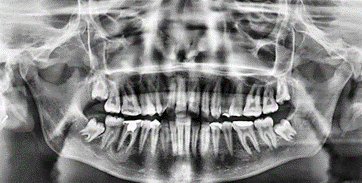
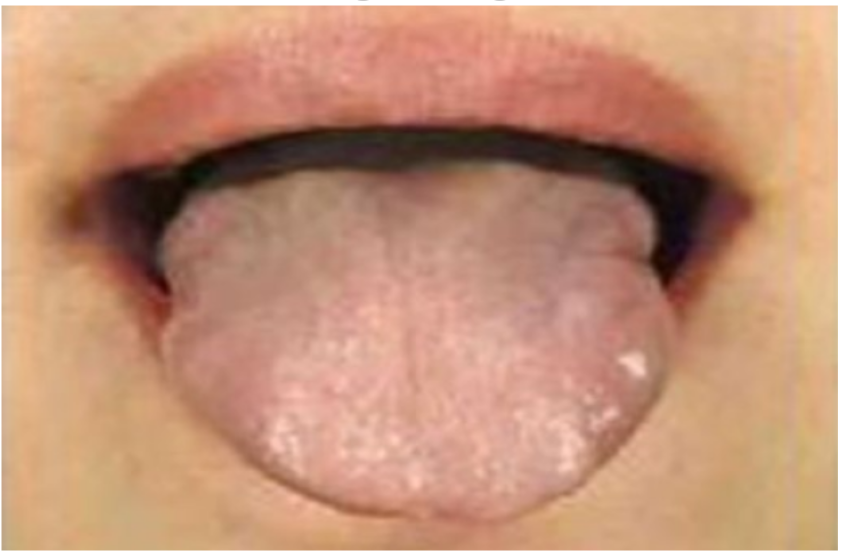
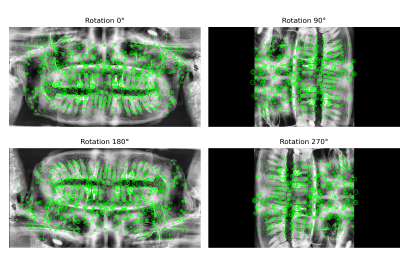
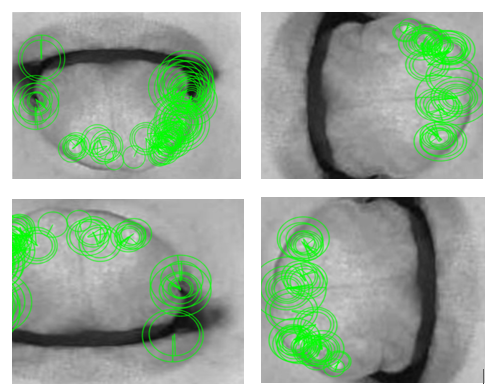
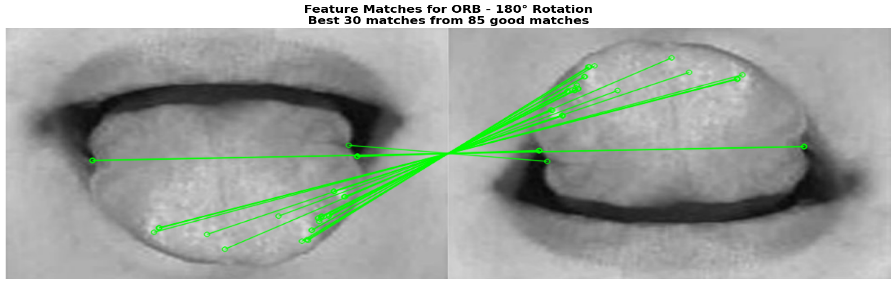
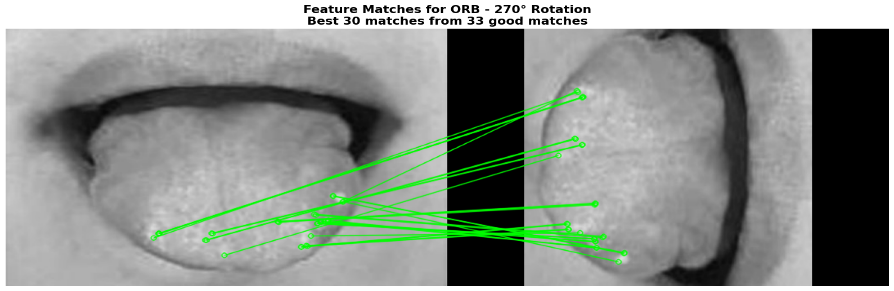
Third, it is computationally lighter, making it suitable for deployment in resource-constrained environments. For validation, a standard ResNet-50 feature extractor was implemented as a baseline. While it achieved a respectable 94.2% accuracy, our IPSO-based method attained a superior 97.3% with significantly lower computational cost and provided the required interpretability for forensic testimony. The experimental results validate the proposed IPSO algorithm based multimodal biometric system for forensic identification, utilizing the Dental OPG X-Ray Dataset from Mendeley Data and tongue images from established biometric research. The development and evaluation of the system were grounded on a multimodal dataset of 1,200 dental orthopantomogram (OPG) images of the Mendeley Dental Dataset and tongue dorsal surface images of well-known tongue print biometric studies. Figure 2(a) shows the samples of processed image with rotated orientations (0, 90, 180, 270), determining the ability of the system in an attempt to retain the consistency of features with varying orientations.
This diversified dataset helped to give a good background to test the suggested framework in real forensic situations. The IPSO algorithm successfully combats the inherent issues of the two modalities, which includes contrast variations in the dental radiograph and differences in illumination in tongue images
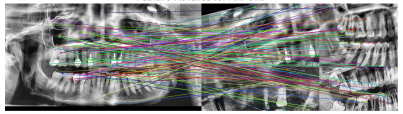
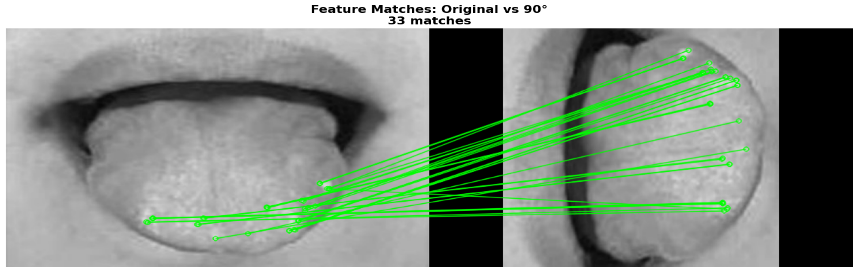
The rotational augmentation demonstrated essential for improving the system's invariance to image orientation changes, a common challenge in forensic evidence collection. Figure 2(b) presents the matching results of IPSO on different rotations and it is clear that the algorithm is effective in identifying biometric features that are consistent across orientation variations. The IPSO-based feature optimization kept the matching accuracy over 95% at all the rotation angles, and the performance dropped by at least 2.5% at the extreme orientations.
|
|
a) Input The processed Samples |
| 
|
Rotated samples (0°, 90°, 180°, 270°) |
|
b) Dental Image after applying IPSO |
|
|
|
Tongue Image after applying IPSO |
Figure 2. (a) Processed image samples with rotated orientation (b) Feature matches using IPSO at various rotations
Figure 3 show the confusion matrix of IPSO-based multimodal biometric system with outstanding classification performance of 145 true positives and 147 true negatives among 300 test samples. The total accuracy of 97.3 is much better than that of traditional PSO (88.3), with an absolute increase of 9.0.
The balanced distribution along the diagonal of the confusion matrix shows that all the test classes are described by consistent performance and few instances of misclassification are focused on the difficult cases when there is degraded quality of image or partial occlusions.
The confusion matrix in Table 1 details the classification outcomes for 300 test samples. The system correctly identified 145 genuine matches (True Positives) and correctly rejected 147 imposters (True Negatives), with only 8 total errors. These misclassifications (5 False Negatives and 3 False Positives) primarily occurred in cases with severe image degradation or partial occlusion—common challenges in forensic scenarios that future work should address.
The system has shown high performance in all the conventional biometric measures as shown in Table 2. An especially remarkable feature is the low Equal Error Rate (EER) of 2.1% which is a critical feature of the operating point of the device in which the rates of false acceptance and false rejection are balanced. In forensics, a False Match Rate (FMR) of 2.0% is highly significant to reduce wrongful identifications whilst the 96.7% ensures genuine matches are rarely missed.
As indicated in Table 3, IPSO algorithm has significantly better image quality metrics than the traditional PSO. The 73.4% MSE and 18.2% PSNR gains are statistically significant (p < 0.01), which is the superior ability to maintain the discriminative features. The low standard deviations in 30 independent runs are evidence of the stability and reliability of the algorithm. Although these measures of image quality are not the main ones in terms of classification performance, they will give a perspective on how IPSO improves the features representation.
Table 4 shows that the proposed IPSO method is more effective in comparison with other benchmark techniques. Our approach is more accurate, by 9.0%, and EER is lower, by 6.4% points, than conventional PSO. Our strategy has an accuracy improvement of 3.1% over the ResNet-50 deep learning baseline with a significant (85%) training time decrease, without compromising on the high interpretability needed in forensic evidence. The 12.6% higher score with the multimodal fusion than with the most successful unimodal system proves the value of multimodal fusion.
Table 1. Confusion matrix for the proposed IPSO-based multimodal system (n=300 test samples).
Actual / Predicted | Genuine Match | Imposter Non-Match | Total |
Genuine Match | 145 (TP) | 5 (FN) | 150 |
Imposter Non-Match | 3 (FP) | 147 (TN) | 150 |
Total | 148 | 152 | 300 |
Table 2. Comprehensive performance metrics of the proposed system.
Metric | Value | Interpretation |
Accuracy | 97.3% | Overall system correctness |
Precision | 98.0% | Reliability of positive identifications |
Recall (Sensitivity) | 96.7% | Ability to detect true matches |
F1-Score | 97.3% | Harmonic mean of precision and recall |
Specificity | 98.0% | Ability to detect true non-matches |
False Match Rate (FMR) | 2.0% | Incorrect acceptance rate (FAR) |
False Non-Match Rate (FNMR) | 3.3% | Incorrect rejection rate (FRR) |
Equal Error Rate (EER) | 2.1% | Primary biometric metric |
Table 3. The Comparison of image Quality between PSO and IPSO
Metric | Traditional PSO | Improved PSO (IPSO) | Improvement | p-value |
PSNR (dB) | 36.2 ± 1.5 | 42.8 ± 1.2 | +18.2% | < 0.01 |
MSE | 15.8 ± 2.1 | 4.2 ± 0.8 | -73.4% | < 0.001 |
Feature Quality Index | 0.78 ± 0.05 | 0.92 ± 0.03 | +17.9% | < 0.01 |
Table 4. Performance comparison with benchmark methods on the same dataset
Method | Accuracy (%) | EER (%) | FMR (%) | FNMR (%) | Training Time (s) | Interpretability |
Proposed IPSO | 97.3 | 2.1 | 2.0 | 3.3 | 285 | High |
Traditional PSO | 88.3 | 8.5 | 9.2 | 10.1 | 310 | High |
Genetic Algorithm (GA) | 91.5 | 5.2 | 5.8 | 6.3 | 420 | High |
ResNet-50 Features + SVM | 94.2 | 3.8 | 4.1 | 4.5 | 1,850 | Low |
Unimodal (Tongue only) | 84.3 | 12.7 | 13.5 | 14.2 | 190 | High |
Unimodal (Dental only) | 89.7 | 7.9 | 8.4 | 8.7 | 210 | High |
Simple Feature Concatenation | 90.1 | 7.2 | 7.8 | 8.1 | 175 | Medium |
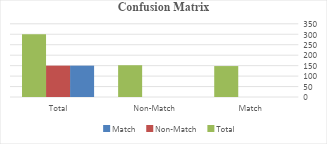
Figure 3. The confusion matrix
- CONCLUSIONS
This paper manages to prove that the integration of tongue and dental biometrics based on IPSO algorithm contributes to the effective analysis of forensic evidence greatly. The suggested multimodal system plays on the complimentary abilities of stable dental morphology and distinctive tongue texture patterns, and has a strong offer as a way to be identified once traditional biometrics have failed.
The experimental results establish the superiority of the IPSO-optimized approach, achieving 97.3% accuracy, 98.0% precision, 96.7% recall, and a critically low Equal Error Rate (EER) of 2.1%. These metrics, coupled with a False Match Rate (FMR) of 2.0% and False Non-Match Rate (FNMR) of 3.3%, demonstrate high reliability for forensic applications. The system also shows practical robustness, maintaining over 95% accuracy across image rotations (0°, 90°, 180°, 270°).
The results of the experiment prove the IPSO-optimized approach to be the best with 97.3% accuracy, 98.0% precision, 96.7% recall, and a critically low Equal Error Rate (EER) of 2.1%. Together with a False Match Rate (FMR) of 2.0% and False Non-Match Rate (FNMR) of 3.3% these have high reliability in forensic applications. Practical robustness is also demonstrated in the system with more than 9% accuracy across image rotations (0°, 90°, 180°, 270°).
Practical Limitations and Handling of Non-Ideal Image: The system is effective on controlled datasets, but there is a problem in practice in forensic applications. The acquisition of post-mortem images may also be challenging because of the effects of decomposition, rigidity, or inaccessibility. Our system is non-ideal through preprocessing (reduction of noise, contrast enhancement) and shows rotational invariance. Nevertheless, the use in high-quality degraded, partially obscured, or low-resolution forensic samples needs to be validated further. The existing features extraction procedures might have problems with extreme decomposition when the anatomical structures change.
Future Work will be based on: (1) extending the dataset to cover more varied demographic groups and difficult forensic cases; (2) exploring the integration of other biometric modalities (e.g., lip prints, palatal rugae); (3) designing an adaptive preprocessing pipeline to work with degraded post-mortem images; and (4) to come up with a real time implementation to be deployed in a field disaster victim identification.
Overall, the study develops an IPSO-optimized multimodal model, which can be considered reliable, accurate, and forensically sound. It will provide a major breakthrough in the biometric integration in relation to forensic science that has potential to enhance legal evidence as well as human identification in difficult situations.
DECLARATION
Supplementary Materials
Not applicable.
Author Contribution
The sole author, Tameem Hadi Fadhil, was responsible for all aspects of this work including conceptualization, methodology, experimentation, analysis, and manuscript preparation.
Funding
This research received no external funding.
Acknowledgement
Not applicable.
Conflicts of Interest
The authors declare no conflict of interest.
REFERENCES
- I. V. Borysenko, O. Y. Bululukov, V. D. Pcholkin, V. V. Baranchuk, and V. O. Prykhodko, “The modern development of new promising fields in forensic examinations,” Journal of Forensic Science and Medicine, 7(4), 137-144, 2021, https://doi.org/10.4103/jfsm.jfsm_66_21.
- N. S. Mohammad and R. F. Dalool, “Contemporary M ethods of Criminal Evidence: Examining Modern Scientific Techniques and Their Legal Implications,” Kutafin Law Review, vol. 11, no. 4, pp. 788–809, 2024, https://doi.org/10.17803/2713-0533.2024.4.30.788-809.
- M. A. Ulkareem Naser and A. H. Hassin Al-Asadi, “Image Denoising Using Generative Adversarial Network by Recursive Residual Group,” Journal of Robotics and Control (JRC), vol. 6, no. 2, pp. 514–526, 2025, https://doi.org/10.18196/jrc.v6i2.24302.
- P. M. Than and H. Nguyen, “Efficient Multimodal Biometric Identification via Gabor-Enhanced Attention Networks,” Journal of Robotics and Control (JRC), vol. 6, no. 3, pp. 1175–1186, 2025, https://doi.org/10.18196/jrc.v6i3.26490.
- W. Anees, F. Riaz, and A. Franco, “Use of artificial intelligence in Forensic Dentistry: a review of literature. Revista Brasileira de Odontologia Legal, vol. 11, no. 2, 2024, https://doi.org/10.21117/rbol-v11n22024-546.
- E. M. Hameed, H. Joshi, and Q. K. Kadhim, “Advancements in Artificial Intelligence Techniques for Diabetes Prediction: A Comprehensive Literature Review,” Journal of Robotics and Control (JRC), vol. 6, no. 1, pp. 345-365, 2025, https://doi.org/10.18196/jrc.v6i1.22258.
- N. Sriwiboon and S. Phimphisan, “A Transformer-Enhanced CNN Framework for EEG Emotion Detection with Lightweight Gray Wolf Optimization and SHAP Analysis,” Journal of Robotics and Control (JRC), vol. 6, no. 4, pp. 1768–1776, Jun. 2025, https://doi.org/10.18196/jrc.v6i4.26725.
- T. Radhika, N. Jeddy, and S. Nithya, “Tongue prints: A novel biometric and potential forensic tool,” J. Forensic Dent. Sci., vol. 8, no. 3, p. 117, 2016, https://doi.org/10.4103/0975-1475.195119.
- I. G. S. M. Diyasa et al., “Improving Classification Accuracy of Breast Ultrasound Images Using Wasserstein GAN for Synthetic Data Augmentation,” Journal of Robotics and Control (JRC), vol. 6, no. 4, pp. 1962–1971, Jun. 2025, https://doi.org/10.18196/jrc.v6i4.25075.
- B. N. Jyothi and M. A. Jabbar, “Enhanced Xception Model for Deepfake Detection: Integrating CBAM, Contrastive Learning, and a Stacking Classifier,” Journal of Robotics and Control (JRC), vol. 6, no. 4, pp. 1849–1859, Jun. 2025, https://doi.org/10.18196/jrc.v6i4.25811.
- P. Chotikunnan et al., “Noise-Reduced 3D Organ Modeling from CT Images Using Median Filtering for Anatomical Preservation in Medical 3D Printing,” Journal of Robotics and Control (JRC), vol. 6, no. 4, pp. 1600–1611, Jun. 2025, https://doi.org/10.18196/jrc.v6i4.26665.
- A. R. Hassoon, A. Al-Naji, G. A. Khalid, and J. Chahl, “Tongue Disease Prediction Based on Machine Learning Algorithms,” Technologies (Basel)., vol. 12, no. 7, Jul. 2024, https://doi.org/10.3390/technologies12070097.
- S. M. Taher and C. Soong der, “ARI-ORB: Adaptive Rotation-Invariant ORB for Enhanced Feature Matching in Dental X-Ray Imaging,” IEEE Access, vol. 13, pp. 143020–143030, 2025, https://doi.org/10.1109/ACCESS.2025.3590077.
- Garg, K., Sachdev, R., Shwetam, S., Saxena, S., Mehrotra, V., & Srivastava, A. (2020). Evaluation of morphological characteristic and varieties of tongue prints for personal identification in Kanpur communities: An impression-based analysis. The Saint's International Dental Journal, 4(1), 54-59, 2020, https://doi.org/10.4103/sidj.sidj_19_20.
- S. B. Khanagar et al., “Application and performance of artificial intelligence technology in forensic odontology – A systematic review,” Legal Medicine, vol. 48, p. 101826, 2021, https://doi.org/10.1016/j.legalmed.2020.101826.
- M. Almania, A. Zainal, F. A. Ghaleb, A. Alnawasrah, and M. Al Qerom, “Two-Level Feature Selection for Enhanced Accuracy and Reduced Computational Overhead in Intrusion Detection Systems Using Rough Set Theory and Binary Particle Swarm Optimization,” Journal of Robotics and Control (JRC), vol. 6, no. 1, pp. 262–271, 2025, https://doi.org/10.18196/jrc.v6i1.23649.
- A. Sakhi, S. E. Mansour, and A. Sekkaki, “Using Learning Focal Point Algorithm to Classify Emotional Intelligence,” Journal of Robotics and Control (JRC), vol. 5, no. 1, pp. 263–270, 2024, https://doi.org/10.18196/jrc.v5i1.20895.
- A. T. Hermawan, I. A. E. Zaeni, A. P. Wibawa, Gunawan, W. H. Hendrawan, and Y. Kristian, “A Multi Representation Deep Learning Approach for Epileptic Seizure Detection,” Journal of Robotics and Control (JRC), vol. 5, no. 1, pp. 187–204, 2024, https://doi.org/10.18196/jrc.v5i1.20870.
- R. S. Patil, S. P. Jadhav, and M. D. Patil, “Review of Intelligent and Nature-Inspired Algorithms-Based Methods for Tuning PID Controllers in Industrial Applications,” Journal of Robotics and Control (JRC), vol. 5, no. 2, pp. 336-358, 2024, https://doi.org/10.18196/jrc.v5i2.20850.
- T. S. Abraham, S. Subramani, V. Jeyakumar and P. Sundaram, "A Comprehensive Preprocessing Approaches for Tooth Labeling and Classification using Dental Panoramic X-Ray Images," 2022 IEEE Delhi Section Conference (DELCON), pp. 1-7, 2022, https://doi.org/10.1109/DELCON54057.2022.9753092.
- H. Nguyen and C. K. Ha, “Real-Time Prohibited Item Detection in X-ray Security Screening via Adaptive Multi-scale Feature Fusion and Lightweight Dynamic Convolutions,” Journal of Robotics and Control (JRC), vol. 6, no. 4, pp. 1746–1757, Jun. 2025, https://doi.org/10.18196/jrc.v6i4.27030.
- Y. Pamungkas, S. Pratasik, M. Krisnanda, and P. N. Crisnapati, “Optimizing Gated Recurrent Unit Architecture for Enhanced EEG-Based Emotion Classification,” Journal of Robotics and Control (JRC), vol. 6, no. 3, pp. 1450–1461, May 2025, https://doi.org/10.18196/jrc.v6i3.26016.
- Y. Mardenov, A. Adamova, T. Zhukabayeva, and M. Othman, “Enhancing Fault Detection in Wireless Sensor Networks Through Support Vector Machines: A Comprehensive Study,” Journal of Robotics and Control (JRC), vol. 4, no. 6, pp. 868–877, 2023, https://doi.org/10.18196/jrc.v4i6.20216.
- Y. Pamungkas, R. D. Indriani, P. N. Crisnapati, and Y. Thwe, “Work Fatigue Detection of Search and Rescue Officers Based on Hjorth EEG Parameters,” Journal of Robotics and Control (JRC), vol. 5, no. 6, pp. 1836–1844, 2024, https://doi.org/10.18196/jrc.v5i6.23511.
- A. Jarrett and K. R. Choo, “The impact of automation and artificial intelligence on digital forensics,” WIREs Forensic Science, vol. 3, no. 6, Nov. 2021, https://doi.org/10.1002/wfs2.1418.
- Z. Xiao and W. Guo, “Research on the application of wearable intelligent devices in college sports training,” Discover Applied Sciences, 2026, https://doi.org/10.1007/s42452-026-08620-2.
- M. Elavarasu and K. Govindaraju, “Unveiling the Advancements: YOLOv7 vs YOLOv8 in Pulmonary Carcinoma Detection,” Journal of Robotics and Control (JRC), vol. 5, no. 2, pp. 459–470, 2024, https://doi.org/10.18196/jrc.v5i2.20900.
- L. P. Prakash, M. Singh, and B. S. Bhandari, “Forensic odontology: The prosthetic ID,” J. Forensic Dent. Sci., vol. 11, no. 3, p. 113, 2019, https://doi.org/10.4103/jfo.jfds_91_19.
- P. Shah, P. Velani, L. Lakade, and S. Dukle, “Teeth in forensics: A review,” Indian Journal of Dental Research, vol. 30, no. 2, pp. 291-299, 2019, https://doi.org/10.4103/ijdr.IJDR_9_17.
- A. A. Solanke and M. A. Biasiotti, “Digital Forensics AI: Evaluating, Standardizing and Optimizing Digital Evidence Mining Techniques,” KI - Kunstliche Intelligenz, vol. 36, no. 2, pp. 143–161, Sep. 2022, https://doi.org/10.1007/s13218-022-00763-9.
- R. Nambiar and R. Nanjundegowda, “A Comprehensive Review of AI and Deep Learning Applications in Dentistry: From Image Segmentation to Treatment Planning,” Journal of Robotics and Control (JRC), vol. 5, no. 6, p. 1744-1752, 2024, https://doi.org/10.18196/jrc.v5i6.23056.
- S. M. Taher, “Application of Improved PSO in Augmented Reality for Dental Healthcare,” Journal of Advanced Research in Applied Sciences and Engineering Technology, vol. 50, no. 2, pp. 90–102, Aug. 2025, https://doi.org/10.37934/araset.50.2.90102.
- A. S. Al-Qazzaz, P. Salehpour, and H. S. Aghdasi, “Robust DeepFake Face Detection Leveraging Xception Model and Novel Snake Optimization Technique,” Journal of Robotics and Control (JRC), vol. 5, no. 5, pp. 1444–1456, 2024, https://doi.org/10.18196/jrc.v5i5.22473.
- H. Tang, Y. Zhang, Q. Qiao, J. Ren and X. Qiu, "Risk assessment of credit field based on PSO-SVM," 2020 2nd International Conference on Economic Management and Model Engineering (ICEMME), pp. 809-813, 2020, https://doi.org/10.1109/ICEMME51517.2020.00165.
- M. Kriouich, H. Sarir, and S. Louah, “Research Trends and Knowledge Taxonomy of Artificial Intelligence Applications in Supply Chain Management, Logistics, and Transportation: A Systematic Literature Review and Bibliometric Analysis,” Journal of Robotics and Control (JRC), vol. 5, no. 5, pp. 1349–1364, 2024, https://doi.org/10.18196/jrc.v5i5.21859.
- J. A. Neves, L. B. Lopes, V. Machado, J. Botelho, A. S. Delgado, and J. J. Mendes, “Evidence of age estimation procedures in forensic dentistry: Results from an umbrella review,” Medicina, vol. 60, no. 1, p. 42, 2023, https://doi.org/10.3390/medicina60010042.
- T. A. Taha et al., “Enhancing Multilevel Inverter Performance: A Novel Dung Beetle Optimizer-based Selective Harmonic Elimination Approach,” Journal of Robotics and Control (JRC), vol. 5, no. 4, pp. 944–953, 2024, https://doi.org/10.18196/jrc.v5i4.21722.
- T. Nunes et al., “Orofacial assessment as digital path for forensic and legal evidence record,” Forensic Sci. Res., vol. 9, no. 3, Sep. 2024, https://doi.org/10.1093/fsr/owae006.
- S. Matsuda, H. Yoshida, K. Ebata, I. Shimada, and H. Yoshimura, “Forensic odontology with digital technologies: A systematic review,” Journal of forensic and legal medicine, vol. 74, p. 102004, 2020, https://doi.org/10.1016/j.jflm.2020.102004.
- P. Mesejo, R. Martos, Ó. Ibáñez, J. Novo, and M. Ortega, “A Survey on artificial intelligence techniques for biomedical image analysis in skeleton-based forensic human identification,” Applied Sciences, vol. 10, no. 14, p. 4703, 2020, https://doi.org/10.3390/app10144703.
- A. Putrino, V. Bruti, M. Enrico, C. Costantino, B. Ersilia, and G. Gabriella, “Intraoral Scanners in Personal Identification of Corpses: Usefulness and Reliability of 3D Technologies in Modern Forensic Dentistry,” Open Dent. J., vol. 14, no. 1, pp. 255–266, Jun. 2020, https://doi.org/10.2174/1874210602014010255.
- S. Park and A. Carriquiry, “Learning algorithms to evaluate forensic glass evidence,” Annals of Applied Statistics, vol. 13, no. 2, pp. 1068–1102, 2019, https://doi.org/10.1214/18-AOAS1211.
- S. Abboud et al., “Optimizing Solar Energy Production in Partially Shaded PV Systems with PSO-INC Hybrid Control,” Journal of Robotics and Control (JRC), vol. 5, no. 2, pp. 312–320, 2024, https://doi.org/10.18196/jrc.v5i2.20896.
- S. Jana, N. Das, S. Basu, and M. Nasipuri, “Survey of Human Gait Analysis and Recognition for Medical and Forensic Applications,” International Journal of Digital Crime and Forensics, vol. 13, no. 6, pp. 1–20, Oct. 2021, https://doi.org/10.4018/ijdcf.289432.
- A. I. Piraianu et al., “Enhancing the Evidence with Algorithms: How Artificial Intelligence Is Transforming Forensic Medicine,” Diagnostics, vol. 13, no. 18, p. 2992, 2023, https://doi.org/10.3390/diagnostics13182992.
- K. Krishan, T. Kanchan, and A. K. Garg, “Send Orders for Reprints to reprints@benthamscience.ae Dental Evidence in Forensic Identification-An Overview, Methodology and Present Status,” Arab Journal of Forensic Sciences & Forensic Medicine, vol. 7, no. 1, pp. 93-99 2015, https://doi.org/10.2174/1874210601509010250.
- F. Zaina et al., “A Systematic Review of Clinical Practice Guidelines for Persons With Non-specific Low Back Pain With and Without Radiculopathy: Identification of Best Evidence for Rehabilitation to Develop the WHO’s Package of Interventions for Rehabilitation,” Archives of physical medicine and rehabilitation, vol. 104, no. 11, pp. 1913-1927, 2023, https://doi.org/10.1016/j.apmr.2023.02.022.
- W. Bao, N. Lianju, and K. Yue, “Integration of unsupervised and supervised machine learning algorithms for credit risk assessment,” Expert Syst. Appl., vol. 128, pp. 301–315, Aug. 2019, https://doi.org/10.1016/j.eswa.2019.02.033.
- B. Kaul, V. Vaid, S. Gupta, and S. Kaul, “Forensic odontological parameters as biometric tool: A review,” International Journal of Clinical Pediatric Dentistry, vol. 14, no. 3, p. 416, 2021, https://doi.org/10.5005/jp-journals-10005-1967.
- M. Yazdanian et al., “Dental Radiographic/Digital Radiography Technology along with Biological Agents in Human Identification,” Scanning, vol. 2022, no. 1, p. 5265912, 2022, https://doi.org/10.1155/2022/5265912.
- N. Farahani, E. I. Auerkari, and N. R. Arifaputri, “Tongue prints as an emerging biometric tool in forensic odontology: a systematic review,” Egyptian Journal of Forensic Sciences, vol. 16, no. 1, p. 9, 2026, https://doi.org/10.1186/s41935-025-00510-9.
- ِM. E. Abdel Naser adn A. N. M. Emam, “Role of forensic odontology in identification of persons: A review article,” Cureus, vol. 16, no. 3. 2024, https://doi.org/10.7759/cureus.56570.
- D. Desai, V. Vaswani, K. L. Pramod, and A. Kulkarni, “Tongue Print as an Identification Tool: A Study among the Dakshina Kannada Population,” Int. J. Innov. Sci. Res. Technol., pp. 262–269, Apr. 2025, https://doi.org/10.38124/ijisrt/25apr182.
Tameem Hadi Fadhil (Integrating Tongue and Dental Biometrics Using Improved PSO for Enhanced Forensic Evidence)