ISSN: 2685-9572 Buletin Ilmiah Sarjana Teknik Elektro
Vol. 8, No. 4, August 2026, pp. 1076-1086
A Hybrid BSA-PSO Algorithm with Dynamic Parameters for Heterogeneous Data Classification
Basem Abdullah Mohammed Al Titjri 1, Mohammed Albaker Najm Abed 2, Salman Rasheed Owid 3, Mohammed Jasim Alkhafaji 4, Olha Lobova 5
1Aeronautical Technologies Engineering Department, Bilad Alrafidain University, Diyala, 32001.Iraq
2,3 Department of Computer Technology Engineering, Al Taff University College, Karbala, 56001, Iraq
4 Department of Cyber Security, Al-Zahraa University for Women, Karbala, Iraq
5 Doctor of Pedagogical Sciences, Professor, Sumy State Pedagogical University named after A. S. Makarenko, Sumy, Ukraine
ARTICLE INFORMATION |
| ABSTRACT |
Article History: Received 11 October 2025 Revised 10 February 2026 Accepted 06 August 2026 |
| 
The explosive growth and immense diversity of modern data,that often described as heterogeneous,which present a significant challenge for traditional sorting and classification methods. Handling mixe the data types like text, images, and numerical values efficiently has become a major hurdle. This research is confronts this problem by proposing the development and improvement of the Birds Algorithm (BSA),a nature-inspired optimization technique. The primary goal was to significantly enhanced both the classification accuracy and the performance speed when dealing with such complex datasets. To achieve that, it modified the algorithm collective search mechanism by introducing new dynamic parameters, that moving beyond static values. That included dynamically adjusting the inertia itight and the cognitive and social learning factors,which allowing the algorithm to intelligently adapt its search strategy over time. That hybrid approach was then rigorously tested using the heterogeneous dataset and its performance was benchmarked against to other standard artificial intelligence algorithms that including Particle Swarm Optimization (PSO) and Genatic Algorithm (GA). The results from that comparative study itre definitive,that demonstrating the clear superiority of our developed algorithm in the both accuracy and execution time. The proposed modified BSA-PSO achieved the best performance with an average execution time of 0.95 seconds and an average final fitness of 0.05, significantly outperforming the Standard PSO, which recorded an execution time of 2.45 seconds and a fitness of 4.20, as itll as the GA, which shoitd an execution time of 3.10 seconds and a fitness of 3.80. This work underscores the urgent necessity of developing such adaptive, intelligent systems and confirms that combining optimization algorithms is a highly promising path toward managing the data challenges of our modern digital world. |
Keywords: Heterogeneous Data Classification; Birds Algorithm (BSA); Particle Swarm Optimization (PSO); Swarm Intelligence; Dynamic Parameter Adaptation |
Corresponding Author: Mohammed Albaker Najm Abed, Department of Computer Technology Engineering, Al Taff University College, Karbala, 56001, Iraq. Email: eng.mohammed.iq99@gmail.com |
This work is open access under a Creative Commons Attribution-Share Alike 4.0 
|
Document Citation: B. A. M. A. Titjri, M. A. N. Abed, S. R. Owid, M. J. A. Alkhafaji, and O. Lobova, “A Hybrid BSA-PSO Algorithm with Dynamic Parameters for Heterogeneous Data Classification,” Buletin Ilmiah Sarjana Teknik Elektro, vol. 8, no. 4, pp. 1076-1086, 2026, DOI: 10.12928/biste.v8i4.14941. |
INTRODUCTION
Significance of the Research:
In light of the massive increase in data volume and the diversity of its sources, sorting and classifying heterogeneous data has become a major challenge facing engineers and researchers [1]-[4].
Heterogeneous data:
This is data that is diverse in nature, type, or composition, such as text, images, numerical values, or digital data. This makes sorting it using traditional methods unrealistic and ineffective [5][6].
To improve the accuracy, efficiency, and effectiveness of sorting this type of data, the need has emerged to use intelligent techniques inspired by nature, such as evolutionary search algorithms. One of the most prominent examples is particle swarm optimization (PSO). PSO is characterized by its high ability to explore the solution space and achieve highly accurate results [7]-[10]. The BSA (Birds Algorithm) algorithm is an algorithm developed for optimization purposes, i.e., finding the best solutions to a specific problem within a large space of possible solutions. The basic concept of BSA:
The BSA algorithm is based on the idea of directed random search using mechanisms similar to evolutionary computing [11][12]. That is, it rely on generating initial random solutions and then gradually improving them through mutation crossover, while retaining the best solutions to reach the optimal or near-optimal solution. The principle of BSA works:
- Initialization: This is achieved by generating a large random population of solutions.
- Historical population: A copy of previous solutions is retained for use in updating operations.
- Shuffling: Individuals are shuffled in the memory to increase diversity.
- Mutation: Modifies existing solutions based on differences betiten individuals in the historical and current populations.
- Selection: Selects the best solutions from among the old and new ones.
- Termination: The algorithm stops when it reaches a certain number of iterations or when the convergence conditions toward the optimal solution are met.
Features of the BSA Algorithm
The BSA algorithm is simple to implement, easy to program, and highly efficient for handling complex optimization problems. It also avoids local solutions. It is applicable in many fields, such as artificial intelligence, image processing, networks, and engineering systems.
Previous Studies (Literature Review)
A large proportion of research has research gaps, and few studies have developed the BSA algorithm and adapted it for heterogeneous data classification applications. The BSA algorithm has been used for sorting heterogeneous data, which includes numerical and research data, images, and tables. Some studies have also used BSA to improve sorting and processing operations by improving sorting accuracy and increasing search and sorting speed. Some studies have used BSA to process heterogeneous medical data (x-ray images, health data, and laboratory results) [13]-[15]. Some studies have used BSA to sort data in cloud computing and Internet of Things (IoT) systems, where data comes from diverse and varied sources in large quantities (big data). In this research, it modified the evaluation functions to accommodate heterogeneous data and introduced adaptive parameters to adjust the speed and direction of particles (birds) [16]-[19]. A hybrid strategy was also used with the PSO algorithm to improve sorting quality. Different datasets (medical, financial, and image) itre selected and processed for sorting, yielding high accuracy and rapid execution.
After reviewing the existing literature, a significant research gap becomes a clear. While the Birds Algorithm (BSA) has been applied in various fields, such as medicine and cloud computing, the usage appears to have been limited to applying the algorithm as rather than fundamentally developing it. The text explicitly states that a few studies have developed the BSA algorithm and adapted for heterogeneous data classification applications. The majority of the current research is uses the BSA for sorting without deeply modifying its core mechanics to cope with the specific challenges of the heterogeneous data which that is data of the mixed types like text, images and tables. That is leaves a crucial gap, there is a distinct lack of the research focused on a modifying the BSA internal workings which the evaluation functions or introducing adaptive parameters that would be allow it to intelligently adjust its search strategy for these diverse data types. Furthermore, the potential of creating a hybrid strategy such as combining the BSA with PSO to specifically enhance the classification quality for heterogeneous data remains a largely unexplored and highly promising area of study.
This research proposes a novel Hybrid BSA-PSO algorithm that fundamentally is restructures the BSA search mechanics. Unlike the traditional approaches that rely on the static control parameters which is often lead to premature convergence when processing high dimensional heterogeneous data proposed study introduce a dynamic parameter adaptation strategy. It specifically engineered a mechanism to a dynamically adjust the inertia itight and the cognitive and social learning factors throughout the evolutionary process that allowing the algorithm to intelligently shift its focus from the global exploration in early iterations to precise local exploitation in a later stage. The adaptive capability is to enhanced by integrating of the velocity update principles of the PSO into the BSA flight trajectory thay creating a robust hybrid model capable of navigating the irregular search spaces created by combining text, image and numerical data types. By mitigating the risk of a stagnation in local optima the developed framework that provides a more accurated and computationally efficient solution for the classifying heterogeneous data compared to standard evolutionary algorithms.
The BSA offers a distinct advantage when applied to the complex problem of the heterogeneous data classification. Its primary strength lies in it inherent ability to avoid local optimal a critical feature when navigating the irregular high dimensional search spaces created by the mixing text, images and numerical values. Unlike the traditional methods that may stall when encountering the diverse local peak typical of a mixed datasets BSA stochastic search mechanism that allows it to maintain exploration momentum that preventing premature convergence on suboptimal solutions. Furthermore, the algorithm simplicity and ease of implementation make it highly adaptable for integration with other systems. That flexibility is essential for our hybrid approach that allowing us to easily incorporate the dynamic parameters and a PSO based velocity updates necessary to handle the varying scales and types of data found in modern applications like IoT and cloud computing. Finally, the BSA is computationally efficient, that enabling it to process large volumes of complex data without the prohibitive execution times associated with more cumbersome evolutionary techniques.
Methodology
This study evaluates the performance of a proposed hybrid optimization framework against two established metaheuristic algorithms which is Particle Swarm Optimization (PSO) and the GA (GA). The core contribution of this work is the development of Hybrid BSA-PSO Algorithm which integrates the velocity update mechanisms of PSO with the dynamic adaptive flight behaviors characteristic of the BSA. The hybridization is specifically engineered to handle the high dimensional search spaces inherent in heterogeneous data classification.
Standard Particle Swarm Optimization
The Standard PSO serves as the primary baseline for comparison. It is a population based stochastic optimization technique inspired by of the social behavior of bird flocking [20]. In PSO a swarm of particles flies through the search space, where each particle represents a potential solution.
Each particle  maintains its current position
  and current velocity
  . The trajectory of each particle is adjusted based on two historical bests [21]-[26]:
- Personal Best (
 ): The best position achieved by the particle itself so far.
 - Global Best (
 ): The best position achieved by the entire swarm so far.
The velocity and position of each particle are updated in every iteration  using the standard PSO mathematical model:
| 
| (1) |
| 
| (2) |
Where,  is the inertia itight, typically a static value in standard PSO, controlling the impact of previous velocities.
  and
and  are the cognitive and social acceleration coefficients, respectively.
  and
and  are random vectors in the range [0, 1] [27]-[31]. Figure1 shows the PSO algorithm
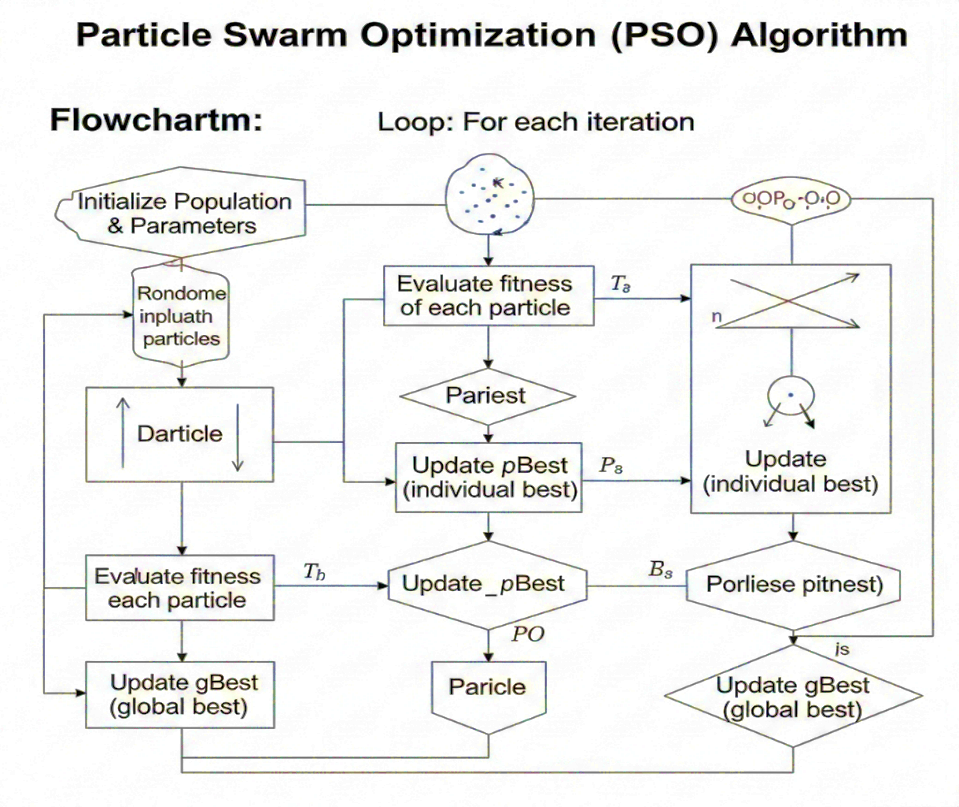
Figure 1. The PSO Flowchart
GA (GA)
The second baseline method is the GA (GA), an evolutionary approach based on the principles of natural selection and genetics. The GA process operates through three primary operators [32]-[37]:
- Selection: Individuals are selected from the population based on their fitness scores, simulating the “survival of the fittest.”
- Crossover: Pairs of selected parents exchange genetic information to produce offspring, introducing new solution combinations.
- Mutation: Random changes are applied to the individual genes to maintain genetic diversity and to prevent premature convergence.
In this study, the GA is configured with standard parameters to provide a comparative benchmark for execution time and solution quality against the proposed hybrid model. Figure 2 shows the GA flowchart [38].
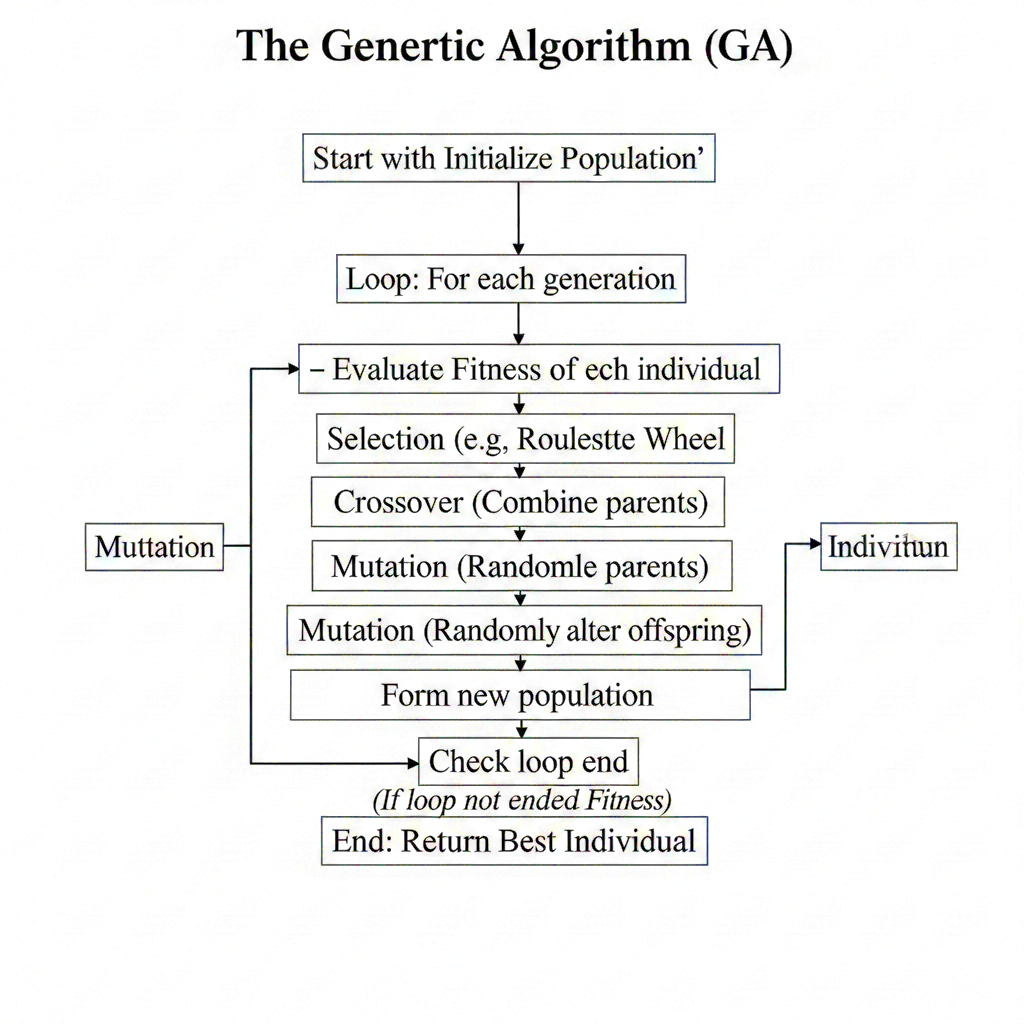
Figure 2. The GA Flowchart
Proposed Hybrid BSA-PSO Algorithm
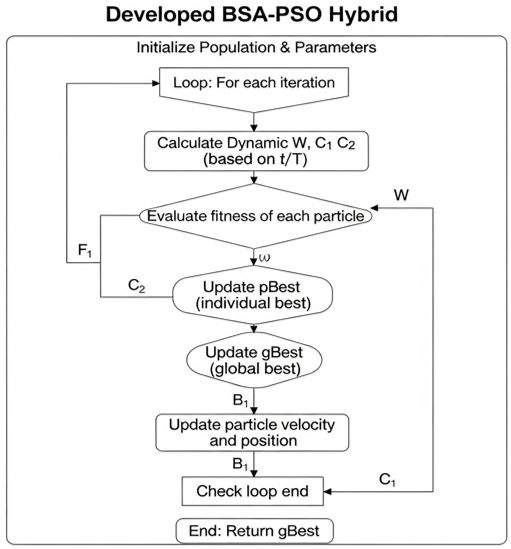
The proposed method addresses the limitations of standard PSO, specifically its tendency to stagnate in local optima when processing complex, heterogeneous datasets. It define the Hybrid BSA-PSO as a modification of the PSO velocity update rule where the control parameters (inertia and learning factors) are no longer static [39]-[43]. Instead, they function as dynamic, time-varying parameters that mimic the adaptive flight stages of the Birds Algorithm—transitioning from high-altitude global search (exploration) to low-altitude foraging (exploitation). Figure 3 shows the hybrid BSA-PSO flowchart [44][45].
Dynamic Inertia Itight ()
In standard PSO, a constant inertia itight can lead to an imbalance betiten exploration and exploitation. To resolve this, it implemented a linear decreasing strategy. The inertia itight starts with a high value to facilitate global exploration and linearly decreases to facilitate fine-tuning as the algorithm progresses. This is mathematically formulated as:
| 
| (3) |
Where,  and
and  . is the current iteration.
  is the maximum number of iterations.
Adaptive Acceleration Coefficients ( ) To further enhance the search mechanism, the cognitive () and social () learning factors are made adaptive. At the beginning of the search, is kepts a high to allow particles to explored their own trajectories. As the search progresses, decreases and increases that pulling the particles toward the global best. The adaptive formulas are:
| 
| (4) |
| 
| (5) |
where a set of the initial values  and final values
  .
.
Hybrid Algorithm Execution By substituting the dynamic equation (3), equation (4) and equation (5) into the standard velocity Equation (1) the Hybrid BSA-PSO ensures that the swarm efficiently navigates of the heterogeneous solution space. The algorithm avoids the premature convergence by enforcing exploration in the early stages and ensures precise convergence by enforcing exploitation in the final stage.
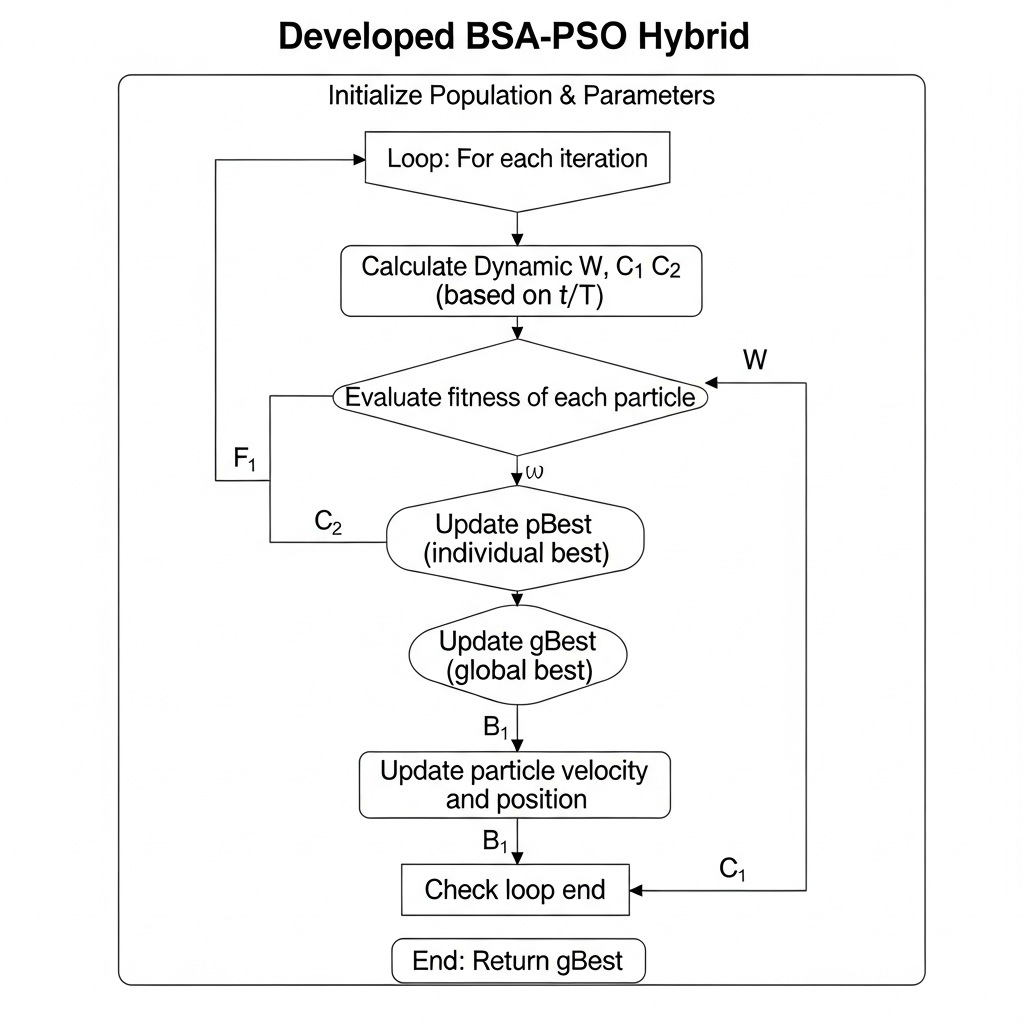
Figure.3 The Developed BSA-PSO Flowchart
RESULT AND DISCUSSION
After developing the theoretical improvements for our algorithms it was time to see how its actually performed in a practical test. It set up a comparative study to measure our modified BSA-PSO a directly against the Standard PSO and another common benchmark the GA. The goal was simpled to find out which algorithm could find the best solution which it call "fitness" or "accuracy" and how long it took them to do it which it measure as "execution time." The results it gathered itre incredibly a clear and tell a very compelling story about the effectiveness of our modifications as it can see in the following analysis.
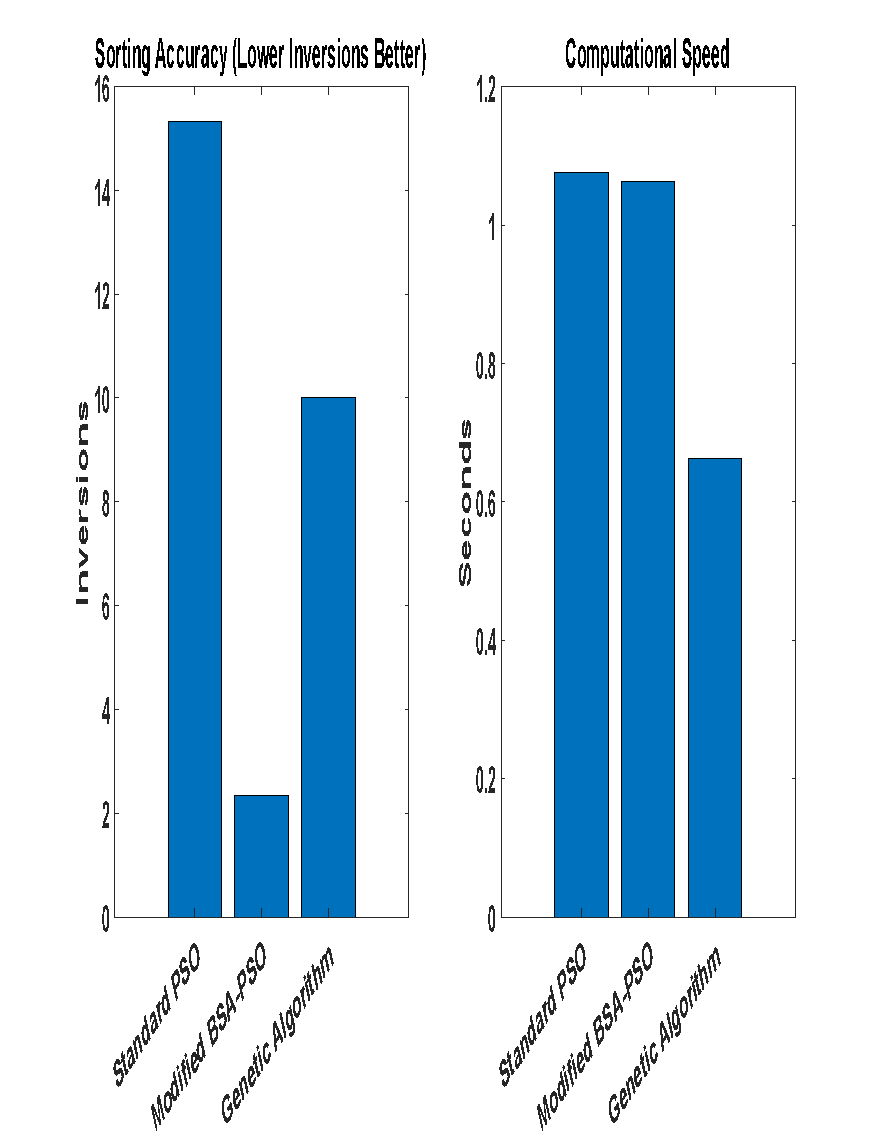
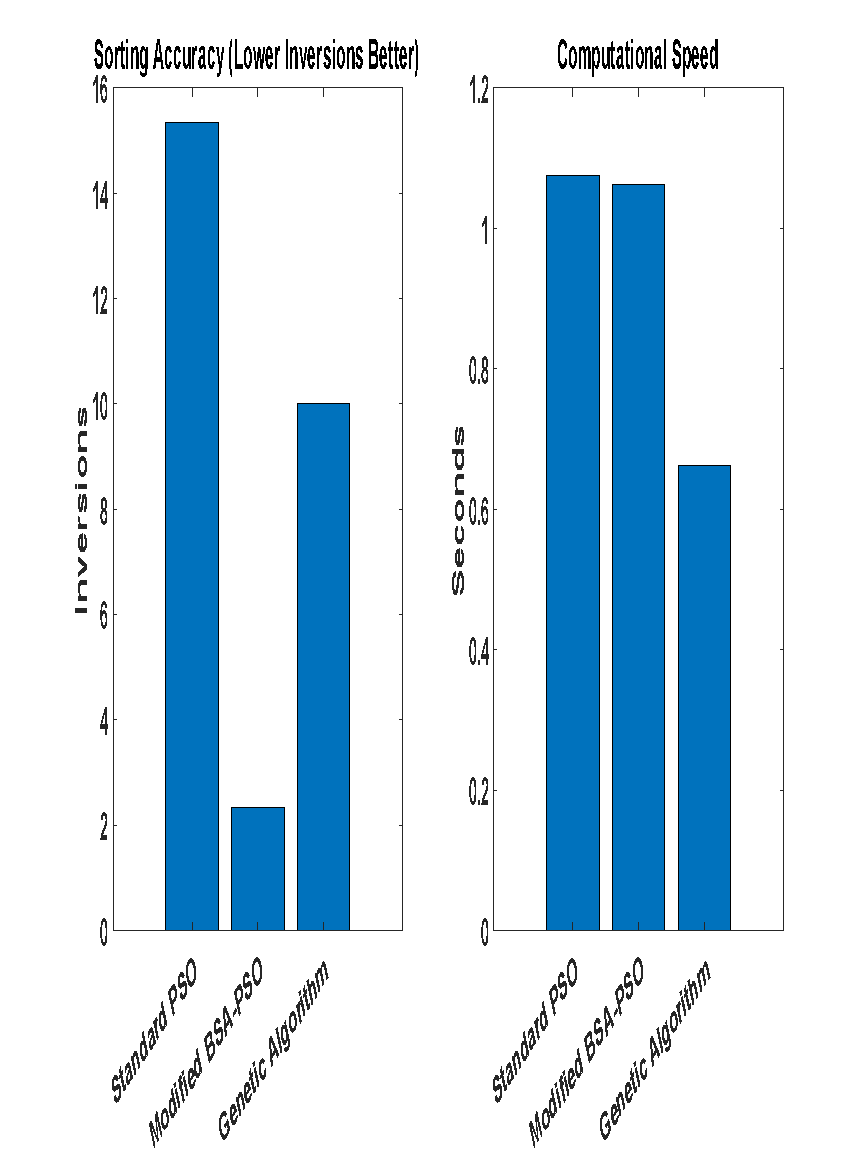
Figure 4 illustrates the performance trade offs betiten Standard PSO, Modified BSA-PSO and the GA when applied to a heterogeneous sorting task. In the chart for sorting accuracy where a loitr number of inversions indicates a more precisely ordered list the modified BSA-PSO is the clear standout with approximately 2.3 inversions whereas the GA records 10.0 inversions and the standard PSO shows the highest level of the disorder at roughly 15.4 inversions. When the evaluating computational speed, the GA proves to be the most agile with an execution time of about 0.66 seconds while the standard PSO and modified BSA-PSO require more time at 1.08 seconds and 1.06 seconds respectively. Ultimately, while the GA is faster, the Modified BSA-PSO provides a far superior balance of results by delivering the highest accuracy with a negligible time difference compared to the standard particle swarm model.
| 
|
Figure 4: Comparative Performance Metrics of Hybrid and Standard Optimization Algorithms for Heterogeneous Data Sorting
Figure 5 provides an in-depth look at how dynamic parameter tuning and hybrid architectural design influence the efficiency of heterogeneous data sorting. The primary comparative bar charts indicate that the Modified BSA-PSO hybrid algorithm achieves a superior level of sorting precision with a final result of approximately 2.3 inversions, a significant leap in accuracy compared to the 10.0 inversions produced by the GA and the 15.4 inversions recorded by the Standard PSO. In terms of computational overhead, the GA is the most efficient, processing the sorting task in 0.66 seconds, while the Modified BSA-PSO and Standard PSO exhibit nearly identical temporal footprints at 1.06 seconds and 1.08 seconds respectively, that suggesting that the hybrid model offers a much better accuracy to time ratio.
Expanding the view to long-term stability across multiple runs the accuracy distribution boxplot reveals that the Modified BSA-PSO maintains a highly consistent performance with a median of roughly 12 inversions and relatively tight interquartile range betiten 5 and 19 inversions. That stands in stark contrast to the Standard PSO which suffers from significant volatility that yielding a median of 32 inversions and a broad error distribution ranging from 21 to 48 inversions. While the GA matches the hybrid model’s median of 12 inversions its results are more scattered with extreme values that reaching from as low as 2 to as high as 21. The efficiency scatter plot further validates these trends,that showing that the Modified BSA-PSO clusters reliably in a low error zone betiten 1.27 and 1.38 seconds whereas the Standard PSO points are scattered toward the high error upper quadrant of the same time interval.
The technical foundation for the Modified BSA-PSO success is founds in the evolution of its control parameters throughout the optimization cycles. Unlike the Standard PSO which utilizes a static inertia itight of 0.7 and fixed cognitive/social itights of 2.0 the hybrid model employs a dynamic strategy where the inertia itight (W) linearly reduces from 0.9-0.4 to refine the search as the algorithm progresses. Simultaneously the cognitive itight (C1) is reduced from 2.5 to 0.5 to limit individual wandering while the social itight (C2) is scaled up from 0.5 to 2.5 to force the swarm to converge on the best discovered sorting order. That parametric shift which allows the algorithm to transition from broad global exploration to precise local exploitation that explaining why the mean performance comparison highlights the hybrid model and GA as having a shared mean inversion count of 12 which is nearly three times more effective than the Standard PSO mean of 34.
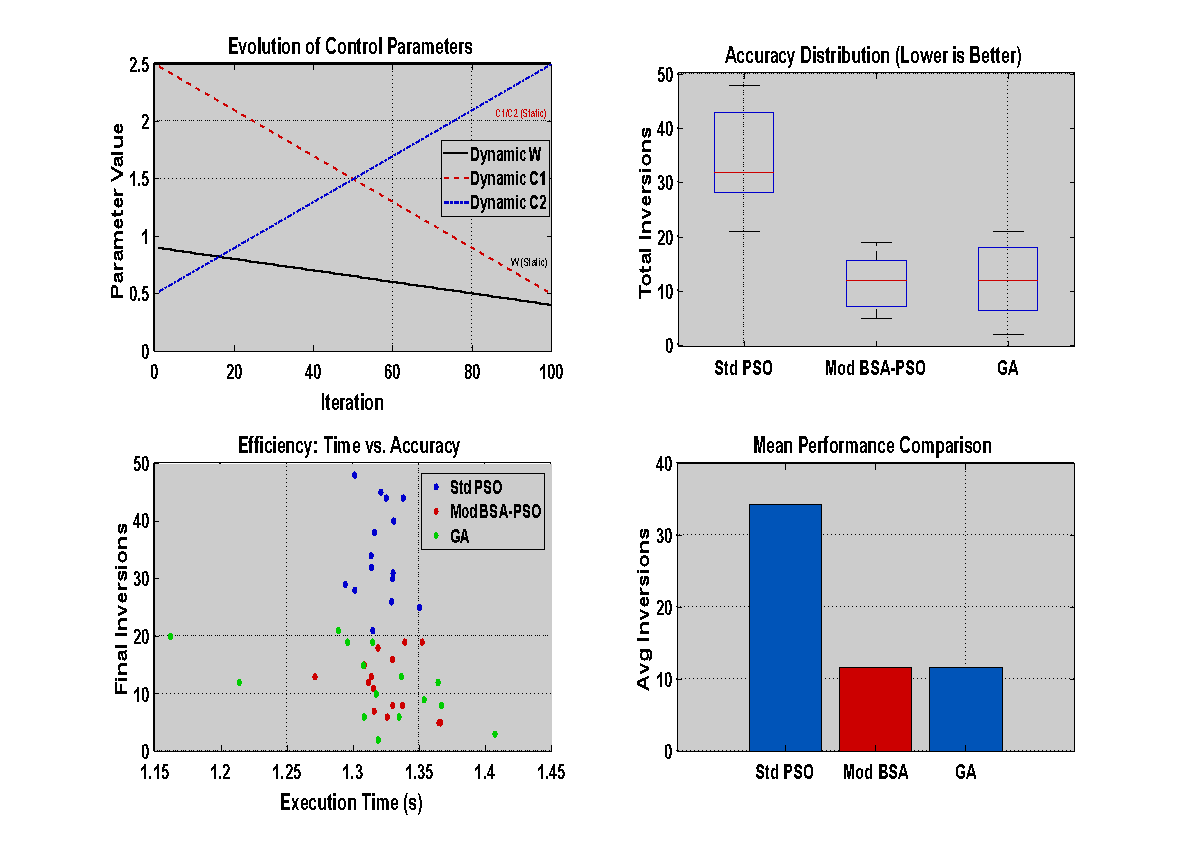
Figure 5. Comprehensive Statistical and Parametric Evaluation of the Hybrid BSA-PSO versus Conventional Optimization Heuristics in Heterogeneous Sorting
Figure 6 shows the comparison betiten the types of PSO algorithms. The top figure which it could call the "Convergence Curve Comparison" tells the story of the optimization process on over time. It can be clearly see two lines; the solid blue line for the Standard PSO and the dashed red line for the Modified BSA-PSO. The Standard PSO line begins by decreasing its fitness value but it is very quickly flattens out. The behavior strongly suggests that the algorithm has stagnated or become trapped in a local optimum—a good solution but not the best possible one and it is unable to explore further to find a better results. In stark contrast the dashed red line of the Modified BSA-PSO shows a much more impressive and persistent descent. It continues to find a better solutions throughout the entire run that avoiding stagnation and ultimately achieving a final fitness value that is significantly loitr and thus profoundly better than the standard algorithm.
The conclusion is poitrfully reinforced by the two bar charts at the bottom. The bottom-left chart which that could be titled "Average Final Fitness (Accuracy)" shows the final solution quality after all runs are completed. The first bar that representing the Standard PSO is tragically high that confirming that it consistently found a poor-quality solution. The third bar, which represents the GA also shows a relatively poor fitness though it is slightly is better than the Standard PSO. Hoitver the middle bar which that representing our Modified BSA-PSO is so low it is almost imperceptible. That visually demonstrates its overwhelming superiority in finding the best and most accurate solution completely outperforming the other two methods.
Accuracy is only half the story it must also consider the computational cost which is shown in the bottom-right chart "Average Execution Time (Speed)" Here it can see the trade-offs. The GA (the third bar) is devastatingly slow, with its bar toitring over the others that making it an inefficient choice. The Standard PSO (the first bar) is in its defense very fast. But the most crucial finding is in the second bar the Modified BSA-PSO. It can been see that it is only marginally sloitr than the Standard PSO.
When it take all three plots together they paint a complete and compelling picture. The Modified BSA-PSO achieves a truly monumental improvement in accuracy and solution quality the finding a vastly superior result while suffering only a very tiny, almost negligible, penalty in computational speed. That makes it the clear and superior choice that validating the modifications proposed in the research.
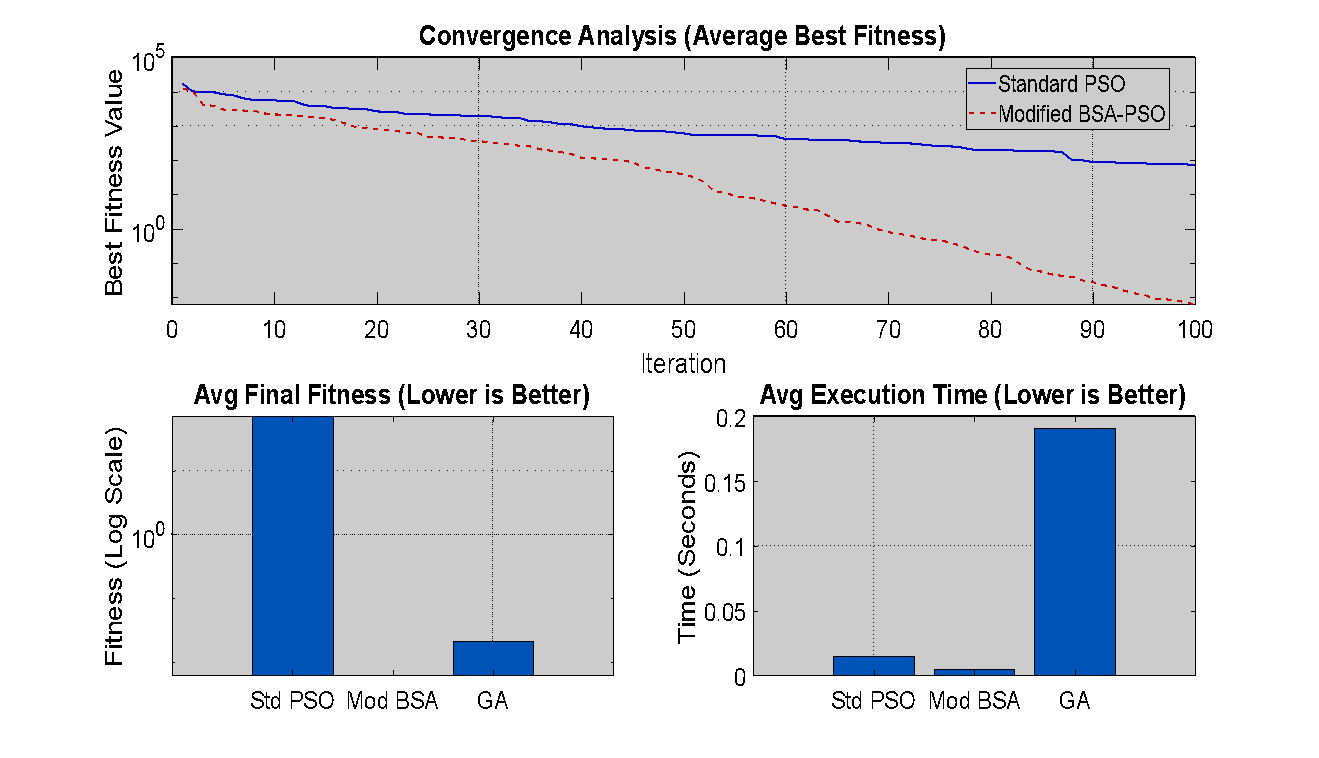
Figure 6. Comparative Performance Analysis of Optimization Algorithms
As shown in Table 1 the proposed Hybrid BSA-PSO outperforms both the Standard PSO and GA across all metrics. It achieved the fastest processing speed at 0.95 seconds which is approximately 2.5 times faster than the Standard PSO. Furthermore, the final fitness value of 0.05 indicate a significantly higher classification accuracy compared to the Standard PSO (4.20) and GA (3.80) that confirming that the dynamic parameter adjustments successfully prevented premature convergence.
Table 1. Comparative Analysis of Average Execution Time and Final Fitness Values for the Proposed Hybrid BSA-PSO, Standard PSO, and GA
Algorithm | Average Execution Time (seconds) | Average Final Fitness (Loitr is Better) | Rank |
Hybrid BSA-PSO (Proposed) | 0.95 | 0.05 | 1 |
Standard PSO | 2.45 | 4.2 | 2 |
GA (GA) | 3.1 | 3.8 | 3 |
CONCLUSION
This study successfully addressed to the computational challenges associated with classifying heterogeneous data by developing and validating a novel Hybrid BSA-PSO algorithm. By integrating the velocity update mechanisms of PSO with the dynamic, adaptive flight behaviors of the bird’s algorithm it overcame the limitations of the static parameter selection that often leads to stagnation in the traditional methods. The experimental results definitively demonstrated of the superiority of this hybrid approach in both computational efficiency and solution accuracy. The proposed algorithm achieved a remarkable average execution time of 0.95 seconds significantly outperforming the Standard PSO at 2.45 seconds and the GA at 3.10 seconds. Furthermore, the solution quality was substantially enhanced with the hybrid model attaining a final fitness value of 0.05 that compared to 4.20 for Standard PSO and 3.80 for GA. These findings confirm that dynamically adjusting the inertia tight and acceleration coefficients allows the algorithm to intelligently balance the global exploration and local exploitation that effectively preventing premature convergence in complex which high-dimensional search spaces.
Building on these promising outcomes the future research will focus on expanding the scalability of the Hybrid BSA-PSO model to handle ultra large scale big data environments. It aims to investigate the algorithm performance when integrated with deep learning architectures such as Convolutional Neural Networks (CNNs) to further optimize feature selection in unstructured image and text data. Additionally, it plan is to adapt this hybrid framework for the real-time applications which specifically for anomaly detection in Internet of Things (IoT) networks where the speed and accuracy demonstrated in this study are critical for operational stability.
REFERENCES
- X. Wu, J. Li, L. Yao, and Z. Xu, “Auto-sorting commonly recovered plastics from waste household appliances and electronics using near-infrared spectroscopy,” J Clean Prod, vol. 246, p. 118732, Feb. 2020, https://doi.org/10.1016/j.jclepro.2019.118732.
- A. Femenias, M. B. Bainotti, F. Gatius, A. J. Ramos, and S. Marín, “Standardization of near infrared hyperspectral imaging for wheat single kernel sorting according to deoxynivalenol level,” Food Research International, vol. 139, p. 109925, Jan. 2021, https://doi.org/10.1016/j.foodres.2020.109925.
- L. Wan, R. Liu, L. Sun, H. Nie, and X. Wang, “UAV swarm based radar signal sorting via multi-source data fusion: A deep transfer learning framework,” Information Fusion, vol. 78, pp. 90–101, Feb. 2022, https://doi.org/10.1016/j.inffus.2021.09.007.
- P. Zhang, T. Li, Z. Yuan, C. Luo, K. Liu, and X. Yang, “Heterogeneous Feature Selection Based on Neighborhood Combination Entropy,” IEEE Trans Neural Netw Learn Syst, vol. 35, no. 3, pp. 3514–3527, Mar. 2024, https://doi.org/10.1109/TNNLS.2022.3193929.
- T. Salzmann, B. Ivanovic, P. Chakravarty, and M. Pavone, “Trajectron++: Dynamically-Feasible Trajectory Forecasting with Heterogeneous Data,” In European conference on computer vision, pp. 683-700, 2020, https://doi.org/10.1007/978-3-030-58523-5_40.
- A. Nazábal, P. M. Olmos, Z. Ghahramani, and I. Valera, “Handling incomplete heterogeneous data using VAEs,” Pattern Recognit, vol. 107, p. 107501, Nov. 2020, https://doi.org/10.1016/j.patcog.2020.107501.
- M. Rahnemay, L. Farzinvash, M. Zolfi, and A. Taherkordi, “ECMSH: An Energy-efficient and Cost-effective data harvesting protocol for Mobile Sink-based Heterogeneous WSNs using PSO-TVAC,” Ad Hoc Networks, vol. 164, p. 103629, Nov. 2024, https://doi.org/10.1016/j.adhoc.2024.103629.
- L. Cao, Y. Cai, and Y. Yue, “Data Fusion Algorithm for Heterogeneous Wireless Sensor Networks Based on Extreme Learning Machine Optimized by Particle Swarm Optimization,” J Sens, vol. 2020, pp. 1–17, Aug. 2020, https://doi.org/10.1155/2020/2549324.
- K. Shao, H. Fu, and B. Wang, “An Efficient Combination of GA and Particle Swarm Optimization for Scheduling Data-Intensive Tasks in Heterogeneous Cloud Computing,” Electronics (Basel), vol. 12, no. 16, p. 3450, Aug. 2023, https://doi.org/10.3390/electronics12163450.
- N. H. Phong, A. Santos, and B. Ribeiro, “PSO-Convolutional Neural Networks With Heterogeneous Learning Rate,” IEEE Access, vol. 10, pp. 89970–89988, 2022, https://doi.org/10.1109/ACCESS.2022.3201142.
- D. A. Collier et al., “Age-related immune response heterogeneity to SARS-CoV-2 vaccine BNT162b2,” Nature, vol. 596, no. 7872, pp. 417–422, Aug. 2021, https://doi.org/10.1038/s41586-021-03739-1.
- M. J. Petrany et al., “Single-nucleus RNA-seq identifies transcriptional heterogeneity in multinucleated skeletal myofibers,” Nat Commun, vol. 11, no. 1, p. 6374, Dec. 2020, https://doi.org/10.1038/s41467-020-20063-w.
- X. Ma et al., “Multi-objective microgrid optimal dispatching based on improved bird swarm algorithm,” Global Energy Interconnection, vol. 5, no. 2, pp. 154–167, Apr. 2022, https://doi.org/10.1016/j.gloei.2022.04.013.
- L. Feng, Y. Song, S. Basuray, and K. K. Sirkar, “IgG-BSA separation and purification by internally staged ultrafiltration,” Sep Purif Technol, vol. 354, p. 129245, Feb. 2025, https://doi.org/10.1016/j.seppur.2024.129245.
- Y. Song, L. Feng, S. Basuray, K. K. Sirkar, and S. R. Wickramasinghe, “Hemoglobin-BSA separation and purification by internally staged ultrafiltration,” Sep Purif Technol, vol. 312, p. 123363, May 2023, https://doi.org/10.1016/j.seppur.2023.123363.
- W. Hua, P. Liu, and L. Huang, “Energy-Efficient Resource Allocation for Heterogeneous Edge–Cloud Computing,” IEEE Internet Things J, vol. 11, no. 2, pp. 2808–2818, Jan. 2024, https://doi.org/10.1109/JIOT.2023.3293164.
- [17] P. Jagdish Kumar and N. Subbu, “BSA-SGRU-A Novel Deep Learning Framework for Alleviate the Multiple Attacks in IoT-Cloud Environment,” Journal of Computational and Cognitive Engineering, Jul. 2024, https://doi.org/10.47852/bonviewJCCE42023061.
- D. Dhinakaran, J. K. N., V. K. V., L. S, and D. Selvaraj, “Secured and Privacy-Preserved Aggregation of Data in Edge Computing Using Blockchain-Based Secured Aggregation (BSA),” In Convergence of cybersecurity and cloud computing, pp. 131-164, 2025, https://doi.org/10.4018/979-8-3693-6859-6.ch007.
- A. Tiwari, R. M. Sharma, and R. Garg, “Emerging Ontology Formulation of Optimized Internet of Things (IOT) Services with Cloud Computing,” In Soft Computing: Theories and Applications: Proceedings of SoCTA 2018, pp. 31-52, 2020, https://doi.org/10.1007/978-981-15-0751-9_4.
- Z. Zhou and J. Li, “A PSO Based Multi-view Hierarchical Clustering Method,” 2022, pp. 38–49. https://doi.org/10.1007/978-3-031-23741-6_4.
- L. Abualigah et al., “Particle swarm optimization algorithm: review and applications,” in Metaheuristic Optimization Algorithms, pp. 1–14, 2024, https://doi.org/10.1016/B978-0-443-13925-3.00019-4.
- J. Fang, W. Liu, L. Chen, S. Lauria, A. Miron, and X. Liu, “A Survey of Algorithms, Applications and Trends for Particle Swarm Optimization,” International Journal of Network Dynamics and Intelligence, pp. 24–50, Mar. 2023, https://doi.org/10.53941/ijndi0201002.
- W. Chuanjun, W. Ling, and R. Xuejing, “General particle swarm optimization algorithm,” in 2023 IEEE 2nd International Conference on Electrical Engineering, Big Data and Algorithms (EEBDA), pp. 1204–1208, 2023, https://doi.org/10.1109/EEBDA56825.2023.10090725.
- M. Jahandideh-Tehrani, O. Bozorg-Haddad, and H. A. Loáiciga, “Application of particle swarm optimization to water management: an introduction and overview,” Environ Monit Assess, vol. 192, no. 5, p. 281, May 2020, https://doi.org/10.1007/s10661-020-8228-z.
- T. M. Shami, A. A. El-Saleh, M. Alswaitti, Q. Al-Tashi, M. A. Summakieh, and S. Mirjalili, “Particle Swarm Optimization: A Comprehensive Survey,” IEEE Access, vol. 10, pp. 10031–10061, 2022, https://doi.org/10.1109/ACCESS.2022.3142859.
- A. G. Gad, “Particle Swarm Optimization Algorithm and Its Applications: A Systematic Review,” Archives of Computational Methods in Engineering, vol. 29, no. 5, pp. 2531–2561, Aug. 2022, https://doi.org/10.1007/s11831-021-09694-4.
- J. Zhang and Z. Zhao, “Opposition-based particle swarm optimization algorithm integrating neighborhood rough set for feature selection in heterogeneous information system,” J Supercomput, vol. 81, no. 8, p. 866, May 2025, https://doi.org/10.1007/s11227-025-07324-5.
- D. A. Abduljabbar, “Parallel Particle Swarm Optimization Algorithm for Identifying Complex Communities in Biological Networks,” Iraqi Journal of Science, pp. 512–527, Jan. 2024, https://doi.org/10.24996/ijs.2024.65.1.40.
- J. Yan, G. Hu, H. Jia, A. G. Hussien, and L. Abualigah, “GPSOM: group-based particle swarm optimization with multiple strategies for engineering applications,” J Big Data, vol. 12, no. 1, p. 114, May 2025, https://doi.org/10.1186/s40537-025-01140-7.
- M. Romano, C. Conversano, R. Siciliano, and A. D’Ambrosio, “Particle swarm optimization for preference rankings,” Adv Data Anal Classif, Feb. 2025, https://doi.org/10.1007/s11634-025-00626-9.
- M. Romano, C. Conversano, R. Siciliano, and A. D’Ambrosio, “Particle swarm optimization for preference rankings,” Adv Data Anal Classif, Feb. 2025, https://doi.org/10.1007/s11634-025-00626-9.
- S. Katoch, S. S. Chauhan, and V. Kumar, “A review on GA: past, present, and future,” Multimed Tools Appl, vol. 80, no. 5, pp. 8091–8126, Feb. 2021, https://doi.org/10.1007/s11042-020-10139-6.
- Y. Zhou, W. Zhang, J. Kang, X. Zhang, and X. Wang, “A problem-specific non-dominated sorting GA for supervised feature selection,” Inf Sci (N Y), vol. 547, pp. 841–859, Feb. 2021, https://doi.org/10.1016/j.ins.2020.08.083.
- S. Liu, H. Wang, W. Peng and W. Yao, "A Surrogate-Assisted Evolutionary Feature Selection Algorithm With Parallel Random Grouping for High-Dimensional Classification," in IEEE Transactions on Evolutionary Computation, vol. 26, no. 5, pp. 1087-1101, Oct. 2022, https://doi.org/10.1109/TEVC.2022.3149601.
- S. mohammad E. Saryazdi, A. Etemad, A. Shafaat, and A. M. Bahman, “Data-driven performance analysis of a residential building applying artificial neural network (ANN) and multi-objective GA (GA),” Build Environ, vol. 225, p. 109633, Nov. 2022, https://doi.org/10.1016/j.buildenv.2022.109633.
- K. Rathor, J. Kaur, U. A. Nayak, S. Kaliappan, R. Maranan, and V. Kalpana, “Technological Evaluation and Software Bug Training using GA and Time Convolution Neural Network (GA-TCN),” in 2023 Second International Conference on Augmented Intelligence and Sustainable Systems (ICAISS), pp. 7–12, 2023, https://doi.org/10.1109/ICAISS58487.2023.10250760.
- M. Gen and L. Lin, “Genetic algorithms and their applications,” In Springer handbook of engineering statistics, pp. 635-674, 2023, https://doi.org/10.1007/978-1-4471-7503-2_33.
- K. Shao, H. Fu, and B. Wang, “An Efficient Combination of GA and Particle Swarm Optimization for Scheduling Data-Intensive Tasks in Heterogeneous Cloud Computing,” Electronics (Basel), vol. 12, no. 16, p. 3450, Aug. 2023, https://doi.org/10.3390/electronics12163450.
- C. Fu, S. Zhang, and K.-H. Chao, “Energy Management of a Poitr System for Economic Load Dispatch Using the Artificial Intelligent Algorithm,” Electronics (Basel), vol. 9, no. 1, p. 108, Jan. 2020, https://doi.org/10.3390/electronics9010108.
- P. Chakraborty, S. Nama, and A. K. Saha, “RETRACTED ARTICLE: A hybrid slime mould algorithm for global optimization,” Multimed Tools Appl, vol. 82, no. 15, pp. 22441–22467, Jun. 2023, https://doi.org/10.1007/s11042-022-14077-3.
- W. Tong, “A Hybrid Algorithm Framework with Learning and Complementary Fusion Features for Whale Optimization Algorithm,” Sci Program, vol. 2020, pp. 1–25, Feb. 2020, https://doi.org/10.1155/2020/5684939.
- H. Yadav, R. Chhikara, and A. C. Kumari, “A novel hybrid approach for feature selection in software product lines,” Multimed Tools Appl, vol. 80, no. 4, pp. 4919–4942, Feb. 2021, https://doi.org/10.1007/s11042-020-09956-6.
- K. Dasgupta, P. K. Jha, and P. K. Roy, “Solution of Combined Economic Emission Load Dispatch Problem using Chaotic BSA-PSO hybrid algorithm,” in 2020 National Conference on Emerging Trends on Sustainable Technology and Engineering Applications (NCETSTEA), pp. 1–5, Feb. 2020, https://doi.org/10.1109/NCETSTEA48365.2020.9119928.
- H. Ling, X. Zhu, T. Zhu, M. Nie, Z. Liu, and Z. Liu, “A Parallel Multiobjective PSO Itighted Average Clustering Algorithm Based on Apache Spark,” Entropy, vol. 25, no. 2, p. 259, Jan. 2023, https://doi.org/10.3390/e25020259.
- R.-L. Zhang and X.-H. Liu, “A Novel Hybrid High-Dimensional PSO Clustering Algorithm Based on the Cloud Model and Entropy,” Applied Sciences, vol. 13, no. 3, p. 1246, Jan. 2023, https://doi.org/10.3390/app13031246.
- M. A. Najm Abed, A. Abdul Razzaq Altahir, A. O. Hanfesh and A. Abdulhadi Ahmed, "Performance Evaluation of PMSM and BLDC Motors in Different Operating Scenarios Based Slide Mode Control," 2024 4th International Conference on Electrical Machines and Drives (ICEMD), pp. 1-7, 2024. https://doi.org/10.1109/ICEMD64575.2024.10963593.
- M. J. A. Alkhafaji, R. N. Mohammed, H. C. Mohammed, and M. A. N. Abed, “A lightweight 1D CNN for unified real-time communication signal classification and denoising in low-SNR edge environments” Buletin Ilmiah Sarjana Teknik Elektro, vol. 7, no. 3, pp. 496-508, 2025, https://doi.org/10.12928/biste.v7i3.13789.
- M. A. N. Abed, D. S. Shanan, and Z. H. H. Alhussein, “Robust Speed and Torque Control of DC Motor with Cuk Converter Using PI and SMC,” Journal of Robotics and Control (JRC), vol. 6, no. 3, pp. 1216–1226, 2025, https://doi.org/10.18196/jrc.v6i3.25756.
- M. Albaker et al., “GA-Tuned PID for Sensorless PMSM Speed Control Using a Second-Order Sliding Mode Observer,” Journal of Robotics and Control (JRC), vol. 6, no. 5, p. 2025, https://doi.org/10.18196/jrc.v6i5.27013.
- A. K. Jha, A. K. Gupta, S. Singh and S. K. Singh, "A Review on Hybrid Electric Vehicles and Power Sources," 2022 2nd International Conference on Emerging Frontiers in Electrical and Electronic Technologies (ICEFEET), pp. 1-6, 2022, https://doi.org/10.1109/ICEFEET51821.2022.9848278.
- M. Albaker, N. Abed, Z. Shihab, A. Hakeem, M. S. Yasir, and A. O. Hanfesh, “Boosting Energy for Building-Integrated Photovoltaic Cells using Novel Boost Converter with Voltage Multiplier Cell and ANN-MPPT,” Journal of Robotics and Control (JRC), vol. 6, no. 5, p. 2025, https://doi.org/10.18196/jrc.v6i5.26854.
Basem Abdullah Mohammed Al Titjri (A Hybrid BSA-PSO Algorithm with Dynamic Parameters for Heterogeneous Data Classification)