ISSN: 2685-9572 Buletin Ilmiah Sarjana Teknik Elektro
Vol. 7, No. 4, December 2025, pp. 891-906
A Review of EEG Applications in Neuromarketing: Methods, Insights, and Future Directions
Yuri Pamungkas 1, Yamin Thwe 2, Abdul Karim 3, Uda Hashim 4
1 Department of Medical Technology, Institut Teknologi Sepuluh Nopember, Indonesia
2 Department of Big Data Management and Analytics, Rajamangala University of Technology Thanyaburi, Thailand
3 Department of Artificial Intelligence Convergence, Hallym University, Republic of Korea
4 Department of Electrical Electronic Engineering, Universiti Malaysia Sabah, Malaysia
ARTICLE INFORMATION |
| ABSTRACT |
Article History: Received 30 July 2025 Revised 19 September 2025 Accepted 26 November 2025 |
| 
EEG is increasingly applied in neuromarketing as it provides direct insights into consumer cognition and emotion beyond traditional self-report measures. However, challenges such as small samples, low ecological validity, and methodological limitations hinder its broader real-world application. The research contribution is a comprehensive synthesis of 40 empirical studies that examine EEG applications in neuromarketing, highlighting methodological approaches, analytical techniques, key insights, and persistent gaps that define the current state of the field. This review applied a structured comparative method by extracting and analyzing details from published EEG-based neuromarketing studies, including sample characteristics, device specifications, stimuli types, analytical techniques, and outcomes. The data were organized into a review table and further examined for patterns, strengths, limitations, and emerging opportunities. The results reveal that EEG can reliably classify consumer preferences when paired with deep learning models, while EEG indices such as neural synchrony and frontal alpha asymmetry predict advertising effectiveness and purchase intention. Emotional and attentional processes were consistently reflected in ERP components, and multimodal integration with physiological and behavioral data improved predictive validity. Nonetheless, most studies relied on small, homogeneous samples and static laboratory stimuli, limiting generalizability. In conclusion, EEG holds strong potential for advancing neuromarketing research and practice, yet future work must address scalability, cross-cultural validation, and ecological realism to fully harness its promise. |
Keywords: Electroencephalography (EEG); Neuromarketing; Consumer Behavior; Machine Learning; Multimodal Analysis |
Corresponding Author: Yuri Pamungkas, Department of Medical Technology, Institut Teknologi Sepuluh Nopember, Indonesia. Email: yuri@its.ac.id |
This work is open access under a Creative Commons Attribution-Share Alike 4.0 
|
Document Citation: Y. Pamungkas, Y. Thwe, A. Karim and U. Hashim, “A Review of EEG Applications in Neuromarketing: Methods, Insights, and Future Directions,” Buletin Ilmiah Sarjana Teknik Elektro, vol. 7, no. 4, pp. 891-906, 2025, DOI: 10.12928/biste.v7i4.14375. |
INTRODUCTION
Neuromarketing is a cross-disciplinary domain that combines neuroscience, psychology, and marketing to deliver a more profound insight into consumer decision-making mechanisms [1]. Conventional marketing tools, including methods like surveys and focus group discussions, are often limited because they depend on self-reported information that can be biased and inadequate in reflecting the subconscious determinants of consumer choices [2]. This limitation represents a central research problem, namely the difficulty of obtaining objective measures of consumer attention, emotion, and motivation in real time [3]. Electroencephalography (EEG) has been proposed as an effective solution because it provides high temporal resolution and allows researchers to detect neural signals that underlie implicit cognitive and affective responses during consumer experiences [4]. During the last decade EEG has been widely adopted in neuromarketing research and has generated substantial evidence linking brain activity to advertising effectiveness, product preference, willingness to pay, and consumer engagement [5]. Current advancements indicate that research has progressed from simple spectral or event-related potential analyses toward more advanced methods including machine learning, deep learning, and the integration of multiple modalities with biosignals including eye-tracking and galvanic skin response [6]. These developments highlight the capability of EEG as a reliable instrument for advancing marketing research both in controlled experiments and in more naturalistic settings [7].
Despite these achievements, several challenges remain unresolved. Methodological inconsistencies such as heterogeneous protocols, different channel configurations, and diverse analytical frameworks limit the comparability of results across studies [8]. Many investigations also rely on small and homogeneous samples, which constrains the generalizability of findings to wider consumer populations [9]. In addition, most studies are still conducted in laboratory environments rather than in real-world conditions [10]. Ethical issues concerning consumer privacy and the responsible use of neural data are also not sufficiently addressed within the existing literature. These shortcomings highlight the need for a systematic review that maps current progress, identifies methodological limitations, and clarifies future research directions. The novelty of this review lies in its comprehensive synthesis of EEG applications in neuromarketing across methodological approaches, research contexts, and analytical strategies, while also highlighting ethical aspects that are often overlooked. In contrast to earlier reviews that mainly emphasized technical applications, this paper adopts an integrative perspective that connects methodological insights with practical marketing challenges. The contribution of the research is to provide a structured framework that captures the current landscape of EEG-based neuromarketing, identifies critical research gaps, and outlines directions for future work, thereby supporting the development of more standardized, reliable, and ethically grounded neuromarketing practices.
METHODOLOGY
Search Strategy
The literature retrieval process for this review was carried out through the Scopus database, which is acknowledged as among the most extensive and trustworthy collections of peer-reviewed scientific works. Scopus was selected because it offers comprehensive coverage of journals across multiple disciplines, including neuroscience, psychology, engineering, and marketing, which are directly relevant to the scope of neuromarketing research. The use of a single primary database ensured consistency in the retrieval of studies while maintaining a high level of academic rigor. In order to capture a broad yet focused collection of studies, a set of carefully constructed keywords was employed. The core search terms combined the methodological dimension of the research with its application domain. For the methodological aspect, the keyword “EEG” and its variations such as “electroencephalography” were included. For the application aspect, the keywords “neuromarketing,” “consumer neuroscience,” “advertising,” “product preference,” and “consumer behavior” were used. These terms were combined with Boolean operators to optimize the search process, ensuring that studies addressing both EEG technology and consumer-related contexts were retrieved. The keywords were refined through an iterative process to maximize relevance and minimize the inclusion of unrelated studies. Initial searches using only “EEG” and “neuromarketing” provided a foundation, and subsequent combinations with additional terms such as “willingness to pay,” “engagement,” and “attention” allowed for a more targeted retrieval of literature. This process ensured that the final pool of studies adequately represented the diverse applications of EEG within neuromarketing research while excluding studies that addressed EEG in purely clinical or non-marketing domains.
Screening
The initial stage of the screening process involved examining the titles and abstracts of all retrieved articles in order to determine their alignment with the objectives of this review. At this step, studies that clearly fell outside the scope of EEG-based neuromarketing were excluded, while those showing potential relevance were retained for further consideration. This preliminary filtering ensured that only articles with a direct connection to the research focus were carried forward. Following this initial assessment, the full-text versions of the selected articles were obtained and subjected to a more detailed evaluation. Each study was carefully reviewed to confirm its methodological quality, the clarity of its research design, and the extent to which it addressed the intersection of EEG and neuromarketing. Only those articles that satisfied the established eligibility criteria were included in the final dataset. Through this multi-stage screening procedure, the review sought to maintain both relevance and rigor. The systematic approach reduced the risk of including studies that were tangential or methodologically weak, thereby strengthening the reliability of the evidence base used for synthesis and discussion.
Eligibility Assessment
The eligibility of the retrieved articles was determined through a set of predefined inclusion and exclusion standards to guarantee that solely the most pertinent and high-caliber studies were included in the review. The inclusion criteria required that articles be published between 2020 and 2024 in order to capture the latest advancements in utilizing EEG technology within neuromarketing. Only research papers appearing in peer-reviewed journals were taken into account, as this guaranteed methodological rigor and scholarly reliability. Furthermore, the articles were required to be openly accessible to facilitate transparency and reproducibility, and they had to be written in English to allow consistent interpretation and synthesis of findings.
Exclusion standards were implemented to eliminate studies that were not consistent with the scope of this review. Articles published before 2020 or outside the specified time frame were excluded to maintain focus on the most current evidence. Conference proceedings, book chapters, editorials, and non-peer-reviewed materials were also omitted, as they often lack the methodological depth necessary for critical evaluation. In addition, articles that were not available in open access or written in languages besides English were omitted to guarantee accessibility and uniformity in the review process. Finally, studies that used EEG purely for clinical or cognitive research without a clear link to consumer behavior or marketing applications were also removed. By applying these criteria systematically, the eligibility assessment process strengthened the relevance and credibility of the final dataset. This approach ensured that the included studies accurately reflected the state of the art in EEG-based neuromarketing investigations and offered a dependable basis for later analysis and discourse.
Data Extraction and Synthesis
Data extraction was performed in a structured and methodical manner to capture the key attributes of each eligible study. A structured extraction framework was developed to ensure consistency in recording information and to allow for meaningful comparison across studies. The first variable reviewed was sample characteristics, including the number of participants, demographic details, and recruitment settings, since these factors strongly influence the generalizability of the findings. This was followed by documentation of the EEG methodology, which recorded the number of channels, the type of device used (clinical-grade versus consumer-grade headsets), and the recording conditions. The third variable examined was the stimulus type, which ranged from traditional television advertisements and product presentations to more contemporary contexts such as websites, online shopping interfaces, and real-world retail environments. This was closely linked with the neuromarketing task or context, which defined the behavioral or psychological dimension being studied, including advertising effectiveness, product preference, willingness to pay, consumer engagement, and website usability. By aligning the stimulus with the specific marketing task, the analysis was able to highlight how different contexts shaped EEG outcomes.
In addition to stimulus and task, the analysis technique employed in each study was carefully documented. These techniques included traditional event-related potential (ERP) analysis, frequency domain approaches such as fast Fourier transform (FFT), as well as more advanced computational strategies such as machine learning, deep learning, and functional connectivity analysis. This categorization allowed the review to track methodological trends and to identify shifts from conventional EEG analysis toward more sophisticated data-driven approaches. The synthesis further included key findings from each study, with particular attention to how EEG measures contributed to insights on consumer cognition and behavior. Finally, each article was evaluated for its identified research gap, which reflected limitations in methodology, sample diversity, ecological validity, or ethical considerations. These extracted gaps provided the foundation for the integrative discussion and for outlining future research directions. Through this structured process of data extraction and synthesis, the review was able to consolidate diverse findings into a coherent framework. The approach not only facilitated comparison across studies but also revealed methodological strengths, recurring limitations, and opportunities for advancing EEG applications in neuromarketing research can be seen in Figure 1.
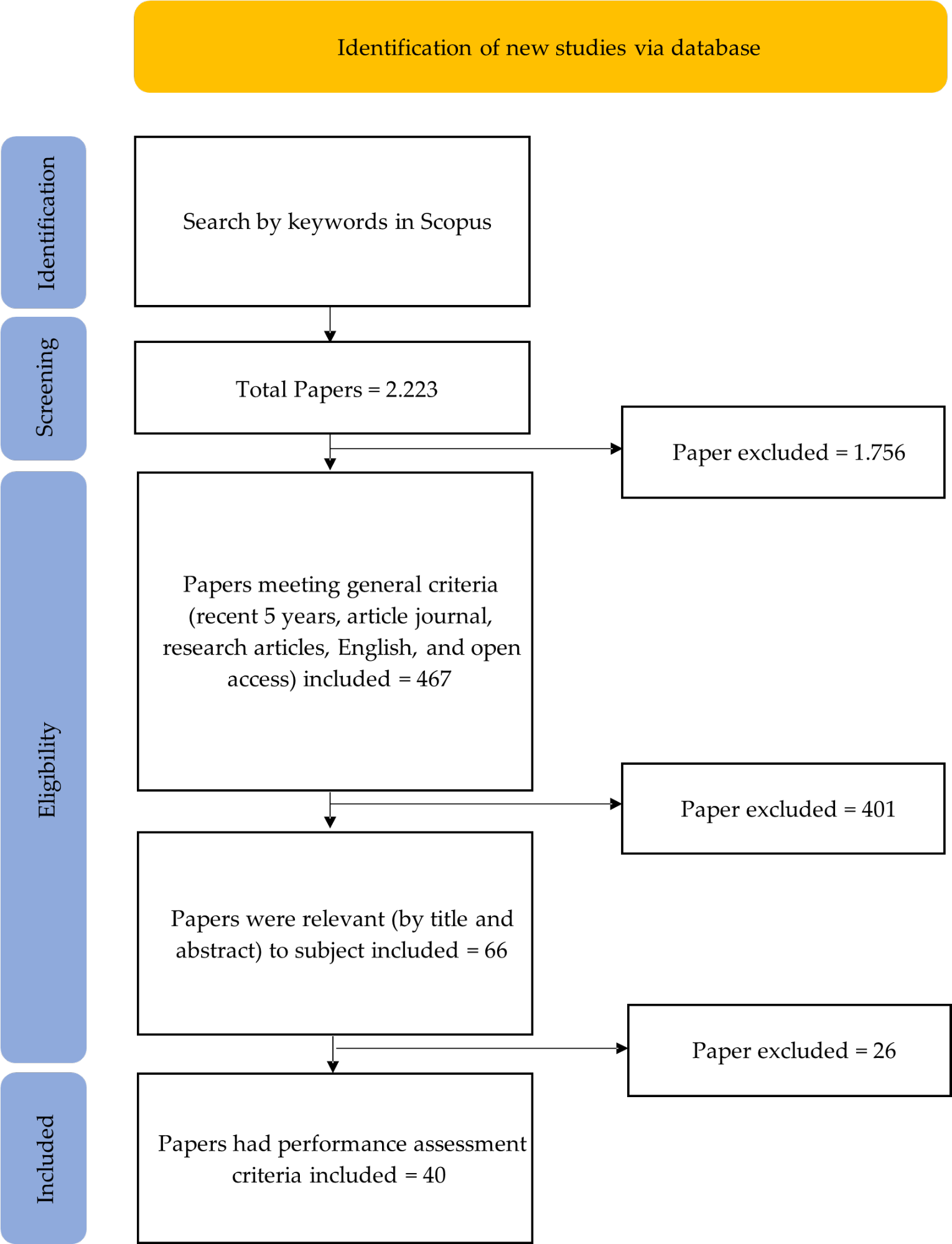
Figure 1. Flow diagram of study selection
RESULTS
The reviewed studies cover the period 2020-2024 can be seen in Figure 2. Early works in 2020 [11]-[16] mainly relied on small samples and exploratory analyses, often limited to simple ads or product images. In 2021, more studies appeared [17]-[24], expanding the scope to product layouts, wine labels, and music clips. By 2022 [25]-[36], research began integrating advanced analytic techniques such as feature selection, ensemble learning, and multimodal signals (EEG combined with GSR, HR, or eye-tracking). The years 2023 [37]-[43] and 2024 [44]-[50] show a shift toward ecological validity, with applications in digital shopping (e-commerce, metaverse), olfactory responses, and large-scale multimodal datasets. This distribution reflects a progression from proof-of-concept studies toward more robust and real-world neuromarketing applications.
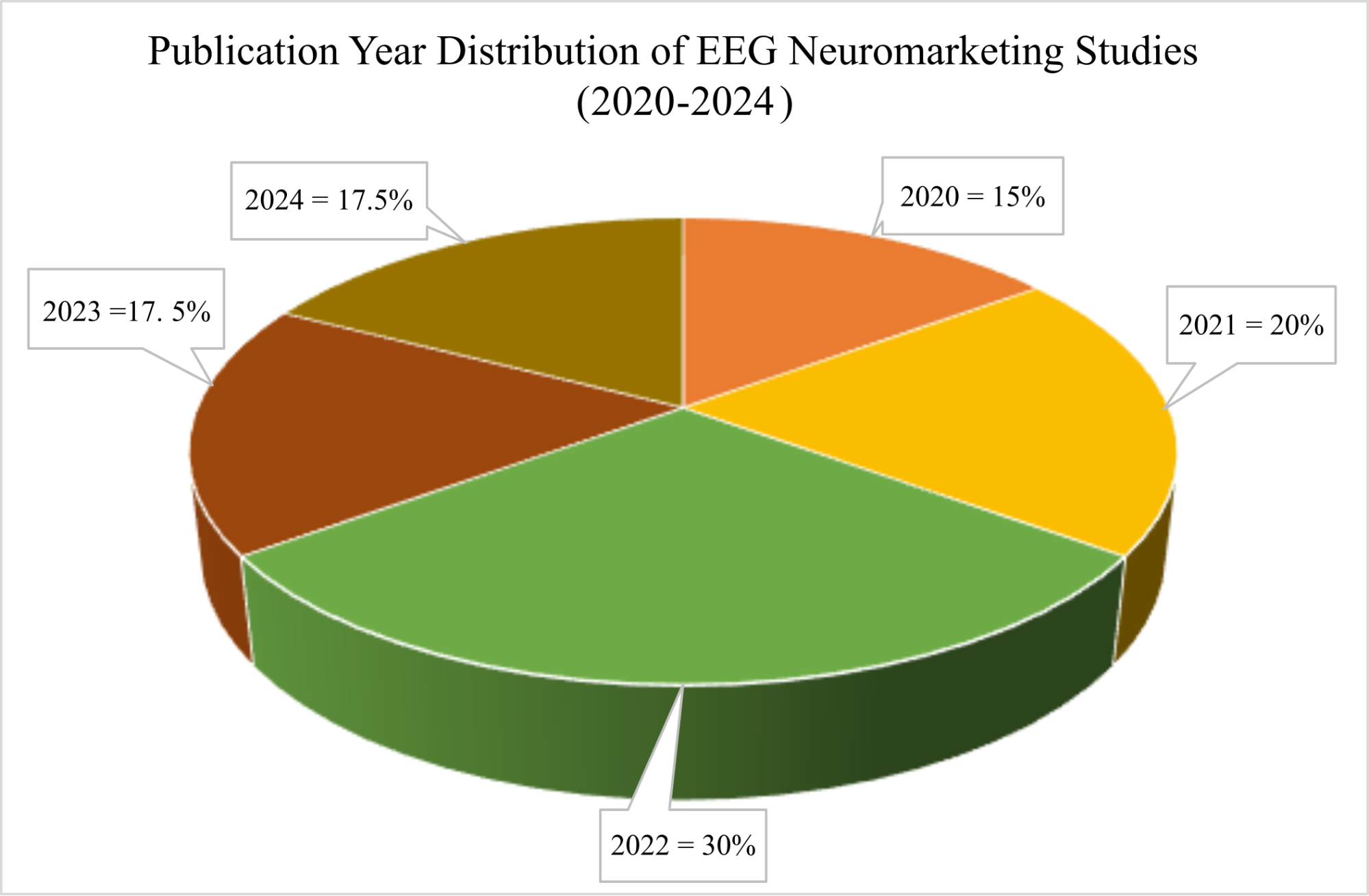
Figure 2. Publication Year Distribution of EEG Neuromarketing Studies (2020-2024)
Clinical-grade EEG systems such as BioSemi ActiveTwo (64-ch, 32-ch) [3],[23],[33], Neuroscan Synamp2 (64-ch) [16],[23],[45], and BrainAmp (32-ch) [29] were widely employed in laboratory settings where high-resolution ERPs (e.g., P300, LPP, N170) were critical. These setups allowed detailed analysis of neural activity related to attention, arousal, and preference. On the other hand, consumer-grade devices like Emotiv EPOC+ (14-ch) [18],[28],[36],[41],[49][50], Muse 2 (4-ch) [27], and Unicorn Hybrid Black (8-ch) [20] were favored for applied studies due to their portability and ease of use, though with limited spatial resolution. Channel numbers varied substantially, from minimal 2-channel systems [11],[19] used in elderly or field contexts, to high-density 128-channel nets [15], showing a balance between ecological feasibility and data richness depending on study goals can be seen in Figure 3.
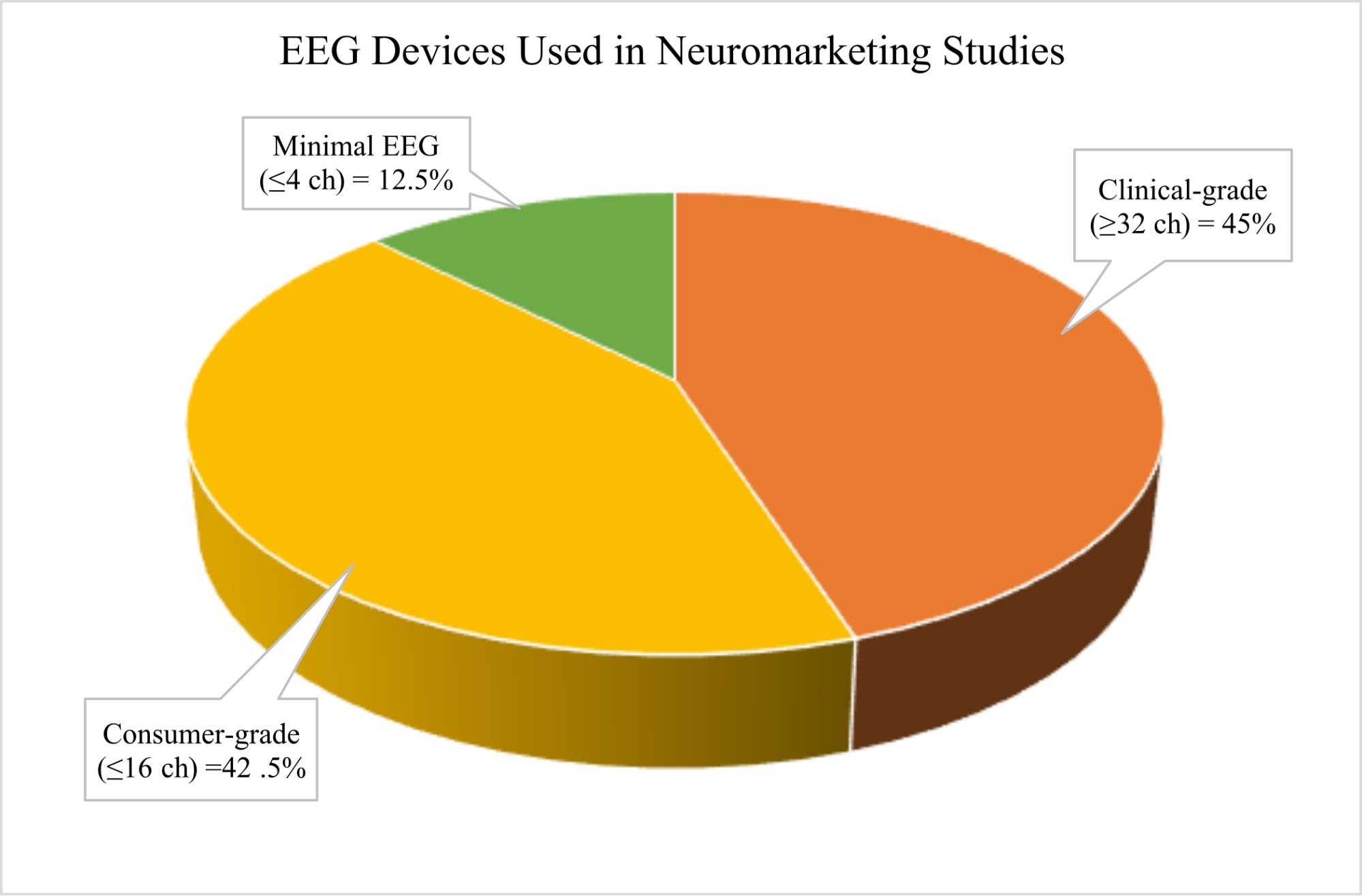
Figure 3. EEG Devices Used in Neuromarketing Studies
Advertising stimuli, particularly TV spots and video ads, were the most frequently studied [11],[19],[22],[30],[33],[37],[42],[50], reflecting the field’s origins in evaluating ad effectiveness and consumer engagement. Product-related stimuli were also common, including shoes [25],[29],[41], wine labels [24], car images [26], and consumer goods [16],[23],[45], used to assess visual attention and preference in product design. Digital marketing and online retail contexts gained prominence from 2022 onward: e-commerce platforms [27],[47],[48], mobile payments [34], and sustainable online shopping [32] were explored in response to shifting consumption patterns. Novel contexts such as the metaverse [48] and olfactory product testing [46] indicate diversification of neuromarketing applications. Overall, advertisements remain central, but product design and digital commerce are emerging as equally significant domains can be seen in Figure 4 and Table 1.
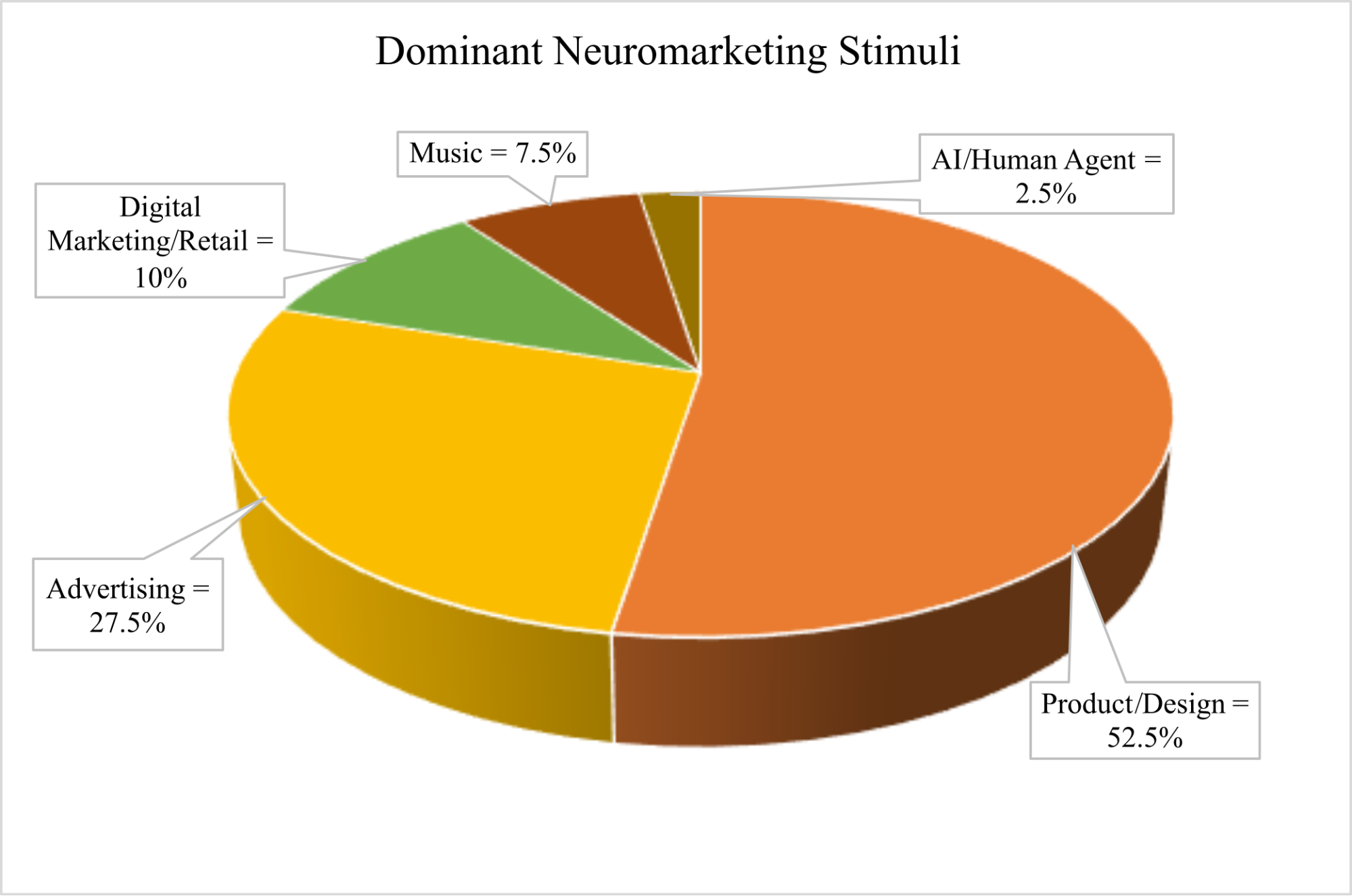
Figure 4. Dominant Neuromarketing Stimuli
Table 1. Selected articles related to EEG Applications in Neuromarketing
Ref | Authors & Year | Sample Characteristics | EEG Methodology | Stimulus Type | Neuromarketing Context | Analysis Technique |
[11] | Yazid et al. (2020) | 10 students (16–17 y/o) | 2-channel Arduino EEG | TV commercial | Decision-making, memory | FFT (alpha waves) |
[12] | Aldayel et al. (2020) | 32 participants (DEAP dataset) | 32-channel BioSemi EEG | Music videos | Preference classification | PSD, Valence, DNN vs RF/KNN/SVM |
[13] | Eijlers et al. (2020) | 31 students (EEG) + 1,260 survey panel | 64-ch BioSemi EEG | Print ads (cars, food, beauty, fashion) | Neural arousal & ad effectiveness | FFT, logistic regression |
[14] | González-Morales (2020) | 23 students in Spain | 19-channel EEG, 10–20 system | IAPS images (positive and negative) | Emotional valence in marketing stimuli | Alpha band, Wilcoxon test |
[15] | Chung et al. (2020) | 27 male students (Korea) | 128-ch EEG (HydroCel Net) | Human vs AI agent (face vs text) | Symbolic consumption, perceived naturalness | ERP (P1, N170) |
[16] | Wang et al. (2020) | 6 students (17–30 y/o) | 64-ch EEG, Neuroscan Synamp2 | Product images (bag, headset, mug, watch, guitar) | Design preference, generative design | LSTM encoder + GAN |
[17] | Watanabe et al. (2021) | 25 male gamers (20–35 y/o) | Wearable 3-site EEG (Fz, Cz, Pz) | Keyboard switches with different pre-travel | Product evaluation, motor preparation | ERP (CNV, P3, N1), frontal theta |
[18] | Aldayel et al. (2021) | 25 participants (18–38 y/o) | Emotiv EPOC+, 14-ch, 128 Hz | Product images (42) | Preference detection (like vs dislike) | DWT, PSD, DNN, RF, SVM, KNN |
[19] | Zito et al. (2021) | 70 Italians (~69 y/o, with/without children) | 2-ch EEG (Fp1, Fp2), FlexComp | UNICEF TV spots and flyers | Social advertising, donation intent | AWI, SC, Eye-tracking, ANOVA |
[20] | Sutaj et al. (2021) | 21 participants (22–78 y/o) | 8-ch Unicorn Hybrid Black (wireless) | Faces vs grayscale, familiar vs unfamiliar | Image ranking, preference detection | ERP (P300), LDA |
[21] | Leeuwis et al. (2021) | 30 participants (19–65 y/o) | 9-ch B-Alert X10 (wireless) | Music clips (R&B, Pop) | Predicting music popularity | Neural synchrony, FAA, PSD, regression |
[22] | Vozzi et al. (2021) | 36 adults (mean age ~37) | 10-channel portable EEG (BEmicro) | TV ads (15–30 s) | Advertising response and sample size effect | Alpha GFP, AW index, HR, GSR |
[23] | Wang et al. (2021) | 19 students (20–35 y/o) | 64-ch EEG (Neuroscan) | Mobile marketing layouts | Aesthetic preference | ERP (P2, LPP) |
[24] | Alvino et al. (2021) | 25 young adults | 32-ch EEG (EasyCap, ActiChamp) | Wine labels (traditional vs modern, cheap vs expensive) | Visual attention and preference | ERP (PCN), ANOVA |
[25] | Hassani et al. (2022) | 20 students (10 male, 10 female) | 16-ch g.USBamp EEG | Shoe images | Like/Dislike decision, gender focus | DWT, PSD, entropy, fractal dimension, RF, SVM, LDA, KNN |
[26] | Raiesdana et al. (2022) | 45 adults (20–43 y/o) | 21-ch EEG (Neurowerk, 256 Hz) | Car images and specs | Preference for electric vs non-electric cars | PSD, Coherence, DFA, K-means |
[27] | Ullah et al. (2022) | 15 participants | Muse 2, 4-ch EEG (AF7, AF8, TP9, TP10) | E-commerce product images | Preference classification (like vs dislike) | DWT, ANN, SVM, KNN, RF, DT, LR |
[28] | Al-Nafjan (2022) | 25 male participants (18–38 y/o) | Emotiv EPOC+, 14-ch, 128 Hz | Product images (42 trials) | Preference detection (like vs dislike) | FFT for PSD, feature selection (mRMR, RFE, ReliefF, PCA), classifiers (RF, DNN, SVM, LDA, KNN) |
[29] | Zeng et al. (2022) | 15 students (22–39 y/o, 9 male and 6 female) | 32-ch BrainAmp EEG, 500 Hz | Images of 25 sport shoes | Preference prediction (like vs dislike) | PSD, Brain Asymmetry (AW, Effort, Choice, Valence), DE, Hjorth, KNN, SVM |
[30] | Mashrur et al. (2022) | 20 young adults (mean age ~24, healthy) | Emotiv Epoch+, 6 frontal channels, 128 Hz | Ads with product, endorsement, promotion | Purchase intention and affective attitude | Time, frequency, time-frequency features, SVM-RFE with RBF kernel |
[31] | Ahmed et al. (2022) | 585 respondents (414 training, 171 testing) | Not EEG-based, ANN model with neuromarketing inputs | Advertising features (packaging, content, celebrity endorsement, etc.) | Forecasting ad effectiveness and consumer buying behavior | Artificial Neural Networks (MLP, sigmoid transfer, hidden layers) |
[32] | Chiang et al. (2022) | 80 participants (40 young, 40 older) | 21-ch EEG (Neuron-Spectrum 3) with eye-tracking and FaceReader | Online shopping for sustainable products | Age differences in online consumer behavior | EEG (alpha, beta, sLORETA), eye-tracking, facial expression |
[33] | Baldo et al. (2022) | 93 participants (mean age 33, balanced gender) | 32-ch BioSemi ActiveTwo EEG with GSR and HR | Emotional images, videos, TV ads | Emotions, memory, ad effectiveness | FAA (frontal alpha asymmetry), Inter-beat interval, GSR, regression models |
[34] | Wang et al. (2022) | Study 1: 66 students, Study 2: 29 students (China) | 64-ch EEG (NeuroScan) | Product images with mobile vs cash payment | Purchase intention and payment method | ERP (N300, LPP) |
[35] | Georgiadis et al. (2022) | Dataset 1: 5 adults, Dataset 2: 31 adults | 8-ch EEG (Enobio, StarStim) | Product images and video ads | Consumer choice prediction | Riemannian geometry, SVM |
[36] | Shah et al. (2022) | 25 participants (18–38 y/o) | Emotiv EPOC+, 14-ch, 128 Hz | Product images (42 items) | Preference recognition (like vs dislike) | Preprocessing (Savitzky–Golay, SMOTE), PSD, DWT, LSTM, classifiers (SVM, DT, DNN, Ensemble GA) |
[37] | Russo et al. (2023) | 40 adults (20–55 y/o) | 40-ch EEG (NVX 52) with eye-tracking and GSR | Teleshopping ads (male vs female seller) | Neuroselling and purchase decision | EEG indices, regression, AOI |
[38] | Leeuwis et al. (2023) | 30 adults (~27 y/o) | 9 channels, central synchrony, frontal alpha | Music excerpts with YouTube data | Predicting engagement | Neural synchrony, alpha asymmetry, regression |
[39] | Kislov et al. (2023) | Study 1: 25 adults (~29 y/o), Study 2: 48 adults (~31 y/o) | 28 channels, NVX36, FFT (alpha 8–12 Hz, beta 16–24 Hz) | 10 digital food retailer banner ads | Predicting ad efficiency in online campaign | Beta/alpha ratio, alpha asymmetry, eye-tracking, regression |
[40] | Hakim et al. (2023) | 183 adults (~25 y/o) | 8 channels, 500 Hz | 72 product images | Predicting WTP | Deep learning, ERP, spectral |
[41] | Hassani et al. (2023) | 20 adults (10M, 10F, 22–30 y/o) | 16 channels, 256 Hz | Shoe images (color vs BW) | Like/Dislike, gender effect | PSD, DWT, entropy, ML |
[42] | Oikonomou et al. (2023) | 31 adults | 8 frontal channels, 500 Hz | 6 TV commercials | Preference and product recognition | Sparse Representation Classification vs ML/DL |
[43] | Bosshard et al. (2023) | 20 adults (~23 y/o) | 64 channels, BioSemi ActiveTwo, 256 Hz | Neutral brand names with pleasant or unpleasant sounds (IADS) | Evaluative conditioning of neutral brands | ERP (LPP), IAT, self-report |
[44] | Bilucaglia et al. (2024) | 63 young adults (~23 y/o) | 40 channels, NVX-52, 1 kHz | 32 emotional images (IAPS, OASIS) | Affective responses dataset for neuromarketing and consumer neuroscience | Multimodal signals (EEG, SC, PPG, EMG, ET), SAM ratings |
[45] | Shu et al. (2024) | 15 college students (20–26 y/o) | 64 channels, Neuroscan Synamp2, 1 kHz | 12 commodities × 48 colors (S1–S2 paradigm) | Color preference in consumer commodities | ERP (P200, N270, N400) |
[46] | Akbugday et al. (2024) | 33 adults (20M, 13F) | 14 channels, EMOTIV EPOC+, 256 Hz | Scented vs unscented product boxes | Detecting olfactory responses for neuromarketing | ML (SVM, RF, kNN, NB, DT, GB) and DL (CNN on sub-band heatmaps) |
[47] | Panda et al. (2024) | 40 adults (25M, 15F) | Public dataset, connectivity features (1–40 Hz, ICA cleaned) | 14 e-commerce products (42 variants) | Predicting consumer like/dislike choices | Deep Transfer Learning (VGG16), Spatial Attention (CBAM), 2D CNN |
[48] | Fici et al. (2024) | 33 adults (Gen Z & Millennials, 20–31 y/o) | 38 channels, NVX-52, 2 kHz | Same product (sunglasses) bought via e-commerce vs Second Life (metaverse) | Comparing digital shopping experiences (EC vs SL) | EEG indices (BATR, WL, MI), SC, PPG, self-reports (TAM, flow, CES) |
[49] | Alnuman et al. (2024) | 25 adults (18–38 y/o) | 14 channels, Emotiv EPOC+, 128 Hz | 42 product images | Product preference (like/dislike) | Time & frequency features, ICA, PCA, ML classifiers (SVM, RF, KNN, NB, DA, DT) |
[50] | Cansado et al. (2024) | 40 young adults (19–23 y/o) | Emotiv Epoc+, 14 channels, 128/256 Hz | 6 TV spots (3 high emotional, 3 neutral) | Residual effect in audiovisual ads | EEG (FAA), GSR, self-reports |
The review of forty EEG-based neuromarketing studies reveals clear methodological trends. Event-related potential (ERP) techniques remain highly influential, with components such as P1, N170, P200, N270, N300, and LPP frequently used to explore perceptual, attentional, and evaluative responses to consumer stimuli. Spectral analyses, particularly those examining alpha, beta, and theta power, continue to provide insights into neural arousal, attentional asymmetry, and cognitive workload, thereby offering markers of consumer engagement and cognitive processing. In recent years, machine learning together with deep learning (ML/DL) approaches have surfaced as dominant tools, with models such as CNNs, RNNs, DNNs, and ensemble methods achieving high predictive accuracy in classifying preferences, like/dislike responses, and willingness-to-pay. At the same time, multimodal strategies have gained momentum, integrating EEG with eye-tracking, galvanic skin response (GSR), photoplethysmography (PPG), or facial expression analysis to capture multidimensional aspects of consumer behavior. This shift reflects an effort to overcome the limitations of EEG alone by providing richer and more ecologically valid interpretations of consumer responses.
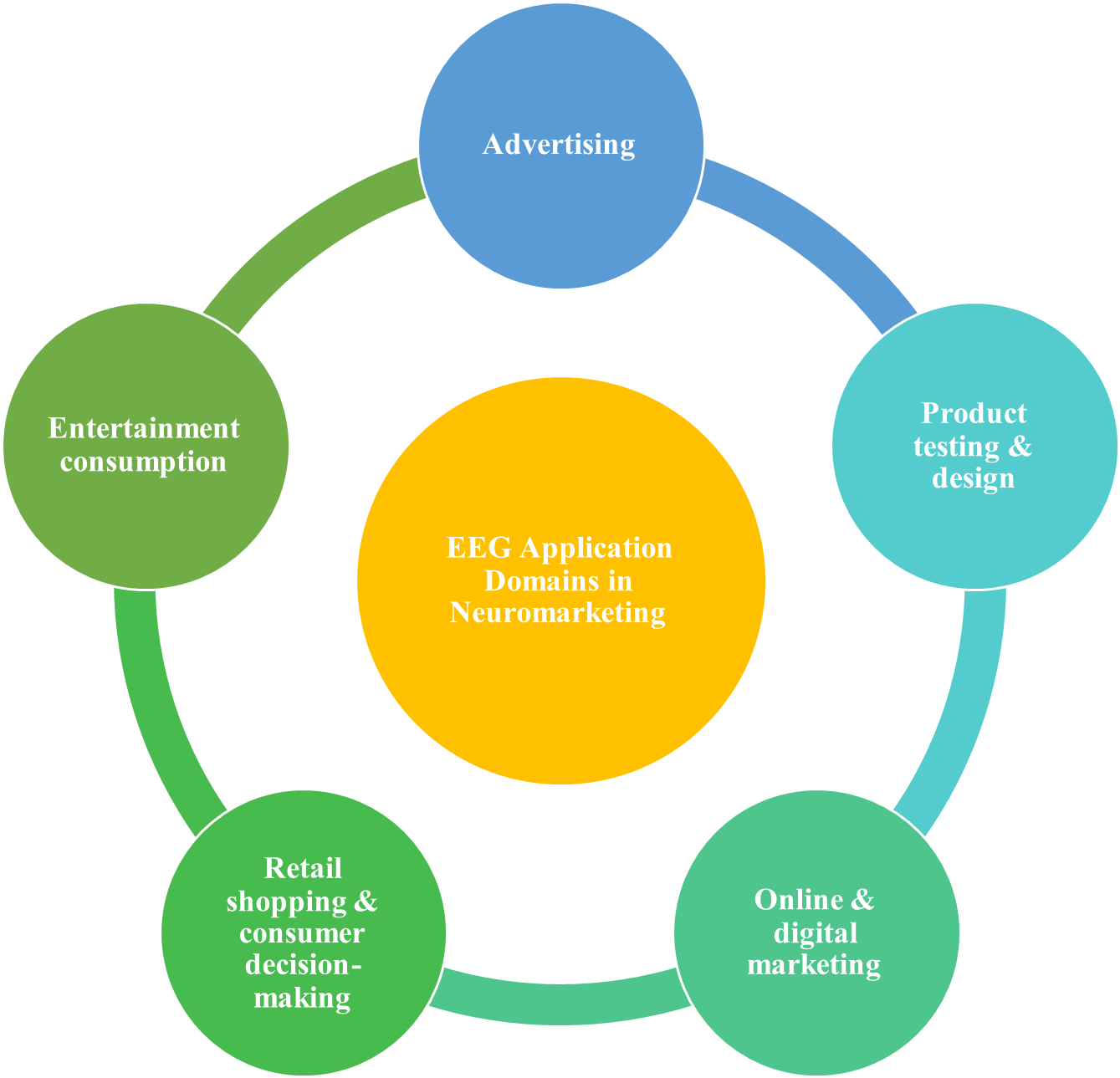
In terms of application domains (Figure 5), EEG research has been most extensively applied in advertising. Studies on television commercials, print ads, and teleshopping broadcasts demonstrate how EEG can predict effectiveness, memorability, and emotional impact of advertisements. Product testing represents another significant area, with investigations ranging from common consumer items such as shoes, bags, and wine labels to more sensory-driven or symbolic products such as scented packaging and digital shopping experiences in the metaverse. Online marketing contexts are also prominent, especially in e-commerce, mobile payment systems, and banner advertisements, where EEG has been used to assess engagement, preference, and purchase intention. Retail shopping decisions, particularly the psychological effects of payment methods, further highlight the relevance of EEG in predicting consumer behavior, with evidence showing that mobile payments reduce the “pain of paying” and increase buying likelihood. These domains collectively illustrate how neuromarketing applications are expanding from controlled laboratory settings toward more realistic and digitally integrated consumer environments.
Figure 5. EEG Application Domains in Neuromarketing
The outcome measures identified across studies reflect a consistent focus on cognitive and emotional markers of consumer behavior. Engagement and attention are frequently operationalized through ERP responses such as P300 or through neural synchrony, which has been shown to predict advertising recall, music popularity, and product recognition [21],[24],[38],[42]. Emotional arousal is commonly measured using frontal alpha asymmetry or combined EEG–GSR indices, linking heightened arousal to more memorable and persuasive advertising effects [13],[14],[33],[50]. Consumer decision-making outcomes, such as willingness-to-pay, purchase intention, and preference detection, have been robustly modeled using ML/DL techniques, often outperforming traditional self-report measures in predictive accuracy [25],[28],[29],[36]. Notably, several studies demonstrate that neural indicators provide a stronger link to actual consumer behavior than subjective evaluations, underscoring the value of EEG-based neuromarketing in capturing implicit processes that consumers themselves may not fully articulate [29],[33],[35],[37]. Together, these findings highlight EEG as a valuable instrument for narrowing the divide between cognitive neuroscience and practical applications in marketing.
DISCUSSION
Key Findings
The reviewed studies highlight the ability of EEG to capture consumer preferences and decision-making processes with notable accuracy. Several works demonstrated that EEG signals can differentiate between like and dislike responses to product images, advertisements, or marketing stimuli, with accuracy rates frequently exceeding 90% when combined with advanced machine learning methods such as DNNs, Random Forests, or hybrid ensemble approaches [12],[18],[28],[29]. These findings suggest that EEG is a reliable tool for detecting implicit consumer preferences, often outperforming traditional self-report measures or survey-based approaches [35],[43]. In addition, EEG-based indices of neural synchrony and arousal have been shown to predict advertising effectiveness and real-world popularity outcomes better than subjective ratings. For instance, neural synchrony successfully predicted music streams on platforms like Spotify [21],[38], while physiological correlates such as frontal alpha asymmetry (FAA) were linked to purchase intentions [33]. Similarly, EEG-conditioned generative models (GANs) were able to create product designs more aligned with participants’ implicit preferences [16], marking a promising integration of neurophysiology with AI-driven design.
Another important area of findings relates to emotional and attentional processes in marketing contexts. EEG responses revealed that higher neural arousal increased the memorability of ads but sometimes reduced positive attitudes [13]. Studies of ERP components (e.g., P300, N270, LPP) consistently showed differential neural activation patterns depending on consumer attitudes, such as stronger responses for disliked layouts [23], mismatched color–commodity pairings [45], or expensive wine labels that captured stronger attentional bias [24]. Moreover, high-emotion audiovisual ads produced residual effects, influencing how consumers subsequently perceived neutral advertisements [50]. The findings also extend to consumer behavior in digital and emerging markets. For example, mobile payments were found to reduce the psychological “pain of paying” (lower N300 amplitude) while enhancing pleasure-related responses (higher LPP), thereby boosting purchase intention [34]. In contrast, shopping in the metaverse increased cognitive workload and memorization but reduced flow and positive emotional experiences compared to e-commerce [48]. Sustainable product shopping showed generational differences, where younger adults exhibited higher engagement, whereas older adults were more neutral [32]. These results emphasize that context (payment method, platform, or consumer demographic) significantly modulates neural responses to marketing stimuli.
Finally, multimodal approaches that integrate EEG with physiological signals such as galvanic skin response (GSR), heart rate (HR), and eye-tracking provided richer insights into emotions, memory, and decision-making. For instance, GSR predicted arousal, inter-beat interval (IBI) predicted valence and memory, while EEG FAA was linked to purchase intent [33]. Similarly, combining EEG with self-reports and physiological data enabled the identification of residual emotional effects across advertisements [50] and enhanced affective dataset development for consumer neuroscience [44]. Collectively, these findings underline the importance of combining EEG with complementary data streams to improve the ecological validity and robustness of neuromarketing research.
Strengths of EEG in Neuromarketing
One of the major strengths of EEG in neuromarketing is its ability to capture rapid neural responses to marketing stimuli with high temporal resolution. This makes it possible to identify unconscious and immediate reactions of consumers that are often missed by self-report measures. For example, studies demonstrated that specific ERP components such as P1, N170, P300, N270, and LPP can reliably detect attentional shifts, aesthetic preferences, and evaluative conditioning in response to advertising stimuli, product designs, or labels [15],[23][24],[43]. These neural signatures provide marketers with direct evidence of how consumers perceive and process stimuli, independent of their subjective reports [51]. Another important strength lies in the objectivity and predictive capacity of EEG features in forecasting consumer preferences and purchase intentions [52]-[54]. Techniques such as PSD, FFT, and wavelet-based analyses have shown robust associations between brain oscillations (alpha, beta, theta) and consumer behavior. For instance, frontal alpha asymmetry (FAA) and neural synchrony predicted music popularity better than traditional ratings [21],[38], while EEG features successfully distinguished between “like” and “dislike” product responses with high accuracy in multiple studies [18],[28],[36],[41]. This suggests that EEG provides a more reliable and unbiased measure of consumer engagement compared to subjective questionnaires, which are often prone to social desirability bias.
EEG also shows strength in its integration with advanced machine learning and deep learning models [55]-[57], significantly improving the accuracy of consumer behavior predictions [58]-[60]. Several studies combining EEG signals with models such as DNN, CNN, LSTM, and ensemble learning reported classification accuracies above 90%, demonstrating the synergy between neurophysiological data and computational intelligence [12],[16],[36],[40]. These approaches enable EEG to move beyond descriptive analysis toward predictive modeling, where consumer choices, willingness-to-pay, and purchase intentions can be estimated with remarkable precision. In addition, EEG has proven valuable for multimodal integration, enhancing the richness of consumer insights [61]-[63]. When combined with other physiological or behavioral measures such as eye-tracking, galvanic skin response (GSR), heart rate (HR), or facial expression analysis, EEG contributes uniquely to understanding cognitive and emotional processes underlying consumer behavior [64]-[66]. For instance, studies integrating EEG with GSR and HR revealed that while GSR predicted arousal and inter-beat intervals predicted memory and valence, EEG indices like FAA added predictive power for purchase intent [33],[37],[48]. This multimodal advantage underscores EEG’s role in creating holistic neuromarketing frameworks that bridge cognitive, affective, and behavioral data.
At last, EEG demonstrates broad applicability across diverse marketing contexts, from evaluating product design and packaging [16],[24],[26], to predicting the effectiveness of advertisements [22],[30],[33], and even analyzing new digital shopping environments such as e-commerce and metaverse platforms [32],[48]. Its flexibility in adapting to different experimental settings makes EEG a versatile tool for neuromarketing research and application [67]-[69]. Whether in traditional print ads, television spots, or immersive digital experiences, EEG consistently provides meaningful insights into consumer cognition and emotion [70]-[72].
Limitations and Challenges in EEG-Based Neuromarketing Research
One of the most recurrent challenges across EEG-based neuromarketing studies lies in the limited and uniform sample sizes, which restrict the extent to which the findings can be generalized. Many studies recruited less than 30 participants, often limited to students or young adults, thereby restricting age diversity and socio-cultural representativeness [11],[14],[16][17]. Moreover, some studies were gender-biased, focusing exclusively on males [15],[17],[28], which limits the ability to extrapolate results across broader populations. This narrow recruitment strategy introduces sampling bias and raises concerns regarding external validity. Another limitation is related to EEG methodology and device constraints. Numerous studies employed low-density, consumer-grade, or wearable EEG devices (2–14 channels), such as Emotiv or Muse, which while convenient and affordable, lack the spatial resolution and accuracy of high-density research-grade systems [11],[18][19],[21]. This limitation is particularly evident when studies relied on only frontal or occipital electrodes, potentially overlooking significant neural processes occurring in other cortical regions [27],[46],[49]. Consequently, conclusions drawn from such setups may underestimate the complexity of consumer neural responses.
The nature of stimuli also poses a challenge. Many studies employed still images of products or packaging labels [16],[18],[23][24], which may fail to replicate the richness and dynamism of real-world consumer experiences. Although some studies incorporated TV commercials, social advertisements, or teleshopping scenarios [11],[13],[19],[22], these remain laboratory-based and do not fully capture ecological validity. Furthermore, most research neglected multimodal integration (e.g., combining EEG with eye-tracking, GSR, HR, or behavioral measures), except for a few studies that demonstrated improved prediction accuracy when physiological data were combined [33],[37],[44],[48]. A critical methodological issue lies in analysis techniques and model robustness. While advanced approaches such as deep learning, generative adversarial networks (GAN), and ensemble models have shown superior accuracy in preference prediction and purchase intention [16],[28],[36],[40], many studies reported results only within benchmark datasets or controlled lab experiments without real-world validation [12],[18],[28],[36]. This raises concerns about overfitting, lack of cross-cultural testing, and the inability of models to scale to heterogeneous consumer populations. Additionally, interpretability remains limited, deep learning models provide high accuracy but are frequently reproached due to their “black-box” characteristics, which hinder their practical implementation in neuromarketing [16],[36],[40],[47].
Lastly, the literature highlights challenges in ecological validity and cultural diversity. Most studies were conducted in single cultural contexts, such as Korea [15], Spain [14], Italy [19],[48], China [34], or with narrow Western samples [13],[21],[33],[43]. This homogeneity undermines the ability to generalize results across different consumer groups and cultural backgrounds. Moreover, real-world consumer decisions involve complex multisensory and social interactions that laboratory studies rarely replicate [13][14],[22],[30]. As a result, findings often remain context-dependent, with limited translation to practical neuromarketing strategies.
Research Gaps and Opportunities
A recurring gap across many neuromarketing EEG studies is the limited sample size and demographic diversity. Numerous works relied on small groups of students or young adults [11],[16],[23], or were restricted to male participants only [15],[17],[28]. Such homogeneity reduces the generalizability of results, particularly when consumer behavior varies significantly across age, gender, and cultural backgrounds. Future research should therefore involve larger, more representative populations across multiple cultures to validate findings and capture the diversity of consumer responses. Another limitation lies in the overreliance on static laboratory stimuli such as simple product images, labels, or print advertisements [14],[18],[27],[29]. While these provide controlled conditions, they lack ecological validity and fail to replicate the dynamic, multisensory nature of real consumer environments. Opportunities exist to design ecologically valid experiments, incorporating immersive contexts such as virtual reality shopping [48] or real-world retail settings, to bridge the gap between lab-based outcomes and actual consumer behavior.
Methodologically, many studies employed low-channel, portable EEG devices such as Emotiv EPOC or 2–14 channel systems [11],[19],[22],[46]. While practical and cost-effective, these devices may not capture the full neural dynamics compared to high-density EEG setups [13],[15],[40],[43]. Future research could leverage hybrid approaches, integrating portable EEG with complementary biosignals (e.g., GSR, HR, eye-tracking) to balance practicality with data richness, as demonstrated by [33] and [37]. From an analytical perspective, while traditional techniques like FFT, PSD, and ERP remain prevalent [11],[13][14],[23], more recent studies demonstrate the potential of advanced machine learning and deep learning models [12],[25],[30],[36]. However, most of these models were trained on relatively small or benchmark datasets without robust cross-validation in real-world consumer markets. There is a strong opportunity to develop scalable AI frameworks, validated on multimodal, longitudinal datasets that integrate EEG with behavioral, survey, and purchasing data [73]. As a final point, several studies revealed conceptual and contextual gaps. Research often focused narrowly on preference classification or like/dislike detection [18],[28],[29],[36] without addressing broader consumer decision-making processes such as trust, brand loyalty, or long-term memory encoding. In addition, cross-cultural validation remains scarce, with most datasets drawn from single-country contexts (e.g., Italy [19],[24],[48], China [34], Spain [14]). Thus, a key opportunity lies in expanding neuromarketing research to cross-cultural, longitudinal designs that explore how consumer responses evolve over time and across different sociocultural environments.
- CONCLUSIONS
This review highlights that EEG has developed into a valuable instrument for revealing hidden consumer preferences, emotional reactions, and cognitive decision-making mechanisms in neuromarketing. Evidence consistently shows that EEG signals can differentiate between “like” and “dislike” responses with high accuracy, particularly when combined with advanced machine learning and deep learning approaches. EEG also provides unique insights into emotional arousal, attentional engagement, and the neural underpinnings of purchasing behaviors, often outperforming traditional self-reports. The advantage of EEG rests in its capacity to capture rapid and unconscious neural responses with high temporal resolution, offering marketers more objective and predictive measures of consumer engagement. Moreover, when integrated with other physiological and behavioral data such as eye-tracking, heart rate, or galvanic skin response, EEG contributes to richer and more ecologically valid insights into consumer behavior across different marketing contexts, from product design and packaging to digital shopping and immersive media. However, several challenges remain. Current studies are often limited by small and homogeneous samples, low-channel consumer-grade devices, and reliance on static laboratory stimuli, which reduce generalizability and ecological validity. Advanced computational models have shown strong predictive power, but many lack validation in real-world and cross-cultural settings, and interpretability issues remain a barrier for practical applications. Looking ahead, the field would benefit from larger and more diverse participant groups, ecologically valid experimental designs, and multimodal approaches that combine EEG with complementary biosignals and behavioral measures. Expanding research beyond simple preference detection to include broader aspects of consumer psychology (such as trust, loyalty, and long-term memory) offers promising opportunities. By addressing these gaps, EEG-based neuromarketing can advance toward more robust, scalable, and ethically sound applications in understanding and shaping consumer behavior.
DECLARATION
Author Contribution
All authors contributed equally to the main contributor to this paper. All authors read and approved the final paper.
Acknowledgement
The authors would like to acknowledge the Department of Medical Technology, Institut Teknologi Sepuluh Nopember, for the facilities and support in this research. The authors also gratefully acknowledge financial support from the Institut Teknologi Sepuluh Nopember for this work, under project scheme of the Publication Writing and IPR Incentive Program (PPHKI) 2025.
Conflicts of Interest
The authors declare no conflict of interest.
REFERENCES
- S. Bhardwaj, G. A. Rana, A. Behl, and S. J. G. de Caceres, “Exploring the boundaries of Neuromarketing through systematic investigation,” Journal of Business Research, vol. 154, p. 113371, 2023, https://doi.org/10.1016/j.jbusres.2022.113371.
- S. Bansal, P. Nangia, and B. Koles, “Neuromarketing and the Marketing Mix: An Integrative Review and Future Research Agenda Using the TMC Approach,” International Journal of Consumer Studies, vol. 49, no. 3, 2025, https://doi.org/10.1111/ijcs.70072.
- D. C. Orazi, K. Y. Mah, T. Derksen, and K. B. Murray, “Consumer escapism: Scale development, validation, and physiological associations,” Journal of Business Research, vol. 160, p. 113805, 2023, https://doi.org/10.1016/j.jbusres.2023.113805.
- Y. Pamungkas, A. D. Wibawa and M. H. Purnomo, "EEG Data Analytics to Distinguish Happy and Sad Emotions Based on Statistical Features," 2021 4th International Seminar on Research of Information Technology and Intelligent Systems (ISRITI), pp. 345-350, 2021, https://doi.org/10.1109/ISRITI54043.2021.9702766.
- P. Antiopi, E. Kalaitzi, and C. A. Fidas, “A Review on the Use of EEG for the Investigation of the Factors that Affect Consumer’s Behavior,” Physiology & behavior, pp. 114509–114509, 2024, https://doi.org/10.1016/j.physbeh.2024.114509.
- M. E. Minissi, A. Altozano, J. M.-Morales, I. A. C. Giglioli, F. Mantovani, and M. Alcañiz, “Biosignal comparison for autism assessment using machine learning models and virtual reality,” Computers in Biology and Medicine, vol. 171, p. 108194, 2024, https://doi.org/10.1016/j.compbiomed.2024.108194.
- A. Byrne, E. Bonfiglio, C. Rigby, and N. Edelstyn, “A systematic review of the prediction of consumer preference using EEG measures and machine-learning in neuromarketing research,” Brain Informatics, vol. 9, no. 1, 2022, https://doi.org/10.1186/s40708-022-00175-3.
- H. A. Moghddam, J. Carlson, J. Wyllie, and S. M. Rahman, “Scroll, Stop, Shop: Decoding impulsive buying in social commerce,” Journal of business research, vol. 182, pp. 114776–114776, 2024, https://doi.org/10.1016/j.jbusres.2024.114776.
- L. R.-Calderín and J. D. M.-Santana, “A review of research on neuromarketing using content analysis: key approaches and new avenues,” Cognitive Neurodynamics, vol. 15, no. 6, pp. 923–938, 2021, https://doi.org/10.1007/s11571-021-09693-y.
- R. Gupta, A. P. Kapoor, and H. V. Verma, “Neuro-insights: a systematic review of neuromarketing perspectives across consumer buying stages,” Frontiers in Neuroergonomics, vol. 6, 2025, https://doi.org/10.3389/fnrgo.2025.1542847.
- A. F. Yazid, S. Munirah, A. Razzak, S. Kamarudin, and N. Mohamad, “Decision-Making Analysis using Arduino-Based Electroencephalography (EEG): An Exploratory Study for Marketing Strategy,” International Journal of Advanced Computer Science and Applications, vol. 11, no. 9, 2020, https://doi.org/10.14569/ijacsa.2020.0110927.
- M. Aldayel, M. Ykhlef, and A. Al-Nafjan, “Deep Learning for EEG-Based Preference Classification in Neuromarketing,” Applied Sciences, vol. 10, no. 4, p. 1525, 2020, https://doi.org/10.3390/app10041525.
- E. Eijlers, M. A. S. Boksem, and A. Smidts, “Measuring Neural Arousal for Advertisements and Its Relationship With Advertising Success,” Frontiers in Neuroscience, vol. 14, 2020, https://doi.org/10.3389/fnins.2020.00736.
- A. G.-Morales, “Right evaluation of marketing stimuli with neuroscience. An electroencephalography experiment,” Computers in Human Behavior Reports, vol. 2, p. 100030, 2020, https://doi.org/10.1016/j.chbr.2020.100030.
- K. Chung, J. Y. Park, K. Park, and Y. Kim, “Which Visual Modality Is Important When Judging the Naturalness of the Agent (Artificial Versus Human Intelligence) Providing Recommendations in the Symbolic Consumption Context?,” Sensors, vol. 20, no. 17, p. 5016, 2020, https://doi.org/10.3390/s20175016.
- P. Wang, S. Wang, D. Peng, L. Chen, C. Wu, Z. Wei, P. Childs, Y. Guo, and L. Li, “Neurocognition-inspired design with machine learning,” Design Science, vol. 6, 2020, https://doi.org/10.1017/dsj.2020.23.
- H. Watanabe, K. Nakajima, S. Takagi, R. Mizuyama, M. Saito, K. Furusawa, K. Nakatani, Y. Yokota, H. Kataoka, H. Nakajima and Y. Naruse, “Differences in Mechanical Parameters of Keyboard Switches Modulate Motor Preparation: A Wearable EEG Study,” Frontiers in Neuroergonomics, vol. 2, 2021, https://doi.org/10.3389/fnrgo.2021.644449.
- M. Aldayel, M. Ykhlef, and A. Al-Nafjan, “Recognition of Consumer Preference by Analysis and Classification EEG Signals,” Frontiers in Human Neuroscience, vol. 14, 2021, https://doi.org/10.3389/fnhum.2020.604639.
- M. Zito, A. Fici, M. Bilucaglia, F. S. Ambrogetti, and V. Russo, “Assessing the Emotional Response in Social Communication: The Role of Neuromarketing,” Frontiers in Psychology, vol. 12, 2021, https://doi.org/10.3389/fpsyg.2021.625570.
- N. Sutaj, M. Walchshofer, L. Schreiner, L. Turchet, H. Pretl, and C. Guger, “Evaluating a Novel P300-Based Real-Time Image Ranking BCI,” Frontiers in Computer Science, vol. 3, 2021, https://doi.org/10.3389/fcomp.2021.661224.
- N. Leeuwis, D. Pistone, N. Flick, and T. van Bommel, “A Sound Prediction: EEG-Based Neural Synchrony Predicts Online Music Streams,” Frontiers in Psychology, vol. 12, 2021, https://doi.org/10.3389/fpsyg.2021.672980.
- A. Vozzi, V. Ronca, P. Aricò, G. Borghini, N. Sciaraffa, P. Cherubino, A. Trettel, F. Babiloni, and G. D. Flumeri, “The Sample Size Matters: To What Extent the Participant Reduction Affects the Outcomes of a Neuroscientific Research. A Case-Study in Neuromarketing Field,” Sensors, vol. 21, no. 18, p. 6088, 2021, https://doi.org/10.3390/s21186088.
- S. Wang, C. Xu, L. Xiao, and A. S. Ding, “The Implicit Aesthetic Preference for Mobile Marketing Interface Layout—An ERP Study,” Frontiers in Human Neuroscience, vol. 15, 2021, https://doi.org/10.3389/fnhum.2021.728895.
- L. Alvino, E. Constantinides, and R. H. J. van der Lubbe, “Consumer Neuroscience: Attentional Preferences for Wine Labeling Reflected in the Posterior Contralateral Negativity,” Frontiers in Psychology, vol. 12, p. 688713, 2021, https://doi.org/10.3389/fpsyg.2021.688713.
- A. Hassani, A. Hekmatmanesh, and A. M. Nasrabadi, “Discrimination of Customers Decision-Making in a Like/Dislike Shopping Activity Based on Genders: A Neuromarketing Study,” IEEE Access, vol. 10, pp. 92454–92466, 2022, https://doi.org/10.1109/access.2022.3201488.
- S. Raiesdana and M. Mousakhani, “An EEG-Based Neuromarketing Approach for Analyzing the Preference of an Electric Car,” Computational Intelligence and Neuroscience, vol. 2022, pp. 1–19, 2022, https://doi.org/10.1155/2022/9002101.
- A. Ullah, G. Baloch, A. Ali, A. B. Buriro, J. Ahmed, B. Ahmed, and S. Akhtar, “Neuromarketing Solutions based on EEG Signal Analysis using Machine Learning,” International Journal of Advanced Computer Science and Applications, vol. 13, no. 1, 2022, https://doi.org/10.14569/ijacsa.2022.0130137.
- A. Al-Nafjan, “Feature selection of EEG signals in neuromarketing,” PeerJ Computer Science, vol. 8, p. e944, Apr. 2022, https://doi.org/10.7717/peerj-cs.944.
- L. Zeng, M. Lin, K. Xiao, J. Wang, and H. Zhou, “Like/Dislike Prediction for Sport Shoes With Electroencephalography: An Application of Neuromarketing,” Frontiers in Human Neuroscience, vol. 15, 2022, https://doi.org/10.3389/fnhum.2021.793952.
- F. R. Mashrur, K. M. Rahman, M. T. I. Miya, R. Vaidyanathan, S. F. Anwar, F. Sarker, and K. A. Mamun, “BCI-Based Consumers’ Choice Prediction From EEG Signals: An Intelligent Neuromarketing Framework,” Frontiers in Human Neuroscience, vol. 16, 2022, https://doi.org/10.3389/fnhum.2022.861270.
- R. R. Ahmed, D. Streimikiene, Z. A. Channar, H. A. Soomro, J. Streimikis, and G. L. Kyriakopoulos, “The Neuromarketing Concept in Artificial Neural Networks: A Case of Forecasting and Simulation from the Advertising Industry,” Sustainability, vol. 14, no. 14, p. 8546, Jan. 2022, https://doi.org/10.3390/su14148546.
- M.-C. Chiang, C. Yen, and H.-L. Chen, “Does age matter? Using neuroscience approaches to understand consumers’ behavior towards purchasing the sustainable product online,” Sustainability, vol. 14, no. 18, p. 11352, 2022, https://doi.org/10.3390/su141811352.
- D. Baldo, V. S. Viswanathan, R. J. Timpone, and V. Venkatraman, “The heart, brain, and body of marketing: Complementary roles of neurophysiological measures in tracking emotions, memory, and ad effectiveness,” Psychology & Marketing, vol. 39, no. 10, pp. 1979–1991, 2022, https://doi.org/10.1002/mar.21697.
- M. Wang, A. Ling, Y. He, Y. Tan, L. Zhang, Z. Chang, and Q. Ma, “Pleasure of paying when using mobile payment: Evidence from EEG studies,” Frontiers in Psychology, vol. 13, 2022, https://doi.org/10.3389/fpsyg.2022.1004068.
- K. Georgiadis, F. Kalaganis, V. P. Oikonomou, S. Nikolopoulos, N. A. Laskaris, and I. Kompatsiaris, “RNeuMark: A Riemannian EEG Analysis Framework for Neuromarketing,” Brain Informatics, vol. 9, no. 1, 2022, https://doi.org/10.1186/s40708-022-00171-7.
- S. M. A. Shah, S. M. Usman, S. Khalid, I. U. Rehman, A. Anwar, S. Hussain, S. S. Ullah, H. Elmannai, A. D. Algarni, and W. Manzoor, “An Ensemble Model for Consumer Emotion Prediction Using EEG Signals for Neuromarketing Applications,” Sensors, vol. 22, no. 24, p. 9744, 2022, https://doi.org/10.3390/s22249744.
- V. Russo, M. Bilucaglia, C. Casiraghi, S. Chiarelli, M. Columbano, A. Fici, F. Rivetti, C. Rossi, R. Valesi, and M. Zito, “Neuroselling: applying neuroscience to selling for a new business perspective. An analysis on teleshopping advertising,” Frontiers in Psychology, vol. 14, 2023, https://doi.org/10.3389/fpsyg.2023.1238879.
- N. Leeuwis and T. van Bommel, “EEG-Based Neural Synchrony Predicts Evaluative Engagement with Music Videos,” Engineering Proceedings, vol. 39, no. 1, p. 50. 2023, https://doi.org/10.3390/engproc2023039050.
- A. Kislov, A. Gorin, N. Konstantinovsky, V. Klyuchnikov, B. Bazanov, and V. Klucharev, “Central EEG Beta/Alpha Ratio Predicts the Population-Wide Efficiency of Advertisements,” Brain Sciences, vol. 13, no. 1, p. 57, 2022, https://doi.org/10.3390/brainsci13010057.
- A. Hakim, I. Golan, S. Yefet, and D. J. Levy, “DeePay: deep learning decodes EEG to predict consumer’s willingness to pay for neuromarketing,” Frontiers in Human Neuroscience, vol. 17, 2023, https://doi.org/10.3389/fnhum.2023.1153413.
- A. Hassani, A. Hekmatmanesh, and A. M. Nasrabadi, “Gender Differences in EEG Responses to Color and Black-White Images: Implications for Neuromarketing Strategies,” IEEE Access, vol. 11, pp. 93739–93753, 2023, https://doi.org/10.1109/access.2023.3308810.
- V. P. Oikonomou, K. Georgiadis, Fotis Kalaganis, S. Nikolopoulos, and I. Kompatsiaris, “A Sparse Representation Classification Scheme for the Recognition of Affective and Cognitive Brain Processes in Neuromarketing,” Sensors, vol. 23, no. 5, pp. 2480–2480, 2023, https://doi.org/10.3390/s23052480.
- S. Bosshard and P. Walla, “Sonic Influence on Initially Neutral Brands: Using EEG to Unveil the Secrets of Audio Evaluative Conditioning,” Brain Sciences, vol. 13, no. 10, pp. 1393–1393, 2023, https://doi.org/10.3390/brainsci13101393.
- M. Bilucaglia, M. Zito, A. Fici, C. Casiraghi, F. Rivetti, M. Bellati, and V. Russo, “I DARE: IULM Dataset of Affective Responses,” Frontiers in Human Neuroscience, vol. 18, 2024, https://doi.org/10.3389/fnhum.2024.1347327.
- D. Shu, D. Liu, and G.-L. Zhang, “The N270 as an index of consumer commodity color preference in the S1–S2 paradigm,” Frontiers in Psychology, vol. 15, 2024, https://doi.org/10.3389/fpsyg.2024.1350358.
- B. Akbugday, S. P. Akbugday, R. Sadikzade, A. Akan, and S. Unal, “Detection of Olfactory Stimulus in Electroencephalogram Signals Using Machine and Deep Learning Methods,” vol. 24, no. 1, pp. 175–182, 2024, https://doi.org/10.5152/electrica.2024.23111.
- D. Panda, D. D. Chakladar, S. Rana, and M. N. Shamsudin, “Spatial Attention-Enhanced EEG Analysis for Profiling Consumer Choices,” IEEE Access, vol. 12, pp. 13477–13487, 2024, https://doi.org/10.1109/access.2024.3355977.
- A. Fici, M. Bilucaglia, C. Casiraghi, C. Rossi, S. Chiarelli, M. Columbano, V. Micheletto, M. Zito, and V. Russo, “From E-Commerce to the Metaverse: A Neuroscientific Analysis of Digital Consumer Behavior,” Behavioral sciences, vol. 14, no. 7, pp. 596–596, 2024, https://doi.org/10.3390/bs14070596.
- A. Nasim, A.-N. Samira, and Y. Omar, “Comparing Different Classifiers and Features for Electroencephalography-Based Product Preference Recognition,” International Journal of Fuzzy Logic and Intelligent Systems, vol. 24, no. 3, pp. 258–270, 2024, https://doi.org/10.5391/ijfis.2024.24.3.258.
- M. N.-Cansado, G. C. Méndez, and D. J.-Varón, “Analysis of the residual effect using neuromarketing technology in audiovisual content entrepreneurship,” Sustainable Technology and Entrepreneurship, vol. 3, no. 3, p. 100069, 2024, https://doi.org/10.1016/j.stae.2023.100069.
- M. F. K. Khondakar, M. H. Sarowar, M. H. Chowdhury, S. Majumder, M. A. Hossain, M. A. A. Dewan, and Q. D. Hossain, “A systematic review on EEG-based neuromarketing: recent trends and analyzing techniques,” Brain informatics, vol. 11, no. 1, 2024, https://doi.org/10.1186/s40708-024-00229-8.
- J. Wang, A. H. Alsharif, N. A. Aziz, A. Khraiwish, and N. Z. M. Salleh, “Neuro-Insights in Marketing Research: A PRISMA-Based Analysis of EEG Studies on Consumer Behavior,” Sage Open, vol. 14, no. 4, 2024, https://doi.org/10.1177/21582440241305365.
- Y. Pamungkas and U. W. Astuti, "Comparison of Human Emotion Classification on Single-Channel and Multi-Channel EEG using Gate Recurrent Unit Algorithm," 2023 International Conference on Computer Science, Information Technology and Engineering (ICCoSITE), pp. 1-6, 2023, https://doi.org/10.1109/ICCoSITE57641.2023.10127686.
- J. Yang, Y. Wang, M. Peng, and G. Torrens, “Research on Evaluation and Prediction Methods of Cognitive Intentions for Product Morphological Features,” Applied Sciences, vol. 14, no. 20, pp. 9263–9263, 2024, https://doi.org/10.3390/app14209263.
- M. T. Hossain, A. S. Sarker, A. Chowdhury, R. Mitra, R. Rahman, and M. R. C. Mahdy, “Decoding memory with explainable AI: A large-scale EEG-based machine learning study of encoding vs. retrieval,” Neuroscience Informatics, vol. 5, no. 4, p. 100227, 2025, https://doi.org/10.1016/j.neuri.2025.100227.
- A. Farizal, A. D. Wibawa, D. P. Wulandari and Y. Pamungkas, "Investigation of Human Brain Waves (EEG) to Recognize Familiar and Unfamiliar Objects Based on Power Spectral Density Features," 2023 International Seminar on Intelligent Technology and Its Applications (ISITIA), pp. 77-82, 2023, https://doi.org/10.1109/ISITIA59021.2023.10221052.
- T. Zhao, F. N. B. Gois, J. A. L. Marques, B. R. dos S. Silva, P. Cortez, S. K. Jagatheesaperumal, and V. H. C. de Albuquerque, “AutoML-based EEG signal analysis in neuro-marketing classification using biclustering method,” Applied Soft Computing, vol. 181, p. 113412, 2025, https://doi.org/10.1016/j.asoc.2025.113412.
- Z. Xu and S. Liu, “Decoding consumer purchase decisions: exploring the predictive power of EEG features in online shopping environments using machine learning,” Humanities and Social Sciences Communications, vol. 11, no. 1, 2024, https://doi.org/10.1057/s41599-024-03691-1.
- F. Ishtiaque, M. T. I. Miya, F. R. Mashrur, K. M. Rahman, R. Vaidyanathan, S. F. Anwar, F. Sarker, N. A. Ali, H. H. Tat, and K. A. Mamun, “Machine learning-based viewers’ preference prediction on social awareness advertisements using EEG,” Frontiers in Human Neuroscience, vol. 19, 2025, https://doi.org/10.3389/fnhum.2025.1542574.
- A. H. Alsharif, N. Z. M. Salleh, M. Abdullah, A. Khraiwish, and A. Ashaari, “Neuromarketing Tools Used in the Marketing Mix: A Systematic Literature and Future Research Agenda,” SAGE Open, vol. 13, no. 1, p. 215824402311565, 2023, https://doi.org/10.1177/21582440231156563.
- A. C.-Feito, A. M. G.-Fernández, C. R.-Santos, and M. C.-Blanco, “Electroencephalography in consumer behaviour and marketing: a science mapping approach,” Humanities & social sciences communications, vol. 10, no. 1, 2023, https://doi.org/10.1057/s41599-023-01991-6.
- A. Roshdy, A. Karar, S. A. Kork, T. Beyrouthy, and A. Nait-ali, “Advancements in EEG Emotion Recognition: Leveraging Multi-Modal Database Integration,” Applied Sciences, vol. 14, no. 6, p. 2487, 2024, https://doi.org/10.3390/app14062487.
- S. M. Usman, S. Khalid, A. Tanveer, A. S. Imran, and M. Zubair, “Multimodal consumer choice prediction using EEG signals and eye tracking,” Frontiers in Computational Neuroscience, vol. 18, 2025, https://doi.org/10.3389/fncom.2024.1516440.
- G. Song, M. A. I. Gazi, A. Waaje, M. M. Roshid, R. Karim, and M. A. Rahaman, "The Neuromarketing: Bridging Neuroscience and Marketing for Enhanced Consumer Engagement," in IEEE Access, vol. 13, pp. 40331-40353, 2025, https://doi.org/10.1109/ACCESS.2025.3545742.
- J. S.-García, M. C. S.-Manzanares, and R. M.-Sánchez, “A Proposed Method of Automating Data Processing for Analysing Data Produced from Eye Tracking and Galvanic Skin Response,” Computers, vol. 13, no. 11, p. 289, 2024, https://doi.org/10.3390/computers13110289.
- N. Saffaryazdi, S. T. Wasim, K. Dileep, A. F. Nia, S. Nanayakkara, E. Broadbent, and M. Billinghurst, “Using Facial Micro-Expressions in Combination With EEG and Physiological Signals for Emotion Recognition,” Frontiers in Psychology, vol. 13, 2022, https://doi.org/10.3389/fpsyg.2022.864047.
- A. H. Alsharif, J. Wang, S. M. Isa, N. Z. M. Salleh, H. A. Dawas, and M. H. Alsharif, “The synergy of neuromarketing and artificial intelligence: A comprehensive literature review in the last decade,” Future Business Journal, vol. 11, no. 1, 2025, https://doi.org/10.1186/s43093-025-00591-x.
- Y. Şekerci, M. U. Kahraman, Ö. Özturan, E. Çelik, and S. Ş. Ayan, “Neurocognitive responses to spatial design behaviors and tools among interior architecture students: a pilot study,” Scientific Reports, vol. 14, no. 1, p. 4454, 2024, https://doi.org/10.1038/s41598-024-55182-7.
- M. Goncalves, Y. Hu, I. Aliagas, and L. M. Cerdá, “Neuromarketing algorithms’ consumer privacy and ethical considerations: challenges and opportunities,” Cogent business & management, vol. 11, no. 1, 2024, https://doi.org/10.1080/23311975.2024.2333063.
- I. Rejer, J. Jankowski, J. Dreger, and K. Lorenz, “Viewer Engagement in Response to Mixed and Uniform Emotional Content in Marketing Videos—An Electroencephalographic Study,” Sensors, vol. 24, no. 2, pp. 517–517, 2024, https://doi.org/10.3390/s24020517.
- D. Bettiga and G. Noci, “The influence of television content on advertisement: A neurophysiological study,” Frontiers in Psychology, vol. 15, 2024, https://doi.org/10.3389/fpsyg.2024.1266906.
- J. M. A.-Azofra, E. Bigne, C. Ruiz, J. M.-Morales, J. Guixeres, and M. Alcañiz, “Do You See What I See? Effectiveness of 360-Degree vs. 2D Video Ads Using a Neuroscience Approach,” Frontiers in Psychology, vol. 12, 2021, https://doi.org/10.3389/fpsyg.2021.612717.
- M. Mohammadi, E. Tajik, R. M.-Maldonado, S. Sadiq, W. Tomaszewski, and H. Khosravi, “Artificial Intelligence in Multimodal Learning Analytics: A Systematic Literature Review,” Computers and Education Artificial Intelligence, pp. 100426–100426, 2025, https://doi.org/10.1016/j.caeai.2025.100426.
Yuri Pamungkas (A Review of EEG Applications in Neuromarketing: Methods, Insights, and Future Directions)