ISSN: 2685-9572 Buletin Ilmiah Sarjana Teknik Elektro
A Review on Smart Distribution Systems and the Role of Deep Learning-based Automation in Enhancing Grid Reliability and Efficiency
Omar Muhammed Neda
Sunni Diwan Endowment, Iraq
ARTICLE INFORMATION |
| ABSTRACT |
Article History: Received 30 March 2025 Revised 20 May 2025 Accepted 05 June 2025 |
| 
The increasing complexity of modern power distribution systems has accelerated the need for advanced automation solutions to maintain grid reliability and efficiency. smart distribution systems (SDS), integrating distributed energy resources (DERs), internet of things (IoT) technologies, and advanced data analytics, are reshaping the conventional grid into a flexible and intelligent network. This review focuses on the application of deep learning (DL) techniques in enhancing automation within SDS, highlighting their role in key tasks such as anomaly detection, fault location, load forecasting, outage estimation, and customer clustering. Five DL models, including convolutional neural networks (CNNs), long short-term memory (LSTM) networks, deep neural networks (DNNs), autoencoders, and hybrid models, are evaluated using synthetic datasets that approximate real world grid behavior. Acknowledging the limitations of synthetic data, this review emphasizes the need for future validation using empirical datasets and adaptive learning techniques. Performance trends are qualitatively compared across models and tasks, with observations such as suitability of LSTMs for time series forecasting and CNNs for localized event detection. Challenges including data quality, computational costs, and implementation constraints are discussed, along with potential mitigation strategies such as lightweight model architectures and explainable artificial intelligence. A comparative perspective with traditional machine learning and physiscs-based models is also provided to highlight the unique advantages and tradeoffs of DL methods. The findings undescore the potential of DL in SDS automation while outlining key areas further research and real-world deployment. |
Keywords: Smart Distribution Systems; Deep learning; CNN; IoT; Distributed Energy Resources |
Corresponding Author: Omar Muhammed Neda, Sunni Diwan Endowment, Babylon, Iraq. Email: omar.neda88@gmail.com |
This work is open access under a Creative Commons Attribution-Share Alike 4.0 
|
Document Citation: O. M. Neda, “A Review on Smart Distribution Systems and the Role of Deep Learning-based Automation in Enhancing Grid Reliability and Efficiency,” Buletin Ilmiah Sarjana Teknik Elektro, vol. 7, no. 2, pp. 195-205, 2025, DOI: 10.12928/biste.v7i2.13152. |
INTRODUCTION
The transition from conventional power distribution systems to smart distribution system (SDS) is essential for meeting rising demands from reliability, flexibility, and sustainability [1]. SDS leverage advanced sensing, communication, and automation technologies to enable real-time monitoring, self-healing capabilities, and enhanced integration of distributed energy resources (DERs) [2][3]. However, the dynamic and decentralized nature of SDS introduces new challenges in managing vast amounts of data, maintaining system stability, and ensuring cybersecurity [4].
Deep learning (DL), a subset of artificial intelligence (AI), has shown strong potential in addressing these challenges through its ability to learn complex patterns and adapt to high dimensional data [5][6]. DL models are capable of learning complex patterns from large datasets, but their effectiveness in real-world SDS applications often depends on essential pre-processing steps such as data normalization, feature engineering, and domain adaptation to ensure robustness and generalization [7]. In SDS applications, DL is increasingly used for tasks such as fault detection, load forecasting, anomaly detection, and outage estimation [8]. Despite these promising developments, practical deployment remains constrained by issues such as data quality, model generalization, and computational cost [9][10].
Prior review have generally adopted a descriptive approach, summarizing DL techniques without critically assessing their limitations or trade-offs. This review differs by examining the practical challenges associated with DL implementations in SDS, including scalability concerns of conventional models in dynamic DER environments, vulnerability to adversarial inputs in anomaly detection, and the impact of small dataset size on model overfitting and drift. Additionally, while synthetic datasets are employed for experimentation due to limited real world data availability, this review clearly acknowledges their limitations and importance of future empirical validation.
Additionally, this review briefly introduces the key DL architectures used in SDS tasks, including convolutional neural networks (CNNs) for spatial feature extraction, long short-term memory (LSTM) networks for temporal pattern recognition, deep neural networks (DNNs), autoencoders for dimensionality reduction and anomaly detection, and hybrid models. The main contributions of this paper are summarized as follows:
- A critical review of DL techniques applied to SDS automation and control.
- A comparative evaluation of five DL models across five SDS tasks: anomaly detection, fault localization, load forecasting, outage duration estimation, and customer clustering.
- An analysis of synthetic dataset uses and its limitations for replicating real grid behaviour.
- Identification of implementation challenges such as preprocessing requirements, domain adaptation, and robustness issues.
- Recommendations for future research directions, including the use of real-world datasets and deployment through edge computing platforms.
The goal of this review is to provide researchers and utility professionals with actionable insights into the capabilities and limitations of DL in SDS applications, guiding future development and deployment of intelligent grid solutions.
- LITERATURE REVIEW
The evolution of smart grids has triggered extensive research on integrating intelligent technologies for improved monitoring, resilience, and decentralized control [11]. Many recent works have explored the role of DL in power systems, recognizing its potential to enhance predictive maintenance, energy forecasting, and real time decision support [12][13].
Recent decade has seen lots of research on transformation of conventional distribution systems to smart, adaptive infrastructure [10]. With electricity networks becoming more complex and incorporating an increasing number of renewable energy sources as their demands for reliability and efficiency are increased, the transformation of electricity networks into smart grids has been accelerated [14]. Several studies have been made on the necessity of moving towards such intelligent systems having real time monitoring, two-way energy flows and operational resilience [15][16].
This transformation features a number of technologies, including LSTM, DL, and smart metering as well as DERs, as central elements [17]. These systems make for deadnaming, which is key to certain functionalities such as automatic fault detection, voltage regulation, completion, and dynamic load balance [18]. To facilitate collection and analysis of massive amounts of operational data, utilities have harnessed the proliferation of internet of things (IoT) devices and the advancement in big data analytics, which enable utilities to increase the ability to make decision-making and operational awareness [19][20]. Predictive maintenance frameworks driven by AI are also gaining traction, aiming to eliminate downtime and lessen operational costs [21].
However, smart grids have their complexities and this complicates operations. Traditional rule based and static control mechanisms are not sufficient to deal with the high dimensional, complex, and dynamic modern grid data [22][23]. More advanced, flexible and self-learning systems are required to handle noisy data streams, detect hidden patterns, prediction of volatile consumption behaviors and securing communication infrastructures against the cyber threats [24]. As operational and cyber-attacks become more sophisticated, the need for unsupervised anomaly detection methodologies grows even more critical [25].
Then DL, a branch of machine learning shaped by the human neural processes appears as a powerful solution to these problems [26]. DL models have the capability to learn representations directly from raw data, without requiring excessive hand engineered feature engineering, thus they can learn complex pattern, generalize across wide range of operating scenarios, and generate accurate predictions [27]. This adaptability places DL at the vanguard of smart grid innovation to provide answers to key problems of fault detection, load forecasting, outage management, customer behavior analysis and others [28].
There have been empirical studies working on the integration of the DL model into different smart grid applications [29]. For example, [30] explore the use of SCADA sensor data in predictive fault analysis, which demonstrates the feasibility of neural networks in predicting failures with unknown causes. A comprehensive survey as they did for artificial intelligence techniques, particularly DL, in optimizing grid monitoring, demand forecasting, and anomaly detection. In other words, [19] stated that big data and DL are critical role for the large scale power distribution networks management including load balancing and outage response.
Building upon these foundations, this study deploys a suite of DL models, including LSTM autoencoders, DNNs, LSTM predictors, CNNs, and Autoencoders based t-distributed stochastic neighbor embedding (t-SNE) clustering models on a number of operational challenges across a simulated smart grid environment. This controlled experimentation across anomaly detection, fault localization, load forecasting, outage duration estimation, and customer segmentation aims to provide a comprehensive evaluation of model performance.
In addition, this work aligns with broader general efforts to modernize the electricity grid by integrating digital sensing, adaptive forecasting, and autonomous decision-making capabilities [31][32]. By systematically benchmarking multiple DL architectures with a unified frame work, this study contributes to the emerging dialogue of intelligent energy distribution and solve the shift of utilities from reactive to predictive and prescriptive operations [33].
Despite recent advancements, several challenges remain unaddressed in DL-based SDS research. For instance, CNNs, while effective in spatial feature extraction, often scalability issues in environments with highly dynamic DER integration. Furthermore, DL-driven anomaly detection systems are increasingly exposed to adversarial vulnerabilities, which can lead to false positives or missed faults-posing serious risks in safety-critical grid operation. Addressing these gaps is essential for developing robust, scalable solutions for future smart grids.
Overall, there is a lot of literature that suggests that some of the future forward of smart grid will require DL methodologies. Scaling, adaptively and resiliency are provided by them as extensive, scalable, adaptive and resilient solutions to the wide range of problems found in modern electricity distribution networks. By systematically evaluating multiple DL approaches based in a single framework, this research contributes to advancing the field as a starting point for utilities seeking to improve both operational efficiency and system dependability as well as to change the associated customer focus towards a customer-centricity through artificial intelligence.
- METHODS
This review synthesizes recent applications of DL techniques in addressing critical operational challenges within SDSs. Given the limited availability of comprehensive real-world datasets covering diverse smart grid functionalities, synthetic datasets were generated to emulate realistic grid conditions [34][35]. These datasets captured key variables such as voltage levels, power flow anomalies, environmental factors, and consumption profiles, ensuring representativeness of smart grid behavior [36][37].
The experimental framework involved the application of five DL architectures across different tasks: LSTM autoencoders for anomaly detection [38], DNNs for fault location prediction [39], LSTM models for energy load forecasting [40], CNNs for outage duration estimation [41], and autoencoder combined with t-SNE for customer clustering [42]. These models were selected based on their strengths in handling different data structures: CNNs exact at local pattern extraction, making them suitable for short-duration event analysis such as outage estimation, while LSTM networks are better suited for time series forecasting due to their ability to capture long-term temporal dependencies [43].
All model were trained used the Adam optimizer with default parameters over 30 epochs and a batch size of 32 for all tasks. An 80:20 train-test split was adopted, with MinMax normalization applied to input data. While this standardized setup facilitated comparability, it may not be optimal across all tasks. For instance, LSTMs could benefit from sequence length tuning or attention mechanisms [44], while CNNs may require additional regularization to prevent overfitting [45]. These are identified as areas for future optimization.
The LSTM and DNN models consisted of three hidden layers with 64 and 128 units, respectively, followed by dropout layers for regularization. CNNs included two convolutional layers with ReLU activation, followed by max-pooling and dense output layers. The autoencoder model used a symmetrical architecture with a bottleneck layer of 32 neurons for feature compression. All models were implemented using standard APIs from TensorFlow, Keras, and scikit-learn, with visualizations (loss curves, t-SNE projections) generated via Matplotlib and Seaborn.
Performance assessment was based on key metrics such as mean squared error (MSE) for regression tasks and binary cross entropy (BCE) for classification tasks. Descriptive metrics including accuracy, precision, and training validation loss curves were recorded. However, additional diagnostic metrics such as mean absolute error (MAE), root mean squared error (RMSE), F1 score, and recall are recommended for more comprehensive performance evaluation, especially for imbalanced datasets or sensitive applications [46]. The current study does not include comparisons with traditional machine learning or physics-based models, which limits the ability to assess the incremental benefits provided by DL. Incorporation such baseline models is proposed as a direction for future research [47].
Overall, this methodology serves as a controlled framework to explore the potential of DL models in SDS applications, with recognition of the limitations introduced by synthetic data and uniform training configurations. Through this systematic experimental approach, the study critically examines the viability of DL frameworks for enhancing reliability, operational efficiency, and customer engagement in next-generation power distribution networks.
While synthetic datasets provide a controlled environment for initial testing, they inherently lack complexity of real-world grid operation, such as sensor noise, data drift, adversarial behavior, and diverse grid topologies. This limits the generalizability of the results [48]. Moreover, no domain adaption strategies or noise modeling were applied, which are crucial for transitioning models from simulated to real environments. Future research should incorporate empirical validation using read SDS data and explore transfer learning or domain adaption to enhance model robustness under real-world conditions [49].
Overall, this methodology provides a systematic and controlled framework for evaluating the applicability of DL models in SDSs. While the study demonstrates the potential of these models for improving reliability, operational efficiency, and customer engagement in power distribution networks, it also acknowledgement the need for model-specific optimization and validation under real-world conditions.
- MATHEMATICAL MODELLING OF DEEP LEARNING IN SDS
DL models in SDS are utilized for learning nonlinear mappings between input variables and operational targets. The general model function is defined as [50]:
| 
| (1) |
where  is input feature vector containing,
  is the targets output,
  is a DL model parameterized by
  , and
, and  represents noise. In real smart grid environments, this noise is not strictly Gaussian; it may include sensor drift, adversarial perturbations, or transient anomalies, which are not fully captured in our synthetic datasets [51][52]. For regression tasks, such as load forecasting, MSE is used as the objective function [53]:
| 
| (2) |
In recurrent models such as LSTM networks, the temporal dependencies are captured using hidden states ( ) [54][55]:
| 
| (3) |
| 
| (4) |
where  matrices and
  vectors refer to learnable weights and biases, and
  is an activation function (such as tanh, ReLU, etc).
These equations assume fixed time-step intervals and do not reflect variable grid dynamics like asynchronous sensor sampling or delayed fault propagation, which are common in real systems. Furthermore, no physical constraints (e.g., Kirchhoff’s laws or power flow equations) were embedded in the models, which may limit interpretability and reliability in critical grid applications [56]. Integrating physics-guided learning or hybrid symbolic approaches remains a future direction.
- RESULT AND DISCUSSION
This section presents a simplified performance analysis and critical discussion of five DL models applied to key operational tasks within SDSs. The results are not intended as a comprehensive experimental study, but rather to give readers a practical understanding of how these models function in typical SDS applications. Each model's behavior is briefly evaluated using task-specific metrics to illustrate training dynamics, generalization potential, and applicability. While the experiments are based on synthetic datasets that approximate smart grid conditions, the discussion also addressed practical limitations such as data realism, model interpretability, and deployment challenges. These demonstrations are provided in support of the main objective of this review: to summarize, analyze, and discuss the role, benefits, and challenges of DL techniques in the automation and optimization of SDSs.
- Anomaly Detection – LSTM Autoencoder
The LSTM autoencoder was used for unsupervised anomaly detection. Figure 1 shows the training and validation loss (MSE) curves of the LTSM autoencoder used for anomaly detection in SDSs. Both losses show a consistent decline across 30 epochs, indicating effective model learning and convergence. The close alignment between the two curves suggests that the model generalizes well without significant overfitting.
First, the test error values of the model can be seen to be relatively high, which signifies that the model early difficulty in capturing system behaviors. As training continues, both losses decrease sharply, which suggests the model becomes increasingly more effective in identifying the main characteristics underlying normal operating conditions. The model converged after 20 epochs indicating stable reconstruction behavior.
Although the results are based on synthetic data, they provide a basic illustration of how LTSM autoencoder can capture normal operational patterns, which is essential for detecting anomalies in real-time grid monitoring. These findings support the use of LSTM autoencoders for baseline anomaly detection in SDSs. Future work should define statical thresholds (e.g., 95% confidence interval of reconstruction error) and evaluates false positive/negative rates. Additionally, the robustness of anomaly detection under noise injection or adversarial faults remains unexplored.
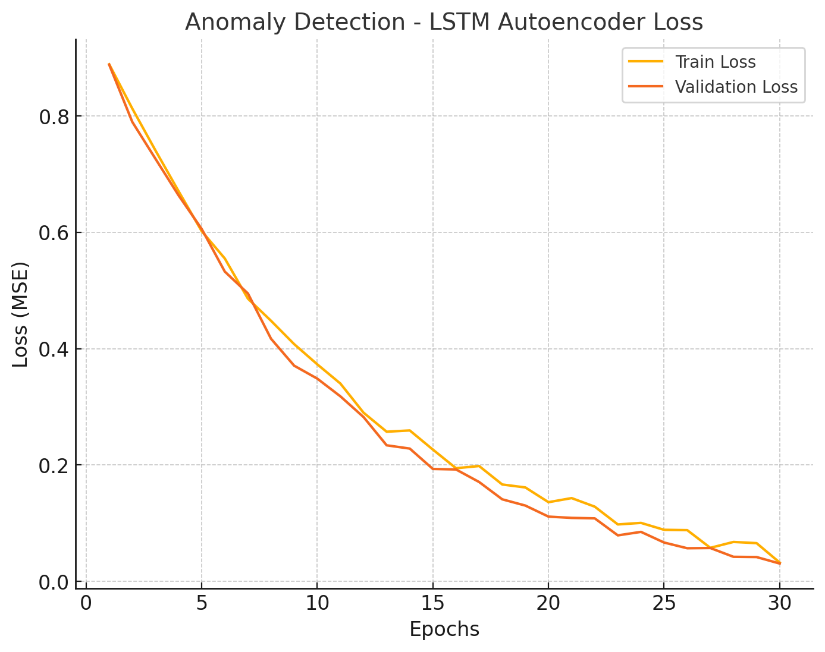
Figure 1. Anomaly detection - LSTM autoencoder loss curve
- Fault Location – Deep Neural Network (DNN)
Figure 2 illustrates the training and validation accuracy curves of the DNNs model used for fault location classification in SDSs. The model shows a steady improvement in accuracy over the 30 training epochs, with the training accuracy reaching nearly 100% and validation accuracy stabilizing around 95%. The narrowing gap between two curves indicates improved generalization and reduced overfitting as training progresses.
This convergence suggests that the DNN can reliably identify fault locations within the smart grid without significant overfitting. The model’s ability to hierarchically learn features supports the effectiveness of DNNs as powerful tools for automated fault diagnosis and rapid fault isolation in SDSs. These results suggested that the DNN effectively learns fault-related patterns from the synthetic data.
However, since this is a review paper, the results are illustrative, and further evaluation using real-world datasets and robustness testing (e.g., under class imbalance or unseen fault types) is recommended for practical deployment. Also, in future work, misclassification rates under unseen fault types or evolving grid technologies should be tested. Comparing the DNN's performance to baseline models such as support vector machine (SVM) or decision trees would also validate its effectiveness.
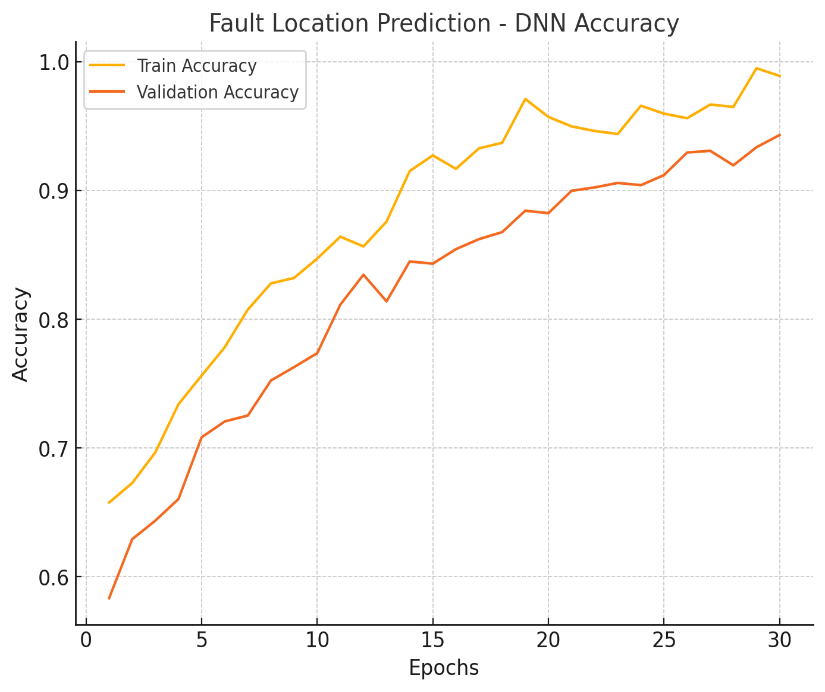
Figure 2. Fault location prediction - DNN accuracy curve
- Load Forecasting – LSTM Network
Figure 3 displays the training and validation loss (MSE) curves for the LSTM model applied to energy load forecasting. The results show a steady and consistent decline in both losses over the 30 training epochs, indicating effective learning and convergence. The close alignment between the two curves reflects to a high degree of generalization, with minimal signs of overfitting.
This trend suggests that the LSTM model is capable of capturing temporal dependencies in the load data, making it suitable for forecasting future energy demand. However, it is important to note that only MSE was used as the loss metric, which may not fully reflect real-world forecasting performance. More interpretable metrics such as MAE or RMSE should be included in future evaluations to aid utility decision-making. Including multiple error like MAE and RMSE, alongside MSE, is crucial for offering a more complete picture of forecast accuracy for decision-makers in utilities.
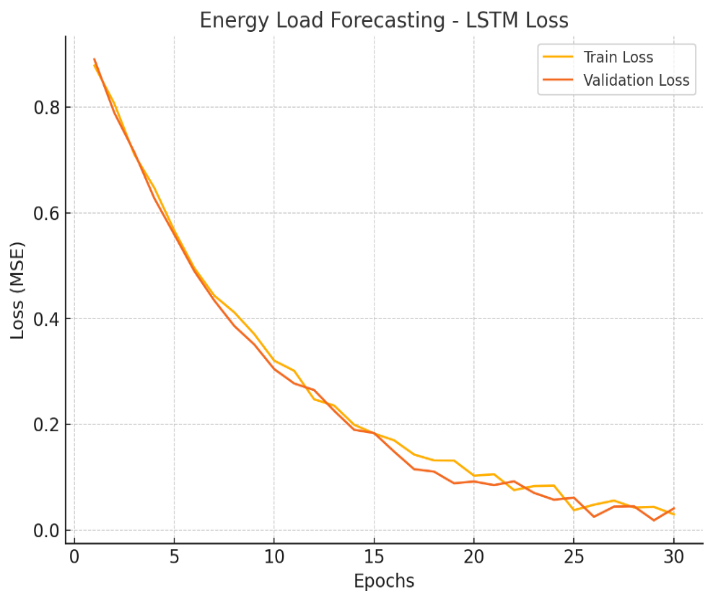
Figure 3. Energy load forecasting - LSTM loss curve
- Outage Duration Estimation – Convolutional Neural Network (CNN)
Figure 4 illustrates the training and validation loss curves (measured using MSE) for the CNN model used in outage duration estimation. Both curves show a consistent and steady decrease over 30 epochs, indicating effective model training and convergence. The close alignment between the two losses suggests that the model generalizes well and avoids overfitting, at least on the synthetic dataset used.
These results demonstrate that the CNN successfully learns useful local temporal patterns, such as voltage dips and current surges, which are critical for estimating outage duration. However, CNNs inherently focus on localized features and may not capture long-term dependencies or correlations between multiple events over time. Furthermore, the model was trained using a fixed architecture without regularization (e.g., dropout, batch normalization), which could help improve generalization, especially in small or noisy datasets.
As this is a review paper, the results serve to illustrate how CNNs can be used in SDS applications. However, for real-world implementation, further validation over temporal conditions (e.g., across different seasons or grid loads), and comparison with recurrent or hybrid models, would be necessary to confirm robustness and reliability.
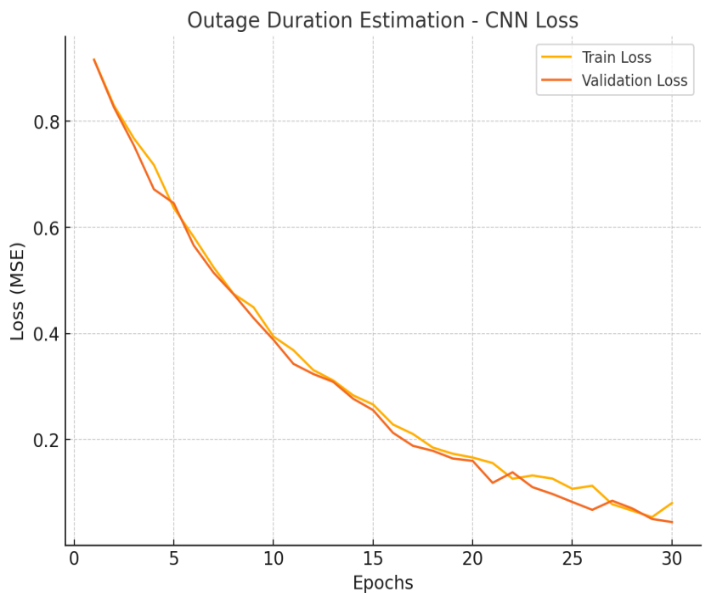
Figure 4. Outage duration estimation-CNN loss curve
- Customer Segmentation – Autoencoder + t-SNE
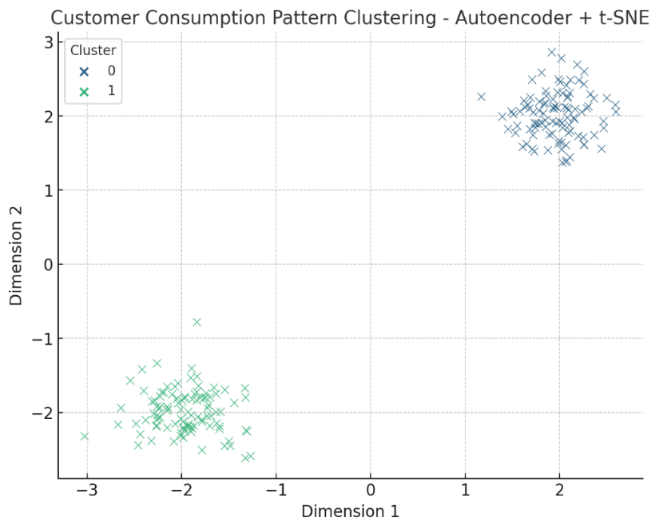
Figure 5 shows the result of customer segmentation using deep autoencoder for feature extraction followed by st-SNE for two-dimensional visualization. The output reveals two well-separated clusters, suggesting the presence of distinct patterns in customer energy usage behavior. This demonstrates the ability of DL models to uncover latent structures in unlabeled data and supports their potential use in unsupervised tasks such as consumer profiling and demand-side management.
However, it is important to note that this result is based solely on visual inspection. Quantitative validation metrics, such as the silhouette score or Davies-Bouldin index, were not calculated to objectively assess the quality or compactness of the clusters. Additionally, the t-SNE algorithm is known to be sensitive to initial conditions and parameter setting, yet no robustness analysis was conducted across multiple runs or hyperparameter variations. To ensure reliability and reproducibility, future work should apply robust clustering metrics and sensitivity analyses across multiple t-SNE runs and hyperparameter settings.
As this is a reviewer paper, the figure is included as an illustrative example of how DL can support customer clustering in SDSs. For practical deployment, further analysis using robust clustering metrics and sensitivity testing would be essential to ensure reliability and reproducibility.
The demonstrations presented serve as simplified yet informative illustrations of how various DL models can be applied to core SDS tasks. The models, including LSTM, DNN, CNN, and autoencoders, performed well on synthetic datasets, showing effective learning and generalization. These examples illustrate potential applications in anomaly detection, fault location, load forecasting, outage estimation, and customer segmentation. However, limitations such as the absence of real-world validation, lack of statistical performance metrics, and no comparison with traditional or physics-based models were noted. The findings serve to support the discussion and highlight the capabilities and challenges of DL in SDS automation.
The analysis presented is primarily based on qualitive trends in training and validation performance. Quantitative evaluation methods, such as confidence intervals for error metrics, or cluster validity indices (e.g., silhouette score, Davies–Bouldin index), were not applied in this study. Furthermore, no ablation studies or direct comparisons with traditional machine learning baselines (such as support vector machines or ARIMA models) were included. These additions are recommended for future work to enable a more rigorous and statically validated assessment of model performance in SDS applications.
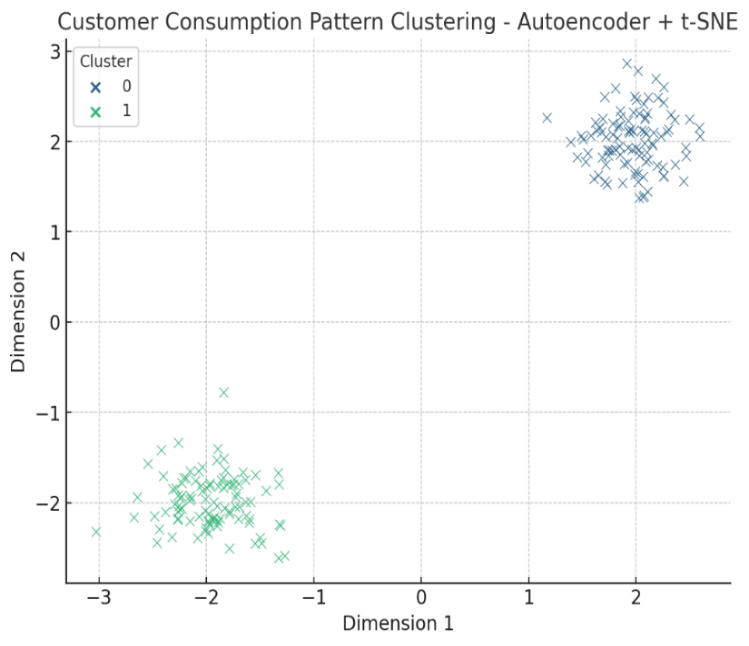
Figure 5. Customer consumption pattern clustering-autoencoder + t-SNE visualization.
- Deployment Constraints and Future Integration Pathways
Beyond algorithmic performance, practical implementation of DL in SDS applications must address deployment constraints associated with emerging technologies. For example, integrating DL into edge computing frameworks is challenged by limited computational resources, requiring lightweight model architectures [57]. Similarly, applying DL within blockchain-based platforms raises concerns around network scalability, throughput and latency [58]. These constraints must be systematically addressed to ensure feasibility in real world deployments [59].
Despite the advantages of DL, its 'black-box' nature remains a major obstacle—particularly in safety-critical environments like power grids [60]. The lack of model interpretability can undermine trust and hinder decision-making, especially in real-time control scenarios [61]. For proactive and customer-centered smart grid systems, explainability and transparency are essential [62]. Future research should prioritize interpretable DL models and explainable AI (XAI) techniques to improve trust and decision-making reliability.
- CONCLUSIONS
This review has explored the role of DL in enhancing automation within SDSs by examining five key applications: anomaly detection, fault location, load forecasting, outage duration estimation, and customer segmentation. The presented results, based on synthetic datasets, demonstrate how DL models can support smarter, data-driven grid operation. However, these findings are illustrative and not generalizable to real-world conditions without further validation. The reliance on synthetic data, while addressing the lack of publicly available datasets, limits the model's exposure to real-world challenges such as sensor noise, adversarial events, and heterogenous grid configurations.
Additional concerns, such as computational cost of LSTM models, model drift, and limited interpretability must be addressed before deployment in operational systems. Future research should prioritize real-world dataset integration, domain adaption strategies, and model evaluation under practical constraints. Lightweight and explainable DL models are especially needed for edge computing environments. Cybersecurity vulnerabilities, particularly in the context of DL-based anomaly detection, should be considered to ensure deployment within critical infrastructure.
Moreover, future implementation must consider robustness, transparency, and scalability to support secure, efficient, and adaptive grid management. In conclusion, DL holds significant promise for transforming SDSs, but its full potential can only be realized through targeted research that bridges experimental insights with real-world application demands. In conclusion while DL holds significant promise for transforming SDSs toward more proactive and customer-focused management, its full potential will be realized only through targeted research that bridges experimental insights with practical challenges and real-world deployment demands.
REFERENCES
- O. M. Neda, "Optimal amalgamation of DG units in radial distribution system for techno-economic study by improved SSA: Practical case study," Electric Power Systems Research, vol. 241, p. 111365, 2025, https://doi.org/10.1016/j.epsr.2024.111365.
- O. M. Neda, "A Novel Technique for Optimal Allocation of RDG Units on Distribution Network," 2021 Fourth International Conference on Electrical, Computer and Communication Technologies (ICECCT), pp. 1-5, 2021, https://doi.org/10.1109/ICECCT52121.2021.9616633.
- O. M. Neda, "Hybrid design of optimal reconfiguration and DG sizing and siting using a novel improved salp swarm algorithm," Electrical Engineering, pp. 1-16, 2024, https://doi.org/10.1007/s00202-024-02493-7.
- V. C. Gungor et al., "Smart grid technologies: Communication technologies and standards," IEEE transactions on Industrial informatics, vol. 7, no. 4, pp. 529-539, 2011, https://doi.org/10.1109/TII.2011.2166794.
- N. Xu, Z. Tang, C. Si, J. Bian, and C. Mu, "A Review of Smart Grid Evolution and Reinforcement Learning: Applications, Challenges and Future Directions," Energies, vol. 18, no. 7, p. 1837, 2025, https://doi.org/10.3390/en18071837.
- O. Muhammed Neda, "Optimal Distribution Network Reconfiguration For Loss Minimization And Voltage Profile Improvement Based On Artificial Intelligence," Kufa Journal of Engineering, vol. 16, no. 2, pp. 263 -279, 2025, https://doi.org/10.30572/2018/KJE/160216.
- T. Azfar, J. Li, H. Yu, R. L. Cheu, Y. Lv, and R. Ke, "Deep learning-based computer vision methods for complex traffic environments perception: A review," Data Science for Transportation, vol. 6, no. 1, p. 1, 2024, https://doi.org/10.1007/s42421-023-00086-7.
- X. Fang, S. Misra, G. Xue, and D. Yang, "Smart grid—The new and improved power grid: A survey," IEEE communications surveys & tutorials, vol. 14, no. 4, pp. 944-980, 2011, https://doi.org/10.1109/SURV.2011.101911.00087.
- R. Mura and A. Sternieri, "Economic implications of digital transformation," International Journal of Digital Technology & Economy, vol. 4, no. 1, pp. 9-21, 2020, https://doi.org/10.31785/ijdte.4.1.2.
- O. M. Neda and A. Ma’arif, "Chaotic Particle Swarm Optimization for Solving Reactive Power Optimization Problem," International Journal of Robotics and Control Systems, vol. 1, no. 4, pp. 523-533, 2022, https://doi.org/10.31763/ijrcs.v1i4.539.
- F. J. Maseda, I. López, I. Martija, P. Alkorta, A. J. Garrido, and I. Garrido, "Sensors data analysis in supervisory control and data acquisition (SCADA) systems to foresee failures with an undetermined origin," Sensors, vol. 21, no. 8, p. 2762, 2021, https://doi.org/10.3390/s21082762.
- X. Chen, Y. La, J.-G. Zhao, W. Zhang, and T.-C. Chang, "Big Data Analysis for Effective Management of Power Distribution Network," Sensors & Materials, vol. 33, 2021, https://doi.org/10.18494/SAM.2021.3030.
- Y. Yan, Y. Qian, H. Sharif, and D. Tipper, "A survey on smart grid communication infrastructures: Motivations, requirements and challenges," IEEE communications surveys & tutorials, vol. 15, no. 1, pp. 5-20, 2012, https://doi.org/10.1109/SURV.2012.021312.00034.
- O. M. Neda, "A Novel Technique for Optimal siting and Rating of Shunt Capacitors Placed to the Radial Distribution Systems," Advances in Electrical and Electronic Engineering, vol. 20, no. 2, pp. 143-153, 2022, https://doi.org/10.15598/aeee.v20i2.4415.
- B. Biswal, S. Deb, S. Datta, T. S. Ustun, and U. Cali, "Review on smart grid load forecasting for smart energy management using machine learning and deep learning techniques," Energy Reports, vol. 12, pp. 3654-3670, 2024, https://doi.org/10.1016/j.egyr.2024.09.056.
- G. Porawagamage, K. Dharmapala, J. S. Chaves, D. Villegas, and A. Rajapakse, "A review of machine learning applications in power system protection and emergency control: opportunities, challenges, and future directions," Frontiers in Smart Grids, vol. 3, p. 1371153, 2024, https://doi.org/10.3389/frsgr.2024.1371153.
- O. A. Omitaomu and H. Niu, "Artificial intelligence techniques in smart grid: A survey," Smart Cities, vol. 4, no. 2, pp. 548-568, 2021, https://doi.org/10.3390/smartcities4020029.
- F. A. Jumaa, O. M. Neda, and M. A. Mhawesh, "Optimal distributed generation placement using artificial intelligence for improving active radial distribution system," Bulletin of Electrical Engineering and Informatics, vol. 10, no. 5, pp. 2345-2354, 2021, https://doi.org/10.11591/eei.v10i5.2949.
- G. S. Gowekar, "Artificial intelligence for predictive maintenance in oil and gas operations," World J Adv Res Rev, vol. 23, no. 3, pp. 1228-33, 2024, https://doi.org/10.30574/wjarr.2024.23.3.2721.
- S. R. Khuntia, J. L. Rueda, and M. A. van der Meijden, "Smart asset management for electric utilities: Big data and future," in Asset Intelligence through Integration and Interoperability and Contemporary Vibration Engineering Technologies: Proceedings of the 12th World Congress on Engineering Asset Management and the 13th International Conference on Vibration Engineering and Technology of Machinery, pp. 311-322, 2019, https://doi.org/10.1007/978-3-319-95711-1_31.
- A. Entezari, A. Aslani, R. Zahedi, and Y. Noorollahi, "Artificial intelligence and machine learning in energy systems: A bibliographic perspective," Energy Strategy Reviews, vol. 45, p. 101017, 2023, https://doi.org/10.1016/j.esr.2022.101017.
- J. J. Moreno Escobar, O. Morales Matamoros, R. Tejeida Padilla, I. Lina Reyes, and H. Quintana Espinosa, "A comprehensive review on smart grids: Challenges and opportunities," Sensors, vol. 21, no. 21, p. 6978, 2021, https://doi.org/10.3390/s21216978.
- O. M. Neda, "A new hybrid algorithm for solving distribution network reconfiguration under different load conditions," Indonesian Journal of Electrical Engineering and Computer Science, vol. 20, no. 3, pp. 1118-1127, 2020, https://doi.org/10.11591/ijeecs.v20.i3.pp1118-1127.
- S. Mittal, "A survey on modeling and improving reliability of DNN algorithms and accelerators," Journal of Systems Architecture, vol. 104, p. 101689, 2020, https://doi.org/10.1016/j.sysarc.2019.101689.
- W. Duo, M. Zhou, and A. Abusorrah, "A survey of cyber attacks on cyber physical systems: Recent advances and challenges," IEEE/CAA Journal of Automatica Sinica, vol. 9, no. 5, pp. 784-800, 2022, https://doi.org/10.1109/JAS.2022.105548.
- P. Arévalo and F. Jurado, "Impact of artificial intelligence on the planning and operation of distributed energy systems in smart grids," Energies, vol. 17, no. 17, p. 4501, 2024, https://doi.org/10.3390/en17174501.
- A. Mathew, P. Amudha, and S. Sivakumari, "Deep learning techniques: an overview," Advanced Machine Learning Technologies and Applications: Proceedings of AMLTA 2020, pp. 599-608, 2021, https://doi.org/10.1007/978-981-15-3383-9_54.
- K. E. Fahim, K. Kalinaki, L. De Silva, and H. Yassin, "The role of machine learning in improving power distribution systems resilience," Future Modern Distribution Networks Resilience, pp. 329-352, 2024, https://doi.org/10.1016/B978-0-443-16086-8.00012-9.
- M. Aghahadi, A. Bosisio, M. Merlo, A. Berizzi, A. Pegoiani, and S. Forciniti, "Digitalization processes in distribution grids: a comprehensive review of strategies and challenges," Applied Sciences, vol. 14, no. 11, p. 4528, 2024, https://doi.org/10.3390/app14114528.
- G. S. OV, A. Karthikeyan, K. Karthikeyan, P. Sanjeevikumar, S. K. Thomas, and A. Babu, "Critical review of SCADA And PLC in smart buildings and energy sector," Energy Reports, vol. 12, pp. 1518-1530, 2024, https://doi.org/10.1016/j.egyr.2024.07.041.
- I. Colak, E. Kabalci, G. Fulli, and S. Lazarou, "A survey on the contributions of power electronics to smart grid systems," Renewable and Sustainable Energy Reviews, vol. 47, pp. 562-579, 2015, https://doi.org/10.1016/j.rser.2015.03.031.
- O. M. Neda, "Optimal coordinated design of PSS and UPFC-POD using DEO algorithm to enhance damping performance," International Journal of Electrical and Computer Engineering (IJECE), vol. 10, no. 6, pp. 6111-6121, 2020, https://doi.org/10.11591/ijece.v10i6.pp6111-6121.
- N. Sahani, R. Zhu, J.-H. Cho, and C.-C. Liu, "Machine learning-based intrusion detection for smart grid computing: A survey," ACM Transactions on Cyber-Physical Systems, vol. 7, no. 2, pp. 1-31, 2023, https://doi.org/10.1145/3578366.
- M. Massaoudi, H. Abu-Rub, S. S. Refaat, I. Chihi, and F. S. Oueslati, "Deep learning in smart grid technology: A review of recent advancements and future prospects," IEEE Access, vol. 9, pp. 54558-54578, 2021, https://doi.org/10.1109/ACCESS.2021.3071269.
- V. Dvorkin and A. Botterud, "Differentially private algorithms for synthetic power system datasets," IEEE Control Systems Letters, vol. 7, pp. 2053-2058, 2023, https://doi.org/10.1109/LCSYS.2023.3284389.
- T. Matijašević, T. Antić, and T. Capuder, "A systematic review of machine learning applications in the operation of smart distribution systems," Energy reports, vol. 8, pp. 12379-12407, 2022, https://doi.org/10.1016/j.egyr.2022.09.068.
- K. Wang and M. Govindarasu, "FGSM-based Synthetic Data Generation Technique and Application to Anomaly Detection in Smart Grid," in 2024 IEEE Power & Energy Society General Meeting (PESGM), pp. 1-5, 2024, https://doi.org/10.1109/PESGM51994.2024.10688539.
- H. D. Nguyen, K. P. Tran, S. Thomassey, and M. Hamad, "Forecasting and Anomaly Detection approaches using LSTM and LSTM Autoencoder techniques with the applications in supply chain management," International Journal of Information Management, vol. 57, p. 102282, 2021, https://doi.org/10.1016/j.ijinfomgt.2020.102282.
- V. Rizeakos, A. Bachoumis, N. Andriopoulos, M. Birbas, and A. Birbas, "Deep learning-based application for fault location identification and type classification in active distribution grids," Applied Energy, vol. 338, p. 120932, 2023, https://doi.org/10.1016/j.apenergy.2023.120932.
- S. H. Rafi, S. R. Deeba, and E. Hossain, "A short-term load forecasting method using integrated CNN and LSTM network," IEEE access, vol. 9, pp. 32436-32448, 2021, https://doi.org/10.1109/ACCESS.2021.3060654.
- W. Huang, W. Zhang, Q. Chen, B. Feng, and X. Li, "Prediction algorithm for power outage areas of affected customers based on CNN-LSTM," IEEE Access, vol. 12, pp. 15007-15015, 2024, https://doi.org/10.1109/ACCESS.2024.3355484.
- Y. Tao, J. Yan, E. Niu, P. Zhai, and S. Zhang, "An SVM-Based Anomaly Detection Method for Power System Security Analysis Using Particle Swarm Optimization and t-SNE for High-Dimensional Data Classification," Processes, vol. 13, no. 2, p. 549, 2025, https://doi.org/10.3390/pr13020549.
- G. Van Houdt, C. Mosquera, and G. Nápoles, "A review on the long short-term memory model," Artificial Intelligence Review, vol. 53, no. 8, pp. 5929-5955, 2020, https://doi.org/10.1007/s10462-020-09838-1.
- B. N. Patro, V. P. Namboodiri, and V. S. Agneeswaran, "Spectformer: Frequency and attention is what you need in a vision transformer," in 2025 IEEE/CVF Winter Conference on Applications of Computer Vision (WACV), pp. 9543-9554, 2025, https://doi.org/10.1109/WACV61041.2025.00924.
- D. Passos and P. Mishra, "A tutorial on automatic hyperparameter tuning of deep spectral modelling for regression and classification tasks," Chemometrics and Intelligent Laboratory Systems, vol. 223, p. 104520, 2022, https://doi.org/10.1016/j.chemolab.2022.104520.
- O. Rainio, J. Teuho, and R. Klén, "Evaluation metrics and statistical tests for machine learning," Scientific Reports, vol. 14, no. 1, p. 6086, 2024, https://doi.org/10.1038/s41598-024-56706-x.
- Y. Guo, Y. Liu, A. Oerlemans, S. Lao, S. Wu, and M. S. Lew, "Deep learning for visual understanding: A review," Neurocomputing, vol. 187, pp. 27-48, 2016, https://doi.org/10.1016/j.neucom.2015.09.116.
- G. Wilson and D. J. Cook, "A survey of unsupervised deep domain adaptation," ACM Transactions on Intelligent Systems and Technology (TIST), vol. 11, no. 5, pp. 1-46, 2020, https://doi.org/10.1145/3400066.
- Z. Xu, W. Pan, and Z. Ming, "Transfer learning in cross-domain sequential recommendation," Information Sciences, vol. 669, p. 120550, 2024, https://doi.org/10.1016/j.ins.2024.120550.
- H. Li, Q. Xu, Q. Wang, and B. Tang, "A review of intelligent verification system for distribution automation terminal based on artificial intelligence algorithms," Journal of Cloud Computing, vol. 12, no. 1, p. 146, 2023, https://doi.org/10.1186/s13677-023-00527-2.
- A. A. Khan, A. A. Laghari, M. Rashid, H. Li, A. R. Javed, and T. R. Gadekallu, "Artificial intelligence and blockchain technology for secure smart grid and power distribution Automation: A State-of-the-Art Review," Sustainable Energy Technologies and Assessments, vol. 57, p. 103282, 2023, https://doi.org/10.1016/j.seta.2023.103282.
- W. Qiu et al., "Neural networks-based inverter control: modeling and adaptive optimization for smart distribution networks," IEEE Transactions on Sustainable Energy, vol. 15, no. 2, pp. 1039-1049, 2023, https://doi.org/10.1109/TSTE.2023.3324219.
- N. Ahmad, Y. Ghadi, M. Adnan, and M. Ali, "Load forecasting techniques for power system: Research challenges and survey," IEEE Access, vol. 10, pp. 71054-71090, 2022, https://doi.org/10.1109/ACCESS.2022.3187839.
- F. Mohammad, M. A. Ahmed, and Y.-C. Kim, "Efficient energy management based on convolutional long short-term memory network for smart power distribution system," Energies, vol. 14, no. 19, p. 6161, 2021, https://doi.org/10.3390/en14196161.
- J. Liang, J. e. Li, Z. Dong, and M. Tian, "Ultra-short-term operation situation prediction method of active distribution network based on convolutional neural network long short term memory," Sustainable Energy, Grids and Networks, vol. 38, p. 101350, 2024, https://doi.org/10.1016/j.segan.2024.101350.
- B. Huang and J. Wang, "Applications of physics-informed neural networks in power systems-a review," IEEE Transactions on Power Systems, vol. 38, no. 1, pp. 572-588, 2022, https://doi.org/10.1109/TPWRS.2022.3162473.
- Z. Zhou, X. Chen, E. Li, L. Zeng, K. Luo, and J. Zhang, "Edge intelligence: Paving the last mile of artificial intelligence with edge computing," Proceedings of the IEEE, vol. 107, no. 8, pp. 1738-1762, 2019, https://doi.org/10.1109/JPROC.2019.2918951.
- Y. Guo, Z. Wan, and X. Cheng, "When blockchain meets smart grids: A comprehensive survey," High-Confidence Computing, vol. 2, no. 2, p. 100059, 2022, https://doi.org/10.1016/j.hcc.2022.100059.
- L. Qin, H. Lu, Y. Chen, Z. Gu, D. Zhao and F. Wu, "Energy-Efficient Blockchain-Enabled User-Centric Mobile Edge Computing," in IEEE Transactions on Cognitive Communications and Networking, vol. 10, no. 4, pp. 1452-1466, Aug. 2024, https://doi.org/10.1109/TCCN.2024.3373624.
- G. I. Allen, L. Gan, and L. Zheng, "Interpretable machine learning for discovery: Statistical challenges and opportunities," Annual Review of Statistics and Its Application, vol. 11, 2023, https://doi.org/10.1146/annurev-statistics-040120-030919.
- A. Adadi and M. Berrada, "Peeking inside the black-box: a survey on explainable artificial intelligence (XAI)," IEEE access, vol. 6, pp. 52138-52160, 2018, https://doi.org/10.1109/ACCESS.2018.2870052.
- J. Wang, J. Wiens, and S. Lundberg, "Shapley flow: A graph-based approach to interpreting model predictions," in International Conference on Artificial Intelligence and Statistics, pp. 721-729, 2021, https://proceedings.mlr.press/v130/wang21b.html.
BIOGRAPHY OF AUTHOR

| Omar Muhammed Neda was born in Babylon/Iraq on Octobar 6, 1988. He received his B.Sc. in Electrical Power Engineering Department, Al-Mussaib Engineering Technical College, Al-Furat Al-Awsat Technical University, Babylon, Iraq, in 2010 and M.Sc. also in Electrical Power Engineering Department, Electrical Engineering Technical College, Middle Technical University, Baghdad, Iraq, in 2019. His current research interests include power system operation and control, power electronics, electric machine, robust control, smart grid and Intelligent Optimization. Google scholar link: https://scholar.google.com/citations?user=uSrePV4AAAAJ&hl=en Scopus link: https://www.scopus.com/authid/detail.uri?authorId=57208327668 WOS link: https://www.webofscience.com/wos/author/record/AAX-6030-2020 Orcid link: https://orcid.org/0000-0001-9748-3341 |
A Review on Smart Distribution Systems and the Role of Deep Learning-based Automation in Enhancing Grid Reliability and Efficiency (Omar Muhammed Neda)